
Maintaining a vehicle is often viewed through the lens of mechanical reliability—oil changes, brake pads, and tire rotations. However, savvy car owners and personal finance enthusiasts understand that the aesthetic condition of a vehicle is a critical factor in asset preservation. One of the most common yet overlooked areas of vehicle depreciation is the oxidation of headlight lenses. When those clear covers turn cloudy, yellow, or opaque, it isn’t just a safety hazard; it is a financial liability.
Understanding what to clean headlights with is a micro-investment strategy. By spending $20 and an hour of your time, you can potentially prevent a $1,000 repair bill or a $2,000 drop in resale value. This guide explores the most cost-effective methods for restoring headlight clarity, the financial implications of vehicle neglect, and how this simple maintenance task can even be transitioned into a profitable side hustle.
The Economics of Automotive Clarity: Why Maintenance is an Investment
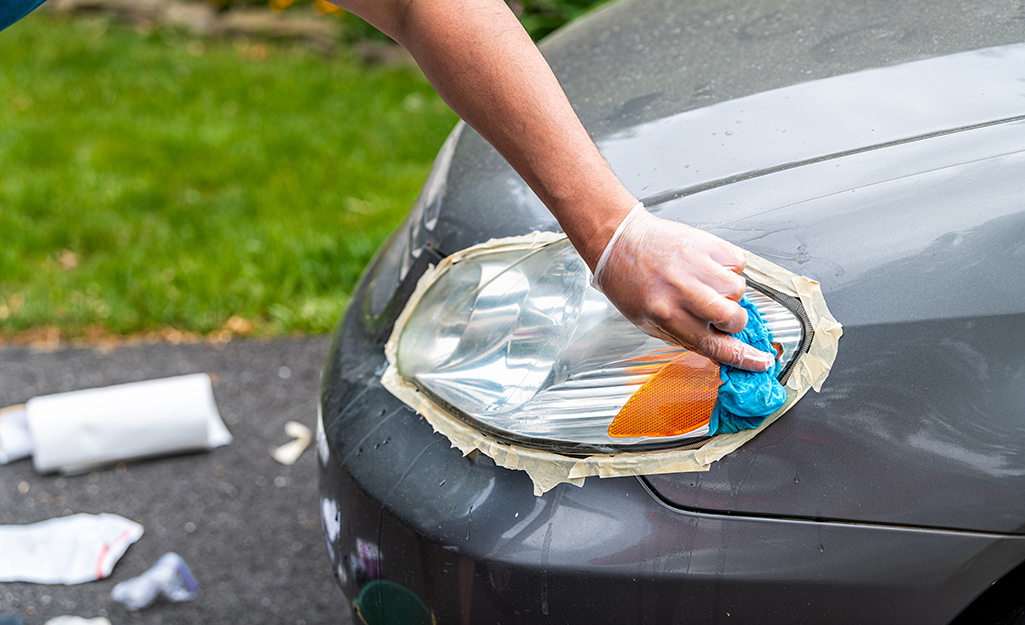
In the world of personal finance, a car is typically a depreciating asset. The goal of any owner should be to slow that depreciation curve. Headlight oxidation occurs because modern lenses are made of polycarbonate plastic, which is porous and susceptible to UV damage. When the factory-applied protective film wears off, the plastic reacts with the sun’s rays, creating a chalky, yellowed surface.
Impact on Resale Value and Trade-In Power
If you were to list a car on a private marketplace or take it to a dealership for a trade-in, the first thing an appraiser notices is the “curb appeal.” Cloudy headlights signal to a buyer that the vehicle has been stored outdoors and likely neglected in other areas. Professionally, this can lead to a “reconditioning deduction.” Dealers often subtract the cost of new headlight assemblies—which can range from $300 to $1,500 per side for modern LED units—from your trade-in offer. By knowing what to clean headlights with and performing the restoration yourself, you retain that equity in the vehicle.
Avoiding the “Replacement Trap”
The most expensive way to deal with cloudy headlights is to replace the entire housing. For many luxury or late-model vehicles, these assemblies are integrated with complex electronics and sensors. A DIY cleaning approach using the right materials costs a fraction of a percent of a full replacement. From a wealth-building perspective, choosing restoration over replacement is a high-return decision that keeps more capital in your high-yield savings or investment accounts.
Top Budget-Friendly Solutions: What to Clean Headlights With to Save Money
When looking at what to clean headlights with, the options range from “pantry staples” to specialized chemical kits. The choice depends on your budget and the severity of the oxidation.
The Low-Cost Leader: Baking Soda and Vinegar
For those looking to spend zero additional dollars, the combination of baking soda and white vinegar is a classic household hack. Baking soda acts as a mild abrasive, while the acidity of the vinegar helps break down surface grime.
- The Process: Create a thick paste of baking soda and water. Apply it to the lens and scrub in circular motions with a microfiber cloth. Rinse with vinegar, then water.
- The Financial Verdict: This is the cheapest method, but it is a short-term fix. It cleans the surface but does not provide a new UV sealant, meaning the oxidation will return within weeks.
The Middle Ground: Specialized Restoration Kits
If you are willing to invest $15 to $30, commercial restoration kits (such as those from 3M, Meguiar’s, or Cerakote) offer the best Return on Investment (ROI). These kits typically include various grades of wet sandpaper, a polishing compound, and, most importantly, a UV-resistant clear coat.
- The Process: You progressively sand away the oxidized layer, polish the plastic to a high gloss, and then “lock in” the results with a ceramic or polymer coating.
- The Financial Verdict: This is the gold standard for DIY enthusiasts. A $25 kit can produce results that last 1–2 years, effectively “resetting” the depreciation clock on your headlights for a nominal fee.
The “Emergency” Fix: Toothpaste
Non-gel toothpaste containing silica or baking soda is a popular recommendation for what to clean headlights with on a tight budget.
- The Process: Apply toothpaste to a dry cloth and buff the lens vigorously.
- The Financial Verdict: Similar to the baking soda method, this is a mechanical polish only. While it improves visibility for a late-night drive or an immediate inspection, it lacks the longevity required for true asset protection.
DIY vs. Professional Restoration: A Cost-Benefit Analysis
A common question in personal finance is whether to “DIY or Delegate.” When it comes to headlight restoration, the math heavily favors the DIY approach for anyone with basic mobility and an hour of time.
The Cost of Professional Services
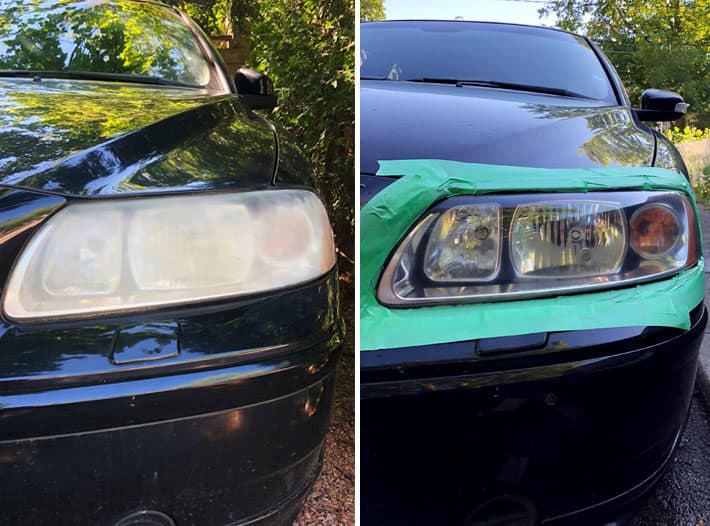
Mobile detailing services or auto shops typically charge between $80 and $150 for a professional headlight restoration. While these pros often use higher-grade power tools (like orbital buffers) and professional-strength sealants, the labor markup is significant.
The DIY Advantage
- Material Cost: $20.
- Labor Value: If the task takes 60 minutes, and you save $100 compared to a pro, your “tax-free” earnings for that hour are effectively $100/hour.
- Skill Acquisition: Learning to use abrasives and sealants on a small scale builds confidence for other home and auto repairs, further reducing your reliance on expensive third-party contractors.
For most individuals, the professional service is only worth the cost if the headlights are so severely pitted that they require power tools or if the owner’s time is valued significantly higher than $100/hour in a professional capacity.
Turning Clarity into Cash: Starting a Headlight Restoration Side Hustle
The knowledge of what to clean headlights with isn’t just a way to save money—it’s a way to make it. In an era of rising inflation and high car prices, people are keeping their vehicles longer, creating a massive market for affordable maintenance services.
The Business Case
Headlight restoration is an ideal “low-overhead” side hustle. Unlike a full mobile detailing business, which requires a van, water tanks, and expensive pressure washers, a headlight restoration business can fit into a backpack.
- Startup Costs: Approximately $100 to $200 for a high-quality drill, buffing pads, sandpaper, and a bulk supply of ceramic sealant.
- Pricing Strategy: Charging $50 to $75 per vehicle (a 30-45 minute job) provides a high margin.
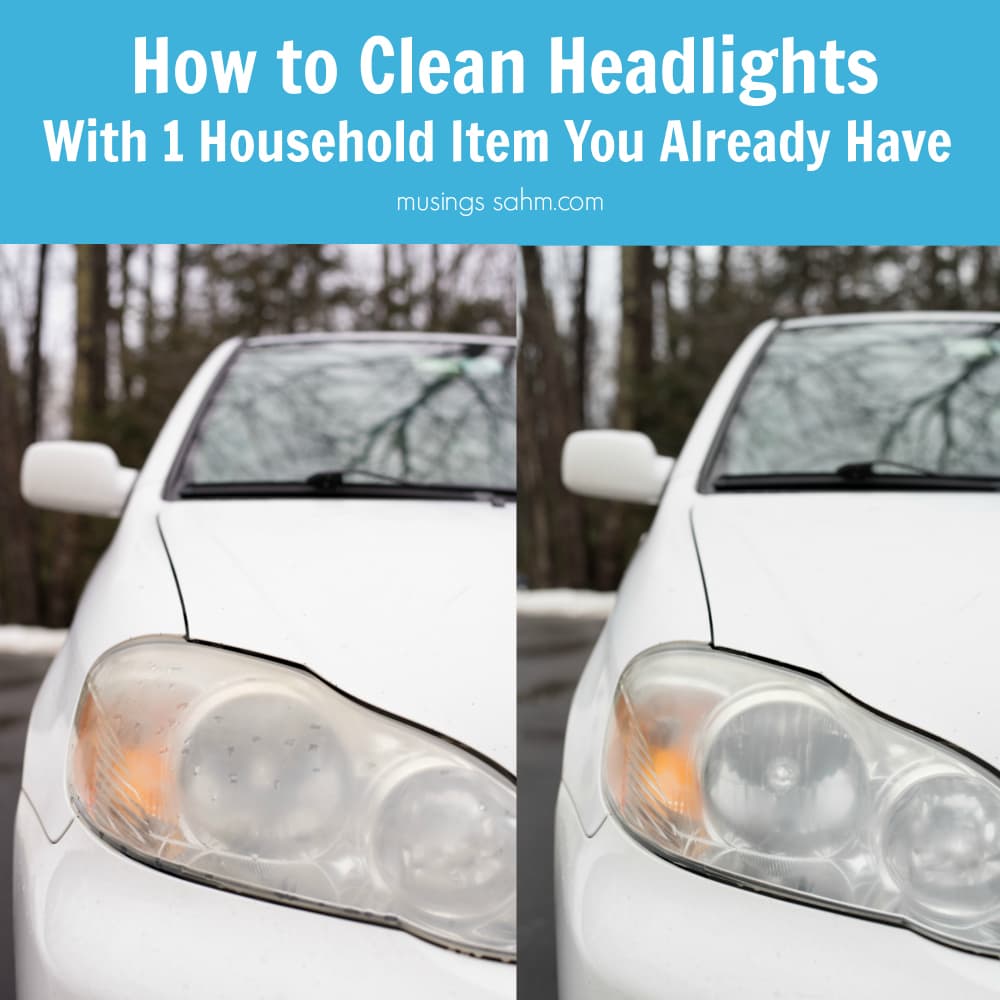
- Marketing: Before-and-after photos are your most powerful marketing tool. Posting these on local community groups or Facebook Marketplace can generate immediate leads.
Scalability and Profitability
Because the consumable cost (sandpaper and chemicals) per car is roughly $5 to $10, the gross profit margin is near 90%. For a student or a professional looking for extra weekend income, servicing just four cars on a Saturday can net $200 to $300 in profit. This is a prime example of utilizing a simple technical skill to generate an additional stream of income with minimal capital risk.
Long-Term Wealth Preservation Through Maintenance
The final component of deciding what to clean headlights with is the “preventative” phase. In finance, we talk about “moats”—strategies to protect your capital. In automotive maintenance, your moat is a UV protectant.
The Power of Preventative Coatings
Once you have cleaned and restored your headlights, the job isn’t finished until a UV sealant is applied. Without this, the raw polycarbonate is exposed, and it will oxidize faster than before. Investing in a high-quality ceramic coating (even a small bottle designed for DIY application) can keep lenses clear for years.
The Cumulative Effect
Small wins in personal finance lead to large results over time. Saving $1,000 on headlight replacement, avoiding a $500 deduction at trade-in, and perhaps earning $500 a month through a restoration side hustle can significantly impact your financial trajectory. It reinforces the habit of “stewardship”—taking care of what you own so that it serves your financial goals rather than draining them.
In conclusion, “what to clean headlights with” is a question that intersects chemistry, effort, and financial strategy. Whether you choose a high-end restoration kit to protect your $40,000 SUV or use baking soda to prep a $3,000 commuter car for sale, the act of restoration is a powerful tool in your financial toolkit. By taking control of this simple maintenance task, you demonstrate the kind of resourcefulness that is at the heart of long-term wealth building.
aViewFromTheCave is a participant in the Amazon Services LLC Associates Program, an affiliate advertising program designed to provide a means for sites to earn advertising fees by advertising and linking to Amazon.com. Amazon, the Amazon logo, AmazonSupply, and the AmazonSupply logo are trademarks of Amazon.com, Inc. or its affiliates. As an Amazon Associate we earn affiliate commissions from qualifying purchases.