
A trip to Hawaii is a dream for many, an unparalleled opportunity to immerse oneself in stunning natural beauty, vibrant culture, and unparalleled relaxation. However, transforming this dream into a reality requires more than just booking flights and accommodations; it demands astute financial planning, particularly when it comes to what you buy and how you spend. Approaching your Hawaiian packing list with a financial lens can significantly enhance your experience, ensuring you maximize value, minimize unnecessary expenditure, and return with cherished memories rather than buyer’s remorse. This guide will help you navigate the purchasing landscape for your Hawaiian getaway, focusing on smart budgeting, strategic spending, and financial tools to optimize your investment in paradise.
Strategic Budgeting for Your Island Purchases
The foundation of a financially savvy Hawaiian vacation begins long before you pack your first bag: it starts with a comprehensive budget. Understanding where your money will go allows you to make informed decisions about every purchase, from swimwear to excursions.
Estimating Core Costs vs. Discretionary Spending
Begin by segmenting your budget into core travel costs and discretionary spending. Core costs typically include flights, accommodation, car rentals, and pre-booked major activities. Discretionary spending covers everything else: food, drinks, souvenirs, spontaneous activities, and personal items. For the “what to buy” aspect, focus heavily on the discretionary category.
Research average costs for essentials like groceries if you plan to cook some meals, dining out for various restaurant types, and the typical price range for activities you’re interested in (e.g., snorkeling tours, luau tickets, surf lessons). Recognize that prices for everyday items can be significantly higher in Hawaii due to shipping costs. A gallon of milk or a bottle of sunscreen might cost double what you’d pay on the mainland. Budgeting for this reality helps you decide what to buy before you go versus what to purchase upon arrival. For example, stocking up on non-perishable snacks or personal care items stateside can lead to substantial savings.
Pre-Trip Purchases: Maximizing Value Before Arrival
Many items essential for a Hawaiian vacation can be purchased more affordably and strategically before you depart. This proactive approach not only saves money but also ensures you have exactly what you need without scrambling or overpaying in tourist traps.
Consider swimwear, resort wear, sun hats, and sandals. Retailers on the mainland or online often offer a wider selection and better prices than boutique shops in Hawaii catering to last-minute travelers. The same applies to reef-safe sunscreen, which is legally mandated in Hawaii to protect its delicate marine ecosystems. Buying it ahead of time ensures you have the correct type and are not subject to inflated prices at island convenience stores.
Essential gear like snorkeling masks, fins, or even a basic waterproof phone pouch can be a worthwhile pre-trip investment. While rentals are available, purchasing your own often proves more cost-effective if you plan multiple snorkeling excursions, ensuring proper fit and hygiene. A reusable water bottle is another excellent buy; staying hydrated is crucial, and continually buying bottled water adds up quickly, not to mention the environmental impact.
Smart Spending on Essentials: Apparel, Gear, and Sundries
Packing smart for Hawaii means striking a balance between having what you need and avoiding overpacking, which can incur additional baggage fees. Every item you consider buying should pass a “value for money” test within your overall travel budget.
Cost-Effective Wardrobe Planning
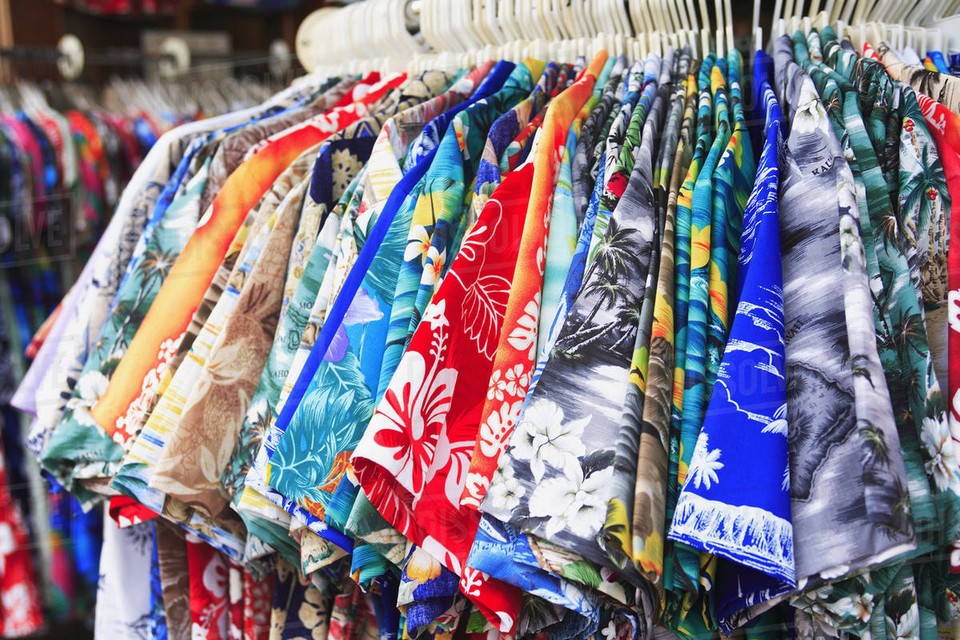
Hawaii’s climate dictates lightweight, breathable clothing. Focus on versatile pieces that can be mixed and matched, reducing the total number of items you need to buy and pack. Think quick-dry fabrics suitable for humid conditions and potential water activities. Instead of buying a new outfit for every day, plan for 3-4 key outfits that can be rotated and perhaps hand-washed.
While tempting to buy new “vacation clothes,” assess your current wardrobe first. You might already own suitable shorts, t-shirts, and cover-ups. If new purchases are necessary, seek out sales or discount retailers rather than splurging on high-end resort wear that may only see use once a year. Focus on comfort and practicality over fleeting fashion trends. A good quality, comfortable pair of walking sandals or water shoes will provide far more value than multiple pairs of less practical footwear.
Gear Investments That Pay Off
Certain gear purchases, while an upfront cost, can save you money and enhance your experience significantly. Beyond snorkeling equipment, consider a portable power bank for your electronics, especially if you plan to spend full days exploring without access to outlets. This avoids the need for expensive charging stations or struggling with a dead phone when you need navigation or photos.
A compact, lightweight backpack or daypack is invaluable for excursions, allowing you to carry water, snacks, sunscreen, and a towel without needing to buy single-use bags. If photography is a priority, consider whether your current phone camera suffices or if a small, durable point-and-shoot or action camera (like a GoPro) would elevate your memories. Factor in the cost of memory cards and any necessary accessories. Rental options for more specialized gear like surfboards or paddleboards often make more financial sense for a short trip than purchasing outright.
Avoiding Overpriced On-Island Purchases
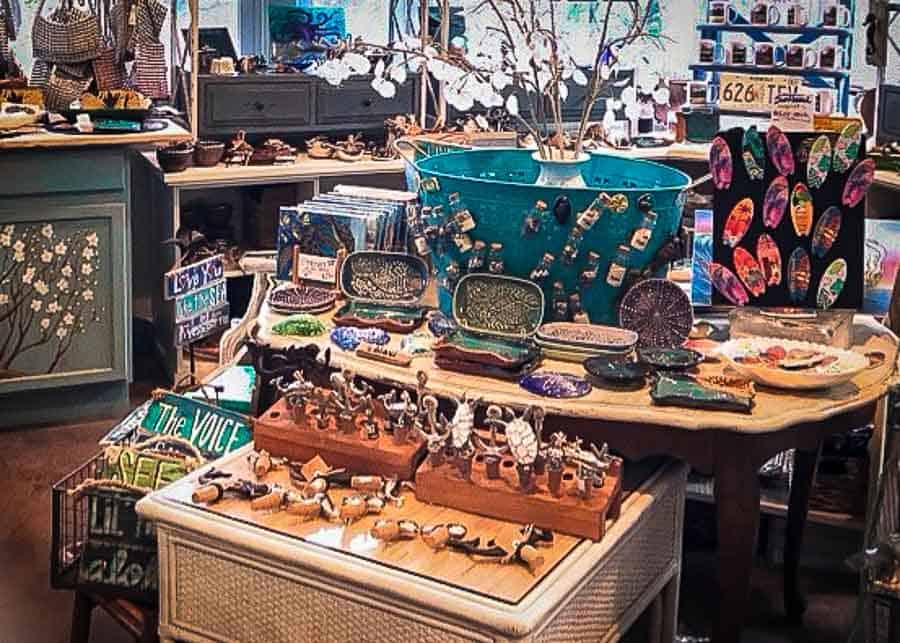
One of the easiest ways to blow your budget in Hawaii is through impulse buys at tourist-centric shops or convenience stores. Items like forgotten toiletries, cheap souvenirs, or single-serving snacks can carry exorbitant price tags.
Before you go, make a detailed packing list and check it twice. This minimizes the chance of needing to buy essentials at inflated prices. If you do forget something, try to locate a local supermarket or a larger chain store rather than purchasing from a hotel gift shop. For souvenirs, exercise discipline. Consider buying locally crafted items directly from artisans at farmers’ markets or smaller galleries, where you often get better value and support local communities, rather than mass-produced trinkets at airport stores. Better yet, focus on collecting experiences and memories, which cost nothing to carry and are priceless.
Experiences Over Excessive Souvenirs: Valuing Your Investment
Your investment in a Hawaiian vacation should primarily be in the experiences and memories you create, not in an accumulation of material goods. Smart financial planning helps you allocate funds towards activities that offer the most value.
Budgeting for Activities and Dining
Research and prioritize activities that align with your interests and budget. Some of Hawaii’s best experiences are free or low-cost: hiking scenic trails, relaxing on pristine beaches, watching sunrises or sunsets, or exploring local markets. For paid excursions, compare prices from different operators and book in advance where possible, as early bird discounts can sometimes be found. Consider activity bundles if you plan multiple tours, but ensure the bundled activities genuinely appeal to you.
Dining is a significant budget item. While indulging in some authentic Hawaiian cuisine is a must, balance expensive restaurant meals with more affordable options. Explore local food trucks, farmers’ markets, and grocery stores for picnic supplies or ingredients to prepare simple meals if your accommodation has a kitchen. Happy hour deals can also offer a cost-effective way to sample local flavors and drinks. Remember that alcohol prices, like many imported goods, are typically higher in Hawaii.
Mindful Souvenir Spending
Souvenirs often fall into the category of “nice to have” rather than “need to have,” and can quickly deplete your budget if not managed carefully. Instead of buying numerous small, inexpensive trinkets, consider one or two meaningful items that genuinely reflect your trip. This could be a piece of local art, a unique piece of jewelry, or a gourmet Hawaiian coffee.
For friends and family, consider consumable gifts like Kona coffee, macadamia nuts, or local honey, which often feel more authentic and are appreciated more than generic keychains. Digital memories – stunning photos and videos – are also invaluable “souvenirs” that cost nothing extra to acquire (beyond your camera or phone). Focus on capturing moments rather than buying objects to remember them by.
Financial Tools and Strategies for Your Hawaii Trip
Beyond what you physically buy, how you manage your money during your trip is equally crucial for financial efficiency and security.
Leveraging Credit Card Rewards and Travel Points
If you’re a savvy credit card user, planning your trip purchases around travel rewards can be a game-changer. Using a credit card that offers bonus points on travel, dining, or everyday purchases can accumulate rewards quickly. These points can then be redeemed for flights, hotel stays, or even cash back, effectively reducing the overall cost of your trip. Ensure you understand the terms and conditions, including foreign transaction fees if you plan any international stops, though typically not an issue within the U.S. states. Always pay your balance in full to avoid interest charges that negate any rewards benefits.
Digital Wallets and Currency Exchange Tips
While Hawaii uses the U.S. dollar, understanding efficient payment methods is still key. Digital wallets (Apple Pay, Google Pay) offer convenience and added security by tokenizing your card details. Many establishments across the islands accept these. It’s wise to carry a small amount of cash for smaller vendors or emergencies, but primarily rely on credit/debit cards that offer good exchange rates (if applicable for your originating currency) and no foreign transaction fees. Always decline dynamic currency conversion if offered, as this usually results in a poorer exchange rate. Inform your bank and credit card companies of your travel dates to avoid any fraud alerts that might freeze your accounts.

Travel Insurance: An Essential Financial Safeguard
While not a “purchase” in the traditional sense of a physical item, travel insurance is a critical financial investment for any major trip, especially one to an island destination. It safeguards your financial outlay against unforeseen circumstances like trip cancellations, interruptions, medical emergencies, lost luggage, or rental car damage. The cost of a good travel insurance policy is a small fraction of what you could lose if an unexpected event forces changes to your plans or requires emergency services. Review policies carefully to understand what is covered and what limitations exist. Consider it an essential part of your “what to buy” list for peace of mind and financial protection.
By meticulously planning your purchases, prioritizing experiences, and utilizing smart financial tools, your Hawaiian adventure can be everything you’ve dreamed of and more, without breaking the bank. Invest wisely in your trip to paradise, and the returns will be priceless memories that last a lifetime.
aViewFromTheCave is a participant in the Amazon Services LLC Associates Program, an affiliate advertising program designed to provide a means for sites to earn advertising fees by advertising and linking to Amazon.com. Amazon, the Amazon logo, AmazonSupply, and the AmazonSupply logo are trademarks of Amazon.com, Inc. or its affiliates. As an Amazon Associate we earn affiliate commissions from qualifying purchases.