
Navigating the bureaucracy of vehicle registration renewal can often feel like a tedious chore, an unavoidable periodic tax on vehicle ownership. However, viewing it merely as an administrative hurdle misses a critical opportunity for robust personal financial management. Successfully renewing your vehicle registration isn’t just about obtaining a new sticker; it’s a direct exercise in preventing unnecessary expenses, safeguarding your assets, and reinforcing sound financial habits. This guide transcends a simple checklist, reframing the process as an integral component of your broader financial strategy, ensuring you approach the DMV with efficiency, confidence, and a clear understanding of the monetary stakes involved.

The Financial Ramifications of Disorganization and Delay
In the realm of personal finance, procrastination is often an invisible drain on resources. Few places demonstrate this more clearly than at the Department of Motor Vehicles (DMV). What seems like a minor oversight can quickly escalate into significant financial burdens, impacting not just your immediate budget but potentially your long-term financial health.
The Steep Price of Procrastination: Late Fees and Penalties
Perhaps the most immediate financial consequence of delayed registration renewal is the imposition of late fees and penalties. These charges are not merely administrative nuisances; they are direct assaults on your disposable income. Most states have escalating penalty structures, meaning the longer your registration remains expired, the more expensive it becomes. For instance, a simple oversight of a few days might incur a modest penalty, but waiting weeks or months could see that fine compound significantly, potentially reaching hundreds of dollars. Beyond the direct monetary fine, an expired registration can lead to traffic citations during routine stops, which carry their own set of fines, court costs, and even points on your driving record. In severe cases, particularly if ignored for extended periods, an unregistered vehicle might even face impoundment, adding towing and storage fees to an already growing pile of expenses. These unforeseen costs divert funds from savings, investments, or other essential expenditures, undermining your financial planning.
Protecting Your Investment: The Link Between Registration and Vehicle Value
Your vehicle is often one of the most significant assets you own, second only to your home. Maintaining its legal registration is not just a compliance issue; it’s a crucial aspect of protecting this investment. An up-to-date registration serves as a verifiable record of your legal ownership and the vehicle’s roadworthiness. When it comes time to sell your car, a current and clear registration history facilitates a smooth transaction, reassuring potential buyers of the vehicle’s legal status and preventing any questions about its past. Conversely, a lapsed registration can raise red flags, leading to complications, delays, and potentially devaluing your vehicle in the eyes of a buyer. Furthermore, in the unfortunate event of an accident, an unregistered vehicle can complicate insurance claims, potentially leading to reduced payouts or even a denial of coverage, leaving you personally liable for substantial repair costs or medical bills. This directly threatens your financial stability and the capital invested in your vehicle.
Hidden Costs: Wasted Time and Opportunity Loss
While not always quantifiable on a balance sheet, the time spent dealing with administrative errors, multiple DMV visits, or retrieving missing documents represents a real financial cost – the cost of lost time and opportunity. For many, time is directly linked to income. Every hour spent waiting in line or resolving issues due to unpreparedness is an hour that could have been dedicated to work, a side hustle, financial planning, or other productive activities. The stress and frustration associated with such inefficiencies also have an indirect financial impact, potentially affecting productivity and overall well-being. By streamlining the renewal process through diligent preparation, you preserve your valuable time and avoid these intangible yet impactful financial drains.
Assembling Your Financial ‘DMV Toolkit’: Essential Documents for a Smooth Renewal
Approaching the DMV prepared is akin to having a robust financial portfolio; it minimizes risk and maximizes your chances of a successful outcome. Each document you bring serves a specific purpose, collectively acting as your financial shield against delays, penalties, and wasted resources.
Proof of Ownership/Previous Registration: Your Primary Financial Anchor
The cornerstone of your DMV visit for renewal is definitive proof of your vehicle’s ownership and its current registration status. This typically comes in the form of your previous registration card or the official renewal notice sent by your state’s DMV. While less common for simple renewals, having access to your vehicle’s title (or a copy) can be crucial if there are any discrepancies or if you’re attempting to correct an error from a prior registration. These documents confirm your legal right to renew and prevent lengthy investigations into ownership, which can lead to significant delays and potentially require costly bureaucratic interventions to resolve title issues. Ensure these are easily accessible and, ideally, not expired.
Valid Identification: Ensuring Secure and Authorized Transactions
To complete any official transaction at the DMV, particularly one involving financial exchange and legal verification, you will need a current, government-issued photo ID. This is typically your driver’s license or a state-issued identification card. This requirement serves to verify your identity, preventing fraud and ensuring that only the legal owner or an authorized representative can renew the registration. The financial risk of identity theft or unauthorized transactions at the DMV is considerable, underscoring the importance of this step. Always ensure your ID is valid and unexpired; an expired ID can lead to immediate rejection of your transaction and a wasted trip.
Proof of Insurance: The Non-Negotiable Financial Safety Net
Perhaps the most critical financial safeguard among your documents is proof of current vehicle insurance. Auto insurance is legally mandated in nearly every state, and renewing your registration often requires verification that your vehicle is adequately covered. Providing an up-to-date insurance card or a declaration page confirms you are meeting this legal obligation, protecting you from substantial fines and license suspension. More importantly, insurance protects you from potentially catastrophic out-of-pocket expenses in the event of an accident, safeguarding your personal assets and ensuring you don’t face financial ruin from an unforeseen incident. Without it, your renewal will be denied, and you could face severe legal and financial repercussions if caught driving.
Emissions Testing Certificates (if applicable): Compliance as a Cost-Saving Measure
Many states, particularly those with dense populations or significant environmental concerns, require vehicles to undergo periodic emissions testing as a prerequisite for registration renewal. This certificate confirms your vehicle meets specific environmental standards. While the test itself incurs a small fee, failing to provide the certificate where required will halt your registration process. More significantly, a failed emissions test necessitates repairs to your vehicle, which can represent a substantial, unexpected cost. Proactive maintenance and addressing potential emissions issues before your renewal window can save you money by avoiding re-test fees and ensuring your vehicle passes the first time, preventing costly last-minute repairs and ensuring a smooth renewal.
Proof of Address (if required for ID update): Maintaining Accurate Records
While not always necessary for a straightforward renewal, if you’ve recently moved or need to update the address on your driver’s license, you’ll need proof of your new residence. Documents like utility bills, bank statements, or rental agreements are typically accepted. Maintaining an accurate address with the DMV is vital for receiving important notices, including future renewal reminders, which can help you avoid late fees. Missing these crucial communications due to an outdated address can indirectly lead to financial penalties and administrative headaches down the line.
Mastering Your Renewal Fees: Budgeting and Smart Payment Strategies
The financial aspect of registration renewal extends beyond merely avoiding penalties; it encompasses a proactive approach to understanding and managing the associated costs. This involves decoding your bill and adopting smart budgeting and payment strategies.
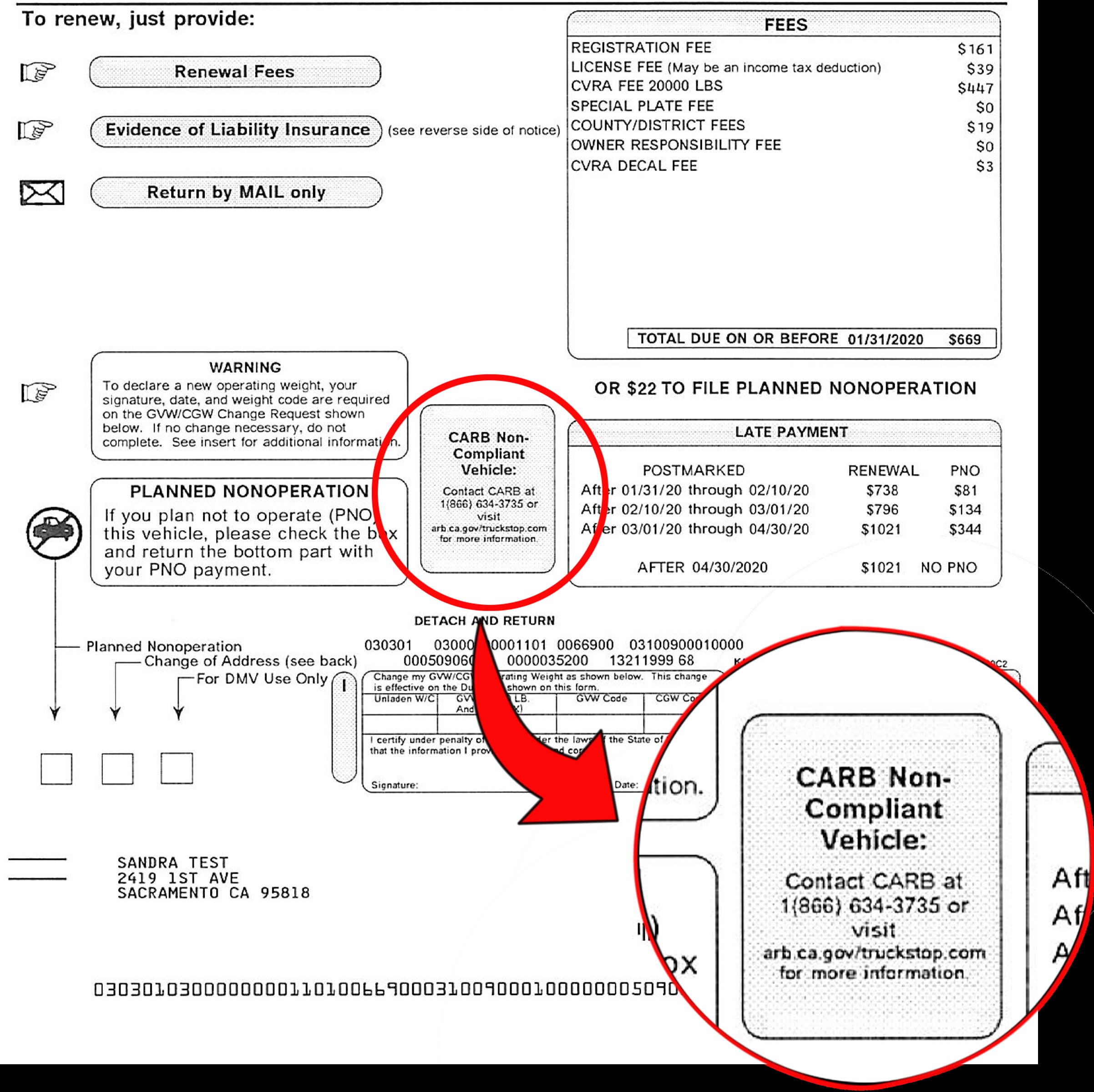
Decoding Your Registration Bill: Understanding Each Line Item
Your annual registration bill is more than just a lump sum; it’s a breakdown of various fees that contribute to the total. These often include a base registration fee, vehicle taxes (which may be based on the car’s value or weight), license plate fees, administrative processing charges, and potentially local or county-specific surcharges that fund specific community services (e.g., transit, roads). Taking the time to understand each line item empowers you to see exactly where your money is going. This transparency not only helps in budgeting but also allows you to question any discrepancies or unusual charges, preventing you from overpaying.
Proactive Budgeting for Annual Vehicle Ownership Costs
Registration renewal is a predictable annual expense, making it an ideal candidate for proactive budgeting. Rather than treating it as an unexpected lump sum, integrate it into your broader vehicle ownership budget, alongside insurance premiums, maintenance, fuel, and depreciation. Consider setting aside a small amount each month into a dedicated savings account. For example, if your annual registration is $240, setting aside $20 per month ensures that the funds are readily available when the renewal notice arrives, eliminating financial stress and preventing you from dipping into other critical funds or resorting to credit with interest. This strategy reinforces consistent financial discipline and prevents last-minute financial scrambling.
Optimal Payment Methods: Balancing Convenience, Security, and Cost
The DMV typically offers several payment options: online portals, mail-in, or in-person with cash, check, or credit/debit card. Each method has its own financial implications. Online payments offer convenience and save time and gas money from traveling to the DMV, but they may incur a small processing fee. Mailing a check avoids these fees but introduces a risk of delay or loss in transit, potentially leading to late fees if not sent well in advance. Paying in person allows for immediate processing but might involve waiting times and travel costs. If using a credit card, be aware of any transaction fees the DMV might impose. While using a credit card can offer rewards points or airline miles, ensure you can pay off the balance immediately to avoid high-interest charges that negate any benefits. Choose the method that best balances convenience, security, and minimizes additional costs for your specific financial situation.
Optimizing the Renewal Process: Financial Efficiency in Action
Efficiency is a cornerstone of sound financial management. By optimizing your approach to vehicle registration renewal, you not only save time but also tangible money, turning a potentially frustrating task into a smooth, cost-effective operation.
Leveraging Digital and Mail Options: The Time-is-Money Advantage
In an increasingly digital world, many DMVs offer online renewal portals or mail-in options. These alternatives are not just about convenience; they are about financial efficiency. Renewing online eliminates the need to travel to a physical DMV location, saving you gas money, parking fees, and, crucially, time. For those with hourly wages, this time saving translates directly into preserved income. Even if you’re salaried, the mental energy and physical effort saved can be redirected towards more productive or fulfilling activities. Mail-in options also bypass the DMV queue, but require careful planning to ensure documents are sent well in advance of the deadline, accounting for potential postal delays to avoid late penalties. By utilizing these streamlined methods, you’re actively reducing the indirect costs associated with the renewal process.
The Power of a Comprehensive Pre-Visit Checklist: Minimizing Rework
The adage “an ounce of prevention is worth a pound of cure” perfectly applies to DMV visits. Before embarking on your renewal, create and meticulously follow a personalized checklist of all required documents specific to your state and situation. This proactive step prevents the most common and costly mistake: arriving at the DMV only to discover you’re missing a crucial piece of paperwork. A single forgotten document can necessitate a second, third, or even fourth trip, each incurring additional travel costs (fuel, parking), time away from work or other obligations, and the frustration of repeated administrative processes. A well-organized checklist is your ultimate tool for minimizing rework, ensuring a single, successful visit, and maximizing the financial efficiency of your time.
Contingency Planning: What to Do If a Document is Missing
Despite the best preparations, sometimes a document goes missing. Having a contingency plan can prevent a financial spiral. If your title is lost, understand the process and cost for obtaining a duplicate. If your insurance card is missing, know how to quickly access a digital version or request a new physical card from your insurer. Many states offer temporary permits for a fee while you await official documents, allowing you to continue driving legally and avoid immediate fines. Researching these alternatives before you need them can save you from impulsive, expensive decisions born out of desperation. Knowing the steps, associated fees, and timelines for retrieving or replacing documents empowers you to navigate these setbacks with minimal financial impact.
Beyond Renewal: Holistic Financial Planning for Vehicle Lifecycles
Vehicle registration renewal, while seemingly a standalone task, is interwoven with the broader fabric of your financial life. Understanding these connections allows for more holistic and effective long-term financial planning.
The Interplay with Vehicle Sales and Transfers: Ensuring a Smooth Transaction
When it comes time to sell your vehicle, a clean and current registration history is paramount. An expired registration can complicate the sales process, creating doubt for potential buyers and potentially delaying the transfer of ownership. Furthermore, some states require the vehicle to have current registration at the time of sale. Failing to meet these requirements can lead to financial disputes, escrow holding funds, or even a reduced selling price to compensate for the buyer’s assumed hassle. Maintaining an up-to-date registration ensures a smooth, timely, and financially optimized transaction, allowing you to realize the full value of your asset when you decide to divest.
Registration and Your Credit Profile
While a lapsed registration doesn’t directly appear on your credit report like a missed loan payment, the indirect effects can be significant. Unpaid traffic tickets or escalating fines for expired registration can eventually be sent to collections agencies if ignored. These collection accounts will negatively impact your credit score, making it harder and more expensive to obtain loans for homes, cars, or other significant purchases. A good credit score is a financial asset, providing access to lower interest rates and better financial products. By diligently managing your registration, you contribute to an overall pattern of financial responsibility that indirectly protects and enhances your credit profile.

Long-Term Financial Health: Integrating Vehicle Costs into Your Wealth Strategy
Ultimately, viewing vehicle registration as part of a larger financial strategy encourages a proactive approach to all aspects of vehicle ownership. This might involve regularly reviewing your vehicle expenses to identify areas for savings, such as opting for more fuel-efficient or electric vehicles when it’s time to purchase a new car. It encourages consistent maintenance to prolong your vehicle’s lifespan, deferring the significant cost of replacement. By integrating these recurring administrative and operational costs into your comprehensive financial plan, you transform what could be a series of reactive expenses into predictable, manageable elements of your overall wealth-building journey.
Approaching your DMV registration renewal with a financial mindset transforms a mundane task into an opportunity for prudent financial management. By understanding the costs of delay and disorganization, meticulously preparing your essential documents, strategically managing fees, and optimizing the process, you not only fulfill a legal obligation but also reinforce sound financial habits. This preparedness safeguards your assets, protects your credit, and preserves your valuable time and money, proving that even the most routine administrative tasks can be powerful tools in your personal finance arsenal.
aViewFromTheCave is a participant in the Amazon Services LLC Associates Program, an affiliate advertising program designed to provide a means for sites to earn advertising fees by advertising and linking to Amazon.com. Amazon, the Amazon logo, AmazonSupply, and the AmazonSupply logo are trademarks of Amazon.com, Inc. or its affiliates. As an Amazon Associate we earn affiliate commissions from qualifying purchases.