
A legal name change is often a milestone event, marking a significant life transition such as marriage, divorce, or a personal rebranding of one’s identity. However, beyond the emotional and social aspects, a name change is a major administrative and financial undertaking. Your legal name is the primary key that links your identity to the global financial system. From your tax filings with the IRS to your credit history and retirement benefits, your name acts as the anchor for your economic life.
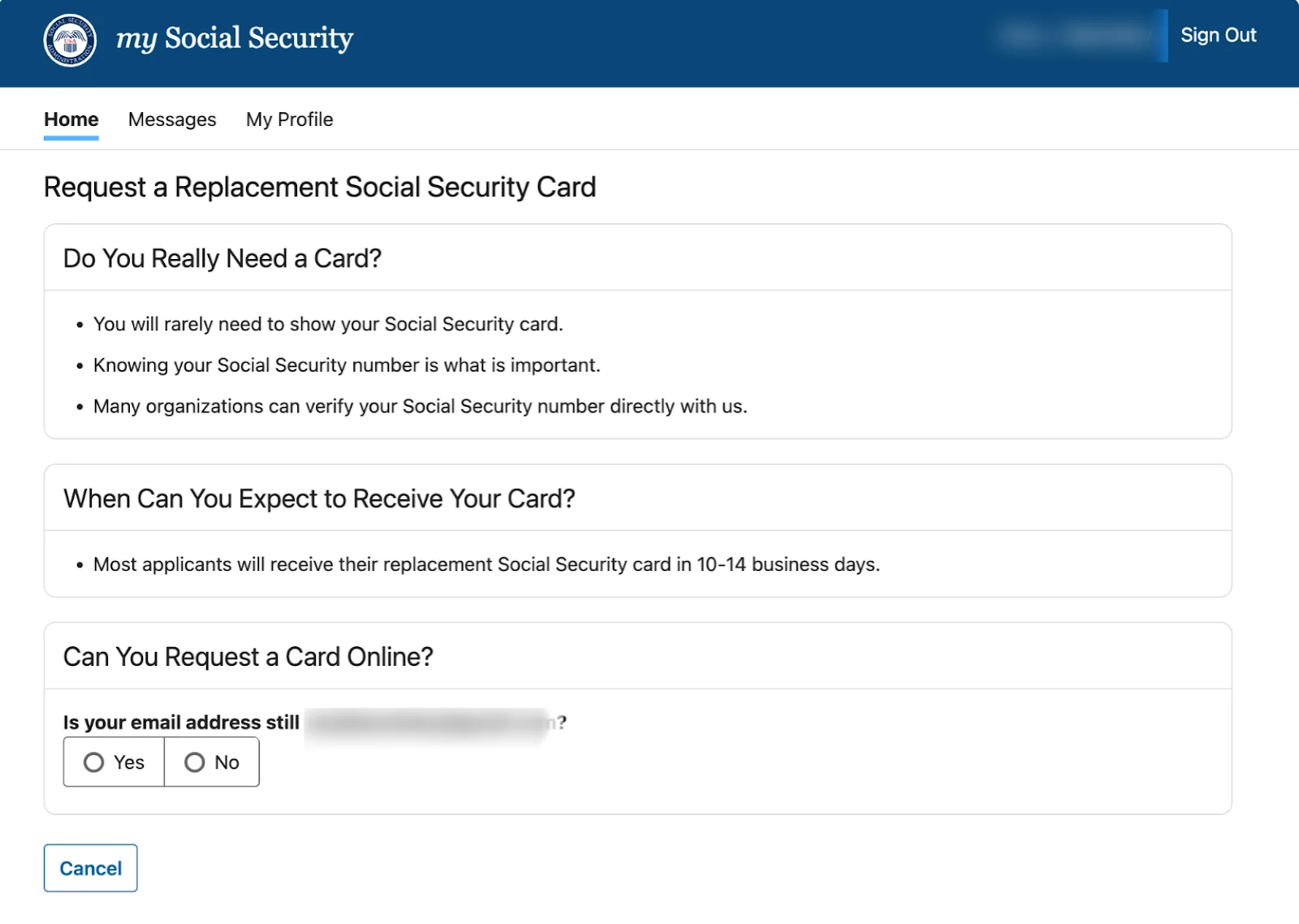
The most critical step in this process is visiting the Social Security Administration (SSA). Because your Social Security Number (SSN) is the foundation of your financial identity in the United States, failing to synchronize your new name with the SSA can lead to frozen bank accounts, rejected tax returns, and complications with payroll. This guide explores exactly what you need to bring to the Social Security office and how to navigate the subsequent financial ripple effects to ensure your personal economy remains stable.
The Social Security Administration: The Foundation of Your Financial Identity
Before you can update your driver’s license, passport, or bank accounts, you must update your records with the Social Security Administration. The SSA maintains the master record that other government agencies and financial institutions use to verify your identity. If the name on your tax return or your employment records does not match the name on file with the SSA, the financial consequences can be immediate and disruptive.
Required Documentation for the SSA
To change your name on your Social Security card, you cannot simply provide a verbal request. You must present specific, original documents (or copies certified by the issuing agency) to prove your identity, your citizenship, and the legal basis for the name change. Photocopies or notarized copies are generally not accepted.
First, you must complete Form SS-5, the Application for a Social Security Card. Along with this form, you will need:
-
Proof of Name Change: A marriage document, divorce decree, Certificate of Naturalization showing the new name, or a court order approving the name change.
-
Proof of Identity: A current, unexpired document showing your old name and identifying information (such as a driver’s license, state-issued ID, or passport).
-
Proof of U.S. Citizenship: Usually a birth certificate or passport, if this information is not already on file.
Why the SSA Update is the Catalyst for All Financial Changes
Updating the SSA is not just a bureaucratic formality; it is a financial necessity. The SSA shares data with the Internal Revenue Service (IRS). If you get married and change your name but fail to notify the SSA, and then file a joint tax return under your new name, the IRS computer systems will flag a “name mismatch.” This often results in a rejected electronic return or a significant delay in processing your tax refund. In the world of personal finance, a delayed refund can impact your cash flow and interest-earning potential.
Protecting Your Social Security Number (SSN) During the Transition
During the name change process, you will be handling sensitive original documents and receiving a new physical Social Security card in the mail. This is a period of heightened vulnerability for identity theft. Financial experts recommend monitoring your credit reports closely during the transition. Your SSN remains the same, but the “alias” (your new name) will be added to your credit profile. Ensuring that this link is established correctly is vital for maintaining your financial integrity.
Navigating the Tax and Employment Landscape
Once the Social Security Administration has processed your change, the next tier of financial management involves your income and tax liability. Your employer and the IRS need to be in perfect alignment to ensure that your contributions to Social Security and Medicare are credited to the correct account and that your tax withholdings are accurate.
IRS Alignment: Avoiding Tax Return Rejections
As mentioned, the IRS relies on SSA data. You do not typically need to notify the IRS separately of a name change; they will receive the update from the SSA. However, the timing is critical. If you change your name late in the tax year (December), it may take several weeks for the systems to sync. If you file your taxes in January, you might encounter an error. Financial advisors suggest waiting until you have the physical Social Security card in hand before filing any official tax documents to ensure the data has propagated through the federal systems.
Updating Your W-4 and Employer Records
Your payroll department is the source of your livelihood, and they must be notified immediately once your name is legally changed. You will need to provide your employer with a copy of your new Social Security card so they can update your Form W-2 information.
Furthermore, a name change is often a “qualifying life event” (like marriage) that allows you to adjust your Form W-4 (Employee’s Withholding Certificate). This is an excellent time to conduct a financial check-up. Are you withholding enough tax? Does your new marital status change your tax bracket? Aligning your name change with a broader review of your tax strategy can prevent a surprise bill during tax season.
Managing Self-Employed and Freelance Income Streams
For those in the “gig economy” or running a small business, a name change requires updating Form W-9 for every client or platform you work with. If you are a sole proprietor, your legal name is often tied directly to your Business Identification Number or SSN. Failing to update your clients can result in 1099 forms being issued in the wrong name, creating a reconciliation nightmare when you file your business taxes.

Rebranding Your Personal Assets: Banking, Credit, and Loans
Once the government records are settled, you must turn your attention to your private financial life. This includes your liquid assets, your debt obligations, and your credit reputation.
Updating Banking Institutions and Investment Accounts
Your bank is legally required to “Know Your Customer” (KYC) under federal anti-money laundering laws. To change your name on a bank account, you will usually need to visit a branch in person with your updated driver’s license and your new Social Security card.
Don’t forget to order new checks and debit cards. More importantly, review your automated clearing house (ACH) transfers. If you have direct deposits or automatic bill payments set up, ensure the names match to avoid transaction reversals. Investment accounts (brokerages, IRAs) also require updates to ensure that the “transfer on death” (TOD) or beneficiary instructions remain legally enforceable.
The Impact on Credit Scores and Credit Reporting Agencies
One common concern is whether a name change will “erase” or damage a credit score. The short answer is no. Credit reporting agencies (Equifax, Experian, and TransUnion) track you primarily by your Social Security Number. When you update your name with your credit card companies and lenders, they will report the new name to the bureaus.
However, there can be a “fragmented file” issue if some creditors use the old name and others use the new one. To prevent this, proactively contact your major creditors. This ensures that your long-standing credit history—which determines your interest rates for future loans—seamlessly carries over to your new legal identity.
Mortgage and Title Considerations
If you own real estate, your name is recorded on a deed or title. While you aren’t strictly required to update a property deed immediately, it can simplify things later when you decide to sell or refinance. Updating your name with your mortgage servicer is more urgent, as they need to issue 1098 forms (Mortgage Interest Statements) that match your IRS records for tax deduction purposes.
Insurance, Retirement, and Estate Planning
The final pillar of a name change involves long-term financial security. Insurance policies and estate documents are legal contracts; if the names on these contracts are outdated, it can lead to administrative friction during a claim or a legal challenge during probate.
Health, Life, and Disability Insurance Coverage
Insurance companies are notoriously strict about identity verification. If you are hospitalized and your health insurance card bears a different name than your government ID, it can cause significant billing delays. Similarly, for life insurance, ensure that both the policyholder’s name and the beneficiary designations are updated. You do not want a life insurance payout to be held up in legal limbo because the beneficiary’s legal name has changed since the policy was written.
Retirement Accounts and Beneficiary Designations
Your 401(k), 403(b), or pension plan is a major component of your net worth. Ensure these accounts reflect your new name to avoid issues with distributions later in life. This is also the ideal moment to review your beneficiary designations. Personal finance experts recommend a “beneficiary audit” every time a major life event occurs. Ensure that the people you want to inherit your wealth are listed by their current legal names as well.
Updating Legal Wills and Power of Attorney
A name change renders many parts of an old estate plan “cluttered.” While an old name in a will doesn’t necessarily invalidate the document (as long as the identity can be proven), it creates an extra hurdle for your executors. Updating your Will, Living Will, and Durable Power of Attorney ensures that your financial and medical wishes are carried out without the need for expensive “affidavits of identity” to prove that the person named in the document is the same person who has passed away or become incapacitated.

Conclusion: Financial Hygiene and the New Identity
Changing your name at the Social Security office is the first domino in a long line of financial updates. While the process may seem tedious, it is a vital exercise in “financial hygiene.” By methodically updating your records with the SSA, the IRS, your employer, your bank, and your insurance providers, you protect your credit score, ensure the continuity of your tax filings, and secure your long-term assets.
In the modern economy, your data is your currency. Ensuring that your legal identity is consistent across all financial platforms is the best way to prevent fraud, avoid bureaucratic delays, and maintain a professional and organized financial life. Whether you are moving toward a new marriage or a new personal beginning, taking the time to align your paperwork with your new name is a foundational step in building a secure financial future.
aViewFromTheCave is a participant in the Amazon Services LLC Associates Program, an affiliate advertising program designed to provide a means for sites to earn advertising fees by advertising and linking to Amazon.com. Amazon, the Amazon logo, AmazonSupply, and the AmazonSupply logo are trademarks of Amazon.com, Inc. or its affiliates. As an Amazon Associate we earn affiliate commissions from qualifying purchases.