
Embarking on the journey to Navy boot camp is a pivotal life decision, marking a significant transition from civilian life to military service. While the physical and mental demands are well-known, the financial aspects of this transition are often overlooked. “What to bring” extends beyond a mere packing list; it encompasses a comprehensive financial strategy to ensure a smooth, cost-effective, and stress-free entry into your naval career. This guide delves into the prudent financial planning essential for recruits, focusing on smart spending, budget management, and setting a robust financial foundation before and during your initial training.
Budgeting for Boot Camp Essentials
The first step in financially preparing for Navy boot camp is to establish a realistic budget for all necessary items. While the Navy provides a substantial amount of gear upon arrival, there are still personal items and pre-departure expenses that recruits are responsible for. A well-defined budget helps prevent overspending, identifies potential savings, and ensures you have everything you need without unnecessary financial strain.
Identifying Essential vs. Prohibited Items
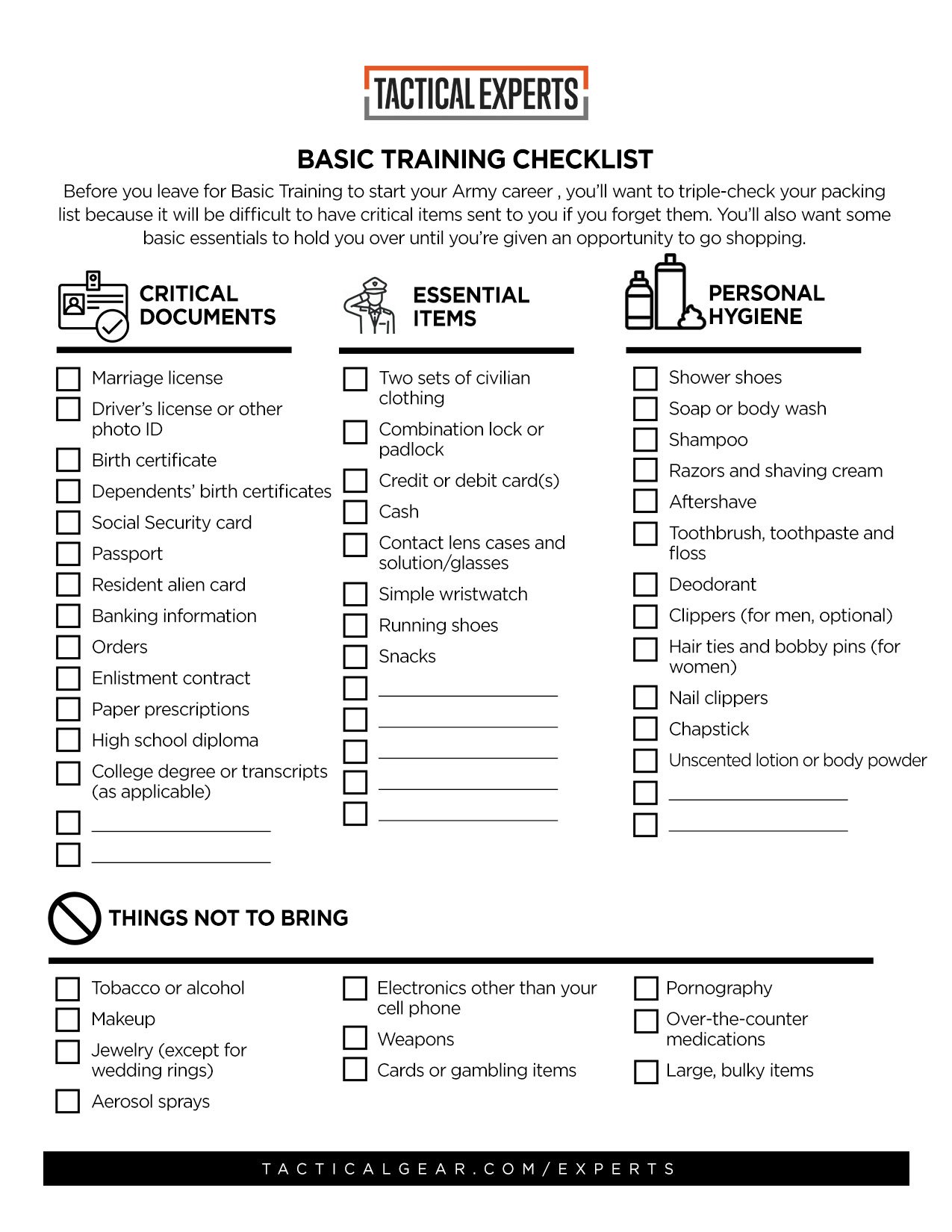
Before any purchases, it’s crucial to understand the official list of permissible and prohibited items. The Navy Recruit Training Command (RTC) typically provides detailed guidance on what recruits are allowed to bring. Sticking strictly to this list is not only about compliance but also a key financial decision. Bringing prohibited items risks confiscation, loss, and wasted money. Focus your budget on core essentials like proper identification, a limited amount of cash for emergencies (often under $20), necessary eyeglasses/contacts with prescriptions, a single pair of civilian clothes for travel, and possibly a non-electric toothbrush or minimal hygiene items if explicitly allowed. Avoid items like cell phones, excessive electronics, jewelry (beyond a wedding ring), or unapproved personal care products, as these will be secured or sent home at your expense.
Prioritizing Quality and Durability
For the few items you are permitted to bring or purchase before boot camp (such as eyeglasses or perhaps a specific type of watch if approved for travel/arrival), prioritize quality and durability over immediate cost savings. A robust pair of prescription glasses, for instance, might cost more upfront but will withstand the rigors of training far better than a flimsy, cheaper alternative, saving you from costly replacements or vision issues during a critical period. Similarly, any civilian travel clothing should be practical and durable. Investing wisely in these few select items minimizes future expenses and ensures reliability when you need it most.
Smart Shopping Strategies for Recruits
Maximizing your financial resources for boot camp preparation involves more than just a budget; it requires strategic shopping. From leveraging available discounts to understanding when and where to make purchases, smart shopping can significantly impact your bottom line.
Leveraging Military Discounts and Tax Exemptions
While pre-boot camp, you may not yet have official military ID, some retailers offer discounts to those who can prove their enlistment (e.g., with enlistment papers or a letter from their recruiter). It’s always worth inquiring. More broadly, once you are officially in the Navy, understanding sales tax exemptions for certain purchases (depending on state and specific item) and utilizing a wide array of military discounts available for everything from travel to essential services becomes a significant component of smart personal finance. For immediate boot camp needs, however, the primary financial strategy lies in careful selection and avoiding superfluous purchases.
Buying Used or Generic Where Appropriate
For the limited civilian items you might need for travel to boot camp—such as a basic duffel bag or a simple pair of shoes—consider buying used or generic brands if they meet the Navy’s specifications and your personal standards for quality. A serviceable, pre-owned duffel bag can be significantly cheaper than a new one, fulfilling its purpose for travel without tying up unnecessary capital. Similarly, if specific personal hygiene items are allowed, generic brands often provide the same efficacy as their brand-name counterparts at a fraction of the cost. The key is to assess if the item’s purpose justifies a premium price tag or if a more economical option suffices.
Avoiding Last-Minute Impulse Buys

The pressure and excitement leading up to boot camp can often lead to impulse purchases. Resist the urge to buy “extras” or unapproved items in the days or weeks before departure. Retailers near recruitment centers or military bases may market items specifically to new recruits, some of which may be unnecessary or even prohibited. Stick to your meticulously planned budget and approved item list. Every dollar saved on unnecessary purchases can be better allocated towards establishing a robust emergency fund or future investments once your naval career is underway.
Financial Management Before and During Training
Beyond the immediate packing list, preparing for Navy boot camp demands a holistic approach to personal finance. This includes setting up your financial affairs to run smoothly in your absence and understanding how your pay will be managed during your initial training period.
Automating Bills and Direct Deposit
Before departing for boot camp, ensure all recurring bills (student loans, car payments, insurance, credit cards, etc.) are set up for automatic payment. This prevents missed payments, late fees, and negative impacts on your credit score during a period when you’ll have limited access to external communication and financial management tools. Simultaneously, verify that your direct deposit information for your Navy pay is accurate and linked to your chosen bank account. You’ll receive your first paychecks during boot camp, and having this automated ensures your funds are accessible to your family or allocated as you intend, even if you can’t actively manage them.
Understanding Your Initial Compensation
New recruits often have questions about their pay during boot camp. It’s crucial to understand that your pay starts from your enlistment date, and you will begin receiving regular bi-weekly paychecks. However, a significant portion of your initial pay might be deducted for uniforms, gear, and other essentials provided by the Navy. While these are necessary expenses for your training and service, understanding these deductions helps manage expectations and prevents financial surprises. Your recruiter can provide estimates of your initial pay and deductions, enabling you to plan for a potentially lower initial disposable income.
Securing Important Financial Documents
Before leaving, gather and secure all essential financial documents. This includes bank account numbers, insurance policies, investment details, and any loan information. Designate a trusted family member or spouse with access to critical information (passwords, contact numbers for financial institutions) and the authority (if necessary, through a power of attorney) to manage your affairs in your absence. This preemptive measure safeguards your financial well-being and provides peace of mind, knowing your finances are in capable hands while you focus on training.
Long-Term Financial Planning Post-Boot Camp
While “what to bring” focuses on immediate needs, successful entry into the Navy also lays the groundwork for long-term financial stability. Boot camp is the first step in a career that offers numerous financial benefits and opportunities for growth, which you should be prepared to leverage.
Setting Up Savings and Investment Habits
Once you complete boot camp and begin your permanent duty station, leverage your steady income and relatively low cost of living (especially if living in barracks) to establish robust savings and investment habits. Consider setting up automatic transfers from your checking to a savings account, building an emergency fund, and exploring investment options like the Thrift Savings Plan (TSP), which is the federal government’s equivalent to a 401(k) for military members. The early adoption of these habits can lead to significant wealth accumulation over your career.

Utilizing Military Benefits Wisely
The Navy offers a comprehensive suite of financial benefits, including healthcare, educational assistance (like the GI Bill), housing allowances, and various forms of insurance. Educate yourself on these benefits and plan to utilize them wisely. For example, understanding how Basic Allowance for Housing (BAH) works can help you make informed decisions about living arrangements, and planning to use your educational benefits can save you tens of thousands in future tuition costs. Integrating these benefits into your overall financial strategy from the outset will maximize your financial growth and security throughout your naval service and beyond.
aViewFromTheCave is a participant in the Amazon Services LLC Associates Program, an affiliate advertising program designed to provide a means for sites to earn advertising fees by advertising and linking to Amazon.com. Amazon, the Amazon logo, AmazonSupply, and the AmazonSupply logo are trademarks of Amazon.com, Inc. or its affiliates. As an Amazon Associate we earn affiliate commissions from qualifying purchases.