
Embarking on Army Basic Training is a transformative step, marking the beginning of a challenging yet rewarding career. While much focus is rightly placed on physical and mental readiness, financial preparedness is an often-overlooked yet critical component. Ensuring your finances are in order before you depart, and understanding how to manage them during your training, can significantly reduce stress and allow you to fully concentrate on the rigors of military life. This guide delves into the essential financial items, documents, and strategies you need to bring — metaphorically and literally — to ensure a smooth financial transition into military service in 2024.
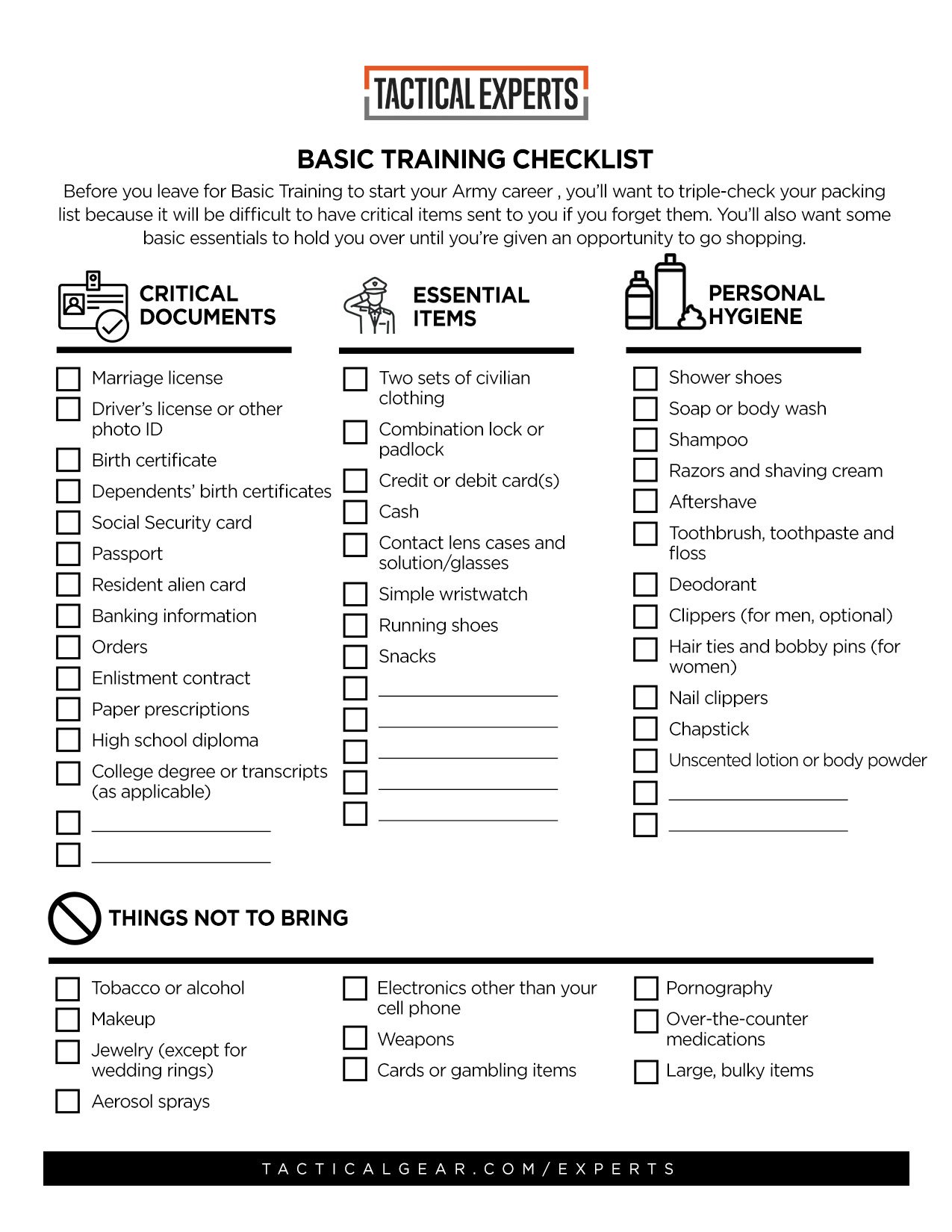
Essential Financial Documents and Information
The bureaucratic aspects of joining the military require a robust collection of personal and financial documentation. Neglecting to bring these vital papers can lead to delays in pay, benefits, and administrative processing. Think of these not just as papers, but as the keys to your financial stability while you are away and unable to access them readily.
Identification and Banking Details
First and foremost, you will need proof of identity. While your recruiting office will guide you on primary identification (like a driver’s license or state ID), also consider a physical copy of your Social Security card. This is critical for payroll and tax purposes. Regarding banking, you will establish direct deposit for your military pay. Having your bank account and routing numbers readily available, or even a voided check from your existing account, can expedite this process. While many recruits will establish new accounts with military-friendly banks or credit unions during in-processing, having current account information ensures a backup or smooth transition if needed. It’s also wise to bring a debit card for a small amount of initial spending money, though cash will also be necessary. Ensure your bank knows you will be in a training environment so they don’t flag legitimate transactions.
Dependent Support Information
If you have dependents – a spouse, children, or other individuals you financially support – their information is paramount. You will need their full legal names, dates of birth, Social Security numbers, and potentially marriage certificates or birth certificates. This data is vital for setting up allotments, BAH (Basic Allowance for Housing) if applicable, and ensuring they receive necessary healthcare and support benefits. Clearly documented information, perhaps in a sealed envelope marked “Financial Dependents,” can save considerable stress during in-processing, allowing you to quickly establish their official status with the military.
Insurance and Emergency Contacts
Beyond basic identification, consider bringing copies of any existing insurance policies — health, auto, or life insurance. While the military will provide health coverage, understanding your current policies can inform decisions about cancelling or suspending them. More importantly, have a well-organized list of emergency contacts, including their full names, relationship, phone numbers, and email addresses. Designate a trusted individual (often a parent, spouse, or sibling) who can act on your behalf if an emergency arises and you are unreachable. This individual should also have access to critical financial information (account numbers, passwords for online bill pay, etc.) under strict instructions, potentially via a limited power of attorney, to manage your affairs.
Managing Your Money During Basic Training
Basic Training is a controlled environment with limited access to personal funds. Understanding your pay and how to manage the sparse opportunities for spending is key to avoiding unnecessary financial stress and maximizing your savings.
Understanding Basic Training Pay
As an E-1 (Pvt), your pay will start the day you ship out. Your initial pay will be automatically deposited into your designated bank account, typically bi-monthly. It’s crucial to understand that this pay is taxable and subject to deductions for SGLI (Servicemembers’ Group Life Insurance) and other minor fees. While the amount might seem modest, remember that your essential needs — food, lodging, uniforms, and medical care — are provided, drastically reducing your living expenses. This means a significant portion of your pay can be saved or used for pre-existing financial obligations.
Accessing Funds: Debit Cards, Cash, and Allotments
Direct deposit is the primary method for receiving your pay. While you will have limited access to ATMs during basic training, a debit card will be necessary for your first “PX run” (Post Exchange, the on-base store). Bring a small amount of cash (e.g., $50-$100) for immediate needs, as ATM access might not be immediate. Critically, consider setting up discretionary allotments. These are automatic deductions from your pay that go directly to another bank account (e.g., a savings account, or to your spouse’s account) or to pay off a recurring bill (like a car payment or student loan). Setting these up early ensures your financial obligations are met even if you have no direct access to your funds. This disciplined approach can prevent late fees and maintain your credit score.
Budgeting for Allowances and Needs
During basic training, your spending will be minimal. Your primary expenses will likely be hygiene products, stamps, calling cards, and perhaps some snacks or small comfort items during limited PX visits. Create a simple budget beforehand, factoring in any recurring bills you’ve set up allotments for. The remaining discretionary income should ideally go into savings. Resist the temptation to overspend during your brief PX opportunities; every dollar saved now can contribute to a stronger financial foundation post-training. This period is an excellent opportunity to practice extreme frugality and build a savings habit that will serve you throughout your military career.
Pre-Basic Training Financial Considerations
Before you even step on the bus to basic training, there are critical financial tasks to complete. These proactive measures ensure your financial life continues uninterrupted while you are isolated from external communication and unable to manage day-to-day affairs.
Setting Up Your Finances for Absence

Your absence from civilian life means you won’t be able to pay bills, respond to mail, or manage investments as usual. Automate all recurring payments as much as possible – utilities, rent/mortgage, credit cards, student loans. If direct debits aren’t feasible, consider setting up online bill pay through your bank or using specific financial apps. Cancel or freeze any subscriptions you won’t use (gym memberships, streaming services, etc.). Forward your mail to a trusted family member who can sort through it and alert you to anything critical. This step alone can prevent late payments and potential damage to your credit score.
Power of Attorney and Trusted Contacts
For more complex financial situations or emergencies, consider executing a limited Power of Attorney (POA) for a trusted individual. This legal document grants someone the authority to act on your behalf in specific financial matters, such as accessing bank accounts, signing documents, or making investment decisions. Discuss the scope of this POA thoroughly with your chosen agent and ensure they understand your wishes. Provide them with a clear list of all accounts, passwords (stored securely, not just handed over), and contact information for your financial institutions. This is particularly important for individuals with significant assets, dependents, or ongoing business interests.
Debt Management and Bill Payments
Before leaving, take stock of all your debts: credit cards, student loans, car payments, personal loans. Prioritize making extra payments if possible to reduce balances, especially on high-interest debt. For student loans, inquire about military deferment or interest rate reduction options under the Servicemembers Civil Relief Act (SCRA) – though these typically apply once you’re officially on active duty. Ensure that all ongoing bills have a clear payment plan established, whether through automation, allotments, or management by your trusted POA. The goal is to return from basic training with your credit score intact and no new financial burdens.
Avoiding Financial Pitfalls and Scams
The military community, especially new recruits, can unfortunately be targets for various scams and predatory financial practices. Vigilance and informed decision-making are your best defenses.
Safeguarding Personal and Financial Information
During basic training, you will be inundated with official paperwork. Always verify the authenticity of any request for your personal identifying information (PII) or financial details. Be extremely cautious about sharing your Social Security number, bank account numbers, or other sensitive data outside of official, verified channels during in-processing. Your drill sergeants and cadre will guide you on appropriate procedures. Never carry your Social Security card on your person; keep it secured with your other important documents.
Recognizing Common Military Scams
Be aware of scams targeting service members, which can range from predatory lenders offering high-interest loans (avoid these at all costs) to fake charities or investment schemes. Scammers often use urgency or emotional appeals. Remember, if an offer sounds too good to be true, it almost certainly is. The military provides excellent resources for financial counseling and guidance; always consult official sources or trusted financial advisors for significant decisions. Never give money or personal details to anyone promising special military benefits or quick wealth.
Resources for Financial Assistance and Advice
The military offers a wealth of financial resources. Military OneSource provides free financial counseling and education, both for service members and their families. Your installation’s Personal Financial Management Program (PFMP) office can offer personalized advice on budgeting, debt management, and investing. Utilize these services; they are there to help you make informed financial decisions and navigate the unique financial landscape of military life.
Post-Basic Training Financial Planning
Basic training is just the beginning. The financial habits and plans you establish now will lay the groundwork for your entire military career and beyond. Use this foundational period to prepare for future financial growth.
Reassessing Your Financial Goals
Once you complete basic training and move to your AIT (Advanced Individual Training) or first duty station, take time to reassess your financial goals. Your income will increase, and you’ll have more autonomy. Consider what you want to achieve: paying off debt, buying a car, saving for a home, or pursuing higher education. Align your spending and saving habits with these long-term aspirations.
Building an Emergency Fund
One of the most crucial financial steps for any service member is building a robust emergency fund. Aim for 3-6 months’ worth of living expenses in an easily accessible savings account. This fund provides a safety net for unexpected costs, such as car repairs, medical emergencies, or family crises, preventing you from going into debt. Military life can be unpredictable, and an emergency fund offers invaluable peace of mind.

Investing for the Future
As soon as your finances are stable and an emergency fund is in place, begin exploring investment options. The Thrift Savings Plan (TSP) is a government-sponsored retirement savings and investment plan, similar to a 401(k), with excellent low-cost funds. If you are under the Blended Retirement System (BRS), contributing to the TSP is essential to receive matching contributions from the government – effectively free money for your retirement. Don’t delay starting; thanks to the power of compound interest, even small, consistent contributions early in your career can grow significantly over time. Understanding basic investing principles now will set you on a path to long-term financial security.
aViewFromTheCave is a participant in the Amazon Services LLC Associates Program, an affiliate advertising program designed to provide a means for sites to earn advertising fees by advertising and linking to Amazon.com. Amazon, the Amazon logo, AmazonSupply, and the AmazonSupply logo are trademarks of Amazon.com, Inc. or its affiliates. As an Amazon Associate we earn affiliate commissions from qualifying purchases.