
Preparing for a C-section delivery involves a unique set of considerations, and while the focus is often on comfort and practical necessities, approaching your hospital bag packing with a strategic financial mindset can yield significant dividends. Every item chosen, every purchase made, or even every item not bought, impacts your personal finances. This isn’t just about saving money; it’s about smart allocation of resources, maximizing value, and ensuring your financial well-being supports your physical and emotional recovery during one of life’s most significant transitions.
Budgeting for Your C-Section Hospital Stay
The foundation of smart packing for a C-section lies in a well-considered budget. Before you even think about specific items, understand the financial landscape of your hospital stay and postpartum recovery.

Prioritizing Essentials vs. Nice-to-Haves
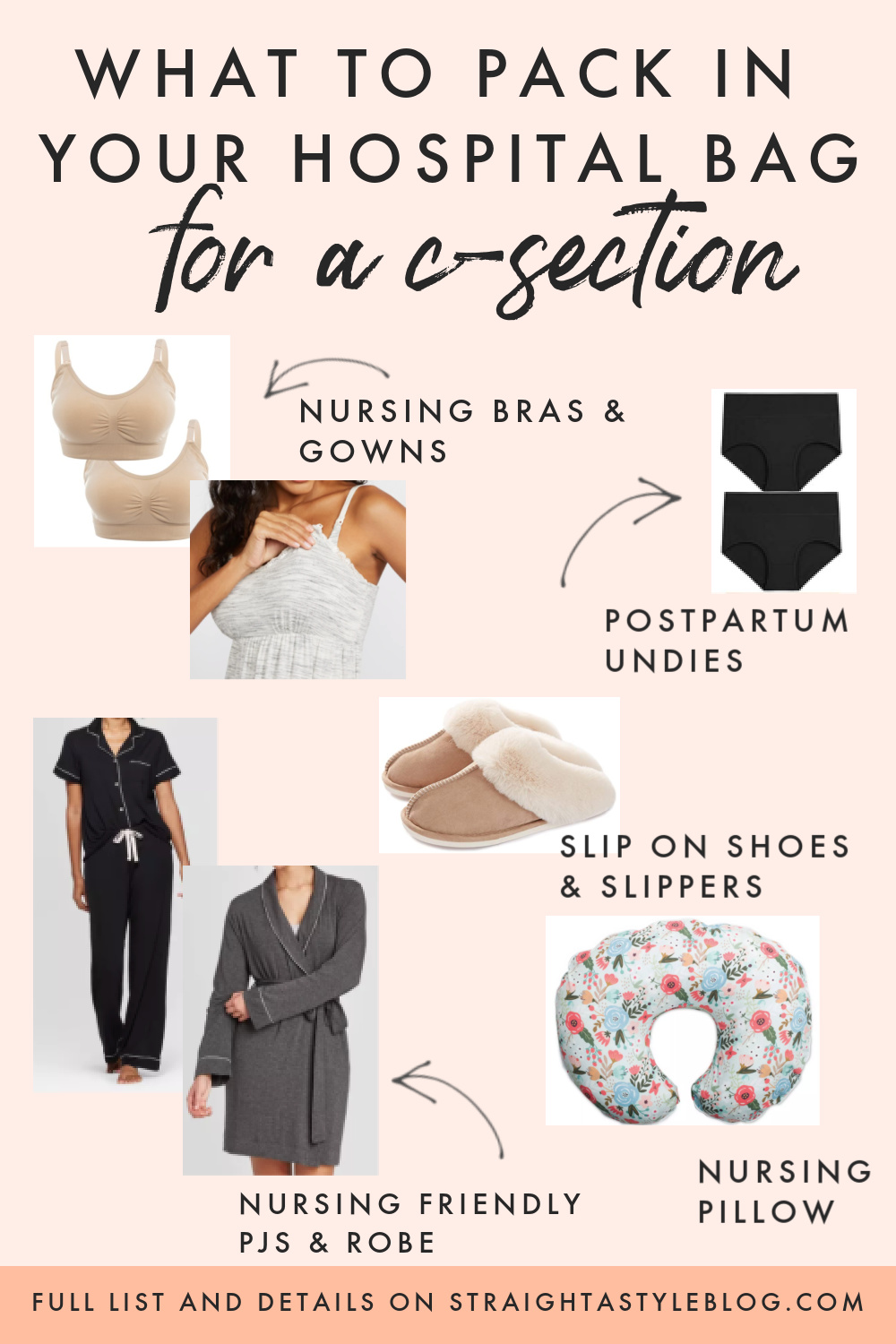
Every dollar spent should contribute meaningfully to your recovery or the baby’s immediate needs. Distinguish between absolute essentials and items that, while comforting, might stretch an already tight budget. For example, medical-grade compression socks could be deemed an essential investment for preventing blood clots post-surgery, offering a clear health and long-term cost-saving benefit by averting complications. In contrast, a designer nursing pillow, while lovely, might fall into the ‘nice-to-have’ category if a more budget-friendly or even borrowed alternative serves the same function. Create a tiered list: ‘Must-Have,’ ‘Should-Have,’ and ‘Could-Have.’ This framework helps you allocate funds where they offer the highest return on investment in terms of health and recovery. Focus on items that directly address the specific needs of C-section recovery, such as high-waisted underwear to protect the incision, which offers superior value compared to regular underwear that might irritate the surgical site and impede healing.
Leveraging Insurance and Hospital Provisions
Before purchasing anything, conduct due diligence on what your health insurance plan covers and what the hospital provides. Many hospitals offer a range of postpartum necessities, including mesh underwear, sanitary pads, basic toiletries, and sometimes even a few diapers and wipes for the baby. While these might not be the most luxurious options, they are free and perfectly functional. Over-purchasing these items before understanding hospital provisions is a common financial misstep. Call the labor and delivery unit directly to inquire about their standard offerings. Furthermore, some durable medical equipment (DME) like breast pumps may be fully covered by your insurance, making a pre-emptive purchase an unnecessary expense. Understanding your benefits can help you avoid redundant spending and reallocate those funds to items not covered but deemed essential for your comfort.
Cost-Effective Sourcing: Borrow, Buy Secondhand, or DIY
Not everything needs to be brand new or expensive. Many maternity and baby items have a short usage window, making them ideal for cost-effective sourcing. Consider borrowing a breast pump from a friend (if allowed by insurance and sanitization protocols), or checking local ‘Buy Nothing’ groups for gently used maternity wear, nursing pillows, or even baby swaddles. Websites and apps dedicated to secondhand baby gear often provide excellent quality items at a fraction of the retail price. For items like a comfortable bathrobe, a DIY approach by simply using an existing soft robe from home can save you from buying a specialized ‘maternity’ version. This strategy significantly reduces upfront costs, allowing you to save for higher-ticket items or to build an emergency fund for unexpected postpartum expenses.
Investing in Post-Operative Comfort and Recovery
While the immediate focus on a C-section recovery is physical, the financial investment in your comfort can pay dividends in accelerated healing, reduced stress, and ultimately, a smoother transition into parenthood. These aren’t just expenditures; they are investments in your well-being.
Strategic Purchases for Pain Management and Mobility
C-section recovery necessitates specific items to manage pain and aid mobility, and choosing wisely here can prevent complications that incur greater costs later. High-waisted, soft underwear designed for C-section recovery, for instance, isn’t a luxury; it’s a crucial investment that protects the incision, prevents irritation, and supports abdominal muscles. While they might cost more than a multi-pack of regular underwear, the value in comfort and reduced risk of infection or discomfort far outweighs the price difference. Similarly, a support binder, often recommended by medical professionals, provides crucial abdominal support, aiding mobility and reducing pain. This can lead to a quicker return to light activities and potentially reduce reliance on pain medication, offering both health and indirect financial benefits. Investing in a quality water bottle with a straw can also be strategic; staying hydrated is vital for recovery, and ease of access promotes consistent fluid intake, preventing dehydration-related complications that could extend hospital stays or necessitate further medical attention.
Comfort Items as an Investment in Mental Well-being
The emotional toll of a C-section recovery can be significant, and overlooked comfort items can play a vital role in supporting mental well-being, which indirectly impacts financial health by potentially reducing the need for mental health support later on. Bringing your own pillow from home, for example, is a low-cost item with high returns. The familiarity and comfort can significantly improve sleep quality in an unfamiliar hospital environment, aiding physical recovery and reducing stress. Similarly, noise-canceling headphones, while an initial outlay, can provide a sanctuary from hospital noise, allowing for rest and mental recharge. These small investments in personal comfort can contribute to a more positive recovery experience, mitigating the stress that can exacerbate pain or prolong healing, thereby preventing potential secondary costs associated with prolonged distress.
The Long-Term Value of Quality Recovery Gear

Some items, though seemingly an upfront expense, offer long-term value that makes them financially sound choices. A good quality nursing bra, for instance, provides essential support and comfort during the several months of breastfeeding or postpartum recovery. Investing in a few well-fitting, comfortable nursing bras can prevent discomfort, blocked ducts, or other issues that might lead to medical consultations. Another example is a comfortable, easy-to-wear robe or loungewear. While not strictly medical, a few versatile pieces that are easy to put on and take off, accommodate incision sites, and facilitate nursing can serve you well throughout the postpartum period, reducing the need for an entirely new wardrobe and making daily life more manageable, allowing you to focus energy on recovery and baby care rather than wardrobe struggles.
Financial Foresight: Avoiding Last-Minute Expenses
One of the most effective ways to manage the financial impact of a C-section hospital stay is through proactive planning. Last-minute purchases are almost invariably more expensive, less suited to your needs, and add unnecessary stress.
Pre-Planning Purchases to Prevent Price Hikes
Delaying purchases until the last minute often forces you to buy at full price, from limited local options, or with expedited (and costly) shipping. Strategic shoppers begin compiling their hospital bag list and acquiring items several weeks or even months in advance. This allows time to comparison shop online, wait for sales, or use coupons. For instance, stocking up on specific postpartum pads, high-waisted disposable underwear, or baby essentials like diapers and wipes when they are on sale can result in substantial savings over time. Similarly, acquiring a comfortable nursing nightgown or robe during seasonal clearance events means you’re not paying a premium for a “maternity” label closer to your due date. This pre-planning approach ensures you get the best value for your money.
Bulk Buying and Sales for Maternity Essentials
Leverage bulk buying opportunities and sales events for non-perishable maternity and baby essentials. Items such as postpartum pads, large-size underwear, breast pads, and specific toiletries like gentle soap or dry shampoo are often available in larger, more economical packs. Subscribing to email lists of your favorite retailers can alert you to sales, allowing you to purchase these items at a discount. While it might seem counterintuitive to buy in bulk for a hospital bag, many of these items will be used well into the postpartum period. This strategy not only saves money per unit but also reduces the number of trips you’ll need to make to the store post-delivery, saving time and transportation costs during a period when mobility and energy are limited.
Preparing for Post-Discharge Needs
Your financial foresight should extend beyond the hospital stay. Many items you pack for the hospital bag will also be crucial for your initial weeks at home. Ensure you have enough supplies to last you at least a week or two post-discharge, minimizing urgent trips to the store when you’re still recovering. This includes extra postpartum pads, comfortable clothing suitable for a recovering C-section incision, and personal hygiene products. Having these readily available at home eliminates the need for expensive convenience store purchases or reliance on family members to pick up items last minute, which can sometimes result in less cost-effective choices. Thinking ahead means your recovery at home is as financially smooth as possible.
Beyond the Bag: Financial Preparations for the Fourth Trimester
The financial implications of a C-section and the postpartum period extend far beyond the contents of your hospital bag. Strategic planning for the ‘fourth trimester’ can significantly mitigate financial stress.
Meal Prep and Delivery Services: A Cost-Benefit Analysis
During C-section recovery, cooking can be challenging. Investing in pre-made meals or leveraging meal delivery services might seem like an added expense, but a careful cost-benefit analysis often reveals their financial value. Calculate the cost of ingredients, your time, and the potential for food waste if you’re too tired to cook. Compare this against the cost of a week’s worth of healthy, pre-prepared meals. Often, the mental load reduction, nutritional benefits, and avoidance of expensive takeout or unhealthy impulse buys can make these services a financially smart choice. Family and friends offering to bring meals is another invaluable, cost-free option that should be embraced.
Childcare and Support Networks: Hidden Financial Assets
If you have other children, planning for their care during your hospital stay and initial recovery is a critical financial consideration. Relying on family, close friends, or a trusted neighbor can be a cost-effective solution compared to hiring temporary childcare. Even if you do opt for paid help, pre-arranging it ensures you get competitive rates and avoid emergency surcharges. Furthermore, establishing a strong support network for household chores, errands, and emotional support can be a hidden financial asset. Outsourcing these tasks to paid services when you’re recovering can quickly add up, whereas leveraging a supportive community can save significant amounts, allowing you to focus purely on healing and bonding with your new baby.
Budgeting for Unexpected Postpartum Costs
Despite meticulous planning, unexpected costs can arise during the postpartum period. These might include additional doctor visits for you or the baby, specialist consultations, or even unexpected purchases of baby items you didn’t anticipate needing. Establishing a dedicated “postpartum buffer fund” within your personal finance strategy is prudent. Even a modest amount set aside can alleviate stress when these unforeseen expenses occur, preventing you from dipping into emergency savings or relying on credit cards. This financial buffer provides peace of mind, allowing you to focus on what truly matters: your recovery and your growing family.
aViewFromTheCave is a participant in the Amazon Services LLC Associates Program, an affiliate advertising program designed to provide a means for sites to earn advertising fees by advertising and linking to Amazon.com. Amazon, the Amazon logo, AmazonSupply, and the AmazonSupply logo are trademarks of Amazon.com, Inc. or its affiliates. As an Amazon Associate we earn affiliate commissions from qualifying purchases.