
Finding a new place to live is often treated as an emotional or aesthetic journey—finding the right light, the perfect layout, or a neighborhood with the right “vibe.” However, from a personal finance perspective, a lease is one of the most significant legal contracts you will ever sign. For most individuals, rent represents the largest single line item in their monthly budget, often consuming 30% to 50% of their net income. Because this expenditure has such a profound impact on your ability to save, invest, and build wealth, the process of looking at apartments must be approached with the rigor of a financial audit.
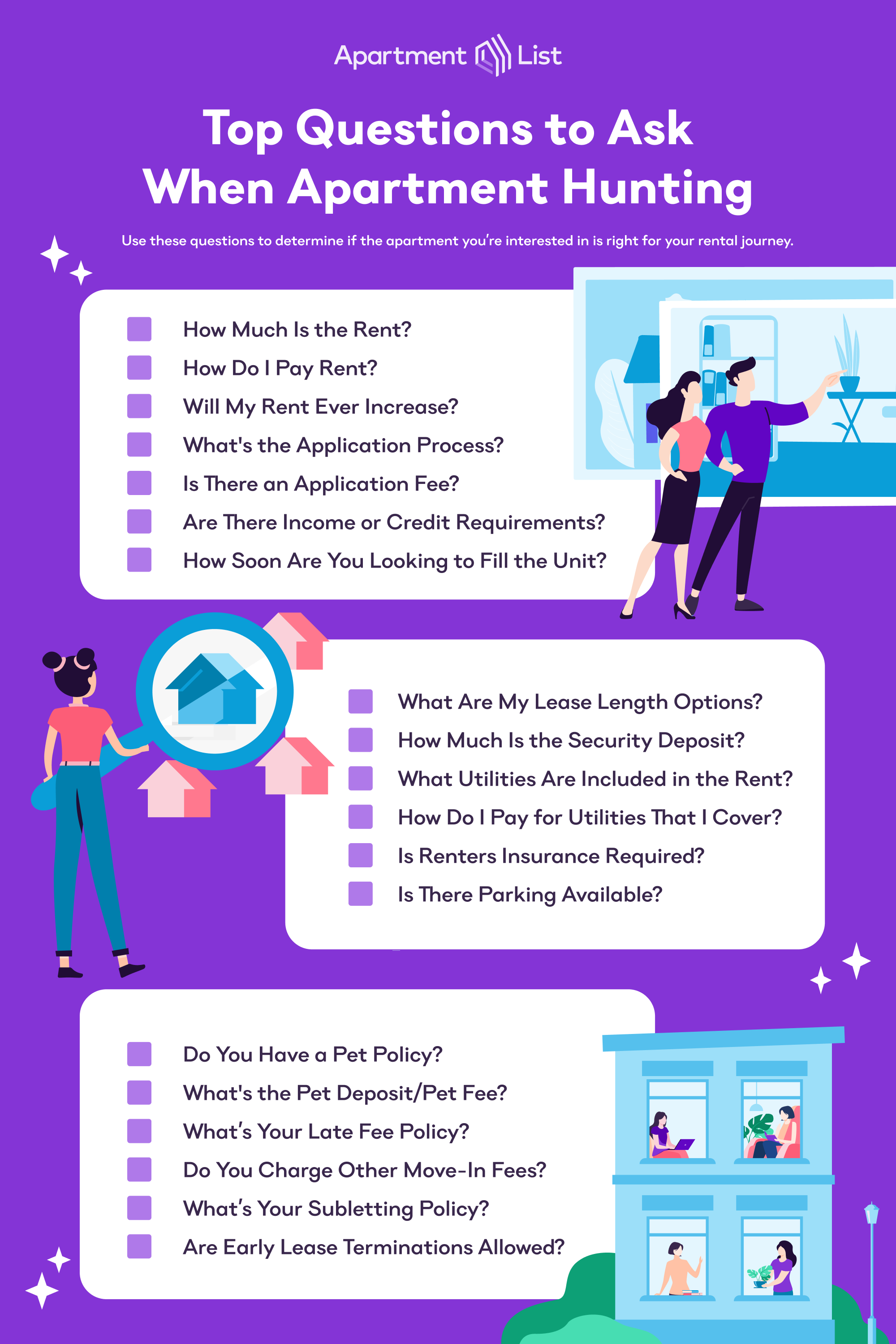
Asking the right questions during a walkthrough isn’t just about ensuring the faucets work; it is about uncovering the hidden costs that can derail your financial goals. To treat your next move as a strategic financial decision, you must look beyond the sticker price and interrogate the fiscal reality of the property.
Evaluating the True Cost of Rent and Living Expenses
The “market rent” listed on a flyer is rarely the total amount that leaves your bank account every month. To maintain a strict budget, you must identify every variable cost associated with the unit.
Decoding the Rent-to-Income Ratio and Net Effective Rent
When a leasing agent quotes a price, the first question should be whether that is the “base rent” or the “net effective rent.” In many competitive markets, landlords offer concessions, such as “one month free on a 13-month lease.” While this lowers the average cost over the first year, you need to know the “gross rent”—the amount you will actually pay each month after the concession period ends. If you cannot afford the gross rent, you are setting yourself up for a financial crisis when the lease renews without the incentive. Always ask: “What is the gross rent, and how will my monthly payments be structured?”
Uncovering Hidden Fees and Service Charges
Modern property management has moved toward a “line-item” fee structure similar to the airline industry. Beyond the base rent, there are often mandatory monthly charges that are not negotiable. You must ask for a full breakdown of “ancillary fees.” These may include:
- Valet Trash: A mandatory fee (often $25–$50) for doorstep trash pickup.
- Pest Control: A monthly surcharge for building-wide prevention.
- Common Area Maintenance (CAM): Charges for lighting and cleaning the hallway or gym.
- Technology Packages: Forced subscriptions to specific internet or cable providers.
- Parking Fees: Whether a spot is included or requires an additional $100–$300 monthly commitment.
Accumulated, these fees can easily add $200 or more to your monthly overhead, significantly altering your debt-to-income ratio.
Utility Forecasting and Efficiency
Utilities are the most common “stealth” expense in renting. When touring, ask the agent for the average utility costs for the unit over the last twelve months. Specifically, ask: “Is the water sub-metered for this unit, or is the building’s total bill split among residents?” Ratio Utility Billing Systems (RUBS) can be financially unpredictable, as you may end up paying for your neighbor’s excessive water usage. Additionally, inquire about the age of the HVAC system and the quality of the insulation. A cheaper apartment with an outdated, inefficient heating system can cost significantly more in the winter than a slightly more expensive, modern unit.
Financial Implications of the Lease Agreement
The lease agreement is a financial instrument that dictates your liability. Understanding the terms before you sign is essential for protecting your liquidity and credit score.
Security Deposits and Escrow Practices
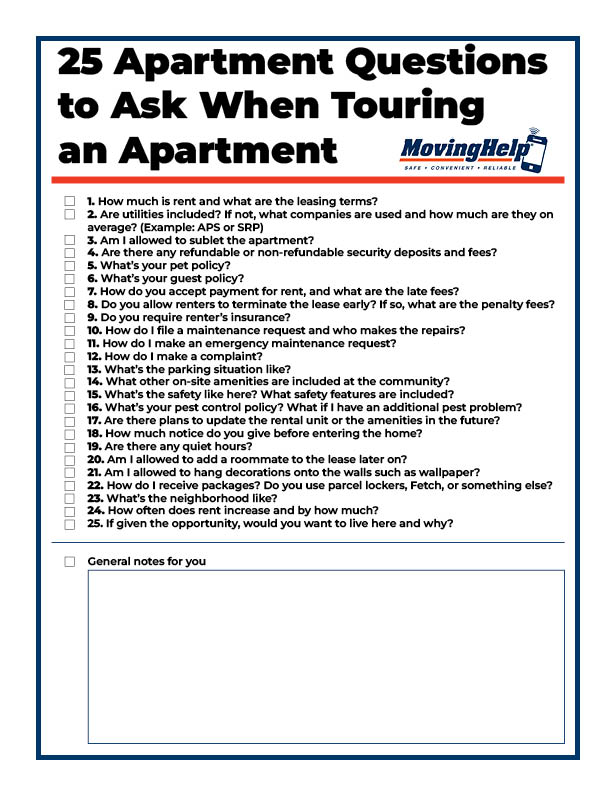
The security deposit is your capital being held by a third party. You need to know exactly how it is protected. Ask: “In which bank and type of account will my security deposit be held?” In many jurisdictions, landlords are required to keep these funds in interest-bearing escrow accounts, and that interest should technically belong to you. Furthermore, ask for a “move-in/move-out” checklist. Understanding the landlord’s definition of “normal wear and tear” versus “damage” is the difference between getting your $2,000 back or losing it to a disputed carpet cleaning fee.
Rent Escalation Clauses and Renewal Terms
Financial planning requires predictability. You should ask: “What has been the average rent increase for renewing tenants over the last three years?” While a landlord cannot predict the future market, their historical behavior indicates their brand strategy—whether they value long-term tenant retention or prefer high turnover at maximum market rates. Also, check if the lease includes an “automatic renewal” clause or if it converts to a month-to-month agreement. Month-to-month options offer flexibility but often come with a heavy “convenience premium” that can increase rent by 10% to 20%.
Termination Fees and Subletting Rights
Life is unpredictable. Career changes, family emergencies, or unexpected opportunities may require you to move before your lease expires. From a risk management perspective, you must know the “buyout” price. Ask: “What is the financial penalty for breaking the lease early?” Common terms include a two-month rent penalty plus the forfeiture of the security deposit. Additionally, ask about subletting or lease reassignment. If you can find a qualified replacement tenant, you may be able to exit the contract without a massive financial loss. If the landlord prohibits subletting entirely, your financial risk increases.
Assessing the Long-Term Asset Value and Opportunity Cost
Renting is often framed as “throwing money away,” but it is actually a service purchase that frees up capital for other investments. To ensure you are getting the best “return” on your rent, you must evaluate the opportunity costs.
Location Economics and Commuter Costs
The price of an apartment is inextricably linked to its location. A unit that is $300 cheaper but requires a 45-minute commute may actually be a poor financial choice. Calculate the cost of fuel, vehicle depreciation, tolls, or public transit passes. More importantly, calculate the “value of your time.” If you spend 10 hours a week commuting, that is 40 hours a month—the equivalent of a full work week. If your hourly earning potential is $50, you are effectively “spending” $2,000 worth of time every month on the road. Ask yourself: “Does the lower rent offset the increased transportation expenses and the loss of billable or personal time?”
Amenities vs. External Memberships
Many high-end apartments justify their premiums with luxury amenities like fitness centers, co-working spaces, and pools. To view this through a financial lens, ask for a tour of these facilities and evaluate their quality. If the apartment gym is top-tier, you can cancel your $150/month Equinox membership. If the “business center” is reliable, you may be able to forgo a dedicated office space or a co-working subscription. If you do not plan to use these amenities, you are paying for a service you aren’t consuming. In that case, look for a “no-frills” building where the rent isn’t inflated by the cost of maintaining a rooftop lounge.
Renter’s Insurance and Liability Management
Most institutional landlords require renter’s insurance. While this is an added cost (usually $15–$30 a month), it is a vital tool for wealth protection. Ask: “What are the minimum liability requirements for my insurance policy?” This insurance protects you from catastrophic financial loss if a fire or water leak damages your belongings or if you are held liable for an accident on the property. Failing to account for this cost, or failing to have the coverage, is a major financial risk.
Questions for Negotiation and Wealth Preservation
Everything in real estate is negotiable if you have the right data. Before committing, use these questions to see if you can improve your financial position.
Incentives, Concessions, and Timing
The rental market is cyclical. If a building has a high vacancy rate, the landlord is losing money every day a unit sits empty. Ask: “How long has this unit been on the market?” and “Are there any current move-in specials?” If the unit has been vacant for 60 days, you have the leverage to ask for a lower monthly rent, a waived security deposit, or a free parking spot for the first year. Even a $50 monthly reduction adds up to $600 a year—money that could be diverted into a Roth IRA or an emergency fund.
Maintenance Responsibilities and Cost Shifts
A common mistake for renters is assuming the landlord covers every repair. In some leases, specifically with private landlords, there may be a “deductible” for repairs or a clause stating the tenant is responsible for the first $100 of any service call. Ask: “Who is responsible for minor maintenance like light bulbs, water filters, and smoke detector batteries?” and “What is the guaranteed turnaround time for emergency repairs?” If a broken refrigerator isn’t fixed for a week, you lose hundreds of dollars in groceries. Ensuring the landlord has a robust, cost-free maintenance plan is essential for protecting your daily budget.
Conclusion: The Renter as a Chief Financial Officer
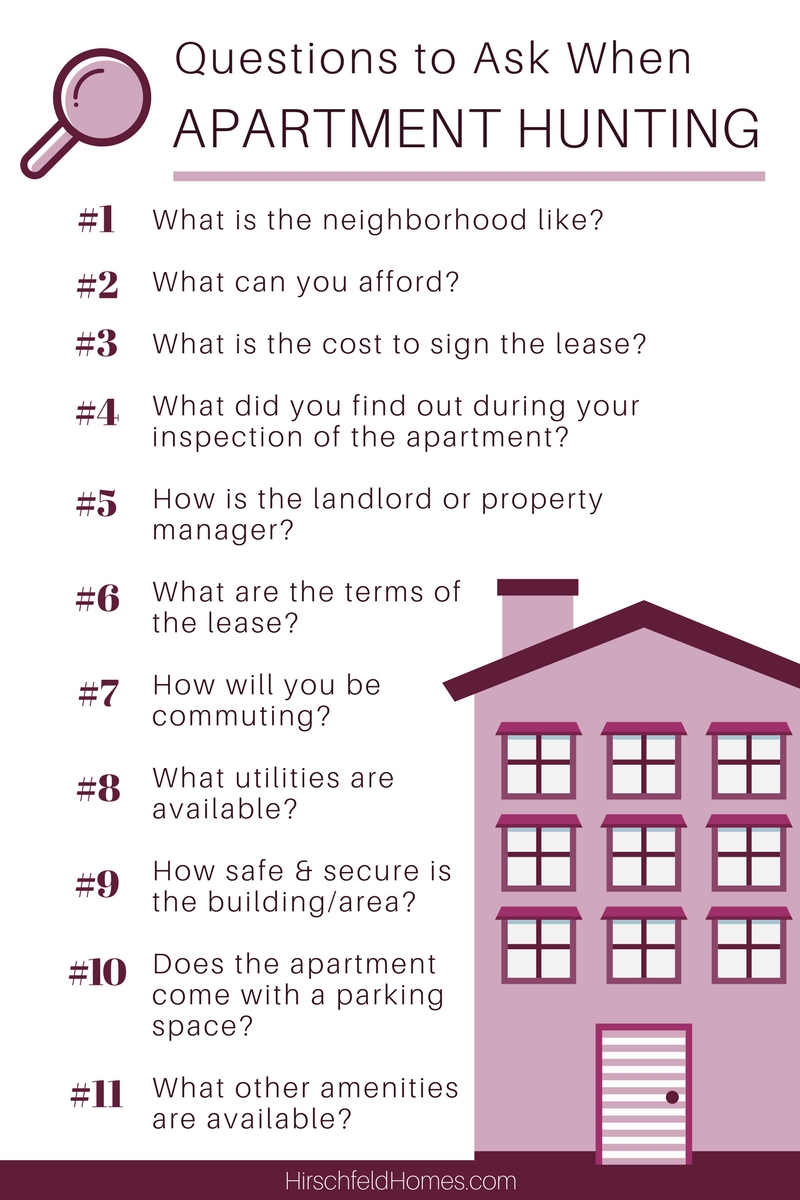
By asking these targeted financial questions, you transition from a passive consumer to an active manager of your capital. An apartment is not just a home; it is a line item that dictates your future net worth. Every dollar saved on a hidden fee, every gallon of gas saved on a commute, and every month of free rent negotiated is capital that can be deployed into assets that appreciate over time. When you walk into your next apartment showing, carry a calculator alongside your tape measure. Your future self will thank you for the due diligence.
aViewFromTheCave is a participant in the Amazon Services LLC Associates Program, an affiliate advertising program designed to provide a means for sites to earn advertising fees by advertising and linking to Amazon.com. Amazon, the Amazon logo, AmazonSupply, and the AmazonSupply logo are trademarks of Amazon.com, Inc. or its affiliates. As an Amazon Associate we earn affiliate commissions from qualifying purchases.