
Navigating the array of services at a nail salon can be daunting, not just for style, but for your wallet. Understanding what to ask for—and why—is crucial for making financially savvy decisions that deliver both desired results and optimal value. This guide will equip you with the insights to approach your next nail salon visit with confidence, ensuring you get the most out of your personal finance investment.
Decoding the Service Menu: Value Beyond the Polish
The typical nail salon menu is often a confusing mix of jargon and vague descriptions. Unpacking these options is the first step toward making informed financial choices that align with your budget and needs.

Manicures vs. Pedicures: Understanding the Basics
At their core, manicures and pedicures involve cuticle care, nail shaping, buffing, and polish application. The primary distinction lies in whether the service is for hands (manicure) or feet (pedicure). Pricing for pedicures is typically higher due to the increased time, tools, and expertise required for foot care, which often includes exfoliation, callus removal, and massage. When evaluating cost, consider the duration of the service and the included pampering elements. A basic express manicure might be a quick, cost-effective touch-up, while a deluxe pedicure could be a significant investment in self-care. Always clarify what specific steps are included in the price to avoid surprises.
Gel, Acrylic, Dip Powder: Cost, Longevity, and Maintenance
Beyond traditional polish, salons offer various enhancements, each with distinct cost structures, longevity, and maintenance requirements.
- Gel Polish (Shellac, Gel Manicure): Applied like regular polish but cured under UV/LED light. It typically lasts 2-3 weeks without chipping. The initial cost is higher than traditional polish, and removal (which often requires a salon visit to avoid damage) can incur an additional fee. Consider the cost per wear: if you chip regular polish quickly, gel might be a better long-term financial choice despite the higher upfront expense.
- Acrylic Nails: A classic enhancement created by mixing a liquid monomer and powdered polymer. Acrylics are durable and can extend nail length significantly, lasting 3-4 weeks before needing a fill. The initial application is one of the most expensive services, and fills are required every few weeks, representing an ongoing maintenance cost. Acrylics are robust but can be damaging if not applied and removed correctly.
- Dip Powder (SNS, NexGen): Involves dipping nails into a colored powder and sealing with an activator. It offers a strong, durable finish similar to gel, lasting 3-4 weeks. Dip powder often sits between gel and acrylic in terms of initial cost and removal simplicity. It’s often marketed as a healthier alternative, but the process and cost are comparable to gel or basic acrylics.
When choosing, ask about the initial application cost, the cost of fills or re-applications, and the removal fee. Factor in the frequency of salon visits needed for maintenance to calculate your total monthly or annual expenditure.
Nail Art and Add-Ons: Pricing and Expectations
Nail art, glitter, French tips, paraffin dips, and extended massages are common add-ons that can quickly escalate your bill.
- Nail Art: Pricing for nail art varies wildly based on complexity, number of nails decorated, and the technician’s skill. Simple designs might be a flat fee per nail or per set, while intricate hand-painted designs can be priced by time or by the level of detail. Always ask for a clear quote before the service begins. Showing a reference photo can help the technician provide an accurate estimate.
- Add-Ons: Services like paraffin wax treatments for extra hydration, callus removal for pedicures, or extended massages are often priced separately. While these enhance the experience, they are optional expenses. Evaluate if the added benefit justifies the additional cost for your personal finance plan.
Navigating Pricing and Avoiding Hidden Costs
Transparency in pricing is paramount for a financially sound salon visit. Being proactive in questioning costs can save you from unexpected charges.
The Importance of a Clear Price List
A reputable salon should have a clearly displayed and detailed price list for all services, including any potential add-ons or removal fees. If a salon’s pricing feels vague or requires excessive questioning, proceed with caution. Before committing to any service, specifically ask for the total cost, including tax and any potential surcharges. This upfront clarification eliminates ambiguity and ensures you are fully aware of your financial commitment.
Upselling Tactics and How to Respond
Salons, like many service-based businesses, often employ upselling techniques. This might involve suggesting a “deluxe” version of a service, recommending a specific brand of polish at an extra charge, or pushing add-ons like cuticle oil or hand creams.
- Politely Decline: It’s perfectly acceptable to politely decline upgrades if they don’t fit your budget or needs. A simple “Thank you, but I’ll stick with the standard service today” is sufficient.
- Ask for Justification: If an upgrade is suggested, ask for the specific benefits. For example, “What’s the difference between the basic and deluxe pedicure, and why is it worth the extra X dollars?” This helps you assess the value proposition.
- Stick to Your Plan: Enter the salon with a clear idea of what services you want and what you’re willing to spend. This mental budget acts as a safeguard against impulse purchases.
Service Bundles: Are They Truly a Deal?
Many salons offer service bundles, such as a manicure-pedicure combo, or packages that include a series of appointments. These can sometimes offer a slight discount compared to booking services individually. However, always calculate the exact savings. Is the discount significant enough to warrant committing to multiple services or visits upfront? Ensure you’ll use all components of the bundle and that the included services are precisely what you want, preventing you from paying for unnecessary extras.
Budgeting for Beautiful Nails: Smart Financial Planning
Integrating nail care into your personal budget requires thoughtful planning. It’s about finding the right balance between desired aesthetics and financial responsibility.
Setting a Realistic Nail Care Budget
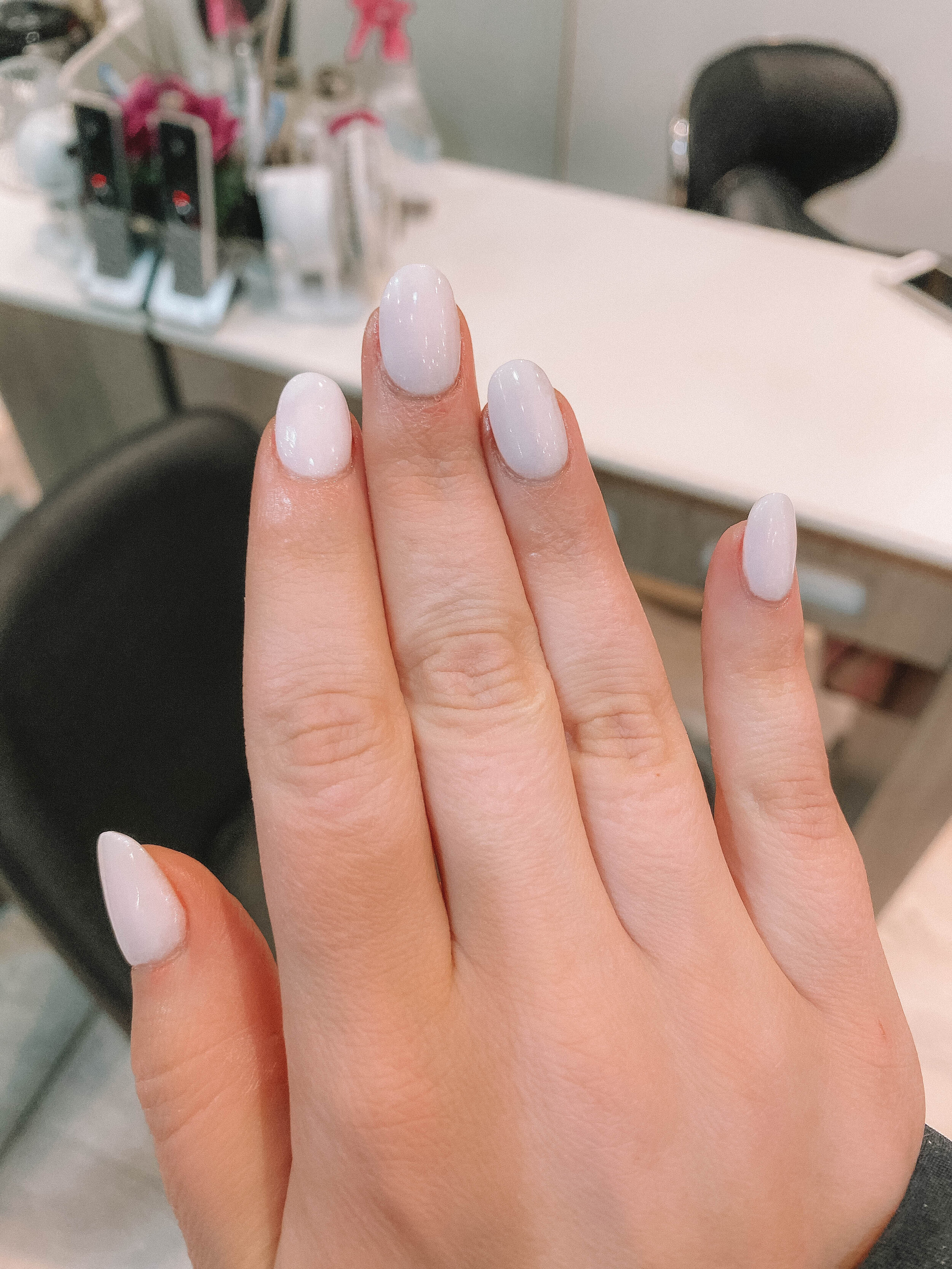
The first step is to determine how much you can comfortably allocate to nail care each month or quarter without compromising other financial goals. Consider your desired frequency of visits, the type of services you prefer (e.g., simple polish vs. elaborate enhancements), and any necessary maintenance costs.
- Track Spending: For a few months, track how much you currently spend on nail care. This provides a baseline.
- Prioritize: Decide if nail care is a high-priority discretionary expense. If it is, you might reallocate funds from other categories.
- Create an Allocation: Assign a specific amount in your budget for “personal care” or “beauty services,” ensuring nail salon visits fit within this figure.
DIY vs. Professional: A Cost-Benefit Analysis
While professional salon services offer expertise, relaxation, and access to specialized products and tools, doing your nails at home is undeniably more cost-effective.
- DIY Benefits: Significant savings on service fees, flexibility, and the ability to customize products. Initial investment in quality tools and polishes might be required, but these are typically one-off purchases that pay for themselves quickly.
- Professional Benefits: Expert application and intricate designs, access to advanced techniques (like gel or acrylic), cuticle and callus care that’s difficult to replicate at home, and a pampering experience.
For some, a hybrid approach works best: professional pedicures for thorough foot care, combined with DIY manicures for daily upkeep, can be a financially smart compromise.
Loyalty Programs and Discounts
Many salons offer loyalty programs, referral bonuses, or discounts for first-time clients, students, or seniors.
- Ask About Programs: When you visit a new salon or become a regular, inquire about any loyalty programs. Accumulating points or getting a discount after a certain number of visits can significantly reduce your long-term costs.
- Seasonal Promotions: Keep an eye out for seasonal promotions or package deals, especially around holidays. These can offer opportunities for savings on specific services.
- Gift Cards: Purchasing discounted gift cards from third-party sellers (if reputable) or during salon promotions can be another way to save on future visits.
Tipping Etiquette and Its Financial Impact
Tipping is a customary part of salon services and a significant component of the overall cost. Understanding standard practices helps you budget accurately and show appropriate appreciation for good service.
Standard Tipping Guidelines
The general rule of thumb for nail salon services is to tip 15-20% of the total service cost. For exceptional service, you might go higher.
- Consistency: Aim for consistency in your tipping to avoid awkward situations and ensure fair compensation for your technician.
- Cash vs. Card: While many salons allow you to add a tip to your card, cash tips are often preferred by technicians as they receive them immediately and avoid processing fees.
Tipping for Exceptional Service vs. Basic Appointments
While 15-20% is standard, consider adjusting based on the level of service:
- Exceptional Service: If your technician goes above and beyond, provides an intricate design flawlessly, or offers outstanding client care, a higher tip (20-25%) is a thoughtful gesture.
- Basic Service: For a quick, basic service that meets expectations, a 15-18% tip is generally appropriate.
- Unsatisfactory Service: If the service was genuinely poor (not just a minor preference issue), it’s acceptable to tip less, perhaps 10-15%. However, it’s also worth addressing the issue with salon management directly.
How Tipping Affects Your Overall Spend
Always factor the tip into your total budget for a salon visit. If your manicure costs $40, a 20% tip adds $8, bringing your total to $48. This seemingly small addition can add up over multiple visits throughout the year, so it’s essential to include it in your financial planning for nail care.
Maximizing Your Investment: Smart Questions for Long-Term Value
Once the service is complete, your financial decisions don’t end. Asking the right questions post-service can help extend the life of your manicure or pedicure, further enhancing the value of your investment.
Post-Service Care and Product Recommendations
After your nails are done, ask your technician about specific aftercare instructions.
- Maintenance Tips: Inquire about best practices for making your polish last longer, such as avoiding certain chemicals or wearing gloves for chores.
- Product Recommendations: Your technician might recommend cuticle oil, hand cream, or a specific topcoat. While this can be an upsell, it could also be a genuine recommendation for products that will extend the life and beauty of your nails, thereby protecting your investment. Ask about their favorite drugstore alternatives if salon-branded products are too pricey.
Longevity Tips to Extend Your Manicure’s Life
Proactive questions can lead to valuable advice:
- “What’s the best way to protect this specific type of polish/enhancement?”
- “Are there any activities I should avoid for the next 24 hours?”
- “When should I consider my next fill/appointment to prevent damage?”
Understanding these points can help prevent premature chipping or breakage, saving you the cost of early touch-ups or re-dos.

Understanding Guarantees and Redo Policies
Before you leave, especially if it’s a new salon, clarify their policy on service guarantees.
- “What is your policy if my gel chips within a few days?”
- “Do you offer free repairs for chips or smudges if they happen quickly?”
Most reputable salons offer a grace period (e.g., 3-7 days) for free repairs if there’s a problem with the application. Knowing this policy can give you peace of mind and protect your financial outlay in case of an issue.
By approaching your nail salon visits with a strategic, financial mindset, you can enjoy beautiful nails without breaking the bank, ensuring every dollar spent is a wise investment in your personal care and well-being.
aViewFromTheCave is a participant in the Amazon Services LLC Associates Program, an affiliate advertising program designed to provide a means for sites to earn advertising fees by advertising and linking to Amazon.com. Amazon, the Amazon logo, AmazonSupply, and the AmazonSupply logo are trademarks of Amazon.com, Inc. or its affiliates. As an Amazon Associate we earn affiliate commissions from qualifying purchases.