
The New York Stock Exchange (NYSE) stands as one of the world’s most prominent financial marketplaces, a beacon for global capital and a bellwether for economic trends. For investors, traders, and anyone engaged with the financial markets, understanding its operating hours is fundamental. Beyond merely knowing when the trading day begins, comprehending the nuances of market hours, including pre-market and after-hours sessions, is crucial for informed decision-making and strategic planning.
Unpacking the NYSE Trading Day: Standard, Extended, and Exceptions
The core of the NYSE’s operation revolves around its standard trading session, but the market’s influence extends far beyond these defined hours. A comprehensive understanding requires a look at all facets of its operational schedule.
Standard Market Hours: The Core Trading Session
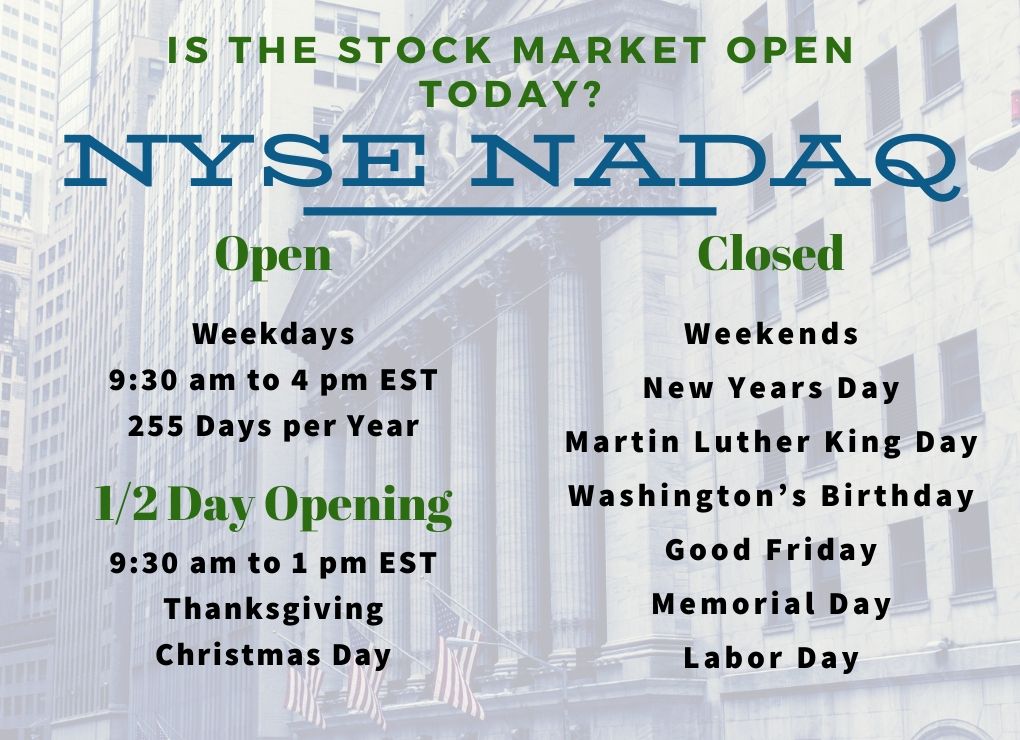
The official trading hours for the New York Stock Exchange are from 9:30 AM Eastern Time (ET) to 4:00 PM ET, Monday through Friday. This six-and-a-half-hour window is often referred to as “regular trading hours” or “cash market hours.” During this period, the vast majority of trading volume occurs, characterized by high liquidity and tighter bid-ask spreads, making it the most active and efficient time for price discovery.
For many investors, especially those focused on long-term strategies, these standard hours are when most buy and sell orders are executed. The opening bell at 9:30 AM ET and the closing bell at 4:00 PM ET are symbolic moments, often broadcast live, marking the commencement and cessation of the day’s primary trading activity.
Pre-Market Trading: Setting the Stage
Before the official opening bell, the NYSE facilitates pre-market trading, which typically runs from 4:00 AM ET to 9:30 AM ET. This extended session allows institutional investors, hedge funds, and certain retail traders to react to news, earnings reports, or global market movements that occur outside regular hours.
While pre-market trading offers flexibility, it’s important to note its characteristics:
- Lower Liquidity: Fewer participants mean lower trading volume compared to standard hours. This can lead to wider bid-ask spreads and potentially more significant price volatility.
- Price Discovery Challenges: Prices in the pre-market might not accurately reflect the broader market sentiment, as they are based on a limited number of trades. Significant price gaps can occur between the pre-market close and the regular market open.
- Risk for Retail Investors: The reduced liquidity and increased volatility can present higher risks for individual investors who might struggle to get desired prices for their trades. It’s often utilized by professionals with advanced tools and strategies.
After-Hours Trading: Post-Market Reactions
Following the regular trading session, the NYSE offers after-hours trading, generally from 4:00 PM ET to 8:00 PM ET. Similar to pre-market trading, this session allows participants to react to late-breaking news, company announcements, or economic data released after the market close.
Key aspects of after-hours trading include:
- Reduced Activity: Like pre-market trading, after-hours sessions typically see lower trading volumes and liquidity.
- Earnings Reactions: Many companies release their quarterly earnings reports after the market closes, making the after-hours session a critical period for investors to react to this information.
- Electronic Communication Networks (ECNs): Much of pre-market and after-hours trading is facilitated through ECNs rather than the traditional exchange floor. These electronic systems match buyers and sellers directly.
Holiday Schedule and Early Closures
The NYSE observes a specific calendar of holidays, during which the market remains closed. These typically align with major U.S. federal holidays such as New Year’s Day, Martin Luther King, Jr. Day, Presidents’ Day, Good Friday, Memorial Day, Juneteenth National Independence Day, Independence Day, Labor Day, Thanksgiving Day, and Christmas Day.
Additionally, the NYSE may have early closures on certain days, such as the day before Independence Day or the day after Thanksgiving. On these days, trading might conclude at 1:00 PM ET. It is critical for investors to consult the official NYSE holiday schedule well in advance to avoid unexpected disruptions to their trading plans. Brokerage firms and financial news outlets typically publish these schedules annually.
Why Market Hours Are Critical for Savvy Investors
Understanding the NYSE’s operational calendar goes beyond mere scheduling; it directly impacts investment strategies, risk management, and overall market engagement.
Volatility and Liquidity: The Driving Forces
The standard trading hours (9:30 AM – 4:00 PM ET) are characterized by peak liquidity. This means there’s a high volume of buyers and sellers, which generally leads to tighter bid-ask spreads and less price slippage when executing trades. Higher liquidity allows for larger orders to be filled efficiently without significantly moving the market price.
Conversely, extended hours (pre-market and after-hours) often exhibit lower liquidity and higher volatility. With fewer participants, a single large order can have a disproportionate impact on a stock’s price, leading to wider spreads and greater price swings. This heightened volatility, combined with reduced liquidity, means that executing trades outside regular hours can be more challenging and potentially more costly, as it’s harder to get the desired price.
Impact on Trading Strategies and Risk Management
Different investment strategies are inherently tied to market hours:
- Day Traders: These investors operate exclusively within regular trading hours, leveraging intraday price movements. They rely on the high liquidity and rapid price discovery to enter and exit positions quickly.
- Swing Traders: Holding positions for a few days to a few weeks, swing traders might use pre-market or after-hours movements to identify potential entry or exit points, but their primary execution often occurs during regular hours.
- Long-Term Investors: While long-term investors aren’t typically concerned with intraday fluctuations, being aware of market hours is still important for placing limit orders, reacting to major news, or rebalancing portfolios. They might place orders during extended hours, expecting them to be filled at the regular market open.
- Event-Driven Traders: Traders focusing on earnings announcements or major news events will closely monitor after-hours trading, as significant price action often occurs in response to these releases.
Effective risk management also demands an awareness of market hours. Positions held overnight or through extended hours are exposed to news events that could cause significant price gaps, impacting stop-loss orders or profit targets.
Global Market Interconnections and Time Zones
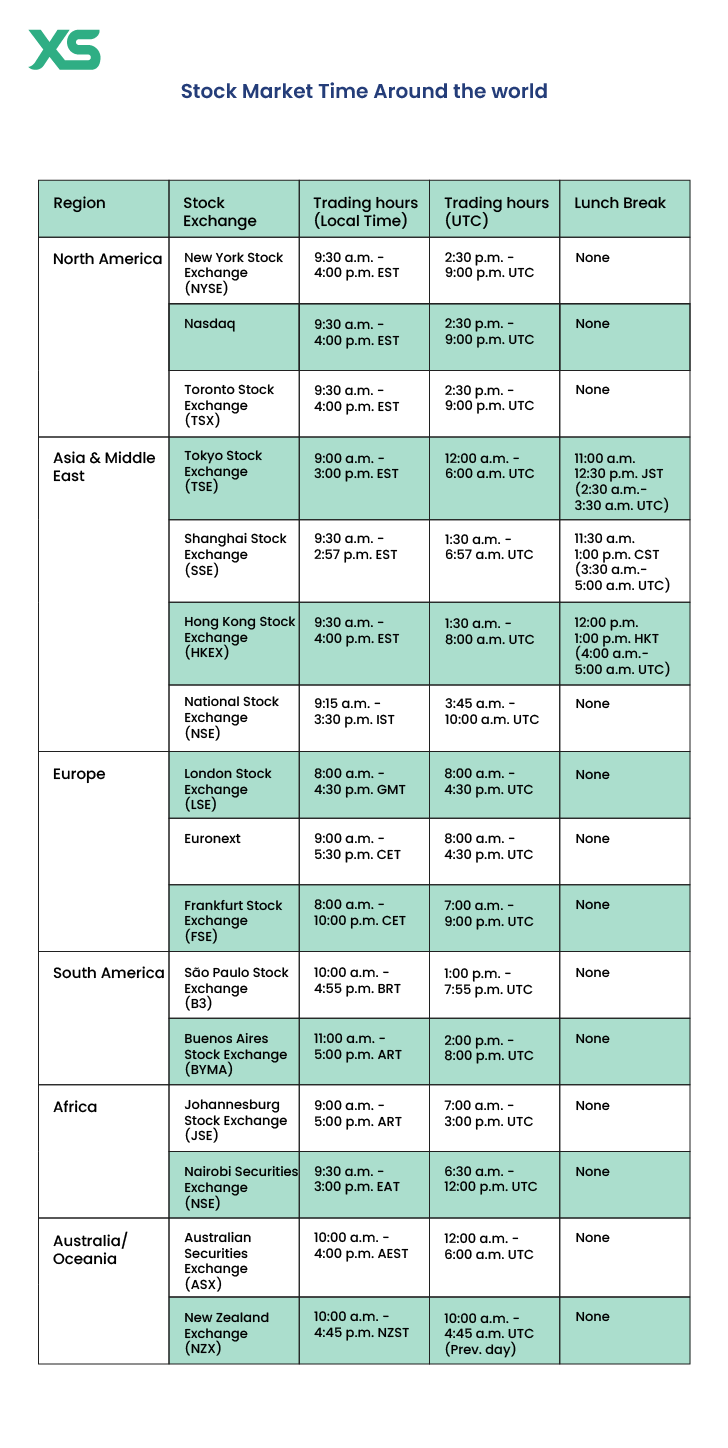
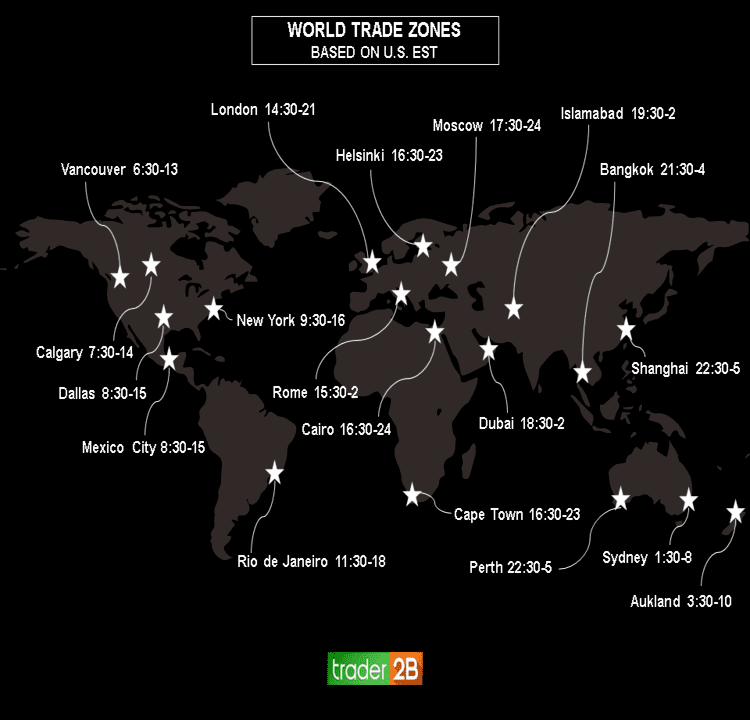
The NYSE’s schedule is set in Eastern Time (ET), which is crucial for international investors or those trading from different time zones. A trader in London, for instance, must adjust their schedule significantly to participate during peak NYSE hours. Similarly, news from Asian markets overnight or European markets in the early ET morning can influence pre-market trading in New York.
Understanding these global interconnections allows investors to anticipate market reactions. For example, a strong performance in European markets early in the ET morning might signal a positive opening for the NYSE, and vice versa.
Leveraging Financial Tools for Market Hour Management
In today’s fast-paced financial landscape, investors have access to a suite of tools designed to help them navigate market hours effectively and make timely decisions.
Brokerage Platforms and Their Functionality
Modern online brokerage platforms are indispensable for any investor. They not only facilitate trades but also provide real-time market data, news feeds, and often customizable alerts for market opening and closing times.
- Order Types: Platforms allow investors to place various order types, such as limit orders or market orders, with options to specify if they are valid for regular hours only (Day order) or extend into pre-market and after-hours (Good-Til-Canceled, or GTC, with extended hours options).
- Extended Hours Trading Access: Many platforms offer direct access to pre-market and after-hours trading, albeit with disclaimers about increased risk due to lower liquidity.
- Market Calendars: Integrated calendars often highlight upcoming earnings reports, economic data releases, and exchange holidays, helping investors plan their activity.
Financial News Outlets and Dedicated Market Calendars
Reputable financial news websites (e.g., Bloomberg, Wall Street Journal, Reuters, CNBC) are crucial sources for real-time market updates, breaking news, and detailed analyses. They consistently report on pre-market indicators, market opening forecasts, and after-hours movements.
Beyond news, dedicated market calendar services provide precise schedules for all major global exchanges, including the NYSE. These calendars are invaluable for confirming holiday closures, early trading days, and major economic announcement times, often allowing users to synchronize them with their personal digital calendars.
The Dynamics of Price Discovery During Market Hours
The period from 9:30 AM to 4:00 PM ET is not just a time for transactions; it’s a complex ecosystem where the true value of securities is constantly being assessed and re-evaluated by millions of participants.
Order Flow and Price Movement
During regular hours, the constant influx of buy and sell orders drives price discovery. When there’s an imbalance, with more buyers than sellers at a given price, the price tends to rise, and vice-versa. This continuous process of bids and asks creates the dynamic movement seen on stock charts. The NYSE’s hybrid market, combining human specialists on the floor with advanced electronic trading systems, ensures efficient matching of these orders.
The first few minutes after the opening bell and the final few minutes before the closing bell are often characterized by heightened activity and volatility. The open can see prices jump or drop as accumulated pre-market orders are executed and the broader market reacts to overnight news. The close often sees a rush of institutional orders and position adjustments.
The Role of Market Makers and Specialists
On the NYSE, Designated Market Makers (DMMs), formerly known as specialists, play a crucial role, particularly during regular hours. They are responsible for maintaining fair and orderly markets for the securities assigned to them. DMMs provide liquidity by trading for their own accounts when there’s an imbalance between buyers and sellers, helping to smooth out price fluctuations and ensure continuous trading. Their presence contributes significantly to the robustness and efficiency of the regular trading session.
In conclusion, knowing “what times does the NYSE open” is merely the starting point. A true understanding encompasses the extended trading sessions, holiday schedules, the inherent dynamics of liquidity and volatility, and the array of financial tools available. For any participant in the financial markets, mastering these details is paramount to navigating the complexities of investing with confidence and precision.
aViewFromTheCave is a participant in the Amazon Services LLC Associates Program, an affiliate advertising program designed to provide a means for sites to earn advertising fees by advertising and linking to Amazon.com. Amazon, the Amazon logo, AmazonSupply, and the AmazonSupply logo are trademarks of Amazon.com, Inc. or its affiliates. As an Amazon Associate we earn affiliate commissions from qualifying purchases.