
Saturday represents a unique paradox in the social media ecosystem. Unlike the rigid, task-oriented energy of a Tuesday morning or the professional networking focus of a Wednesday afternoon, Saturday is defined by leisure, spontaneity, and a shift in user behavior. For marketers, influencers, and brand managers, decoding the optimal timing for Saturday content is essential to maximizing reach and engagement. When users are off the clock, their relationship with the Instagram feed changes from a professional necessity or a quick distraction to a primary source of entertainment and lifestyle discovery.
The Psychology of Saturday Engagement
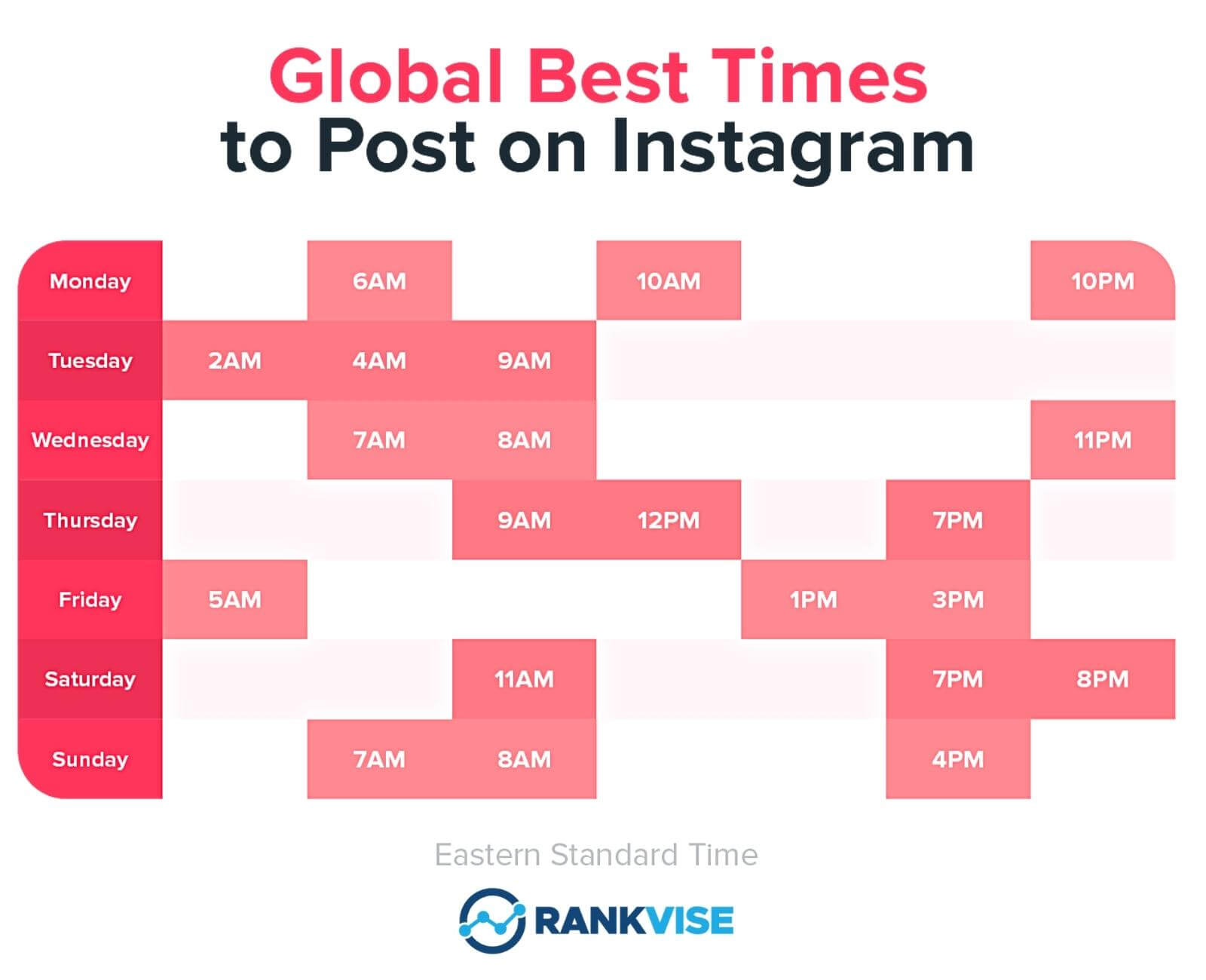
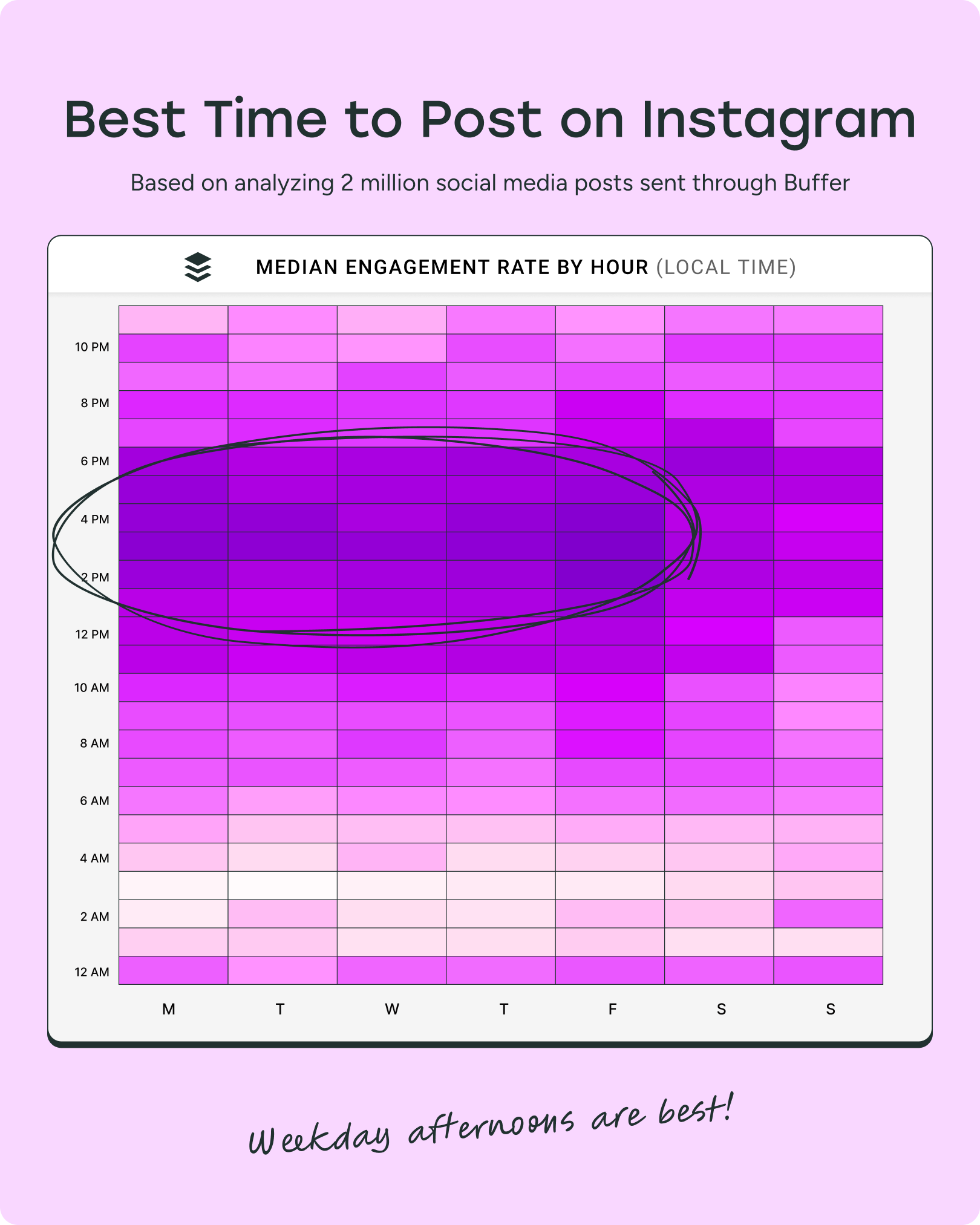
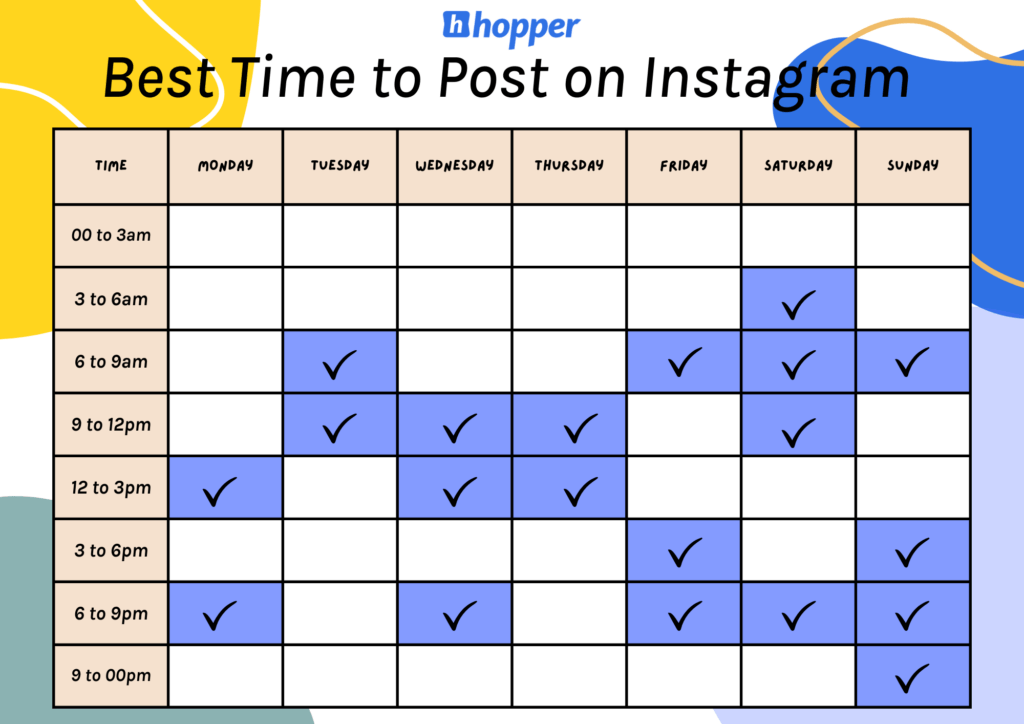
To understand when to post on a Saturday, you must first understand why users are online. Saturday is the day the “hustle” pauses. According to engagement data, the peak periods for Instagram activity during the weekend shift away from the typical 8:00 AM commute spikes and 5:00 PM wind-down windows. Instead, Saturday activity is characterized by a “late-start” mentality.
The Morning Sluggishness
Saturday mornings are rarely characterized by high-intensity app usage. Users are often engaging in delayed breakfasts, leisure activities, or catching up on sleep. Consequently, posting before 9:00 AM on a Saturday often results in your content getting buried as the day progresses. The “scrolling phase” of Saturday generally doesn’t hit its stride until the mid-morning, as users transition from offline activities to browsing their feeds to see what friends and influencers have been up to throughout the week.
The Afternoon Transition
The most significant activity window on Saturdays typically falls between 11:00 AM and 2:00 PM. This is when users are often killing time in transit, waiting for appointments, or relaxing after a morning excursion. The content consumed during this window is usually lighter—lifestyle imagery, casual Stories, and highly visual product displays perform significantly better than heavy educational content or complex infographics.
Analyzing Optimal Time Windows
While broad generalizations exist, the specific “gold” hour often fluctuates based on your target demographic. For most accounts, the sweet spot for Saturday engagement settles into two distinct windows: the mid-day peak and the late-evening wind-down.
The 11:00 AM to 1:00 PM Sweet Spot
This is arguably the most reliable time to capture a broad audience. By this time, users are awake, have interacted with their immediate physical circle, and are looking to connect with the digital world. Posting at 11:30 AM allows your content to be present during the lunch hour lull. Algorithms favor posts that garner immediate engagement, and having your post ready to greet the user during their midday break ensures you capitalize on that initial surge of screen time.
The 7:00 PM to 9:00 PM Prime Time
Saturday evenings are a different beast. Many users are home, perhaps browsing while watching television or preparing for an evening out. As the sun sets, engagement levels often spike again. This is an ideal time for high-production-value content or interactive elements like polls and Q&As. Because users are less likely to be under time constraints, they are more willing to watch long-form Reels or engage with detailed captions that require a bit more cognitive investment.
Tailoring Content Strategy for Saturday Audiences
Knowing the time is only half the battle. Your content strategy for Saturday must align with the specific intent of the user. If you are posting a high-density educational carousel designed for a corporate audience, you might find that it falls flat on a Saturday compared to a Thursday. Conversely, behind-the-scenes glimpses or “day in the life” stories thrive on the weekend.
Lean Into Lifestyle Over Business
Brands that succeed on Saturdays are those that humanize their identity. Use this time to showcase the team, share customer-generated content, or highlight the lifestyle associated with your product. If you are a fashion brand, Saturday is the time to show how your items fit into a weekend brunch aesthetic. If you are a SaaS company, focus on the “people behind the code” or community-driven success stories rather than aggressive feature announcements.
The Role of Instagram Stories
While feed posts depend on timing for initial visibility, Stories are your Saturday lifeline. Because Stories appear at the top of the user’s screen, they provide a constant, low-pressure touchpoint. Posting consistently throughout the day—perhaps one story in the late morning, one in the mid-afternoon, and one in the evening—keeps your brand in the “Stories tray” without needing to compete with the algorithm-driven feed. This is the most effective way to maintain brand presence on a Saturday without worrying about perfectly timing a single feed post.
Leveraging Analytics to Refine Your Schedule
Every audience has a unique heartbeat. While the general windows provided above are excellent starting points, they are not a substitute for your own account’s historical data. Utilizing the professional dashboard within Instagram is the only way to transform generic advice into a personalized strategy.
Interpreting Your Insights Tab
Navigate to your Instagram Insights and filter your audience data by “Most Active Times.” Look specifically at your Saturday data. Does your audience skew earlier? Do they engage more at night? If your data shows a peak at 4:00 PM, but the industry standard suggests 11:00 AM, prioritize your internal data. Your specific followers have unique routines that may not align with the global averages.
Testing and Iteration
Don’t be afraid to experiment. Spend a few weeks testing the 11:00 AM window versus the 7:00 PM window. Use A/B testing—post similar types of content at these different times and track the engagement rates, specifically focusing on the first three hours of the post’s life. If you find that your engagement is consistently higher at a specific time, double down on it. Remember that social media habits change; re-evaluate your Saturday posting times every quarter to ensure you aren’t clinging to outdated habits that no longer serve your growth.
Navigating the Weekend Algorithm
Instagram’s algorithm prioritizes recency and engagement. On weekends, competition for “eyes” can actually be lower than during the work week because fewer brands are actively posting. This presents a massive opportunity for businesses that choose to remain active while their competitors are “off.”
Quality Over Constant Posting
Because Saturday is a lower-pressure day, don’t feel obligated to flood the feed. One high-quality post that generates genuine conversation is worth more than three mediocre posts that disappear into the ether. Use the weekend to post content that invites comments. Ask questions, host a debate, or encourage users to share their own Saturday experiences. The more comments your post receives, the more the algorithm will favor it, potentially extending its lifespan into Sunday.
Adapting to Global Time Zones
If your brand has a global reach, Saturday timing becomes significantly more complex. You are no longer timing for one morning; you are managing a rolling 24-hour window where different parts of the world are waking up and going to sleep. In these cases, focus on your primary audience segment—where is the majority of your revenue coming from? If 60% of your audience is in the United States, prioritize the EST/PST windows regardless of where your headquarters are located.
Ultimately, the “best” time to post on Instagram on a Saturday is the moment you can capture your audience’s attention during their brief windows of authentic leisure. By combining broad, time-tested windows with a deep analysis of your own metrics and a content strategy that favors human-centric storytelling, you can turn a slow weekend into one of the most productive engagement periods of your week. Stay consistent, remain observant, and always put the user’s weekend experience at the heart of your scheduling decisions.
aViewFromTheCave is a participant in the Amazon Services LLC Associates Program, an affiliate advertising program designed to provide a means for sites to earn advertising fees by advertising and linking to Amazon.com. Amazon, the Amazon logo, AmazonSupply, and the AmazonSupply logo are trademarks of Amazon.com, Inc. or its affiliates. As an Amazon Associate we earn affiliate commissions from qualifying purchases.