
Understanding the optimal check-out time from a hotel is more than just a matter of convenience; it’s a critical element of savvy financial management for any traveler. From avoiding unexpected fees to maximizing the value of your prepaid stay, your check-out strategy can significantly impact your travel budget. This guide delves into the monetary considerations surrounding hotel check-out, offering insights to ensure you make the most financially sound decisions.
The Financial Implications of Standard Check-Out Times
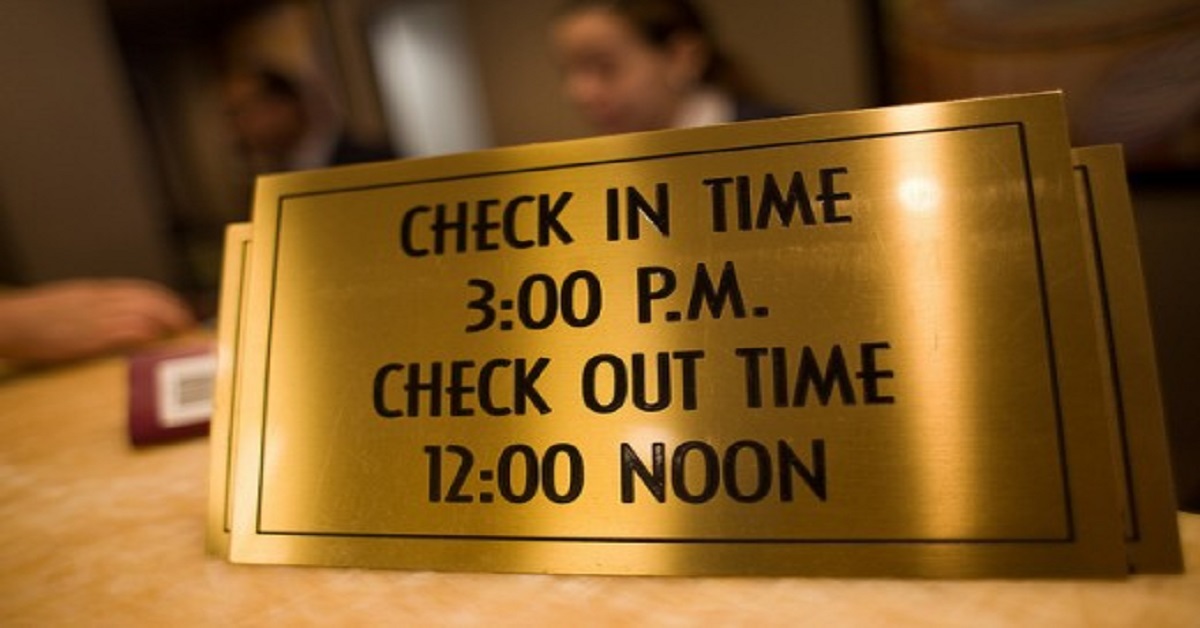
Hotels globally adhere to standard check-out times, typically ranging from 10:00 AM to 12:00 PM. These timelines are not arbitrary; they are meticulously planned to optimize hotel operations and, by extension, their revenue. The window between check-out and the standard 3:00 PM check-in allows housekeeping staff to clean and prepare rooms for arriving guests, ensuring seamless transitions and minimizing operational downtime.
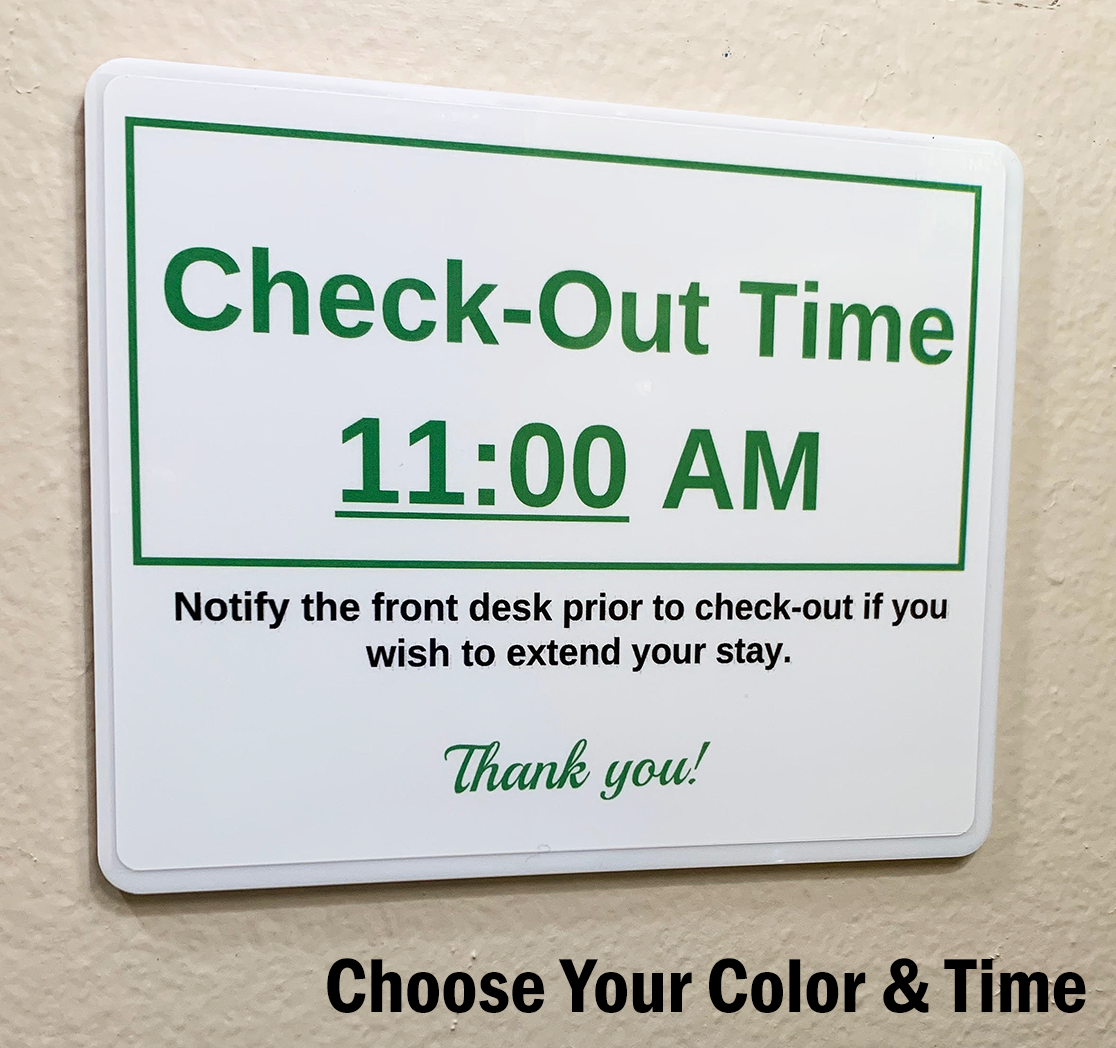
For the guest, understanding and respecting these standard times is primarily a defensive financial strategy. Failing to check out by the stipulated time without prior arrangement can trigger substantial financial penalties. Many hotels automatically charge a half-day rate for departures a few hours late and a full night’s rate if you extend significantly past the deadline, even if you only occupy the room for a fraction of that extra day. These unbudgeted charges can inflate your travel costs unexpectedly, turning a well-planned trip into a financial headache.
Beyond direct fees, there’s an opportunity cost associated with rushing out hours before the deadline. While it might seem efficient to leave early, you are effectively paying for time you don’t use. Maximizing your prepaid stay by utilizing the room until the very last minute, whether for work, relaxation, or simply packing without haste, ensures you get the full value for your money. Conversely, a hurried departure could lead to forgotten items, incurring additional costs for shipping or replacement, further impacting your finances.
Navigating Early and Late Check-Out: Costs and Benefits
The flexibility to deviate from standard check-out times comes with its own set of financial considerations, offering both potential savings and explicit costs.
The Nuances of Early Check-Out
While less common than late check-out requests, departing a hotel earlier than your booked stay has specific financial implications. For non-refundable bookings, which often offer a lower initial rate, early departure typically yields no reimbursement for unused nights. The savings from the discounted rate are contingent on fulfilling the entire booked duration.
Flexible rates, conversely, might offer a partial refund for unused nights, though often with a penalty fee, such as retaining the cost of one night. The financial benefit here is not about “saving money” on the current stay but rather avoiding the future cost of an additional night you no longer need. For instance, if your plans change and you can shorten a five-night stay to three, a flexible rate might save you the cost of two nights, less any penalty. It’s crucial to scrutinize the cancellation and early departure policies at the time of booking to understand potential financial recourse. Additionally, shortening a stay could, in rare cases, affect loyalty point accrual or eligibility for elite night credits, especially if it drops below a minimum stay requirement for a promotion.
The Price Tag of Late Check-Out
Late check-out is often sought for convenience, but this convenience frequently carries a direct financial cost. Hotels commonly charge a half-day rate for a few extra hours (e.g., until 2:00 PM or 4:00 PM) and a full day’s rate for extensions into the evening. These charges can sometimes approach the cost of an entirely new night’s stay, prompting a careful cost-benefit analysis.
However, these fees are not always immutable. Strategic negotiation can sometimes lead to a complimentary extension. Factors that can strengthen your negotiation position include:
- Low Occupancy: Hotels are more likely to grant free late check-outs when they aren’t fully booked, as it doesn’t impact their ability to prepare for new arrivals.
- Direct Booking: Guests who book directly through the hotel’s website often receive preferential treatment, as the hotel avoids third-party commission fees.
- Length of Stay: A longer stay might make the hotel more amenable to offering a complimentary late check-out as a goodwill gesture.
- Loyalty Status: Even entry-level loyalty program members might receive an extra hour or two without charge.
The value proposition of a paid late check-out must be carefully weighed against its cost. Consider whether the convenience of a private room for a few extra hours outweighs alternative, potentially cheaper options. For example, comparing the late check-out fee to the cost of airport lounge access (if your departure is flight-related) or a “day room” at another hotel can reveal more financially advantageous solutions. Sometimes, simply storing your luggage with the concierge and utilizing hotel common areas or local attractions might be a more economical choice, freeing up your funds for other experiences.
Leveraging Loyalty Programs and Status for Financial Advantage
Hotel loyalty programs are powerful financial tools that can significantly enhance your travel experience while minimizing out-of-pocket expenses, particularly concerning check-out flexibility.
Elite Status and Complimentary Late Check-Out
This is arguably one of the most valuable perks of achieving elite status with a hotel chain. Major programs like Marriott Bonvoy, Hilton Honors, and World of Hyatt offer guaranteed late check-out benefits (often until 2:00 PM or 4:00 PM) to their mid to top-tier members. This translates into direct financial savings by eliminating the need to pay for extended room access. For frequent travelers, accumulating elite nights or stays to reach these tiers is a strategic investment that can yield substantial returns over time by avoiding numerous late check-out fees.
Beyond guaranteed benefits, elite members are often prioritized for late check-out requests even when a hotel is operating at high occupancy. This preferential treatment ensures greater flexibility without the financial burden.
Point Redemption for Extended Stays
Loyalty points can also be a savvy financial instrument for managing check-out times. If you require a very late departure, extending your stay by an entire night using points might sometimes be more cost-effective than paying a cash late check-out fee that could be equivalent to a full night’s rate. Evaluating the cash value of the points redeemed against the late check-out fee allows for an informed decision on which option offers better financial leverage.
Credit Card Perks and Direct Booking Benefits
Many co-branded travel credit cards offer automatic elite status with hotel chains, immediately granting cardholders access to benefits like complimentary late check-out without requiring actual stays. This is an excellent financial strategy for those who might not travel enough to earn status organically but desire the associated perks.
Furthermore, booking directly through a hotel’s official website often provides more flexibility and better chances of receiving complimentary late check-out. Hotels save on commission fees when you book direct, making them more inclined to offer goodwill gestures and enhance customer loyalty, which indirectly translates to financial benefits for the guest.
Business Travel and Expense Management: A Check-Out Perspective
For business travelers, managing hotel check-out times takes on an additional layer of financial complexity due to corporate policies and expense management considerations.
Corporate Policies and Reimbursement
Many companies have strict policies regarding reimbursable travel expenses. Late check-out fees are often viewed as an optional convenience rather than a necessary business expense, meaning they might not be covered. This places the financial burden directly on the employee, forcing them to pay out of pocket if they opt for an extended stay. Understanding your company’s expense policy beforehand is critical to avoid unexpected personal costs.
Productivity vs. Cost Analysis
While a late check-out incurs a fee, it can offer invaluable extra hours of productivity for business travelers. Having a private space to conduct calls, prepare for meetings, finalize presentations, or simply refresh before a long flight can be crucial. The perceived value in terms of increased productivity and reduced stress might, in certain scenarios, justify the expense, especially if the cost is minimal. However, this must be a conscious financial decision, weighing the tangible benefit against the direct cost.
Negotiating Corporate Rates
For organizations with significant travel volume, negotiating corporate rates that explicitly include late check-out flexibility or a defined grace period can be a smart financial move. Such agreements can save the company substantial amounts over many employee stays by eliminating recurring late check-out fees, thereby optimizing overall travel budgets.
Expense Reporting and Documentation
If a late check-out fee is permissible under company policy, meticulous documentation is essential for proper expense reporting and reimbursement. Clear receipts detailing the charge and, if necessary, a justification for the expense are typically required to ensure smooth processing and avoid delays or rejections.
Strategic Planning for Optimal Financial Outcomes
Mastering your hotel check-out process involves proactive planning and informed decision-making to safeguard your finances and maximize value.
Pre-Booking Research and Needs Assessment
Before you even book, research the hotel’s standard check-out time and its stated policy on late check-out fees. Factor these potential costs into your overall travel budget. Equally important is an honest assessment of your actual needs. Do you truly require a late check-out, or can you manage with alternative solutions like luggage storage and hotel common areas? If your flight is much later, an extended check-out for just an hour or two might not be worth a significant fee.
Alternative Solutions and Cost Comparison
Always compare the cost of a hotel late check-out with other viable options:
- Day Use Rooms: Some hotels, particularly near airports, offer specific “day use” rates, allowing access to a room for a partial day at a reduced cost compared to a full night or even a traditional late check-out fee. This can be a financially attractive option for extended daytime layovers or delays.
- Airport Lounges: If your late departure is flight-related, investing in airport lounge access (either directly or via credit card benefits) might offer a superior cost-to-benefit ratio. Lounges typically provide comfortable seating, Wi-Fi, food, beverages, and sometimes even showers, often at a lower or comparable cost to a hotel’s late check-out fee, especially if you have several hours to kill.
- Local Activities: Can you productively and enjoyably spend your extra time exploring local attractions, visiting a café, or engaging in activities that don’t require returning to your hotel room? This avoids fees entirely while making the most of your travel destination.

Proactive Communication and Financial Vigilance
Always communicate your needs proactively. Ask about late check-out options and associated fees at check-in or the day before departure. This empowers you to plan, budget, and potentially negotiate a more favorable outcome. Finally, financial vigilance is paramount: always scrutinize your hotel bill at check-out to ensure that no unauthorized late check-out fees have been applied and that any negotiated terms are correctly reflected. This final check can prevent unexpected charges from impacting your travel budget.
By understanding the financial mechanisms behind hotel check-out policies and employing strategic planning, travelers can ensure their departure is as smooth and financially optimized as their arrival.
aViewFromTheCave is a participant in the Amazon Services LLC Associates Program, an affiliate advertising program designed to provide a means for sites to earn advertising fees by advertising and linking to Amazon.com. Amazon, the Amazon logo, AmazonSupply, and the AmazonSupply logo are trademarks of Amazon.com, Inc. or its affiliates. As an Amazon Associate we earn affiliate commissions from qualifying purchases.