
In the world of finance, timing is often just as important as the asset itself. For the modern investor, the question “what time does the market open?” is not merely a request for a clock reading; it is a fundamental inquiry into liquidity, volatility, and opportunity. Whether you are a day trader looking to capitalize on early morning price swings or a long-term investor placing a strategic order, understanding the rhythm of the global financial clock is essential for success.
The financial markets do not operate in a vacuum. They are a continuous, global machine that moves from East to West, following the sun across the world’s major financial hubs. This article provides an in-depth exploration of market hours, the nuances of different asset classes, and the strategic implications of timing your entries and exits.
Understanding the Global Financial Clock
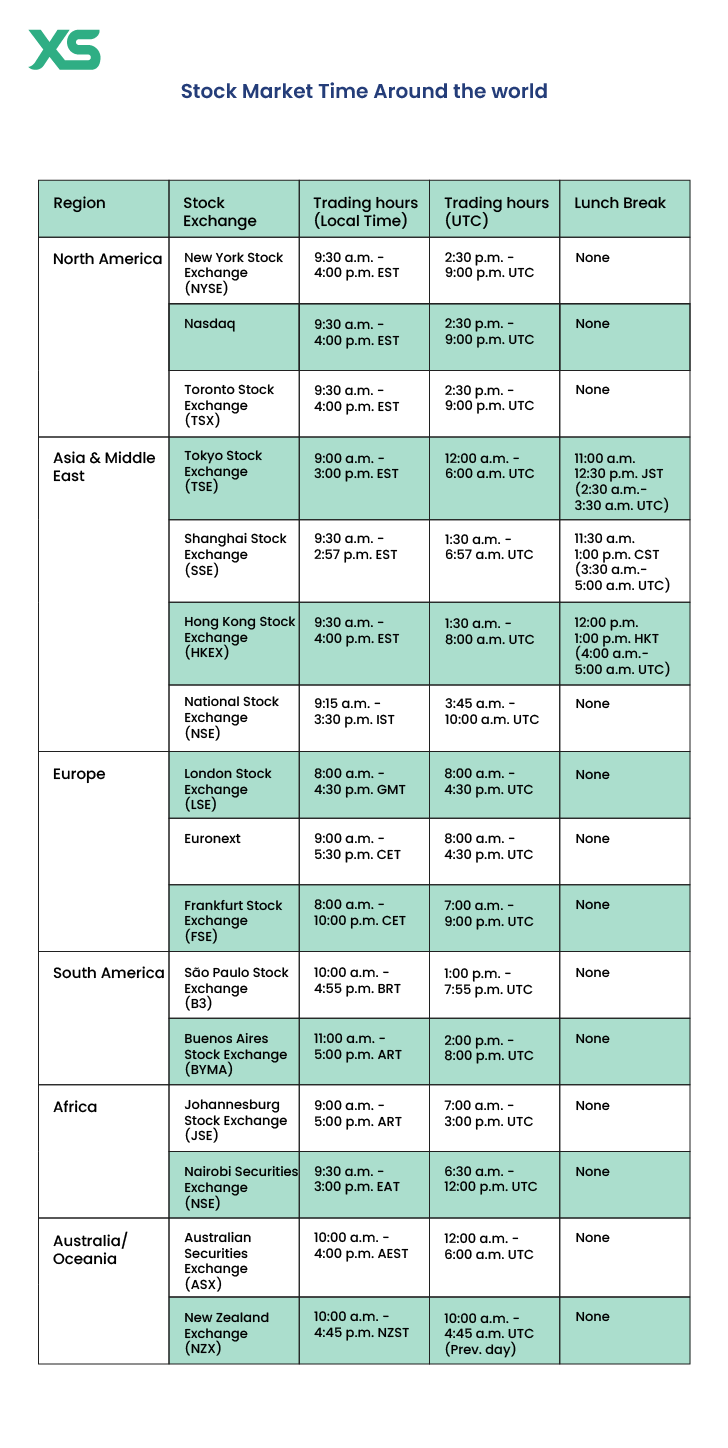
The global stock market is a relay race. As one exchange winds down its day, another is just beginning its morning ritual. This ensures that, for the most part, there is always a market active somewhere in the world, though the specific assets traded will vary.
The Concept of Market Liquidity and Timing
Liquidity refers to the ease with which an asset can be bought or sold without affecting its price. In the context of market hours, liquidity is highest when the most participants are active. This typically occurs during the “open” and the “close” of major exchanges. When the market first opens, there is a flood of orders that have accumulated overnight, leading to high volume and significant price movement. Understanding these windows of liquidity is crucial for ensuring that orders are filled at desirable prices.
Major Stock Exchange Hours (NYSE, NASDAQ, LSE, HKEX)
The primary focus for many investors is the North American market. The New York Stock Exchange (NYSE) and the NASDAQ both operate from 9:30 AM to 4:00 PM Eastern Time (ET), Monday through Friday. These hours represent the peak of global equity trading.
However, the world of finance is much broader:
- London Stock Exchange (LSE): Operates from 8:00 AM to 4:30 PM Greenwich Mean Time (GMT). Because London sits between the Asian and American sessions, it often acts as a bridge for global capital.
- Hong Kong Stock Exchange (HKEX): Typically opens at 9:30 AM and closes at 4:00 PM local time, notably featuring a lunch break between 12:00 PM and 1:00 PM—a practice less common in Western markets.
- Tokyo Stock Exchange (TSE): Operates from 9:00 AM to 3:00 PM local time, also with a mid-day break.
Pre-Market and After-Hours Trading
While “standard” hours are when the bulk of trading occurs, the digital age has ushered in extended-hours trading. Pre-market trading in the U.S. can begin as early as 4:00 AM ET, while after-hours trading continues until 8:00 PM ET.
Engaging in these sessions allows investors to react to news that breaks outside of standard hours, such as corporate earnings reports or geopolitical events. However, these sessions come with caveats: liquidity is significantly lower, and the “bid-ask spread” (the difference between what a buyer will pay and a seller will accept) is often much wider, increasing the risk of price slippage.
The Impact of Time Zones on Trading Strategies
Trading is not just about the hours on the clock; it is about the behavior of the people behind the screens. Different times of the day elicit different psychological responses from the market.
The Significance of “The Open”
The first 30 to 60 minutes after the opening bell are often the most volatile of the day. This period is known as the “opening range.” Traders watch this window closely because it often sets the tone for the rest of the session. Institutional investors are rebalancing portfolios, and retail traders are reacting to news that occurred while the market was closed. For the disciplined investor, the open is a time of both high risk and high reward. Many professional traders advise beginners to wait for the “opening dust” to settle before entering a position.
The Power Hour and Closing Volatility
Just as the opening is frantic, the final hour of trading—often called “The Power Hour” (3:00 PM to 4:00 PM ET)—sees a surge in volume. This is when institutional managers “square their books” for the day. High-frequency trading algorithms often ramp up their activity during this window to capitalize on the closing price, which is used as the benchmark for mutual fund valuations and index tracking.
Overlapping Sessions: When the World Trades Together
One of the most potent times for any market participant is the “overlap.” This occurs when two major global markets are open at the same time. The most notable overlap is between the London and New York sessions (approximately 8:00 AM to 12:00 PM ET). During these four hours, the world’s two largest financial centers are trading simultaneously. This period usually sees the highest volume of the day, making it an ideal time for executing large trades with minimal price impact.
Beyond Stocks: When Do Other Markets Open?
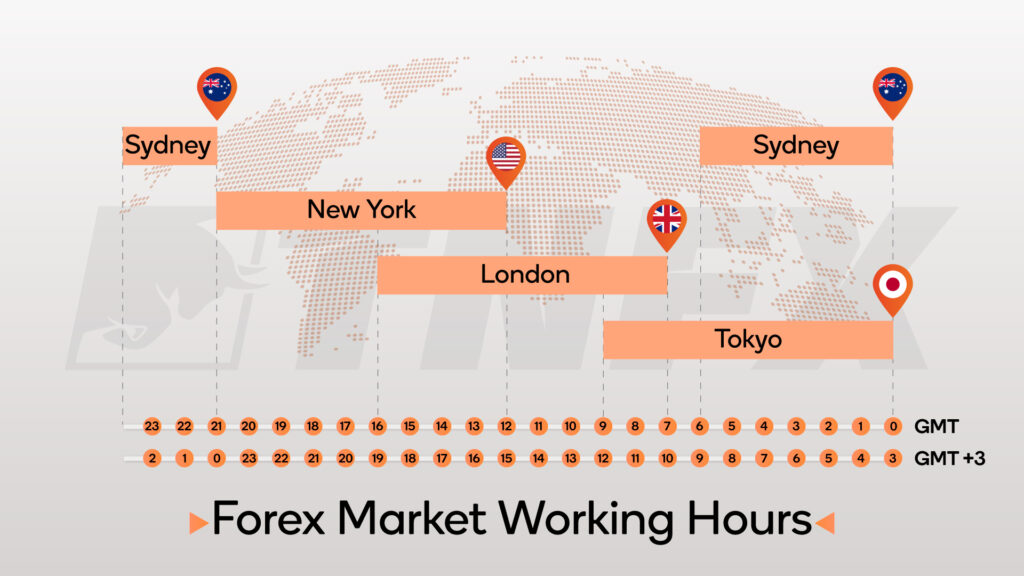
While equities have rigid schedules, other financial markets operate on different timelines, reflecting the global and digital nature of modern finance.
The 24/5 Forex Market
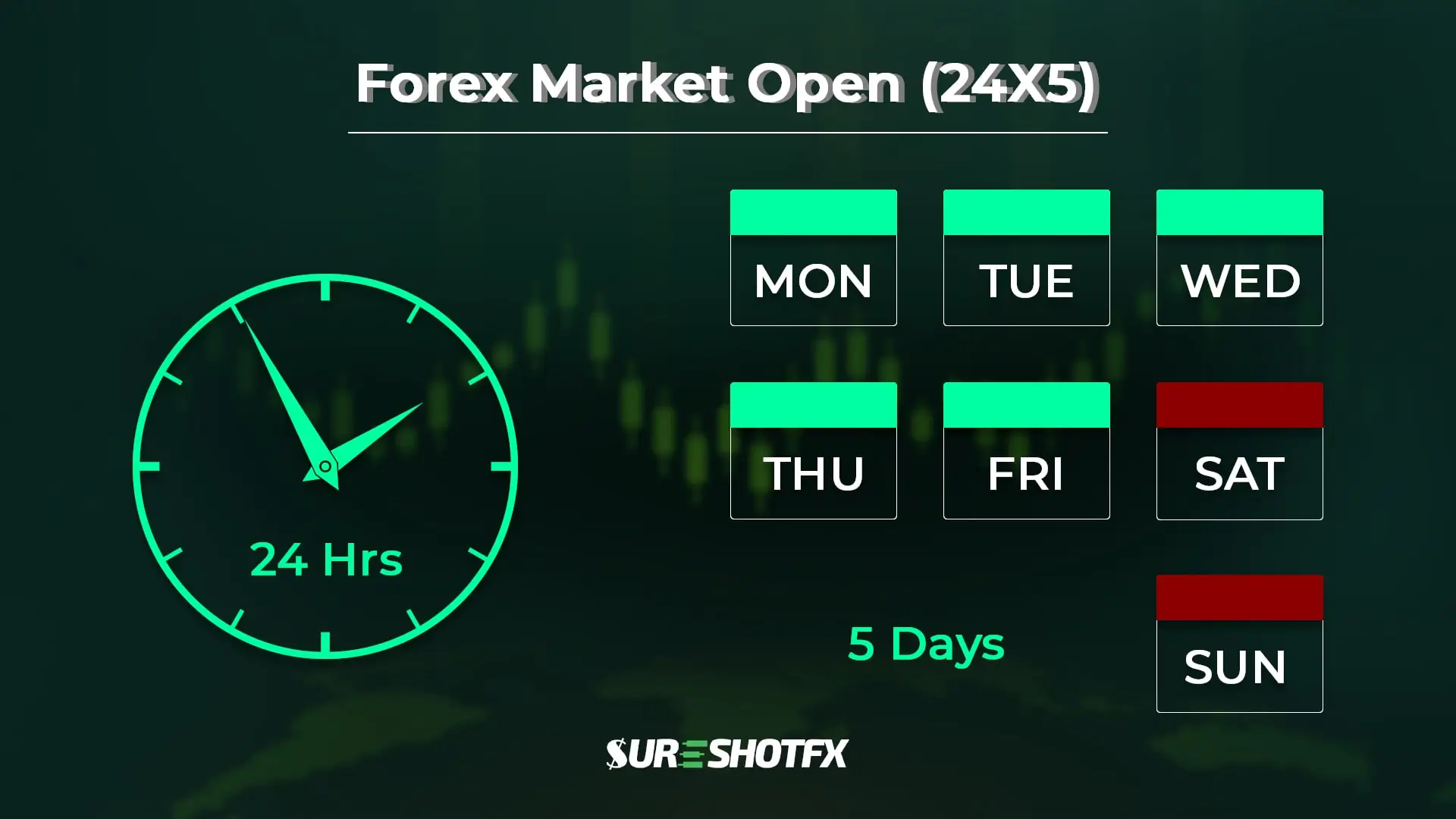
The Foreign Exchange (Forex) market is the largest and most liquid financial market in the world. Unlike stocks, it does not have a centralized exchange. Instead, it is an over-the-counter (OTC) market that operates 24 hours a day, five days a week. It begins on Sunday evening (ET) as the Asian markets open and concludes on Friday afternoon as the New York market closes. This continuous cycle allows for constant speculation on currency fluctuations, though volatility varies depending on which regional banks are active.
Cryptocurrency: The Market That Never Sleeps
The rise of digital assets has introduced a radical new concept to finance: the 24/7/365 market. Cryptocurrency exchanges like Coinbase or Binance never close. There are no holidays, no weekends, and no “opening bells.” While this provides unparalleled access, it also presents unique challenges for investors, as significant market moves can happen at 3:00 AM on a Sunday. For crypto investors, “market hours” are a psychological construct rather than a physical limitation.
Commodities and Futures Schedules
Futures and commodities (like gold, oil, and wheat) have their own specific schedules, often governed by the CME Group (Chicago Mercantile Exchange). Most futures markets trade nearly 24 hours a day during the workweek but include brief daily “breaks” for maintenance and clearing. Understanding these breaks is vital for traders who use leverage, as they cannot exit a position when the exchange is in its daily maintenance window.
Market Holidays and Regional Variations
Even in our hyper-connected world, local culture and national holidays dictate market availability. An investor in New York must be aware that while they are ready to trade, their counterparts in Tokyo might be observing “Mountain Day.”
Standard Trading Days vs. Early Closures
In the United States, the market is closed for major federal holidays, including Christmas Day, New Year’s Day, Independence Day, and Thanksgiving. Additionally, the market often observes “early closes” (closing at 1:00 PM ET) on the days preceding or following these holidays (such as the day after Thanksgiving, known as Black Friday). These half-days are notorious for “thin” trading volumes, which can lead to erratic price movements.
Cultural Factors and International Calendars
International markets have their own unique calendars. The Chinese markets, for instance, close for an entire week during the Lunar New Year. Middle Eastern markets, such as the Saudi Stock Exchange (Tadawul), historically operated on a Sunday-through-Thursday schedule to align with the regional workweek, though many have shifted toward the international standard. For a global investor, keeping a multi-nation economic calendar is a mandatory part of the toolkit.
Optimizing Your Investment Routine Based on Market Hours
Knowing the time is the first step; building a strategy around it is the second. How should a personal investor manage their time to maximize their financial health?
Setting a Trading Schedule
Professionalism in investing requires discipline. Instead of checking prices sporadically throughout the day—which often leads to emotional decision-making—set specific times to review the market. Many successful investors check the pre-market indicators at 8:30 AM ET, execute necessary trades during the London/New York overlap, and perform a final portfolio review during the Power Hour.
Risk Management During Illiquid Hours
If you must trade during pre-market or after-hours sessions, use “Limit Orders” rather than “Market Orders.” A market order executes at the best available price, which could be disastrous in a low-liquidity environment where the spread is wide. A limit order ensures you only buy or sell at a specific price or better, protecting you from the “flash gaps” that can occur when the main exchanges are closed.
The Importance of the “Weekly Close”
For long-term investors, the most important time of the week is Friday at 4:00 PM ET. The weekly closing price is used by analysts to determine trends and technical support levels. Decisions made based on weekly closings are often more “stable” than those made during the intra-day noise of a Tuesday morning.
In conclusion, the question of when the market opens is the gateway to understanding the global flow of capital. By respecting the clock, acknowledging the differences between asset classes, and aligning your strategy with peak liquidity, you transform time from a constraint into a competitive advantage. In the world of money, the sun never truly sets; it simply moves to the next exchange, offering a new opportunity for those who are awake and prepared.
aViewFromTheCave is a participant in the Amazon Services LLC Associates Program, an affiliate advertising program designed to provide a means for sites to earn advertising fees by advertising and linking to Amazon.com. Amazon, the Amazon logo, AmazonSupply, and the AmazonSupply logo are trademarks of Amazon.com, Inc. or its affiliates. As an Amazon Associate we earn affiliate commissions from qualifying purchases.