
Navigating Modern Banking Hours: Beyond the Traditional 9-to-5
The seemingly simple question, “What time does the bank close today?” belies a complex and evolving landscape of financial accessibility. For decades, banking hours were a straightforward affair, largely dictated by a standard weekday schedule, often 9 AM to 5 PM, with perhaps a half-day on Saturday. However, the advent of digital banking, the diversification of financial institutions, and the shifting needs of consumers have introduced a nuanced reality where knowing your bank’s precise closing time requires a more informed approach. Understanding these hours is not just about convenience; it’s a critical component of effective personal finance management, impacting everything from urgent cash needs to critical transaction deadlines.

The Evolving Landscape of Financial Access
The traditional brick-and-mortar bank branch, while still a cornerstone for many, now coexists with a sprawling ecosystem of online portals, mobile applications, and ATM networks. This multi-channel approach means that “when the bank closes” can refer to several different things. For a physical transaction requiring a teller or a loan officer, the branch’s specific operating hours are paramount. However, for digital tasks like checking balances, transferring funds between accounts, or paying bills, the bank is, in essence, “open” 24/7. The challenge lies in distinguishing between round-the-clock access to your account information and the cut-off times for processing financial transactions that require human intervention or the daily batch processing cycles. This distinction is crucial for anyone managing their finances efficiently, particularly when time-sensitive payments or deposits are involved.
Factors Influencing Bank Closing Times
Several variables can influence when a bank branch officially closes its doors for the day:
-
Geographic Location and Time Zones: A national bank will have different closing times across various time zones. Furthermore, local regulations or regional observances might lead to early closures that differ from state to state.
-
Type of Financial Institution: Large national banks often have more standardized hours but may also have specific express branches or in-store branches with extended hours. Smaller community banks and credit unions might have more localized or limited hours, reflecting their community-focused operations.
-
Day of the Week: Weekdays (Monday through Friday) generally adhere to a more consistent schedule, although even then, some branches might offer extended hours on certain days. Saturdays typically see reduced hours, often closing by early afternoon. Sundays and major federal holidays are almost universally observed as non-banking days for physical branches.
-
Specific Branch Policies: Even within the same banking institution, individual branches may have slight variations in their schedules. A branch located in a bustling downtown business district might have different hours than one in a suburban shopping center or a drive-thru-only location.
-
Special Circumstances: Unforeseen events such as severe weather, natural disasters, local emergencies, or even staffing shortages can lead to unannounced early closures or temporary operational changes. During the pandemic, many banks adjusted hours significantly, highlighting the need for real-time verification.
Key Strategies for Verifying Your Bank’s Operating Hours
Given the variability, relying on assumptions about bank hours is a risky strategy. Proactive verification is essential to ensure your financial tasks are completed without interruption. Fortunately, modern financial tools and communication channels offer several reliable methods for confirming current operating schedules.
Leveraging Digital Tools: Websites and Mobile Apps
In today’s digital age, the most reliable and immediate source for bank hours is often their online presence.
-
Official Bank Websites: Every reputable financial institution maintains an official website that includes a “Branch Locator” or “ATM/Branch Finder” tool. By entering your ZIP code or city, you can usually find a list of nearby branches, complete with their precise operating hours for the current day and often for the upcoming week. These online directories are typically updated in real-time to reflect holiday schedules, temporary closures, or special event hours.
-
Mobile Banking Apps: For users who conduct most of their banking on a smartphone, the bank’s dedicated mobile app is an invaluable resource. Most apps integrate a branch locator feature that not only provides hours but can also offer directions, phone numbers, and sometimes even the wait times for specific services. Activating push notifications can also alert you to unexpected changes in your preferred branch’s schedule.
Direct Communication: Phone Calls and In-Person Inquiries
While digital tools are efficient, there are instances where direct communication remains the best approach.
-
Calling the Local Branch: If you have a specific question about a service cut-off time, need to confirm an unusual closure, or simply prefer to speak with a human, a direct phone call to your local branch is effective. The number is usually available on the bank’s website or app. Be specific about your needs, as general customer service lines might provide system-wide hours rather than branch-specific details.
-
Customer Service Hotlines: For broader inquiries or if you cannot reach your local branch, the bank’s main customer service hotline can provide general information. However, they might not always have the most granular, real-time updates for every single branch, especially during localized emergencies.
-
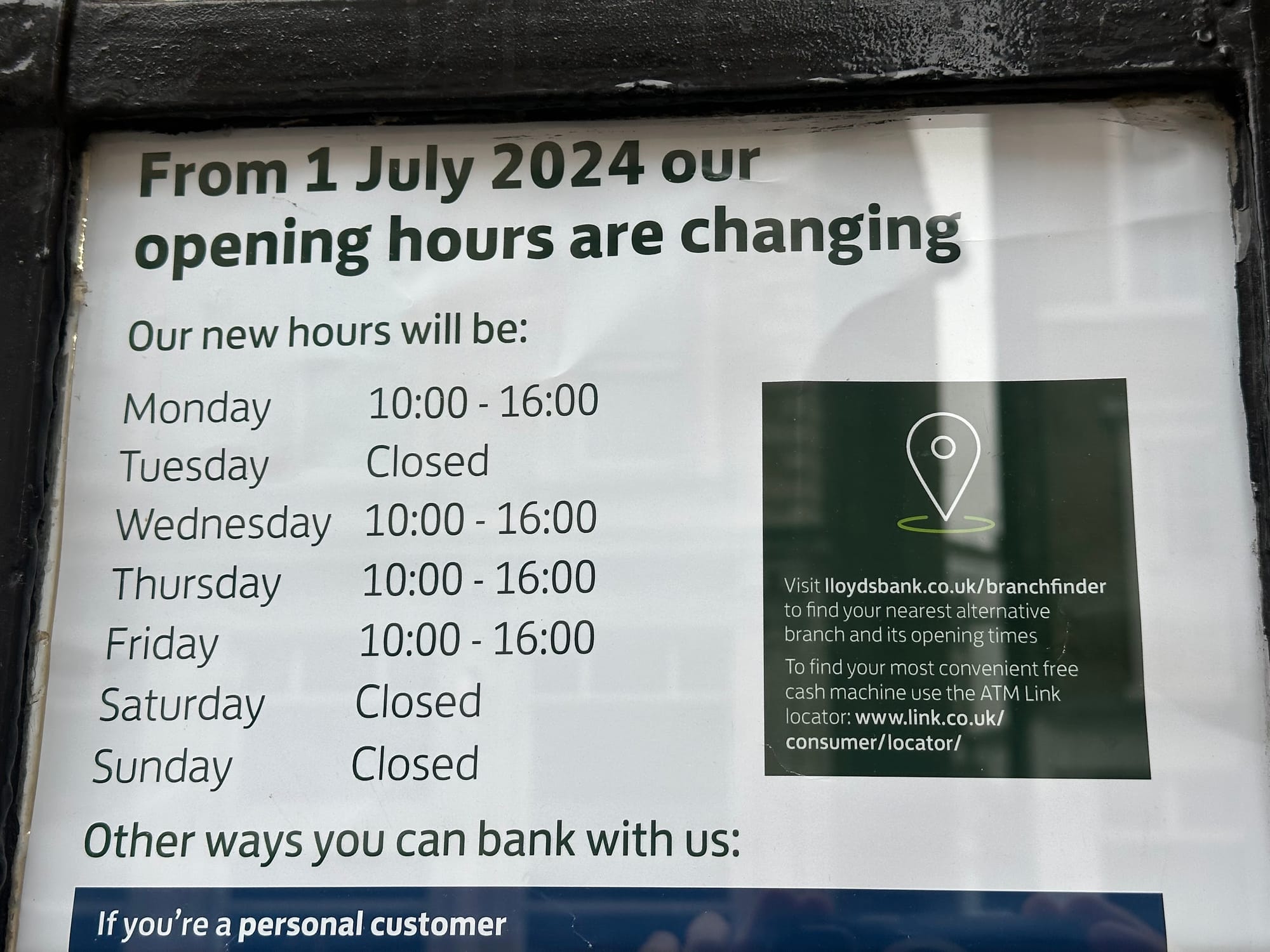
In-Person Check: If you happen to be in the vicinity, a quick glance at the posted hours on the branch door or window can provide immediate confirmation. This is particularly useful for smaller institutions or if you’re traveling and need to find a new banking location.
Understanding Holiday and Weekend Schedules
Bank holidays often coincide with federal holidays, but not always. It’s crucial to distinguish between the two.
-
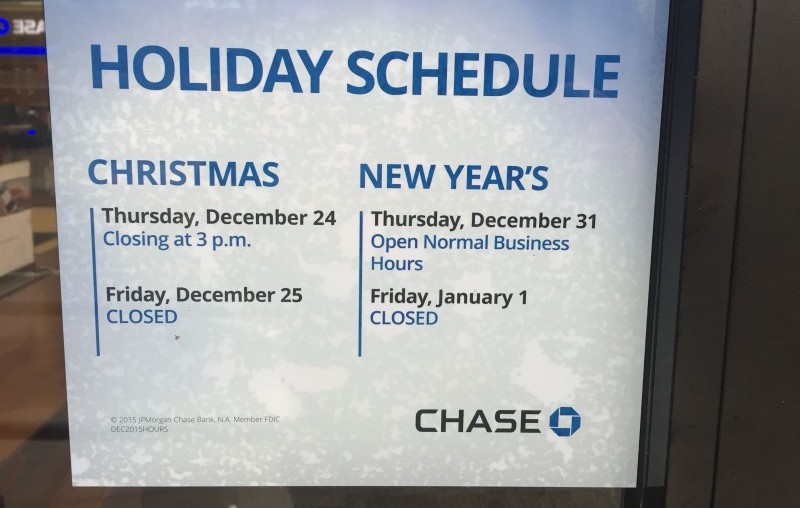
Federal vs. Bank Holidays: While most banks observe federal holidays like New Year’s Day, Memorial Day, Independence Day, Labor Day, Thanksgiving, and Christmas, some might have different policies for other federal observances. Always check your bank’s specific holiday schedule, usually published on their website well in advance.
-
Impact on Transaction Processing: Even if online and mobile banking remains accessible during holidays, the back-end processing of transactions will be delayed until the next business day. This affects check deposits, wire transfers, and ACH payments, potentially impacting when funds become available or when bills are officially paid.
-
Weekend Operations: Saturdays typically feature shorter hours, often closing around 1 PM or 2 PM. Sundays are almost universally non-operational for physical branches, though ATMs and digital services remain available for basic transactions. Plan critical in-person banking needs for weekdays to avoid weekend limitations.
The Financial Implications of Bank Closing Times
Beyond mere inconvenience, failing to ascertain a bank’s closing time can have significant financial repercussions, impacting transaction timeliness, fund availability, and the ability to address urgent financial needs. Understanding these implications is key to mitigating potential risks and optimizing your financial planning.
Impact on Transaction Deadlines and Fund Availability
The most common ramification of missed closing times relates to transaction processing:
-
Deposit Cut-off Times: Most banks have a daily cut-off time for deposits, typically late afternoon. If you deposit a check or cash after this time, it will be processed on the next business day. This can delay when funds become available in your account, especially for checks which may have additional holds.
-
Wire Transfer Deadlines: Wire transfers, particularly international ones, often have strict cut-off times, sometimes as early as mid-afternoon, to ensure same-day processing. Missing this window means the transfer won’t initiate until the following business day, potentially causing delays in crucial payments or settlements.
-
ACH Transaction Windows: Automated Clearing House (ACH) transfers, used for direct deposits and electronic bill payments, also operate on daily batch processing schedules. If a payment or transfer is initiated too late in the day, it might not be included in the current day’s batch, pushing its processing to the next day.
-
Fund Availability for Bill Payments: A delay in fund availability due to missed cut-offs can lead to insufficient funds for scheduled bill payments, potentially incurring overdraft fees or late payment penalties. Proactive management ensures that funds clear well before payment due dates.
Planning for Critical Financial Needs
Certain financial tasks require in-person service, making branch hours critical:
-
Emergency Cash Withdrawals (Large Amounts): While ATMs provide 24/7 access to cash, they have daily withdrawal limits. For larger cash needs that exceed these limits, a trip to the teller during operating hours is essential.
-
Loan Applications and Closings: The final stages of securing a loan, such as signing documents or receiving disbursement, often necessitate an in-person visit. Aligning these appointments with branch hours is non-negotiable.
-
Document Notarization: Many banks offer free notary services to customers. If you have time-sensitive legal documents requiring notarization, you must visit during the notary’s availability, which coincides with branch hours.
-
Safe Deposit Box Access: Safe deposit boxes are only accessible during a branch’s regular operating hours, as they require staff assistance to open the vault.
-
Investment Deadlines: For certain investment transactions that cannot be completed online or require a physical signature, adherence to bank or brokerage branch hours is vital to meet market deadlines.
The Role of Online and Mobile Banking in Extending Access
While physical branches adhere to specific hours, online and mobile banking platforms effectively extend “access” to your finances 24/7. You can check balances, review transactions, transfer funds between your own accounts, pay bills, and even deposit checks via mobile capture at any time. However, it’s crucial to remember the distinction: these actions might be initiated immediately, but the processing and finalization of certain transactions, especially those involving external accounts or requiring manual review, still typically adhere to the bank’s daily cut-off times and business day schedules. Digital tools offer unparalleled convenience but don’t eliminate the underlying operational constraints of the financial system.
Optimizing Your Banking Habits for Maximum Efficiency
Mastering your bank’s operating hours is a cornerstone of intelligent financial management. By adopting proactive strategies, you can minimize stress, avoid penalties, and ensure your financial life runs smoothly.
Proactive Scheduling and Financial Calendar Integration
Don’t leave critical banking tasks to chance. Incorporate your bank’s schedule into your personal financial planning:
-
Note Key Hours and Holidays: Keep a readily accessible record of your primary bank branch’s regular operating hours, including Saturday schedules. Mark all bank holidays on your personal or digital calendar, noting that these days will affect transaction processing.
-
Integrate Financial Task Reminders: For any recurring or one-off banking tasks that require in-person attention or have specific cut-off times (e.g., submitting a large check, making a wire transfer, accessing a safe deposit box), set calendar reminders well in advance. This ensures you allocate sufficient time to visit the branch or complete the transaction before deadlines.
-
Plan Ahead for Large Transactions: If you anticipate a significant financial event, such as a down payment on a house, a large stock purchase, or an important bill payment, confirm the required processing times and available funds several days prior to the deadline, accounting for potential bank closures or delays.
Leveraging Automated Financial Tools
The rise of automated banking solutions has significantly reduced the need for frequent, time-sensitive trips to a physical branch:
-
Automate Bill Payments: Set up automatic payments for recurring bills directly from your checking account. This ensures bills are paid on time without you needing to remember due dates or visit the bank. Always ensure adequate funds are available before the payment date.
-
Schedule Recurring Transfers: Automate transfers between your own accounts (e.g., from checking to savings, or a regular contribution to an investment account). This promotes consistent saving and investing habits without needing manual intervention.
-
Utilize Direct Deposit: Ensure your paycheck or other regular income is directly deposited into your bank account. This eliminates the need to visit a branch to deposit a physical check and ensures funds are available quickly.
-
Mobile Check Deposit: Most banks offer mobile check deposit via their apps, allowing you to deposit checks instantly from anywhere, anytime, bypassing branch hours. Just be mindful of daily limits and fund availability policies.
Building a Relationship with Your Branch and Banker
While digital tools are powerful, the human element of banking still holds significant value, especially for complex financial needs:
-
Know Your Local Branch: Familiarize yourself with the specific branch where you conduct most of your in-person banking. Understanding its typical traffic patterns, busiest times, and staff can make your visits more efficient.
-
Develop a Relationship with a Banker: For individuals with more intricate financial requirements (e.g., business accounts, complex loans, investment advice), establishing a relationship with a specific personal banker or branch manager can be invaluable. They can provide personalized advice, offer insights into specific branch services or upcoming changes, and potentially facilitate smoother transactions during unusual circumstances.
-
Stay Informed: Beyond checking generic online schedules, pay attention to local announcements from your bank, particularly during holiday seasons or periods of potential disruption. Subscribing to your bank’s email newsletters can also provide timely updates on hours, services, and any temporary changes.
By understanding the dynamics of modern banking hours and proactively employing the available tools and strategies, you can transform the simple question of “what time the bank closes” into an opportunity for more effective and less stressful financial management.
aViewFromTheCave is a participant in the Amazon Services LLC Associates Program, an affiliate advertising program designed to provide a means for sites to earn advertising fees by advertising and linking to Amazon.com. Amazon, the Amazon logo, AmazonSupply, and the AmazonSupply logo are trademarks of Amazon.com, Inc. or its affiliates. As an Amazon Associate we earn affiliate commissions from qualifying purchases.