
In the contemporary digital landscape, a brand’s presence is no longer defined merely by the quality of its products, but by the resonance of its digital heartbeat. TikTok has emerged as the primary arena for this cultural exchange, offering a discovery engine that can propel a brand from obscurity to global recognition overnight. However, the platform’s high-velocity nature means that content has a shorter shelf life than on traditional social media. For brand managers and digital strategists, the question of “what time should you post on TikTok” is not a matter of idle curiosity—it is a critical variable in a complex equation of engagement, visibility, and conversion.
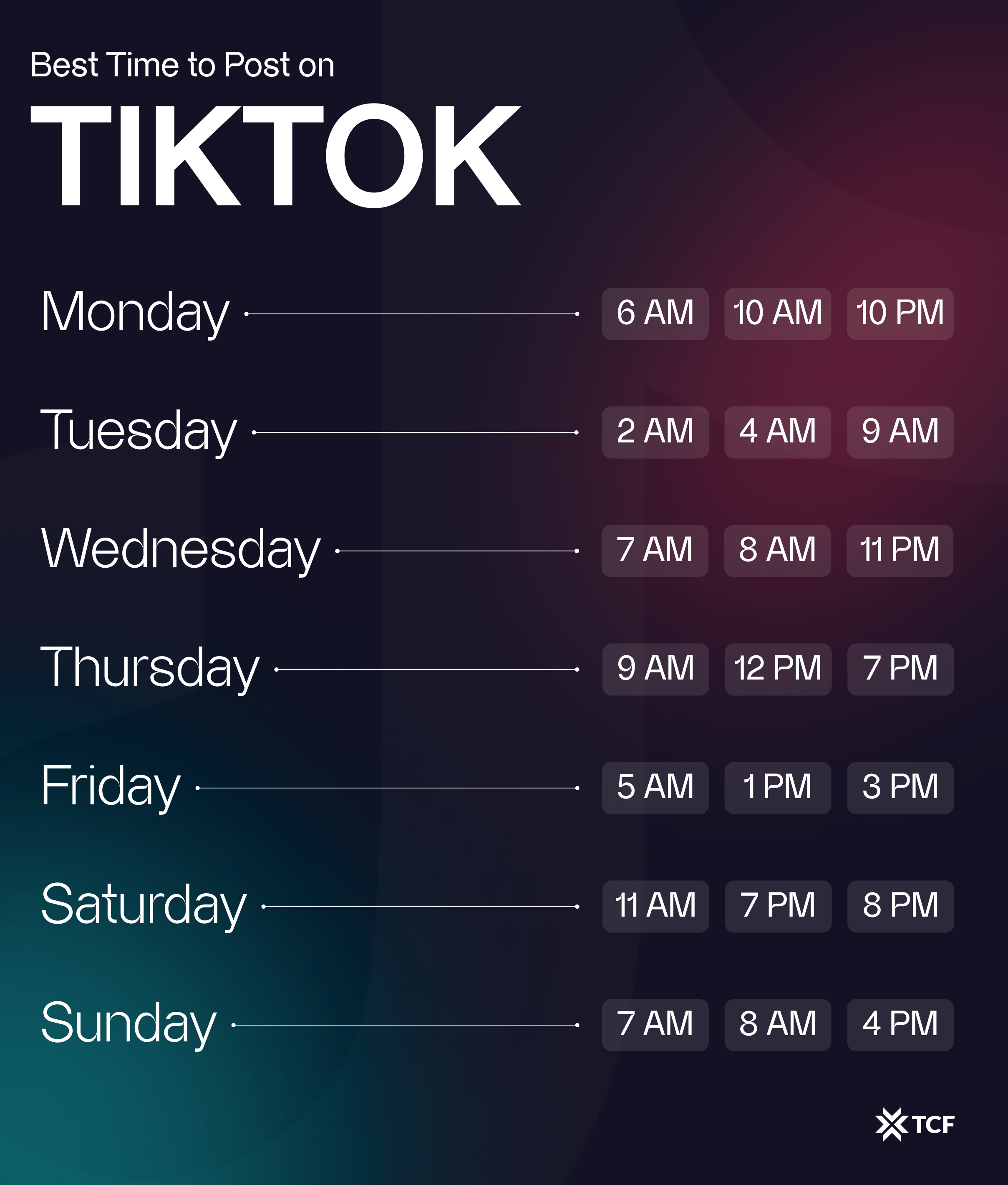
Timing on TikTok is the bridge between content creation and community building. If a brand delivers a masterpiece of storytelling at a moment when its target demographic is disconnected, the algorithm—deprived of initial engagement signals—will likely stall the video’s distribution. To master the TikTok clock, brands must move beyond generic schedules and adopt a sophisticated strategy rooted in behavioral psychology, data analytics, and global market trends.
The Algorithm as a Brand Engine: Why Timing Dictates Reach
To understand why posting times matter, one must first understand the TikTok “For You” Page (FYP) algorithm. Unlike platforms that prioritize chronological feeds or established social graphs, TikTok functions as an interest-based discovery engine. When a brand publishes a video, the platform serves it to a small “test group” of users. The speed and intensity with which this group interacts with the content—through likes, comments, shares, and most importantly, watch time—dictate whether the video is pushed to a wider audience.
The Concept of Initial Velocity
In brand marketing, “Initial Velocity” refers to the rate of engagement in the first sixty minutes following a post. If your brand posts during a peak activity window for your specific niche, you maximize the probability of high engagement from this initial test group. This positive feedback loop signals to the algorithm that the content is valuable, leading to exponential reach. For a brand, this means that posting at the “right” time acts as a catalyst, transforming a standard piece of marketing into a viral brand asset.
Building Brand Reputation through Recency
While TikTok content can occasionally “slow burn” and go viral weeks after posting, the vast majority of brand impact happens in the immediate aftermath of publication. Consistent timing helps in establishing a brand “appointment.” When a brand posts during the windows its audience is most receptive, it begins to own those moments in the consumer’s daily routine. This reinforces brand recall and fosters a sense of reliability and presence in the consumer’s digital life.
Defining Your Brand’s Prime Time: A Data-Driven Approach
While general benchmarks exist, a sophisticated brand strategy requires a bespoke posting schedule. There is no universal “best time” that applies to a luxury fashion house, a B2B software company, and a local organic grocer simultaneously. The strategy must be dictated by the specific habits of the target persona.
Analyzing the “Dream Customer” Routine
Brand strategy begins with the persona. When is your ideal customer checking their phone?
- The High-Performing Professional: This demographic often scrolls during early morning commutes (6:00 AM – 8:00 AM) or late-night “decompression” windows (9:00 PM – 11:00 PM).
- The Gen Z Consumer: This group exhibits high activity during mid-afternoon school breaks and consistent late-night usage extending well past midnight.
- The Working Parent: Their peak engagement windows often fall during the “afternoon slump” (2:00 PM – 4:00 PM) or after the household has settled (8:00 PM – 10:00 PM).
By aligning your posting schedule with these behavioral cycles, you ensure that your brand message arrives when the consumer is in the correct psychological state to receive it.
Leveraging TikTok Pro Analytics
A brand’s own data is its most valuable asset. The TikTok Analytics suite provides a “Follower Activity” tab that is essential for strategic planning. This tool reveals exactly when your current followers are most active on the platform. A sophisticated brand strategy involves identifying the peaks in this data and posting approximately 30 to 60 minutes before those peaks. This ensures that the content has been processed by the algorithm and is ready to be served exactly as the majority of the audience logs on.
The Psychology of Content Consumption Across Time Slots
Effective brand strategy recognizes that the type of content you post should shift depending on the time of day. The psychological state of a user changes as they progress from morning to night, and your brand’s voice should reflect that shift to maximize engagement.
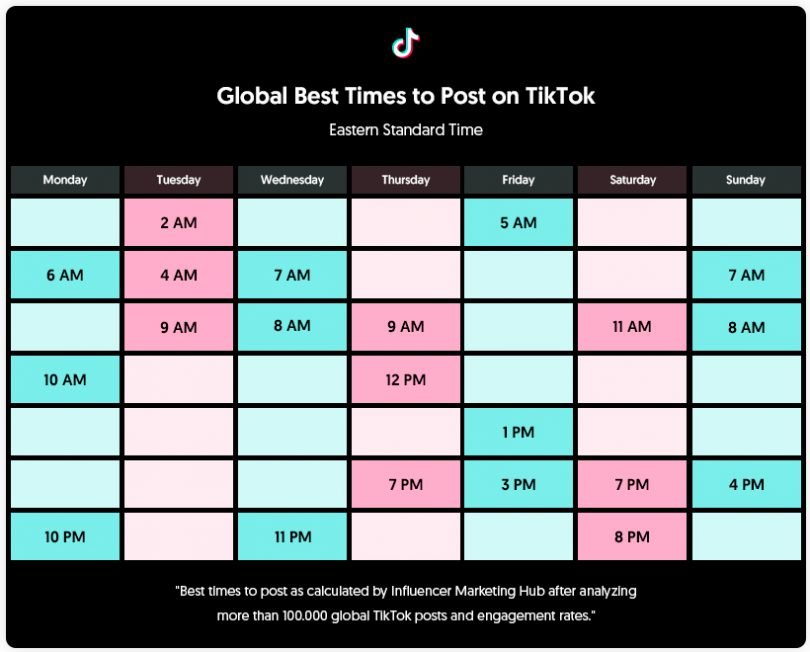
The Morning Hook: Informative and Energizing
In the early hours, users are often looking for quick hits of information, news, or motivation to start their day. For brands, this is the time for “How-to” tips, industry news, or “Productivity Hacks.” A brand that provides value during the morning coffee window positions itself as an essential part of the user’s daily success. The tone should be crisp, professional, and energetic.
The Midday Interruption: Entertainment and Relatability
During lunch breaks and afternoon slumps, the user’s primary motivation is escapism. They are looking for a mental break from work or study. This is the optimal window for brands to deploy “Behind the Scenes” content, humor, or lifestyle-focused storytelling. Brands that can make a user laugh or feel a sense of human connection during a stressful workday build significant emotional equity.
The Late-Night Scroll: Community and Emotional Connection
As the day winds down, TikTok usage often becomes more passive and immersive. Users are more likely to watch longer videos and engage in the comments section. This is the prime time for deep-dive brand stories, community Q&As, and content that evokes emotion. It is a period of high receptivity for brand values and mission-driven narratives. A brand that can capture a user’s attention during this reflective period can move a follower from a casual observer to a loyal brand advocate.
Global Strategy: Navigating Time Zones and Cultural Shifts
For international brands, the question of “when to post” becomes a multi-dimensional challenge. If your brand is based in London but 60% of your target market is in New York, your posting schedule must prioritize the US Eastern Time Zone.
The Multi-Peak Posting Strategy
Global brands often cannot rely on a single post per day. To maintain a presence across multiple key markets, a “Multi-Peak” strategy is often necessary. This involves posting 2–3 times daily to catch the peak engagement windows in different geographical regions. For instance, a post at 8:00 AM GMT captures the European morning audience, while a post at 4:00 PM GMT captures the US East Coast morning and the European evening.
Adapting to Cultural Calendars
Brand strategy must also account for local variations in weekend behavior and holidays. In many Western markets, Saturday mornings are high-engagement times for lifestyle and hobby brands, whereas Friday afternoons may see a dip as people transition to offline social activities. Conversely, in regions with different workweeks, such as parts of the Middle East, the peak engagement days will shift accordingly. A brand that demonstrates an awareness of these cultural nuances through its posting cadence appears more authentic and globally literate.
Beyond the Clock: Integrating Timing into the Holistic Brand Strategy
While timing is a critical lever, it does not exist in a vacuum. A high-performing brand strategy integrates timing with frequency, consistency, and content quality. Masterfully timed posts will fail if the brand’s identity is inconsistent or if the content lacks value.
Consistency Over Virality
In brand building, the goal is rarely a one-hit wonder. It is the cumulative effect of being present and relevant over time. Establishing a consistent posting schedule—for example, every weekday at 10:00 AM—creates a “brand pulse.” This consistency helps the algorithm categorize your content and predict who will enjoy it, leading to more stable and predictable growth. It also builds trust with your audience; they know when to expect your voice.
The Role of Trends and Real-Time Marketing
Strategic timing also involves “Trend Catching.” In the TikTok ecosystem, a sound or challenge can peak and fade within 48 hours. A brand that waits for its “optimal” Tuesday morning slot to participate in a trend that peaked on Sunday evening has already missed the window. Effective brand strategy allows for flexibility—combining a scheduled “evergreen” content calendar with the agility to post “reactive” content at any hour if the cultural moment demands it.
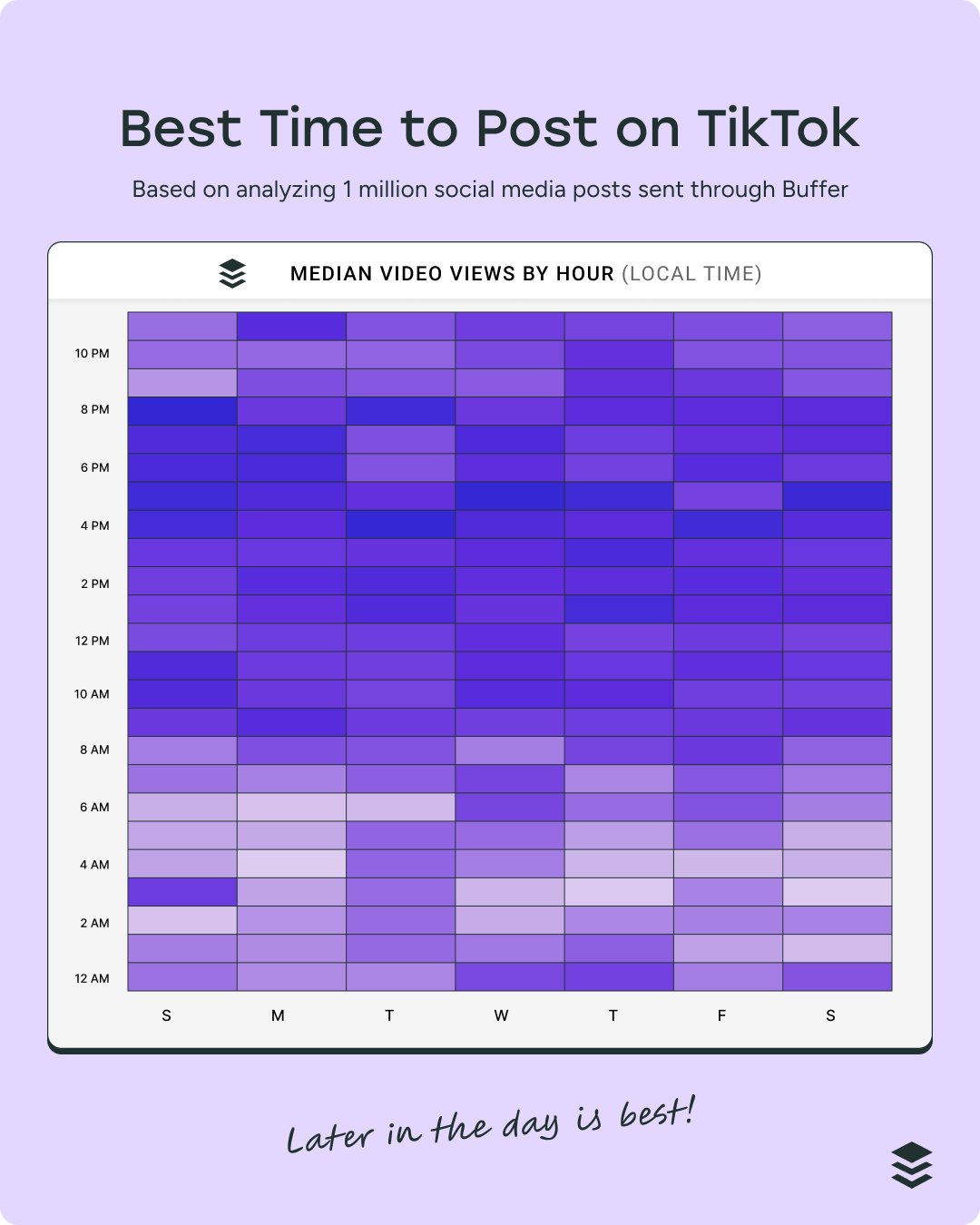
Conclusion: Mastering the Pulse of the Feed
Determining what time to post on TikTok is an exercise in strategic empathy. It requires the brand to step into the shoes of the consumer and understand the rhythms of their daily life. By combining the hard data provided by TikTok Analytics with a nuanced understanding of audience psychology and global time zones, brands can move beyond guesswork.
The most successful brands on TikTok treat their posting schedule as a living document, constantly refined through A/B testing and performance analysis. They recognize that while the algorithm is complex, its goal is simple: to connect users with content they love at the moment they are most likely to enjoy it. By mastering the clock, a brand ensures that when that moment arrives, it is their voice that the consumer hears. In the fast-moving world of TikTok, timing isn’t just a tactic—it is the heartbeat of a successful brand strategy.
aViewFromTheCave is a participant in the Amazon Services LLC Associates Program, an affiliate advertising program designed to provide a means for sites to earn advertising fees by advertising and linking to Amazon.com. Amazon, the Amazon logo, AmazonSupply, and the AmazonSupply logo are trademarks of Amazon.com, Inc. or its affiliates. As an Amazon Associate we earn affiliate commissions from qualifying purchases.