
The Economics of Sleep: Investing in Your Child’s Developmental Capital
In the world of personal finance and wealth management, we often speak of “compounding interest”—the idea that small, consistent investments made today result in exponential gains over a lifetime. While we typically apply this logic to index funds and retirement accounts, the same principle applies to human capital. Your toddler’s sleep schedule is not merely a household management issue; it is a long-term investment in their cognitive development, emotional regulation, and future productivity.
When determining the optimal bedtime for a toddler, parents must view sleep through the lens of resource allocation. A toddler’s brain is undergoing a period of hyper-growth. By optimizing their rest, you are essentially investing in the “software” that will run their executive functions—impulse control, memory retention, and problem-solving—for years to come. Poor sleep, conversely, represents a “deficit” in this capital, leading to higher costs in parental energy, potential behavioral interventions, and fragmented development. Understanding the timing of this investment is key to securing high-yield returns in your child’s health and happiness.
Market Analysis: The Optimal Window for Bedtime
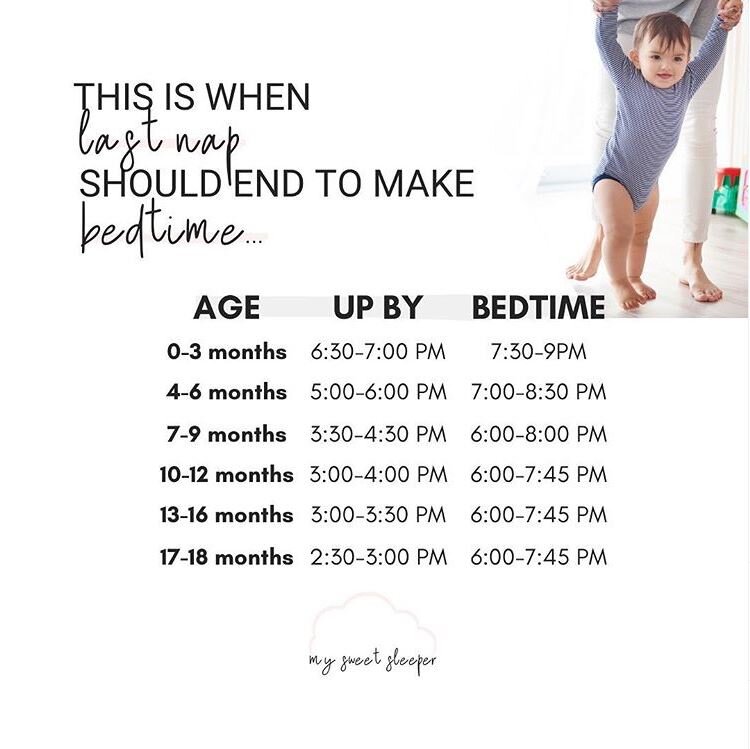
Market research into pediatric development suggests that the biological “sweet spot” for a toddler’s bedtime typically falls between 7:00 PM and 8:00 PM. Much like a business operation that runs most efficiently during peak hours, a toddler’s internal clock—the circadian rhythm—is optimized for deep, restorative sleep during the hours before midnight.
The Cost of Over-Fatigue
When a toddler stays up past their biological readiness, the body begins to produce cortisol, the primary stress hormone. From a financial perspective, think of cortisol as high-interest debt. It keeps the child alert and restless, making the transition to sleep significantly more difficult and increasing the likelihood of night wakings. You are essentially paying a “premium” in time and energy to put a child to bed who has become physically and neurologically overdrawn.
Leveraging Circadian Consistency
Consistency is the most powerful tool in your portfolio. When a toddler is put to bed at the same time every night, the body learns to automate the production of melatonin. By reducing the “transaction costs” of falling asleep, you create an efficient routine that pays dividends in predictability. If your child’s bedtime fluctuates by more than 30 minutes, you are introducing volatility into their internal system, which can disrupt the following day’s schedule, much like a supply chain bottleneck affects production.
Balancing the Portfolio: Managing Nap Time and Wake Windows
To maximize the return on your sleep investment, you must manage the “daily liquidity” of your toddler’s energy. This is achieved through the careful tracking of “wake windows”—the amount of time a child spends awake between sleep sessions.

Analyzing the Wake Window Metric
A typical toddler (aged 1–3) generally requires an awake period of approximately 5.5 to 6 hours before they are ready for their nightly slumber. If your toddler naps late in the afternoon, you are effectively pushing their “sleep debt” into the evening hours. To stabilize the portfolio, many high-performing families cap the duration or the end-time of the afternoon nap. If the nap ends too close to the desired bedtime, the “market” for sleep isn’t ready, and your child will resist the transition.
Assessing Opportunity Costs
Consider the opportunity cost of an early bedtime versus a late one. While a later bedtime might seem to offer more “family time,” the cost is often a diminished quality of morning performance for both parent and child. A toddler who is chronically sleep-deprived displays lower executive function and increased volatility, which requires a higher expenditure of parental patience. By choosing the earlier, optimal bedtime, you are hedging against the risk of morning meltdowns and ensuring that your own assets—your energy and mental bandwidth—are preserved for the upcoming day.
Strategies for Managing Transitions and Reducing Overhead
Implementing a successful sleep strategy requires a transition plan, or a “pre-market” routine. Just as one might perform a daily review of accounts to prepare for the market open, a toddler requires a structured period of decompression before the market of sleep officially closes for the night.
Establishing the “Sunset” Protocol
A consistent 30-minute routine serves as the buffer between the high-activity “business hours” of the day and the restorative “after-hours” of the night. This should be a low-stimulus period: dim lighting, quiet play, and predictable, repetitive activities. By stripping away digital stimuli and high-energy play, you are lowering the barrier to entry for deep sleep. This is not just a convenience; it is a structural necessity that protects the integrity of the night’s rest.
Auditing the Environment for Maximum Yield
Finally, consider the environmental variables that impact your sleep investment. Does the room provide total darkness? Is the temperature regulated? Are there auditory distractions? Much like a professional workspace designed for maximum output, a bedroom should be an optimized environment for sleep. Every external distraction is a “leak” in your system, reducing the quality of the rest and therefore the return on your time investment. Investing in blackout curtains or a white-noise machine is a one-time capital expenditure that yields continuous improvements in sleep quality.
Long-Term Outlook: Compounding Gains in Development
When you settle into a consistent, early-evening bedtime, you are building a foundation of resilience. Toddlers who are well-rested show better social-emotional development, as they possess the neurological energy to navigate the challenges of interacting with peers and learning new skills.
Protecting Your Gains
There will inevitably be “market corrections”—teething, developmental leaps, or travel—that disrupt the established schedule. The key to maintaining a successful strategy is resilience and reversion to the mean. Do not be discouraged by a temporary dip in performance; simply tighten your protocols and return to the baseline as soon as possible. The resilience of your sleep plan is more important than the occasional outlier event.

The Future Value of Sleep
Ultimately, the time at which you put your toddler to bed is a reflection of your long-term priorities. By treating sleep as a precious asset rather than an inconvenience, you provide your child with the biological resources they need to thrive. As they grow, these early habits will serve as the framework for their own health and wellness management. Just as we teach children the value of saving money and budgeting their resources, establishing a disciplined, restorative bedtime is a foundational lesson in managing their most precious personal asset: their own energy.
By consistently investing in their rest today, you are securing a brighter, more productive, and more stable future for your child. In the ledger of life, there is no investment that yields a higher rate of return than the gift of a good night’s sleep.
aViewFromTheCave is a participant in the Amazon Services LLC Associates Program, an affiliate advertising program designed to provide a means for sites to earn advertising fees by advertising and linking to Amazon.com. Amazon, the Amazon logo, AmazonSupply, and the AmazonSupply logo are trademarks of Amazon.com, Inc. or its affiliates. As an Amazon Associate we earn affiliate commissions from qualifying purchases.