
Establishing a consistent and adequate sleep schedule for a four-year-old is a cornerstone of their healthy development. While the biological imperative for sleep is universal, the optimal timing and duration can feel like a moving target for parents navigating the complexities of childhood. In an era increasingly influenced by data-driven insights and technological solutions, understanding when your four-year-old should be drifting off to sleep can be significantly informed by the innovative tools and research available at our fingertips. This article delves into the intersection of sleep science, child development, and technology, offering a comprehensive guide to determining the ideal bedtime for your preschooler and how technology can be your ally in achieving it.

The Science of Sleep for Four-Year-Olds: What the Data Tells Us
The foundation of any effective sleep strategy lies in understanding the physiological and developmental needs of the child. For four-year-olds, sleep is not merely a period of rest; it’s an active process crucial for cognitive function, emotional regulation, physical growth, and immune system development. Scientific research, often amplified and disseminated through digital platforms, provides clear guidelines on sleep duration.
Recommended Sleep Duration: Benchmarking Against Guidelines
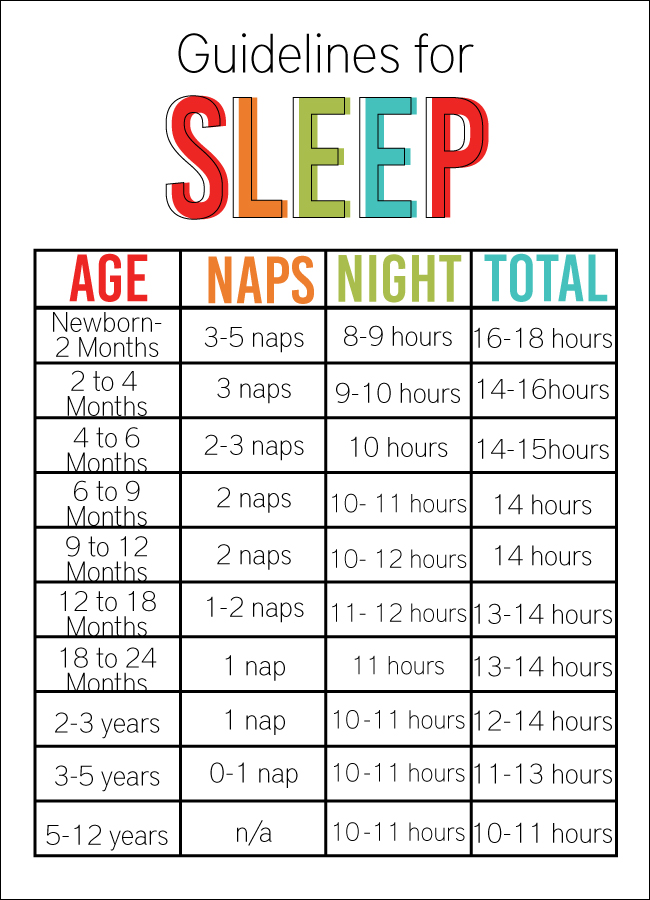
Numerous reputable organizations, including the American Academy of Sleep Medicine and the National Sleep Foundation, offer evidence-based recommendations for children’s sleep. For preschoolers aged 3-5 years, the consensus generally points to a total sleep duration of 10 to 13 hours per 24-hour period. This includes both nighttime sleep and any daytime naps. It’s important to note that individual needs can vary within this range, but deviating significantly from these recommendations can have observable consequences. This data is readily accessible through online health portals, academic journals, and parenting resources, all of which leverage digital technologies for dissemination.
The Impact of Sleep on Development: Insights from Digital Research
The consequences of insufficient sleep for a four-year-old are far-reaching, impacting various facets of their development. Beyond the obvious grogginess, sleep deprivation can manifest as:
- Cognitive Impairments: Difficulty with attention, concentration, memory, and problem-solving. This can translate to challenges in preschool or kindergarten readiness.
- Emotional Dysregulation: Increased irritability, mood swings, impulsivity, and a lower threshold for frustration. This can strain parent-child interactions and social development.
- Behavioral Issues: Hyperactivity, defiance, and an increased likelihood of behavioral problems. Sometimes, tired children are misdiagnosed with conditions like ADHD due to similar behavioral presentations.
- Physical Health Concerns: A weakened immune system, making them more susceptible to illness, and potential long-term implications for growth and metabolic health.
These insights are not confined to obscure scientific texts; they are widely discussed and explained through online educational platforms, webinars, and digital parenting communities. Understanding the “why” behind sufficient sleep empowers parents to prioritize it.
Sleep Cycles and Age-Specific Needs: Algorithmic Approaches to Understanding
Children’s sleep architecture, the pattern of different sleep stages, evolves as they grow. Four-year-olds are typically transitioning away from multiple naps towards a single, consolidated daytime nap or no nap at all. Their sleep cycles are also slightly different from adults’, and understanding these nuances can help in timing bedtime effectively. While not explicitly “apps” for sleep cycles, wearable sleep trackers (discussed later) and sophisticated algorithms analyze sleep patterns to provide insights into the quality and timing of sleep, helping parents identify optimal wake-up and bedtime windows. The data gleaned from these technologies allows for a more personalized approach, moving beyond generic advice to tailored recommendations.
Technological Tools for Optimizing Preschooler Sleep
The digital age offers a plethora of technological solutions designed to support parents in establishing and maintaining healthy sleep routines. From smart devices to sophisticated apps, technology can be a powerful ally in ensuring your four-year-old gets the restorative sleep they need.
Smart Sleep Aids and Environmental Controls: Creating the Perfect Sleep Sanctuary
Creating an optimal sleep environment is paramount, and technology can automate and enhance this process.
- Smart Nightlights and Sound Machines: Many modern nightlights offer customizable colors, brightness levels, and even gentle soundscapes designed to promote relaxation and sleep. Some can be controlled remotely via a smartphone app, allowing parents to adjust settings without disturbing a sleeping child. Smart sound machines can offer white noise, nature sounds, or lullabies, with features like auto-shutoff timers and volume control. These devices leverage the internet of things (IoT) to create a more responsive and personalized sleep environment.
- Smart Thermostats and Air Purifiers: Maintaining a consistent, cool room temperature is crucial for sleep. Smart thermostats can learn your family’s patterns and automatically adjust the temperature to an ideal sleep setting. Smart air purifiers can ensure the air quality in the bedroom is optimal, contributing to a healthier and more comfortable sleep space.
- Blackout Curtains with Smart Controls: Light is a powerful regulator of the circadian rhythm. Smart blackout curtains can be programmed to open and close at specific times, ensuring the room remains dark for optimal melatonin production during sleep hours and gradually allows natural light to signal wake-up.
Wearable Sleep Trackers and Monitoring Devices: Data-Driven Insights for Parents
While the direct application of wearables on four-year-olds might be limited due to comfort and accuracy concerns for very young children, the principles of sleep tracking are increasingly being integrated into children’s smartwatches or are used by parents to monitor their own sleep patterns, which indirectly influences the child’s environment. However, for parents seeking deeper insights, there are emerging technologies designed for this purpose.
- Non-Contact Sleep Monitors: These devices, often placed under the mattress or crib, use sensors to track movement, breathing patterns, and sleep duration without any physical contact with the child. They can provide detailed reports on sleep quality, wake times, and overall sleep patterns, which can then be used to identify potential issues or confirm the effectiveness of sleep strategies.
- Parental Control Apps with Sleep Integration: Many comprehensive parental control apps are now incorporating sleep management features. These can include setting “wind-down” periods for device usage, tracking screen time before bed, and even integrating with smart home devices to create a pre-sleep routine. The data aggregated by these apps can highlight correlations between screen time, bedtime, and morning wakefulness.
Educational Apps and Digital Resources: Empowering Parents with Knowledge
Beyond hardware, a wealth of digital resources exists to educate and empower parents.
- Sleep Training Apps: While controversial for some, apps dedicated to sleep training methodologies offer structured plans and tracking tools to help establish independent sleep skills. These often provide daily guidance and progress reports, leveraging gamification and data logging to keep parents motivated.
- Informative Websites and Blogs: Reputable parenting websites, medical journals, and sleep specialist blogs are rich sources of information. They often present complex sleep science in an accessible format, utilizing infographics, videos, and interactive tools to explain concepts like sleep cycles, circadian rhythms, and the impact of screen time.
- Virtual Consultations with Sleep Specialists: The rise of telehealth has made it easier than ever to consult with pediatric sleep specialists from the comfort of your home. These virtual appointments leverage video conferencing technology to allow for personalized advice and the discussion of sleep data gathered from various devices.
Establishing the Optimal Bedtime: A Practical, Tech-Informed Approach
Determining the precise bedtime for a four-year-old involves a blend of understanding general recommendations, observing individual cues, and strategically utilizing technology to refine the process. The goal is to create a consistent, predictable routine that supports both sleep duration and quality.
Calculating the Ideal Window: Combining Recommendations and Observations
As established, four-year-olds generally need 10 to 13 hours of sleep per 24-hour period. If your child still naps for, say, 1.5 hours, then their nighttime sleep requirement would be between 8.5 and 11.5 hours. A common approach is to work backward from the desired wake-up time.
- Determine the Wake-Up Time: Consider your family’s daily schedule, including when your child needs to be ready for preschool or other activities. Let’s assume a target wake-up time of 7:00 AM.
- Factor in Sleep Duration: If your child requires 11 hours of sleep, their bedtime would ideally be around 8:00 PM. If they need 10 hours, then 9:00 PM would be the target.
- Observe for Sleep Cues: Pay close attention to your child’s behavior in the hour or two leading up to their desired bedtime. Signs of tiredness include rubbing eyes, yawning, becoming more withdrawn or clingy, reduced activity levels, or increased fussiness.
- Utilize Sleep Tracking Data (if available): If you’re using a sleep tracker, the data it provides on your child’s sleep and wake patterns can help you refine this window. For instance, if the tracker consistently shows your child waking up around 6:30 AM naturally, you might adjust their bedtime earlier to ensure they get their full sleep duration.
The Power of Routine: Tech-Enabled Consistency in the Evening Hours
Consistency is king when it comes to sleep. A predictable bedtime routine signals to your child’s brain and body that it’s time to wind down and prepare for sleep. Technology can play a supportive role in establishing and maintaining this routine.
- The “Wind-Down” Zone: The hour before bedtime should be a period of calm and quiet. This means reducing screen time – especially stimulating content. Many parental control apps can enforce this by automatically locking down certain apps or devices during designated “wind-down” periods.
- Calming Activities: Incorporate relaxing activities like reading books (with the aid of e-readers that offer customizable font sizes and backlighting), taking a warm bath (potentially with smart bath toys that offer gentle lights and sounds), or listening to quiet music. Smart speakers can be programmed to play soothing playlists during this time.
- Visual Schedules and Timers: For visual learners, digital visual schedules displayed on a tablet or smart display can be incredibly helpful. These can outline the steps of the bedtime routine (e.g., pajamas, brush teeth, story time) with clear icons. Timers integrated into these apps can also help children understand how much time is left for each activity, reducing resistance.

Addressing Common Sleep Challenges with Technological Solutions
Even with the best intentions and technological aids, sleep challenges can arise. Technology can offer innovative solutions for common issues faced by parents of four-year-olds.
- Nighttime Awakenings: If your child frequently wakes up at night, sleep trackers can help identify patterns and potential disruptions. Some smart nightlights can be programmed to emit a gentle, dim light if they detect prolonged wakefulness, signaling to the child that it’s still nighttime without fully rousing them.
- Resistance to Bedtime: This is a common hurdle. Utilizing digital rewards systems within parenting apps, where consistent adherence to bedtime routines earns points towards small privileges, can be motivating for some children. The predictability offered by visual schedules and timers can also reduce anxiety and resistance.
- Impact of Naps: As children approach the age where naps become less necessary, technology can help parents monitor nap duration and timing. Apps that track naps can help identify if a nap is too late in the day or too long, impacting nighttime sleep. Some smart sleep aids can also be programmed to gently wake a child from a nap if it’s nearing a time that would interfere with bedtime.
By integrating these technological tools and insights into a thoughtful, consistent approach, parents can gain greater confidence in establishing and maintaining an optimal bedtime for their four-year-old, fostering healthy sleep habits that will benefit them for years to come. The digital age, far from being a distraction, can be a powerful enabler of well-being, starting with the fundamental act of sleep.
aViewFromTheCave is a participant in the Amazon Services LLC Associates Program, an affiliate advertising program designed to provide a means for sites to earn advertising fees by advertising and linking to Amazon.com. Amazon, the Amazon logo, AmazonSupply, and the AmazonSupply logo are trademarks of Amazon.com, Inc. or its affiliates. As an Amazon Associate we earn affiliate commissions from qualifying purchases.