
For any investor or trader looking to navigate the global financial landscape, the New York stock market serves as the primary heartbeat of international commerce. Understanding exactly when the “opening bell” rings is more than just a matter of checking a clock; it is about understanding the windows of opportunity, liquidity, and volatility that define the trading day. Whether you are a retail investor managing a personal portfolio or a day trader seeking to capitalize on price swings, mastering the schedule of the New York Stock Exchange (NYSE) and the NASDAQ is fundamental to your financial success.

The New York stock market officially opens for regular trading at 9:30 AM Eastern Time (ET). However, the lifecycle of a trading day begins long before the first bell and continues well after the final gavel at 4:00 PM ET. This guide explores the intricate timing of the New York markets, the mechanics of extended trading hours, and the strategic considerations for investors operating across different time zones.
The Regular Trading Session: Core Market Hours
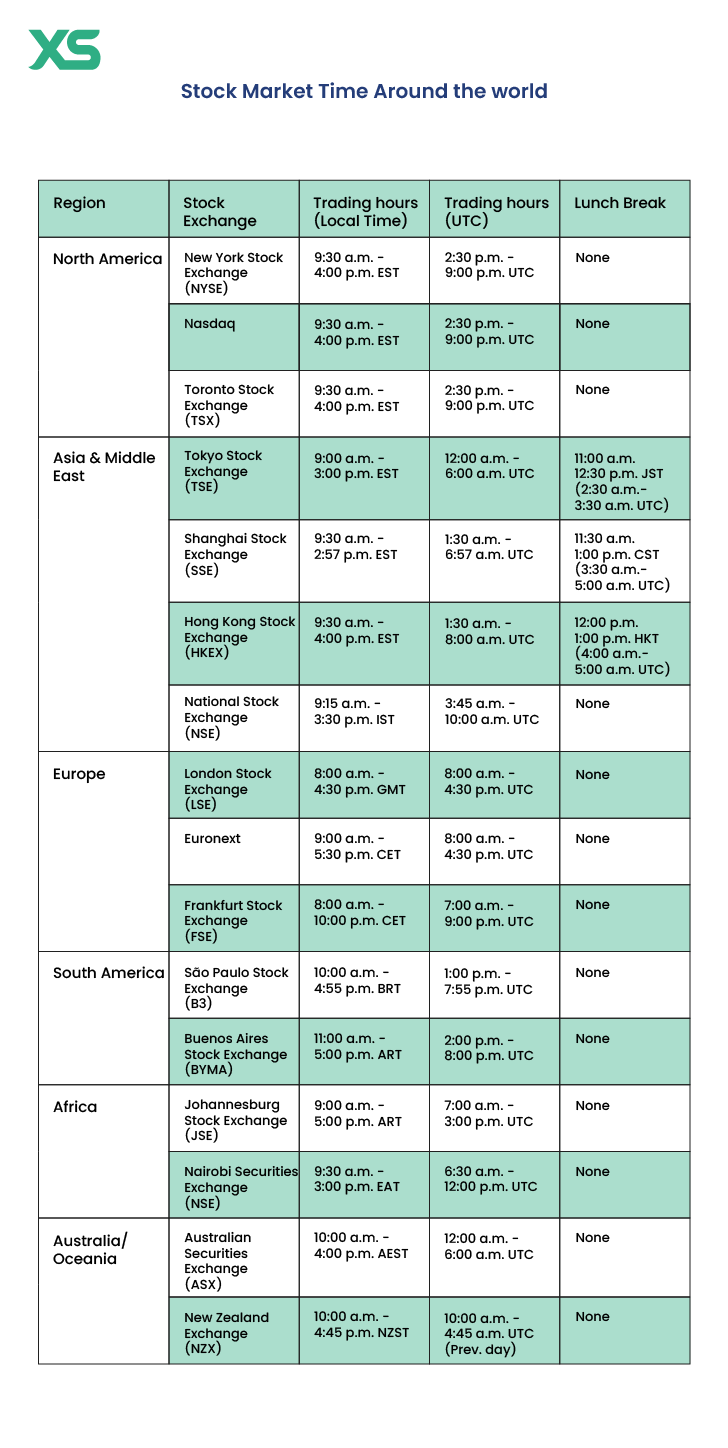
The standard trading session is the period when the vast majority of volume occurs and when liquidity is at its highest. For both the NYSE and the NASDAQ, the regular hours are Monday through Friday, 9:30 AM to 4:00 PM ET, excluding market holidays.
The Significance of the Opening Bell
The 9:30 AM opening is characterized by a burst of activity known as the “opening cross.” During this time, the exchange’s computers process a massive influx of buy and sell orders that have accumulated overnight. This often leads to high volatility as the market seeks “price discovery”—the process of determining the fair market value of a security based on new information released since the previous day’s close. For the disciplined investor, this first half-hour is critical; it often sets the tone for the remainder of the session.
The Mid-Day Lull
While the market remains open throughout the lunch hour, there is a noticeable decrease in volume and volatility between 12:00 PM and 2:00 PM ET. Institutional traders often step away, and the lack of liquidity can cause spreads to widen. For many long-term investors, this is a period of observation rather than aggressive action. However, for those looking to execute large orders without causing significant price impact, the quieter mid-day environment can sometimes be advantageous.
The Closing Auction and the Power Hour
The final hour of trading, from 3:00 PM to 4:00 PM ET, is often referred to as the “Power Hour.” This period frequently sees a surge in volume as institutional funds rebalance their positions and day traders close out their intraday holdings. The session concludes with the closing auction at 4:00 PM, a highly regulated process that ensures the “closing price” of a stock is determined accurately. This price is vital because it is used as the benchmark for mutual fund valuations and historical data tracking.
Extended Hours: Pre-Market and After-Hours Trading
The traditional 9:30 AM to 4:00 PM window is only a portion of the total available trading time. Electronic Communication Networks (ECNs) allow for trading outside of regular hours, providing flexibility for those who need to react to news events such as earnings reports or geopolitical shifts.
Pre-Market Trading
Pre-market trading in New York can begin as early as 4:00 AM ET, though the most significant volume usually starts around 8:00 AM ET. This session allows investors to react to overnight developments in Asian and European markets or to domestic news released before the opening bell. While pre-market trading offers an early-mover advantage, it comes with risks. Spreads are wider, and price movements can be erratic due to the lower number of participants.
After-Hours Trading
After-hours trading begins immediately following the 4:00 PM close and typically lasts until 8:00 PM ET. This session is particularly active during “earnings season.” When a major corporation like Apple or Microsoft releases its quarterly results at 4:05 PM, the stock can experience massive price swings in the after-hours market. For the average investor, participating in after-hours trading requires a brokerage account that supports extended hours and an understanding that limit orders are usually mandatory to protect against extreme price slippage.
Risks of Extended Hours
While the ability to trade for 16 hours a day (from 4:00 AM to 8:00 PM) offers convenience, it is not without peril. The lack of liquidity means that a relatively small order can move a stock’s price significantly. Furthermore, many of the protections found during regular hours—such as trading halts for extreme volatility—may operate differently or not at all in the extended sessions. Professional financial advisors often recommend that retail investors stick to regular hours unless they are managing a specific news-driven event.
Market Holidays and Modified Schedules
The New York stock market does not operate every day. It follows a schedule largely aligned with U.S. federal holidays, and it is essential for investors to keep these dates in mind to avoid being caught in a position they cannot exit.
Standard Market Holidays
The NYSE and NASDAQ are closed on the following holidays:
-
New Year’s Day
-
Martin Luther King, Jr. Day
-
Washington’s Birthday (Presidents’ Day)
-
Good Friday
-
Memorial Day
-
Juneteenth National Independence Day
-
Independence Day
-
Labor Day
-
Thanksgiving Day
-
Christmas Day
If a holiday falls on a Saturday, the market is typically closed on the preceding Friday. If it falls on a Sunday, the market is closed on the following Monday.
Early Closures
There are specific days when the market observes a “half-day,” closing at 1:00 PM ET instead of 4:00 PM. This typically occurs on the day after Thanksgiving (Black Friday) and sometimes on Christmas Eve, depending on the day of the week. Trading volume on these days is usually thin, and many institutional desks are minimally staffed, which can lead to subdued market movement.
Global Coordination: Time Zones and Daylight Saving
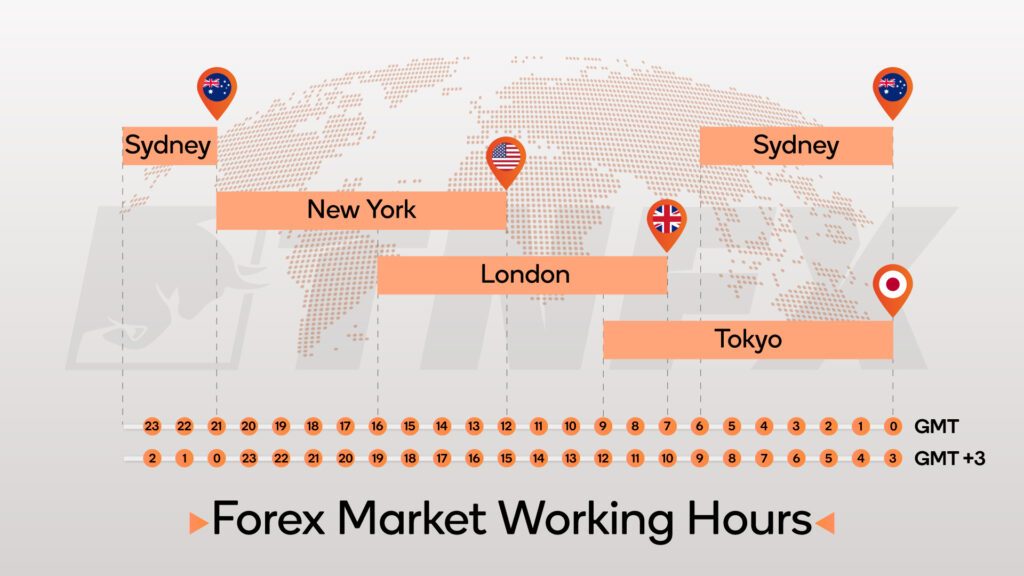
Because New York is the financial capital of the world, investors from London to Tokyo must synchronize their clocks with Eastern Time. This becomes particularly complex during the transition to and from Daylight Saving Time (DST).
Synchronizing with New York
For investors outside the Eastern Time Zone, the opening time shifts relative to their local clocks. For example:
-
Pacific Time (PT): Markets open at 6:30 AM and close at 1:00 PM.
-
Greenwich Mean Time (GMT/UTC): Markets typically open at 2:30 PM and close at 9:00 PM.
-
Hong Kong/Singapore (HKT/SGT): Markets typically open at 9:30 PM and close at 4:00 AM the following morning.
The Impact of Daylight Saving Time
The United States observes Daylight Saving Time from the second Sunday in March to the first Sunday in November. Because not all countries switch to DST on the same date—or at all—the time difference between New York and other global hubs can fluctuate by an hour for several weeks a year. This “shoulder period” can catch international traders off guard, leading to missed entries or late exits.
Strategic Timing for the Modern Investor
Knowing the time the market opens is the first step, but knowing when to execute a trade within those hours is a more nuanced skill. Market timing is often discouraged for long-term “buy and hold” investors, but for those managing active portfolios, the clock is a vital tool.
The First and Last 30 Minutes
Statistics show that the highest volume and most significant price discovery occur in the first 30 minutes (9:30–10:00 AM) and the last 30 minutes (3:30–4:00 PM) of the trading day. For retail investors, executing trades during these windows ensures that you are getting a price that reflects the broad market consensus. Conversely, if you are looking for stability and lower volatility, the “mid-day” period from 11:00 AM to 2:00 PM may be more appropriate for entering long-term positions.
Utilizing Automation
In the modern era, you don’t necessarily have to be at your desk when the market opens. Most online brokerages and financial tools allow for “scheduled orders” or “stop-limit orders” that trigger automatically based on price or time. However, setting an order to execute exactly at 9:30 AM can be risky due to the initial volatility spike. Many seasoned investors wait until 10:00 AM to allow the “morning dust” to settle before committing capital.
The Role of Economic Reports
Investors must also be aware of the “pre-market” economic calendar. Major data points, such as the Consumer Price Index (CPI) or Non-Farm Payrolls, are typically released at 8:30 AM ET—one hour before the New York market opens. These reports can cause massive fluctuations in futures contracts, which in turn dictate the “gap up” or “gap down” of stocks at 9:30 AM. Staying informed about these timed releases is as important as knowing the market’s opening hours themselves.
In conclusion, while the New York stock market officially opens at 9:30 AM ET, the reality of modern finance is a 24-hour cycle of information and movement. By understanding the core hours, the risks of extended trading, and the impact of the global clock, investors can better position themselves to protect their capital and capitalize on the immense liquidity of the world’s most influential financial markets.
aViewFromTheCave is a participant in the Amazon Services LLC Associates Program, an affiliate advertising program designed to provide a means for sites to earn advertising fees by advertising and linking to Amazon.com. Amazon, the Amazon logo, AmazonSupply, and the AmazonSupply logo are trademarks of Amazon.com, Inc. or its affiliates. As an Amazon Associate we earn affiliate commissions from qualifying purchases.