
For investors, traders, and financial analysts, the release of Nvidia’s quarterly earnings has become the most anticipated event on the Wall Street calendar, often rivaling the monthly jobs report or Federal Reserve interest rate decisions in its ability to move global markets. As the primary beneficiary of the generative AI boom, Nvidia’s financial performance serves as a barometer for the health of the entire technology sector and the broader economy’s appetite for capital expenditure. If you are asking what time Nvidia reports today, you are looking for more than just a timestamp; you are looking for the precise moment when market volatility is likely to peak and when the next major narrative for the fiscal year will be established.
Timing the Release: When the Numbers Hit the Wire
Nvidia traditionally follows a standardized schedule for its quarterly financial disclosures. As is the case with most mega-cap technology companies listed on the Nasdaq, Nvidia typically releases its earnings results shortly after the closing bell of the New York Stock Exchange.
The Press Release Window
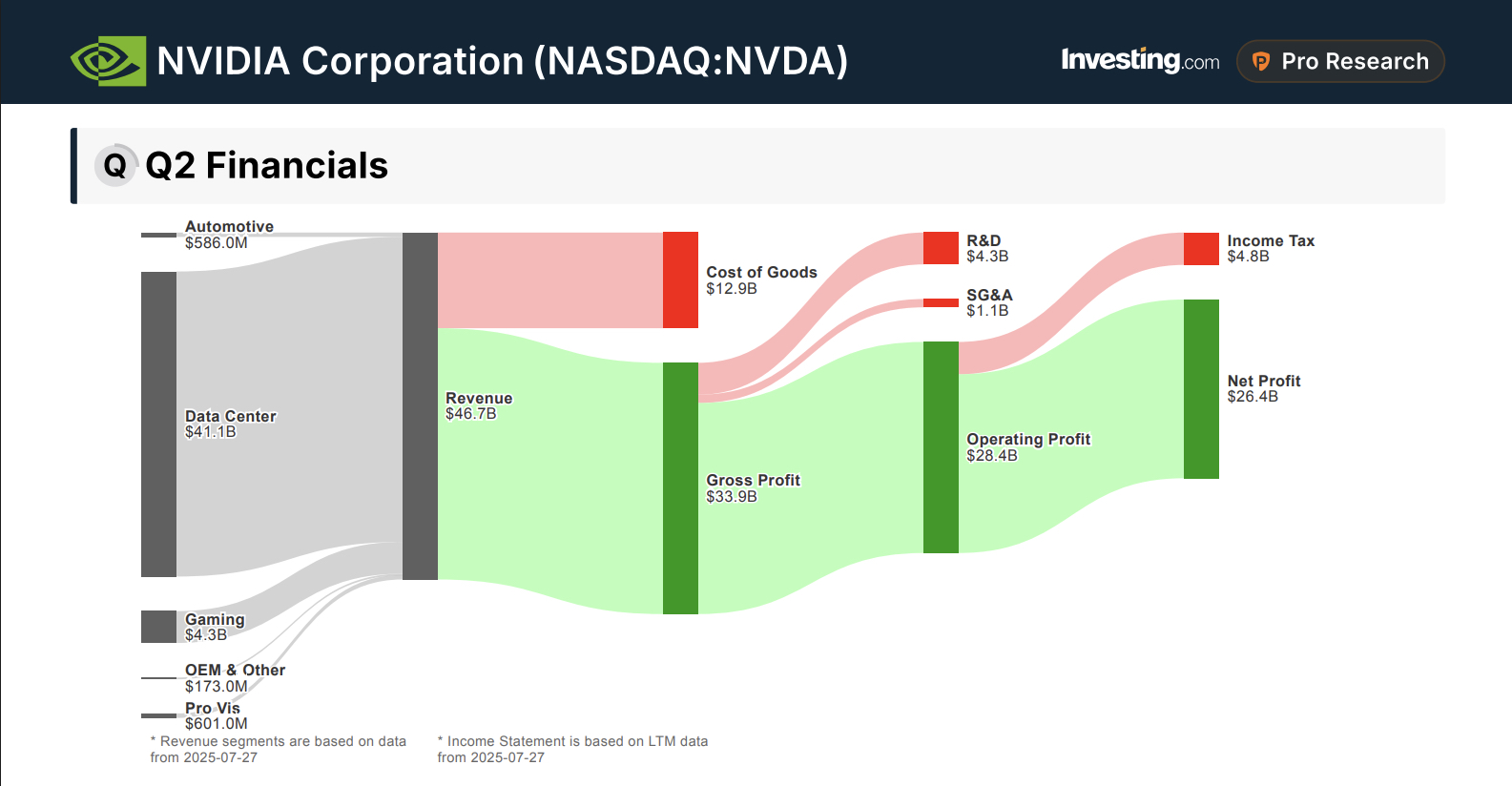
Investors can expect the formal earnings press release to be published at approximately 4:00 PM Eastern Time (1:00 PM Pacific Time). This timing is strategic, allowing the market to digest the raw data—including revenue, earnings per share (EPS), and gross margins—after regular trading hours have concluded. This period, known as the “after-hours session,” often sees significant price action as institutional algorithms and retail traders react to the headline figures within seconds of their appearance on the wire.
The Conference Call and Guidance
While the press release provides the “what,” the earnings conference call provides the “how” and the “why.” This call usually commences at 5:00 PM Eastern Time (2:00 PM Pacific Time). Led by CEO Jensen Huang and CFO Colette Kress, the call is where the company provides its forward-looking guidance. In the world of investing, guidance is often more influential than past performance. If Nvidia beats its earnings estimates for the previous quarter but provides a cautious outlook for the coming months, the stock may face downward pressure despite the “beat.” Conversely, an optimistic forecast can ignite a rally even if the trailing numbers were merely in line with expectations.
The Financial Benchmarks: What Investors Are Searching For
To navigate Nvidia’s earnings day successfully, one must understand the specific metrics that professional money managers are scrutinizing. Because Nvidia currently carries a massive valuation, the market demands near-perfection across several key financial indicators.
Revenue Growth and the Data Center Segment
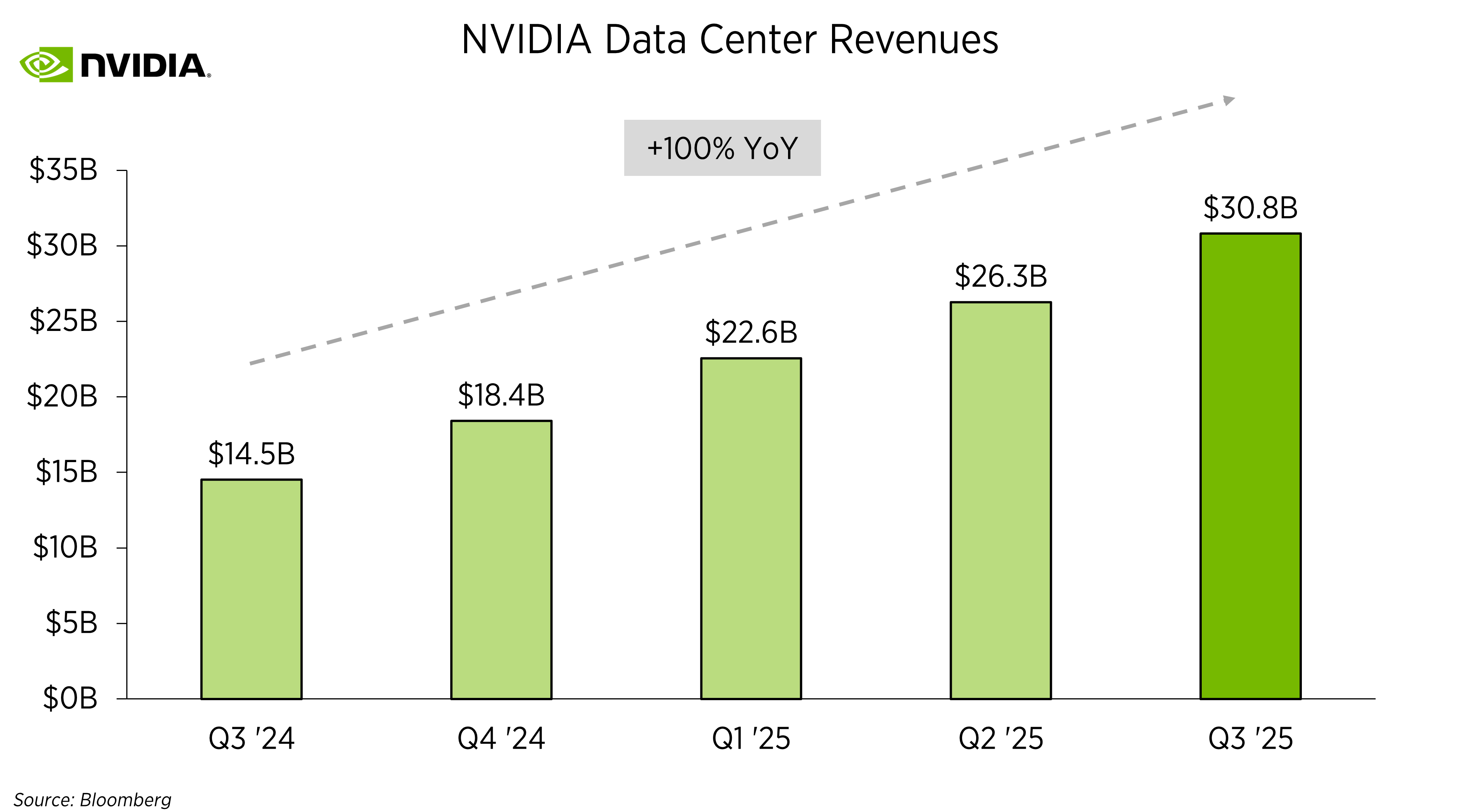
The most critical figure in the report is the revenue generated by the Data Center division. This segment encompasses the sales of H100, H200, and the newer Blackwell architecture chips that power large language models (LLMs). For a growth-oriented stock like Nvidia, the year-over-year revenue growth percentage is the primary indicator of whether the “AI revolution” is still in its early innings or if it is beginning to plateau. Investors are looking for evidence that Big Tech companies—Meta, Microsoft, Alphabet, and Amazon—are continuing to increase their capital expenditures on AI infrastructure.
Gross Margins and Pricing Power
Profitability is another pillar of the Nvidia investment thesis. In recent quarters, Nvidia has maintained remarkably high adjusted gross margins, often exceeding 70%. For a hardware company, these are extraordinary numbers, usually reserved for software-as-a-service (SaaS) firms. From a financial perspective, gross margin stability indicates strong pricing power. If margins begin to contract, it could signal increasing competition from rivals like AMD or a shift in the supply chain that is making production more expensive. A steady or rising margin is a signal to the “Money” niche that Nvidia’s moat remains wide and defensible.
Earnings Per Share (EPS) and the “Whisper Number”
While Wall Street analysts provide a consensus estimate for EPS, seasoned investors often look at the “whisper number”—an unofficial expectation held by traders that is usually higher than the published consensus. For Nvidia to see a post-earnings price appreciation, it often needs to not only beat the official analyst estimates but also exceed the whisper number. Failing to meet these elevated expectations can result in a “sell the news” event, where the stock price drops even on fundamentally “good” news because that news was already priced into the valuation.
The Broader Market Impact: Beyond the Ticker Symbol
Nvidia is no longer just a stock; it is a systemic market force. Because of its massive market capitalization, Nvidia’s performance has a weighted impact on major indices and exchange-traded funds (ETFs). Understanding the timing of the report is essential for anyone with exposure to the broader markets.
The Ripple Effect on Index Funds
If you own an S&P 500 index fund (SPY) or a Nasdaq-100 tracker (QQQ), you are an Nvidia investor, whether you realize it or not. Nvidia’s weighting in these indices means that a 5% move in its share price can move the entire index by several points. This creates a “halo effect” or a “shadow” over other tech stocks. Often, when Nvidia reports positive earnings, it lifts the share prices of other semiconductor companies (the SOXX index) and even software companies that are perceived to benefit from AI integration.
The Correlation with Global Liquidity
From a macro-finance perspective, Nvidia’s earnings are viewed as a proxy for global liquidity and the “risk-on” appetite of institutional investors. When Nvidia demonstrates that it can generate massive cash flow from AI, it validates the trillions of dollars of market value added to the tech sector over the past year. If the report underwhelms, it can trigger a broader de-risking event where investors pull capital out of high-growth tech and move into defensive sectors like utilities or consumer staples.
Risk Management and Execution Strategies
For those actively managing their portfolios, the hours surrounding the earnings release are a high-stakes environment. Financial discipline is paramount when dealing with a stock that can fluctuate by $100 billion in market value in a single evening.
Managing Volatility with Options
The options market often “prices in” an expected move for Nvidia earnings. By looking at the At-The-Money (ATM) straddle, traders can see how much the market expects the stock to move in either direction. If the options market is pricing in an 8% move, and the stock only moves 3%, “volatility crush” can occur, where the value of options contracts decreases even if the direction of the move was correctly anticipated. For the conservative investor, the most prudent strategy is often to avoid the immediate aftermath of the announcement and wait for the “price discovery” phase to settle the following morning.
The Danger of After-Hours Trading
After-hours trading, which occurs between 4:00 PM and 8:00 PM ET, is characterized by lower liquidity and wider bid-ask spreads. For retail investors, attempting to trade Nvidia the moment the press release hits can be risky. Large institutional orders can cause wild, temporary swings that may trigger stop-loss orders or lead to significant slippage. Wealth management professionals often suggest that long-term investors ignore the after-hours “noise” and focus on the closing price of the following full trading day, which represents a more considered consensus of the company’s value.
The Long-Term Wealth Perspective: Valuation and Future Cash Flows
While the “what time” question is focused on the immediate present, the “Money” niche requires a look at the long-term compounding potential. The ultimate goal of analyzing an earnings report is to determine if the long-term investment thesis remains intact.
Valuation Ratios in Context
Nvidia is frequently criticized for its high Price-to-Earnings (P/E) ratio. However, astute investors look at the Forward P/E, which accounts for projected growth. If the earnings report shows that the “E” (earnings) is growing faster than the “P” (price), the stock may actually be getting “cheaper” on a fundamental basis even as the share price rises. Today’s report will provide the necessary data to recalculate these ratios and determine if the stock is overvalued or if it remains a reasonable “growth at a reasonable price” (GARP) play.
Capital Allocation: Buybacks and Dividends
Finally, keep an eye on how Nvidia is choosing to use its growing mountain of cash. While Nvidia is not traditionally known as a dividend powerhouse, its capacity for share buybacks is immense. A company that aggressively repurchases its own shares is signaling to the market that it believes its stock is undervalued. For shareholders, this increases the ownership stake of each remaining share and can provide a floor for the stock price during periods of market turbulence.
In summary, “what time Nvidia earnings today” is the starting gun for a massive financial event. By 4:00 PM ET, the raw data will provide the facts; by 5:00 PM ET, the leadership will provide the vision; and by the market open tomorrow, the global financial community will have decided the next phase of the AI investment cycle. Whether you are a short-term trader looking for a quick profit or a long-term investor building a retirement nest egg, the details contained within this quarterly report are the most important pieces of financial information you will process this season.
aViewFromTheCave is a participant in the Amazon Services LLC Associates Program, an affiliate advertising program designed to provide a means for sites to earn advertising fees by advertising and linking to Amazon.com. Amazon, the Amazon logo, AmazonSupply, and the AmazonSupply logo are trademarks of Amazon.com, Inc. or its affiliates. As an Amazon Associate we earn affiliate commissions from qualifying purchases.