
For anyone involved in the world of finance, from seasoned institutional investors to budding retail traders, the phrase “what time market open” isn’t just a simple query; it’s the gateway to opportunity, a signal for preparation, and a fundamental pillar of strategic financial decision-making. Financial markets are complex, dynamic ecosystems, and understanding their operational hours is paramount to navigating them successfully. This article delves into the critical importance of market open times, exploring their implications across various asset classes, investor profiles, and the broader financial landscape.
Understanding Global Market Hours and Their Significance
The financial world never truly sleeps, but individual markets certainly do. While some asset classes operate on a near 24/7 basis, traditional exchanges adhere to specific trading schedules, dictated by local time zones and national holidays. Grasping these nuances is the first step towards informed participation.
Major Stock Exchanges: A Global Overview
The equity markets are perhaps the most recognized form of financial exchange, and their opening and closing bells are iconic symbols of economic activity. Each major exchange operates within its local business hours, creating a staggered, interconnected global trading day.
- North America: The New York Stock Exchange (NYSE) and NASDAQ, giants of the U.S. market, typically operate from 9:30 AM to 4:00 PM Eastern Time (ET), Monday through Friday. Canadian exchanges follow a similar schedule. These hours are critical as they often set the tone for global trading due to the sheer volume and influence of U.S. markets.
- Europe: The London Stock Exchange (LSE), a key European hub, trades from 8:00 AM to 4:30 PM Greenwich Mean Time (GMT). Frankfurt’s Deutsche Börse and Paris’s Euronext typically run from 9:00 AM to 5:30 PM Central European Time (CET). The overlap between Asian and European markets, and then European and North American markets, creates continuous liquidity flows.
- Asia-Pacific: Tokyo’s Nikkei (TSE) operates with a morning session (9:00 AM to 11:30 AM JST) and an afternoon session (12:30 PM to 3:00 PM JST). The Shanghai Stock Exchange (SSE) and Hong Kong Stock Exchange (HKEX) also have distinct morning and afternoon sessions, often with a lunch break. These markets are usually the first to open in the global trading day, reacting to overnight news from the West.
Understanding these staggered hours is essential for investors with international portfolios or those looking to capitalize on arbitrage opportunities across different regions.
The 24/7 Nature of Forex and Crypto Markets
In stark contrast to traditional stock exchanges, some markets offer near-continuous trading, presenting unique opportunities and challenges.
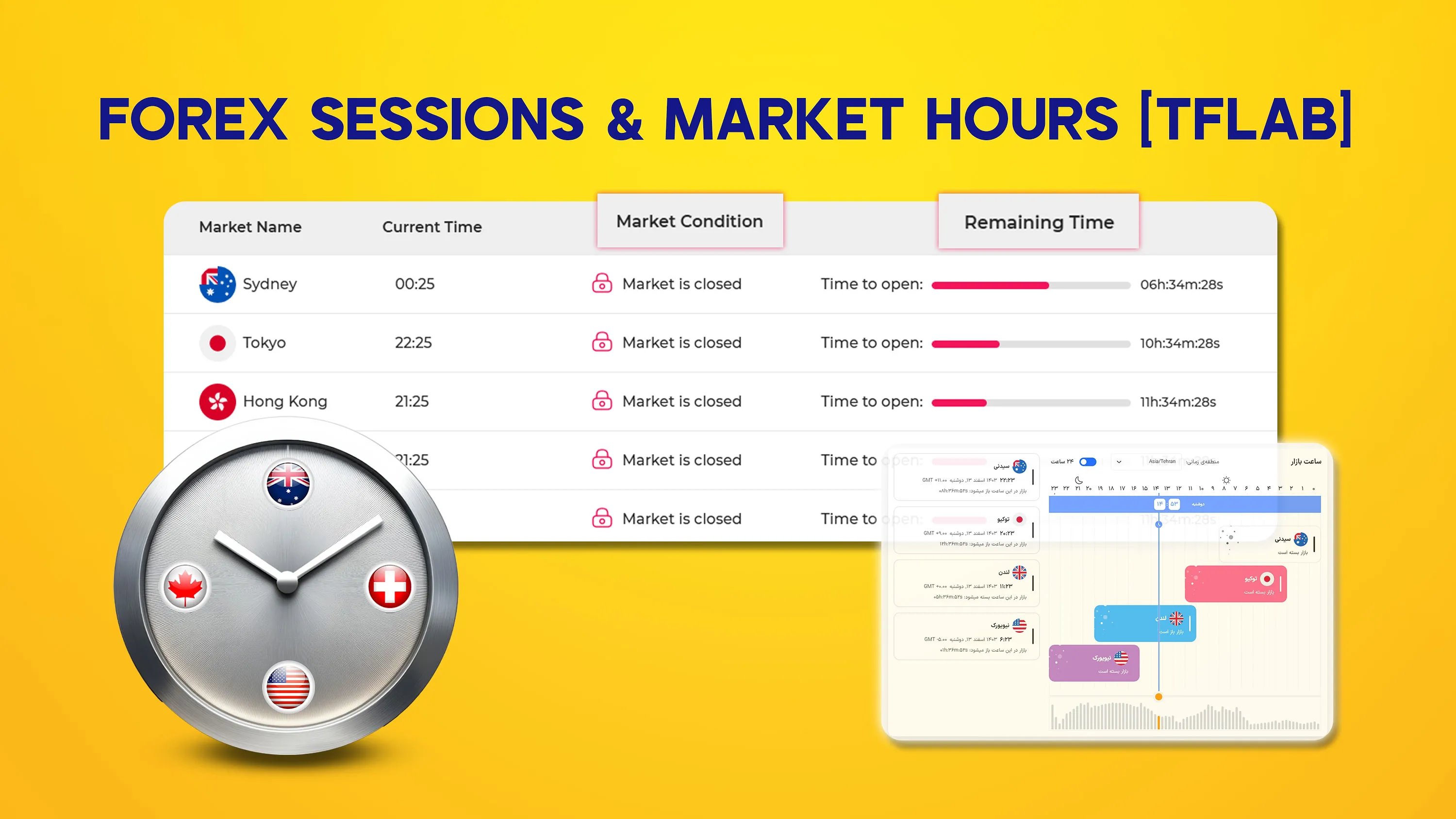
- Forex (Foreign Exchange) Market: The forex market is truly global and operates 24 hours a day, five days a week, from Sunday evening ET to Friday evening ET. This continuous operation is possible because it’s an over-the-counter (OTC) market, traded electronically between banks and financial institutions across different time zones. As one major financial center closes (e.g., Tokyo), another opens (e.g., London), ensuring constant liquidity. This means traders can react to news instantly, regardless of the time of day, but it also demands constant vigilance.
- Cryptocurrency Markets: Even more accessible, cryptocurrency exchanges largely operate 24 hours a day, seven days a week, including holidays. This perpetual market reflects the decentralized, global nature of digital assets. For crypto enthusiasts and traders, this means constant access but also necessitates robust risk management strategies due to the potential for significant price movements at any hour.
Commodity Markets: Futures and Options
Commodity markets, which trade raw materials like oil, gold, agricultural products, and metals, often utilize futures and options contracts that have distinct trading hours. While many commodities are traded on exchanges like the Chicago Mercantile Exchange (CME), which has extended electronic trading hours beyond its traditional pit trading, these hours can still vary by specific commodity and contract type. For instance, crude oil futures might trade for nearly 23 hours a day, while agricultural commodities may have more restricted hours to ensure ample participation from relevant market players.
Impact of Time Zones and Daylight Saving
The complexity of global market hours is further compounded by time zones and the seasonal shifts of Daylight Saving Time (DST). A market that opens at 9:00 AM local time will have a different opening time in an investor’s home country depending on the time difference. Furthermore, countries observe DST at different times of the year, leading to temporary shifts in the time difference between regions. Traders with international exposure must constantly monitor these adjustments to avoid missed opportunities or mistimed trades.
Why Market Opening and Closing Times Are Crucial
Beyond simply knowing when a market is available for trading, the specific timing of market open and close holds significant strategic implications for all participants.
Volatility and Liquidity at Market Open
The “opening bell” is often synonymous with heightened activity. The first hour of trading, sometimes called the “power hour,” typically sees increased volatility and liquidity as all the news, economic data, and investor sentiment that accumulated overnight are priced into assets.
- Price Discovery: This period is crucial for price discovery, as market participants react en masse to new information, leading to wider bid-ask spreads and often larger price swings.
- Opportunities for Day Traders: For day traders, the opening hour can be a goldmine, offering opportunities to capitalize on strong trends or reversals. However, it also carries increased risk due to the rapid price movements.
- Institutional Activity: Large institutional orders, often accumulated overnight, are frequently executed at the open, further contributing to volatility and influencing initial price direction.
Pre-Market and After-Hours Trading
Many exchanges offer trading sessions outside of regular market hours.
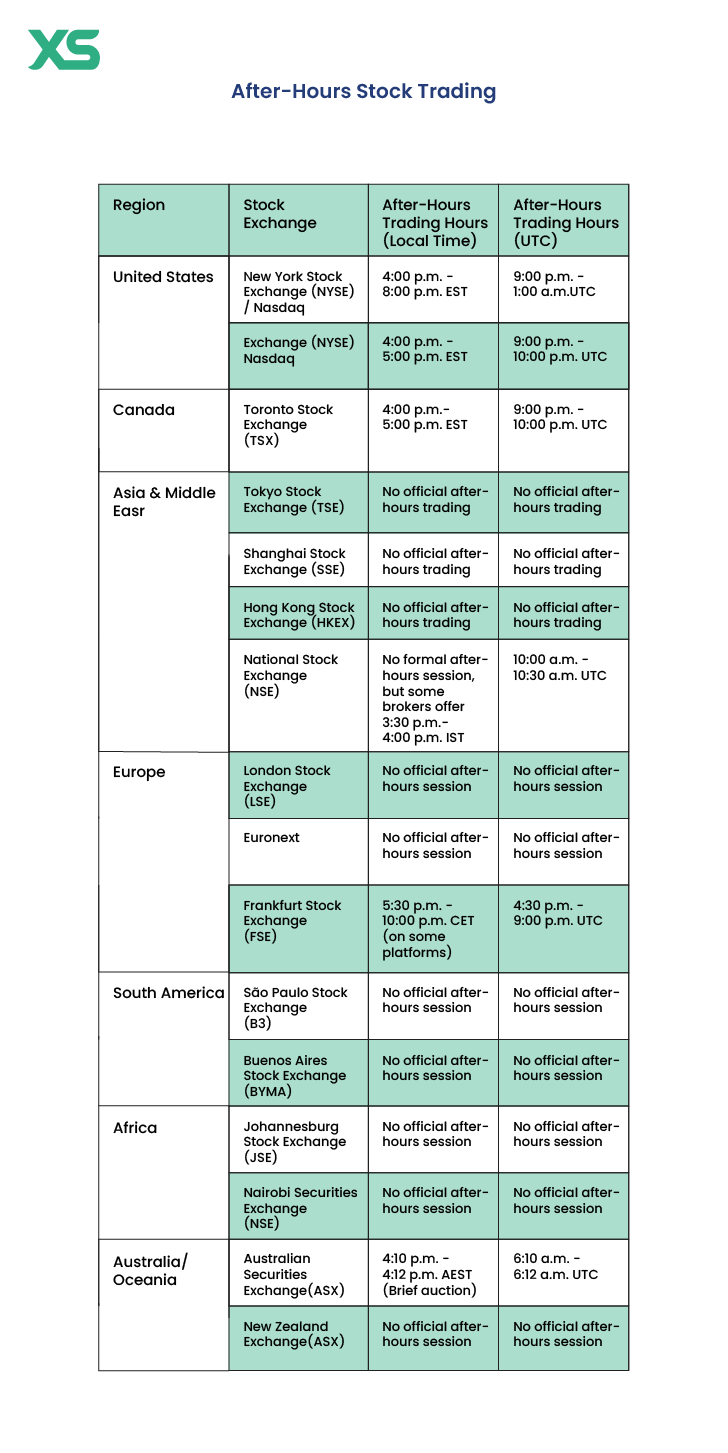
- Pre-Market Trading: This typically occurs several hours before the official open (e.g., 4:00 AM ET for U.S. stocks).
- After-Hours Trading: This takes place after the official close (e.g., until 8:00 PM ET for U.S. stocks).
These sessions allow investors to react to news released outside of regular hours, such as earnings reports or major economic announcements. While they offer flexibility, pre-market and after-hours sessions often have lower liquidity and wider spreads, making trades potentially more expensive and subject to greater price manipulation. They are primarily utilized by sophisticated investors and institutions, though retail access has grown.
Importance for Day Traders and Swing Traders
For short-term traders, the precise timing of market open and close is fundamental to their strategy.
- Entry and Exit Points: Day traders plan their entries and exits meticulously around these windows to capitalize on intraday movements. They might look for specific patterns during the first 30-60 minutes or seek to close all positions before the market closes to avoid overnight risk.
- Swing Traders: While swing traders hold positions for several days, they still pay close attention to the open and close, as significant gaps up or down can occur between sessions due to overnight news. Managing these gaps is a key aspect of their risk management.
Managing Risk Around Market Close
The market close also brings its own set of dynamics.
- Reduced Liquidity: As the session winds down, liquidity can decrease, making it harder to execute large orders without impacting prices.
- Avoiding Overnight Exposure: Many traders close out positions before the market shuts to avoid “overnight risk” – the uncertainty of what might happen while markets are closed (e.g., a major news event, an economic crisis, or a company announcement that significantly impacts prices).
- “Marking the Close”: Some institutional investors might try to “mark the close” by pushing prices in a certain direction during the final minutes to influence their portfolio valuations, potentially creating minor volatility.
Strategic Implications for Different Investor Types
The relevance of market hours varies significantly depending on an investor’s time horizon, risk tolerance, and investment goals.

Long-Term Investors
For those focused on long-term wealth accumulation, such as retirement savers or value investors, the minute-by-minute fluctuations around market open and close are generally less critical. Their strategy is built on fundamental analysis and holding assets for years. However, even long-term investors need to be aware of trading hours for:
- Executing Large Orders: Placing large buy or sell orders during periods of high liquidity (e.g., mid-day during regular hours) can minimize market impact.
- Rebalancing Portfolios: When rebalancing a portfolio, executing trades during peak liquidity can ensure better prices.
- Reacting to Major News: If significant news impacts a core holding, understanding market hours is crucial for deciding whether to react immediately or wait.
Short-Term Traders and Algorithmic Trading
For active traders, including day traders, swing traders, and high-frequency traders, market hours are the very fabric of their operations.
- Maximizing Opportunities: They meticulously study market open and close dynamics to identify patterns, capitalize on momentum, and execute rapid trades.
- Algorithmic Trading: Automated trading systems are programmed to execute trades at specific times, often leveraging the volatility at the open or identifying opportunities during less liquid periods. These algorithms require precise knowledge of market schedules, including adjustments for holidays and DST.
International Investors and Arbitrage Opportunities
Investors operating across different global markets can leverage varying open times.
- Following the Sun: An investor in Europe might trade Asian markets in their morning, then pivot to European markets, and finally move to U.S. markets in their afternoon/evening.
- Arbitrage: Differences in asset pricing across geographically distinct markets, if they arise due to timing differences or information asymmetry, can theoretically present arbitrage opportunities, though these are often fleeting and quickly corrected by sophisticated algorithms.
Impact on Portfolio Management and Rebalancing
For professional portfolio managers, knowing market open times influences when they execute large block trades or rebalance portfolios to minimize market impact and ensure efficient execution. Planning these activities around times of optimal liquidity is a key part of their strategy.
Tools and Best Practices for Monitoring Market Hours
Given the complexity, staying informed about market hours requires diligence and the right tools.
Financial Calendars and Market Data Platforms
Reliable financial calendars and data platforms are indispensable.
- Dedicated Financial News Sites: Websites like Bloomberg, Reuters, Financial Times, and various stock market news portals provide up-to-date information on global market hours, upcoming holidays, and any early closures.
- Trading Platforms: Most reputable online brokerage platforms integrate market hours directly into their interface, often with countdown timers to the next open or close.
- Economic Calendars: These not only list market holidays but also major economic data releases that can influence market sentiment, often scheduled around market open or close.
Setting Alerts and Notifications
Proactive alerts can prevent missed opportunities or unexpected market events.
- Platform Alerts: Many trading platforms allow users to set custom alerts for market open/close, specific price movements, or news events.
- Mobile Apps: Financial news apps often provide push notifications for market open/close times, especially for major global indices.
Understanding Market Holidays and Early Closures
Regular market hours are subject to change due to national holidays or specific market events. Public holidays (e.g., Christmas, New Year’s Day, Thanksgiving in the U.S.) lead to full market closures. Occasionally, markets may have early closures (e.g., on the day before a major holiday). Being unaware of these can lead to missed trading days or an inability to execute critical trades. Comprehensive financial calendars highlight these deviations well in advance.
Building a Trading Routine Around Market Hours
For active traders, integrating market hours into a disciplined daily routine is paramount. This might involve:
- Pre-Market Preparation: Reviewing overnight news, economic reports, and futures performance.
- Planning During Trading Hours: Sticking to a defined strategy and adapting to market dynamics.
- Post-Market Review: Analyzing trades, identifying areas for improvement, and preparing for the next day. This structured approach, deeply rooted in understanding market open and close, fosters consistent performance.
The Future of Market Hours and Accessibility
The landscape of market hours is not static; it’s continuously evolving, driven by technological advancements and changing investor demands.
The Push for Extended Trading Hours
There’s an ongoing debate about extending regular trading hours, potentially moving towards a 24/7 model for all asset classes.
- Pros: Increased liquidity, immediate reaction to global news, and greater flexibility for international investors.
- Cons: Potential for increased volatility, reduced work-life balance for financial professionals, and increased stress for retail traders.
Some exchanges are already experimenting with longer hours, particularly in electronic trading.
Automation and AI in Market Timing
Artificial intelligence and advanced algorithms are revolutionizing how markets are timed and traded. AI-driven systems can:
- Predict Optimal Entry/Exit Points: Analyzing vast datasets to identify patterns around open/close that human traders might miss.
- Automate Execution: Executing trades instantly when specific conditions are met, ensuring optimal timing even outside of an investor’s active monitoring hours.
- Adaptive Trading: Adjusting strategies dynamically to changes in market liquidity and volatility around critical times.
Democratization of Market Access
The rise of commission-free trading platforms and fractional share investing has lowered barriers for retail investors, giving them unprecedented access to markets. This increased participation, combined with extended trading options, means that “what time market open” is a question relevant to a much broader demographic than ever before. This democratization necessitates greater financial literacy regarding market hours and the risks associated with trading during less liquid periods.
Conclusion
The question “what time market open” is far more than a simple query about operating hours; it’s a fundamental consideration that underpins virtually every aspect of financial activity. From the synchronized global rhythm of stock exchanges to the perpetual motion of crypto markets, understanding when and how markets operate is critical for informed decision-making, effective risk management, and the successful execution of investment strategies. As technology continues to reshape financial landscapes, staying abreast of market hours, and the strategic implications tied to them, will remain an indispensable skill for anyone navigating the intricate world of money and investments. Constant learning, coupled with the intelligent use of financial tools, ensures that investors, regardless of their experience level, are always prepared for the opening bell.
aViewFromTheCave is a participant in the Amazon Services LLC Associates Program, an affiliate advertising program designed to provide a means for sites to earn advertising fees by advertising and linking to Amazon.com. Amazon, the Amazon logo, AmazonSupply, and the AmazonSupply logo are trademarks of Amazon.com, Inc. or its affiliates. As an Amazon Associate we earn affiliate commissions from qualifying purchases.