
For the modern investor, the rhythm of the financial world is dictated by the ringing of the opening bell. Whether you are a seasoned day trader, a long-term value investor, or someone exploring a side hustle in swing trading, understanding the specific operating hours of the stock market is foundational to your success. While the short answer is that the major U.S. exchanges—the New York Stock Exchange (NYSE) and the Nasdaq—open at 9:30 AM Eastern Time (ET), the reality of global finance is far more nuanced.
In the realm of personal finance and institutional investing, time is more than just a measurement; it is a variable that dictates liquidity, volatility, and opportunity. This guide explores the intricate schedule of the financial markets, the mechanics of extended trading sessions, and how to align your investment strategy with the global clock.
1. The Standard Trading Hours: Navigating the Wall Street Schedule
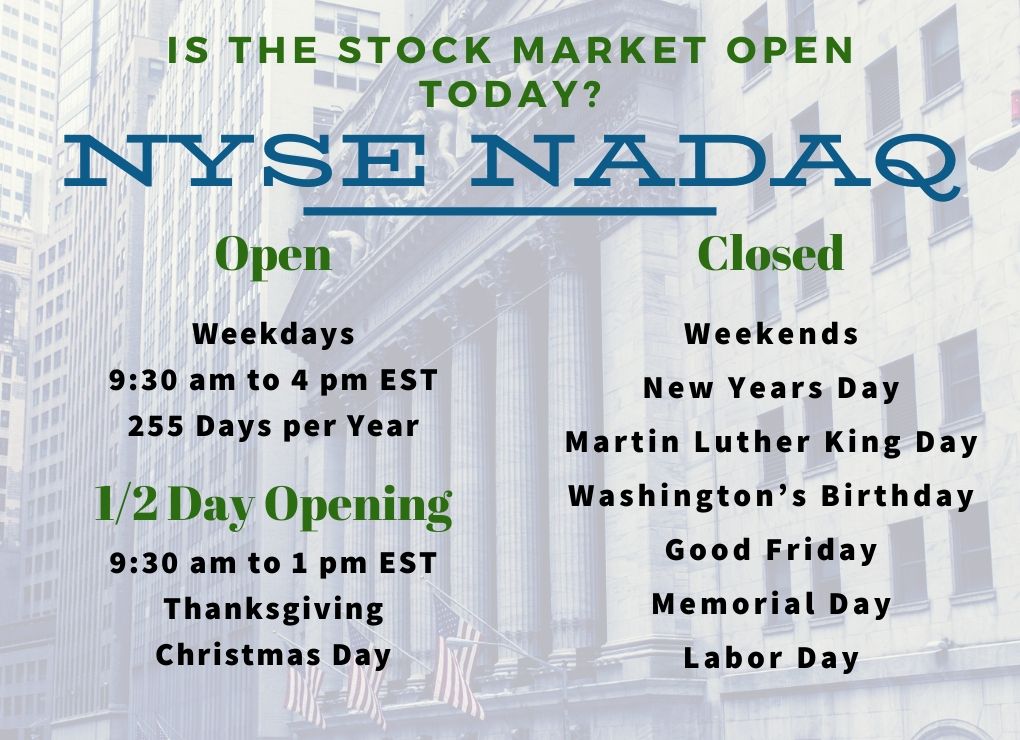
The primary trading session for the U.S. stock market is the window during which the highest volume of shares changes hands. For the NYSE and the Nasdaq, this window is Monday through Friday, from 9:30 AM to 4:00 PM ET. This 6.5-hour period is when individual retail investors and large institutional firms engage in the bulk of their activity.
The Significance of the 9:30 AM Opening Bell
The opening bell is not merely a ceremonial event; it represents the moment of “price discovery.” Over the course of the night and early morning, news breaks, economic data is released, and geopolitical events unfold. When the market opens at 9:30 AM, all of this pent-up information is processed into the stock prices. This often results in a surge of volatility, as the market seeks to find a fair equilibrium based on the latest information. For the investor, this is the most liquid time of the day, meaning it is easiest to buy or sell shares without significantly moving the price.
Understanding the 4:00 PM Closing
Similarly, the closing bell at 4:00 PM ET marks the end of the standard session. The final minutes of trading, often referred to as “the close,” see a massive influx of volume as mutual funds and ETFs rebalance their portfolios to match their benchmarks. Many traders pay close attention to the closing price of a security, as it is often considered the most “accurate” valuation of a company for that day, used for calculating account values and margin requirements.
2. Beyond the Opening Bell: Extended-Hours Trading
While the standard hours are the most well-known, the stock market doesn’t actually go dark when the bells ring. Electronic Communication Networks (ECNs) allow for trading outside of the traditional 9:30 AM to 4:00 PM window. This is known as extended-hours trading, divided into pre-market and after-hours sessions.
Pre-Market Trading: The Early Bird Advantage
Pre-market trading typically begins as early as 4:00 AM ET and runs until the official open at 9:30 AM. Most retail brokers, however, do not grant access until 7:00 AM or 8:00 AM. Trading during this time allows investors to react to overnight news, such as international market movements or early-morning earnings reports. However, it comes with significant risks. Liquidity is much lower than during standard hours, meaning the “spread” (the difference between the buy and sell price) is wider, which can lead to unfavorable execution prices.
After-Hours Trading: Reacting to the Day’s End
After-hours trading begins at 4:00 PM ET and can last until 8:00 PM ET. This session is critical for “earnings season,” as most publicly traded companies release their quarterly financial results shortly after the market closes. If a company reports better-than-expected profits at 4:05 PM, the stock price may jump significantly in the after-hours session. Investors who wait until the next morning to trade may miss the move entirely. Like pre-market trading, after-hours sessions are volatile and characterized by lower volume, making them more suitable for experienced investors who understand how to use “limit orders” to protect themselves.
3. The Global Financial Cycle: Trading Across Time Zones
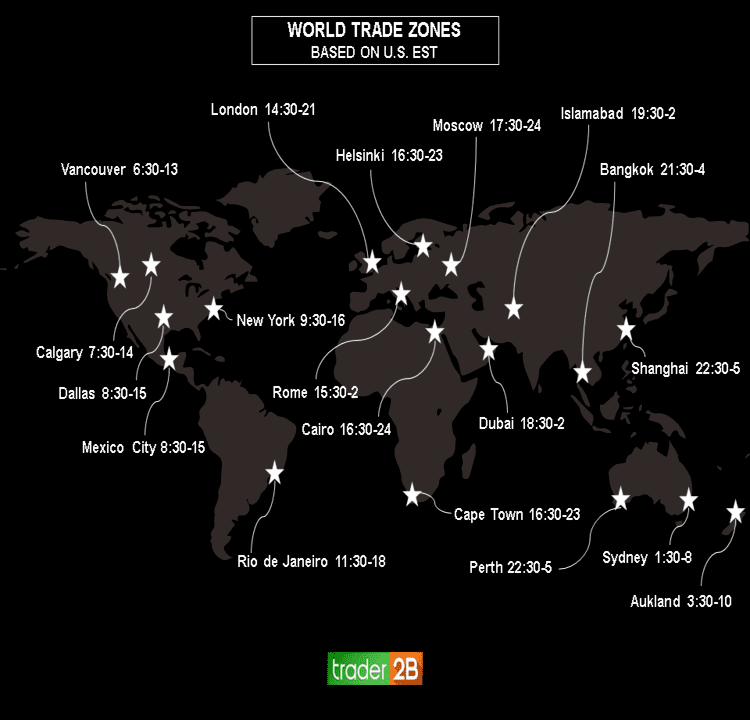
The stock market is a 24-hour global ecosystem. While a U.S.-based investor may focus on the NYSE, the movements in New York are often influenced by what happened hours earlier in Tokyo, Hong Kong, or London. Understanding this cycle is essential for anyone involved in international business finance or global investing.
The European Market Overlap
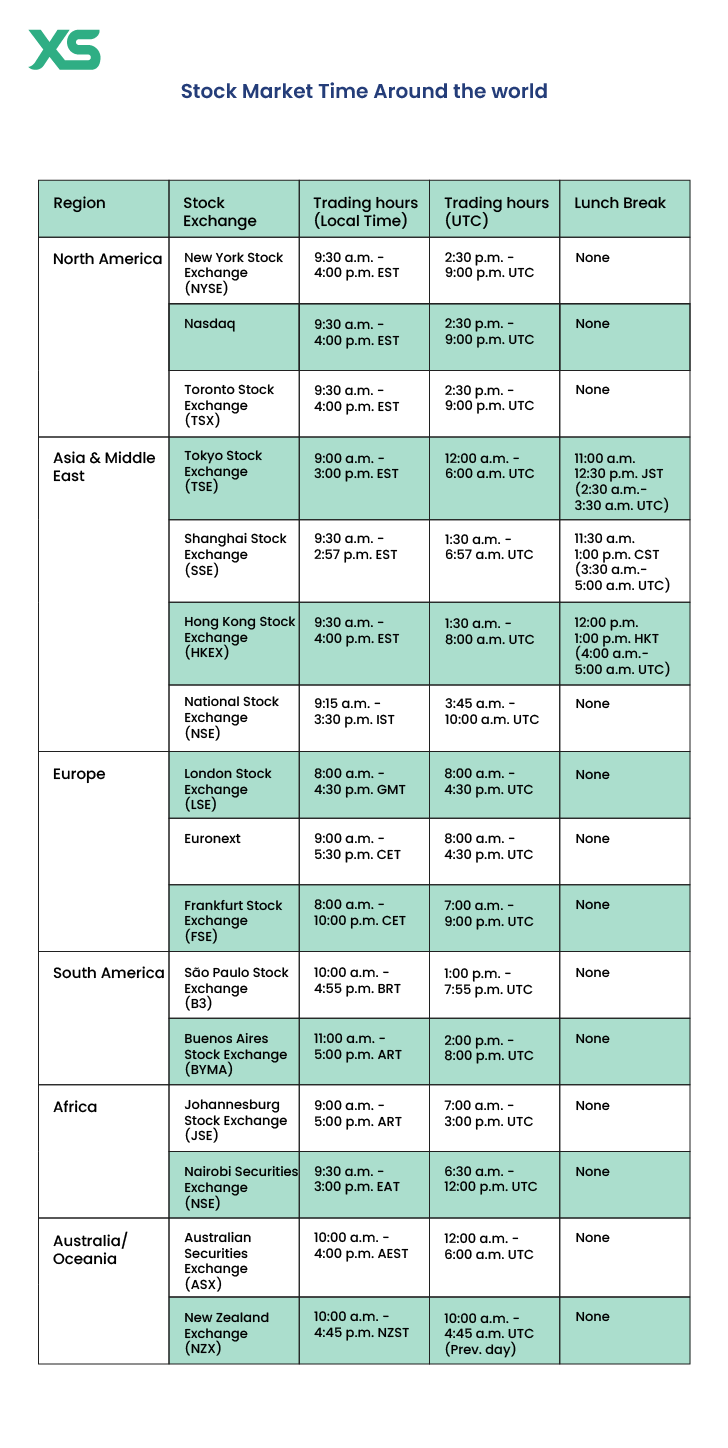
The London Stock Exchange (LSE) is one of the world’s most influential markets. It typically operates from 8:00 AM to 4:30 PM Greenwich Mean Time (GMT). For a trader in New York, the London market is open during the early morning hours. There is a crucial “overlap” period between roughly 9:30 AM and 11:30 AM ET when both the New York and London markets are open simultaneously. This is often the period of highest liquidity for global equities and currencies, as the two largest financial hubs in the world are active at once.
The Asian Markets and the “Night Move”
For Western investors, the Asian markets (Tokyo, Hong Kong, Shanghai) represent the “overnight” session. The Tokyo Stock Exchange (TSE) generally opens at 9:00 AM JST (which is 8:00 PM ET the previous night). Significant economic shifts in China or Japan can lead to “gap” openings in the U.S. markets the following morning. If the Nikkei 225 drops 2% overnight, U.S. stock futures often follow suit, leading the S&P 500 to open lower at 9:30 AM ET. Monitoring these global time zones is a key part of sophisticated financial risk management.
4. Market Holidays and Early Closures: Planning Your Financial Calendar
Just as important as knowing when the market opens is knowing when it is closed. The U.S. stock market follows a specific holiday schedule that every investor should mark on their calendar to avoid being caught off guard by a lack of liquidity.
Major Market Holidays
The NYSE and Nasdaq are closed on several federal holidays throughout the year, including:
- New Year’s Day
- Martin Luther King Jr. Day
- Washington’s Birthday (Presidents’ Day)
- Good Friday
- Memorial Day
- Juneteenth National Independence Day
- Independence Day (July 4th)
- Labor Day
- Thanksgiving Day
- Christmas Day
When a holiday falls on a Saturday, the market usually closes on the preceding Friday. If it falls on a Sunday, the market closes on the following Monday.
Early Closures and the Bond Market Exception
There are specific days, most notably the day after Thanksgiving (Black Friday) and Christmas Eve (if it falls on a weekday), when the stock market closes early at 1:00 PM ET. Furthermore, the bond market—which deals in government treasuries and corporate debt—often follows a different schedule than the stock market. The bond market is overseen by SIFMA (Securities Industry and Financial Markets Association) and may close on holidays where the stock market remains open, such as Columbus Day or Veterans Day. Understanding these discrepancies is vital for investors who manage diversified portfolios of both stocks and bonds.
5. Strategic Implications: Why Timing Matters for Your Money
In the world of personal finance and wealth building, “time in the market” is often more important than “timing the market.” However, for those looking to optimize their entries and exits, the time of day plays a massive role in the cost of doing business.
The “Amateur Hour” vs. The “Professional Hour”
In trading circles, the first hour of the day (9:30 AM – 10:30 AM) is often called the “Amateur Hour” because it is dominated by retail emotional reactions to overnight news. Professional institutional traders often wait for the market to settle before making large moves. Conversely, the final hour of trading (3:00 PM – 4:00 PM) is frequently seen as the “Professional Hour,” where institutional conviction is shown. Price trends that hold strong through the 4:00 PM close are often seen as more significant than those that occur in the morning.
Utilizing Financial Tools for Precision
To navigate these hours effectively, modern investors should utilize financial tools that account for market timing. Most high-quality brokerage apps provide real-time quotes during standard hours but may require a specific subscription or agreement for real-time extended-hours data. Additionally, economic calendars are indispensable; they track the specific times when the Federal Reserve announces interest rate decisions (usually at 2:00 PM ET) or when the Department of Labor releases jobs reports (8:30 AM ET). Being aware of these specific “micro-times” within the trading day can prevent an investor from being caught on the wrong side of a sudden price swing.
Conclusion: Mastering the Clock
Whether you are managing a corporate portfolio or growing a personal side hustle in the markets, the clock is a central character in your financial narrative. Knowing that the stock market opens at 9:30 AM ET is just the beginning. By understanding the nuances of pre-market sessions, the global interconnectedness of exchanges, and the impact of the closing bell, you position yourself to make more informed, professional, and profitable financial decisions. In the stock market, as in life, timing isn’t everything—but it is a significant portion of the equation.
aViewFromTheCave is a participant in the Amazon Services LLC Associates Program, an affiliate advertising program designed to provide a means for sites to earn advertising fees by advertising and linking to Amazon.com. Amazon, the Amazon logo, AmazonSupply, and the AmazonSupply logo are trademarks of Amazon.com, Inc. or its affiliates. As an Amazon Associate we earn affiliate commissions from qualifying purchases.