
For investors, traders, and anyone keen on understanding the pulsating heart of global finance, knowing the operational hours of the New York Stock Exchange (NYSE) is fundamental. Often referred to as “the Big Board,” the NYSE is not just a physical location on Wall Street; it’s a powerful symbol of capitalism and a primary engine for capital formation worldwide. While the question seems simple, delving into the intricacies of its trading schedule reveals a complex ecosystem of market dynamics, investor behavior, and strategic considerations that extend far beyond a mere nine-to-four timeframe. Understanding when the NYSE is open, and critically, what happens during those hours and beyond, is paramount for making informed financial decisions in the world of personal finance, investing, and business finance.
The Standard Operating Hours of the NYSE
The backbone of equity trading in the United States, and by extension, a significant portion of global markets, adheres to a well-defined schedule. These regular hours are when the vast majority of trading volume occurs and when market makers and specialists are most active in ensuring liquidity and orderly markets.
Regular Trading Session Demystified
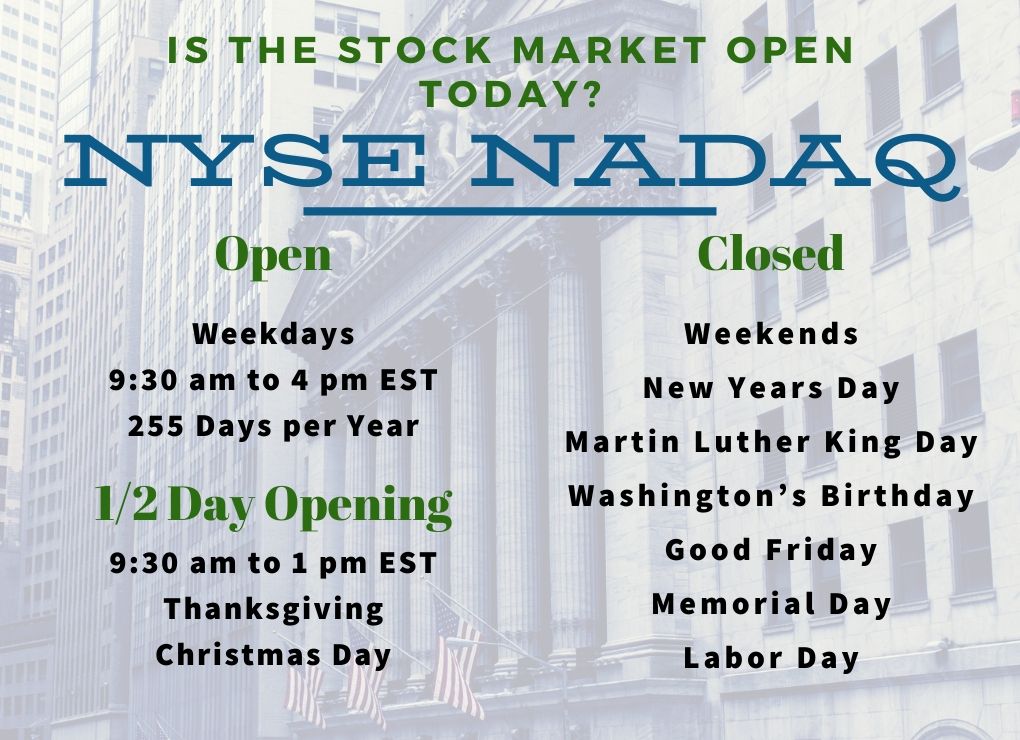
The New York Stock Exchange operates its standard trading session from 9:30 AM Eastern Time (ET) to 4:00 PM ET, Monday through Friday. This six-and-a-half-hour window is often characterized by specific patterns of activity. The opening bell, precisely at 9:30 AM ET, frequently marks a period of heightened volatility and trading volume as investors react to overnight news, economic data releases, and pre-market activity. Similarly, the closing bell at 4:00 PM ET often sees another surge in activity as institutional investors rebalance portfolios, individual traders close positions, and market participants anticipate post-market news.
During these core hours, market depth is typically at its highest. This means there are numerous buyers and sellers willing to trade at various price points, which generally leads to tighter bid-ask spreads and better execution prices for orders. For most individual investors, these standard hours are when their orders are most likely to be filled efficiently and when real-time price discovery is most robust. The transparency and liquidity offered during this session are critical for the efficient functioning of the capital markets, allowing for the fair valuation of companies and the seamless flow of investment capital.
Understanding Eastern Time (ET)
It’s crucial for investors, especially those located outside the Eastern Time Zone, to precisely understand that the NYSE operates on Eastern Time (ET). This means that if you are on the West Coast of the United States, for example, the market opens at 6:30 AM Pacific Time and closes at 1:00 PM PT. For international investors, the time difference can be even more substantial, requiring careful planning to monitor positions or execute trades during their local hours.
The consistent use of Eastern Time standardizes operations across the major US exchanges (NYSE and Nasdaq both follow this schedule) and facilitates coordination for financial institutions, data providers, and regulatory bodies. For global participants, robust financial tools and platforms often provide time zone conversions, but a direct understanding of the ET schedule remains fundamental. Missing this detail can lead to missed opportunities, poor execution prices, or confusion regarding market events.
Weekend and Holiday Closures
Like most businesses, the NYSE observes weekends and a number of federal holidays. It is closed on Saturdays and Sundays. Additionally, it generally closes for the following holidays, though the exact date may shift if the holiday falls on a weekend:
-
New Year’s Day
-
Martin Luther Luther King, Jr. Day
-
Washington’s Birthday (Presidents’ Day)
-
Good Friday
-
Memorial Day
-
Juneteenth National Independence Day
-
Independence Day
-
Labor Day
-
Thanksgiving Day
-
Christmas Day
Occasionally, the NYSE might also have early closings, typically at 1:00 PM ET, on the day before or after certain holidays (e.g., Thanksgiving Eve or Christmas Eve). These holiday schedules are announced well in advance and are vital for traders and investors to factor into their financial planning, especially for positions that might be held overnight or through a holiday weekend, which exposes them to “weekend risk” or “holiday risk” from news that may break when the markets are closed.
Navigating Extended Trading Sessions: Pre-Market and After-Hours
While the regular trading session defines the core activity, the financial markets don’t simply power down outside of these hours. Extended trading sessions—pre-market and after-hours—offer additional opportunities and challenges for investors to react to news and execute trades.
Pre-Market Trading: Getting a Head Start
Pre-market trading typically runs from 4:00 AM ET to 9:30 AM ET. This period allows investors to place trades before the official opening bell. The primary motivation for pre-market trading is to react to significant news that breaks overnight or in the early morning hours, such as corporate earnings reports, analyst upgrades/downgrades, or major macroeconomic announcements released before the market opens.
For instance, if a company announces blockbuster earnings at 7:00 AM ET, investors might rush to buy shares in the pre-market, hoping to capitalize on the positive news before the broader market opens and potentially drives the price higher. However, pre-market sessions are characterized by significantly lower liquidity compared to regular hours. Fewer participants mean wider bid-ask spreads and potentially greater price volatility. Executing large orders can be challenging, and prices can be less representative of the true market consensus. Most brokers require limit orders for pre-market trading, ensuring that trades are executed only at or better than a specified price, providing some protection against extreme price fluctuations.
After-Hours Trading: Post-Market Reactions
After-hours trading generally takes place from 4:00 PM ET to 8:00 PM ET, immediately following the regular session. Similar to pre-market, this period is often driven by news events that occur after the market closes, such as late-day earnings releases, critical press conferences, or regulatory announcements.
A company might release disappointing earnings at 4:30 PM ET, causing its stock price to drop sharply in after-hours trading. Investors can react immediately without having to wait for the next day’s opening. Like pre-market trading, after-hours sessions suffer from reduced liquidity and increased volatility. Institutional investors and professional traders often have more sophisticated access and strategies for extended hours, but retail investors can participate through most brokerage platforms. Again, limit orders are generally recommended or required to manage the risks associated with thinner order books and potential price gaps.
Risks and Opportunities in Extended Hours
Participating in extended trading hours presents both distinct opportunities and inherent risks.
Opportunities:
-
Early/Late Reaction: The ability to react immediately to news, potentially getting ahead of the curve.
-
Convenience: For investors in different time zones, extended hours can align better with their local workday.
-
Specific Event Exploitation: Capitalizing on earnings surprises or major announcements.
Risks:
-
Lower Liquidity: Fewer participants mean it can be harder to buy or sell shares without significantly impacting the price, leading to wider spreads and unfavorable execution.
-
Higher Volatility: Prices can swing wildly on relatively small trades due to thin order books.
-
Price Discrepancy: The price in extended hours might not reflect the opening price the next day, leading to “gap risk.”
-
Limited Information Flow: Less analyst coverage and fewer news outlets actively reporting during these times, meaning investors might be trading on incomplete information.
-
Order Types: Market orders are usually highly discouraged due to volatility, and limit orders are preferred to control execution price.
Understanding these dynamics is critical for any investor considering venturing beyond the standard trading day.
Why Trading Hours Are Crucial for Investors
The timing of market activity profoundly influences investment outcomes, affecting everything from daily trading strategies to long-term portfolio management. Recognizing the rhythms of the market helps investors synchronize their actions with periods of maximum efficiency and understand potential pitfalls.
Market Volatility and Liquidity Patterns
Market activity is not uniform throughout the trading day. The NYSE experiences predictable patterns of volatility and liquidity that are critical for investors to understand.
-
Opening Bell Frenzy (9:30 AM – 10:00 AM ET): This period is often the most volatile and liquid. It’s when investors react to all the news that accumulated since the previous day’s close and during pre-market. Gaps up or down are common, and significant price movements can occur rapidly. Day traders often thrive in this environment, but it can be risky for less experienced investors due to sharp reversals.
-
Mid-Day Lull (11:00 AM – 2:00 PM ET): Activity typically slows down in the middle of the day. Volume decreases, and volatility tends to subside. This can be a period of consolidation, where stocks trade within tighter ranges. Some traders use this time for less frenetic analysis or to place orders with less urgency.
-
Closing Bell Surge (3:00 PM – 4:00 PM ET): As the day nears its end, volume and volatility often pick up again. Institutional investors might be executing large block trades to rebalance portfolios, “marking the close,” or responding to late-breaking news. This can lead to significant price movements in the final hour, often referred to as “the power hour.”
Understanding these patterns allows investors to choose the optimal times for executing trades based on their strategy. For instance, a long-term investor might prefer placing orders during the mid-day lull to avoid the extreme volatility of the opening and closing, potentially getting a better price.
Impact on Different Investment Strategies
The timing of market operations has a differential impact across various investment approaches:
-
Day Traders: These investors are highly reliant on the standard trading hours and often leverage the volatility of the opening and closing periods to make quick profits. They need to be active throughout the day, constantly monitoring price action and news. Extended hours are also critical for day traders who wish to react to immediate news.
-
Swing Traders: Holding positions for a few days to a few weeks, swing traders pay close attention to overnight news and extended hours. They often use the regular session’s trends but must be wary of “gap risk” from news released outside standard hours that can cause a stock to open significantly higher or lower than its previous close.
-
Long-Term Investors: While long-term investors are less concerned with hourly price fluctuations, market hours still matter. They might choose to place buy/sell orders during periods of higher liquidity (regular hours) to ensure efficient execution. Understanding extended hours also helps them grasp why a stock’s opening price might differ significantly from its previous close, which can influence their entry or exit points for strategic rebalancing.
Synchronizing with Economic Data and News Releases
Many pivotal economic reports and corporate news releases are strategically timed around market hours to maximize their impact and allow for proper market digestion. For example:
-
Pre-Market Releases: Major economic data (e.g., jobs reports, CPI data, manufacturing indices) are often released at 8:30 AM ET, giving investors 60 minutes to analyze the information before the market opens. Corporate earnings reports are also frequently released before the opening bell.
-
Post-Market Releases: Many companies choose to release earnings after 4:00 PM ET, allowing analysts and investors to digest the information without the immediate pressure of active trading. Federal Reserve announcements often occur at 2:00 PM ET during the trading session, leading to significant market reactions.
Investors must stay abreast of the economic calendar and corporate reporting schedules to anticipate periods of heightened market activity and potential volatility, enabling them to position their portfolios appropriately or avoid unexpected shocks.
The Global Context: NYSE in a 24/7 Financial World
While the NYSE operates within its defined hours, it does not exist in a vacuum. The interconnectedness of global financial markets means that events occurring worldwide can profoundly influence the opening and direction of Wall Street.
Interconnectedness with Other Global Exchanges
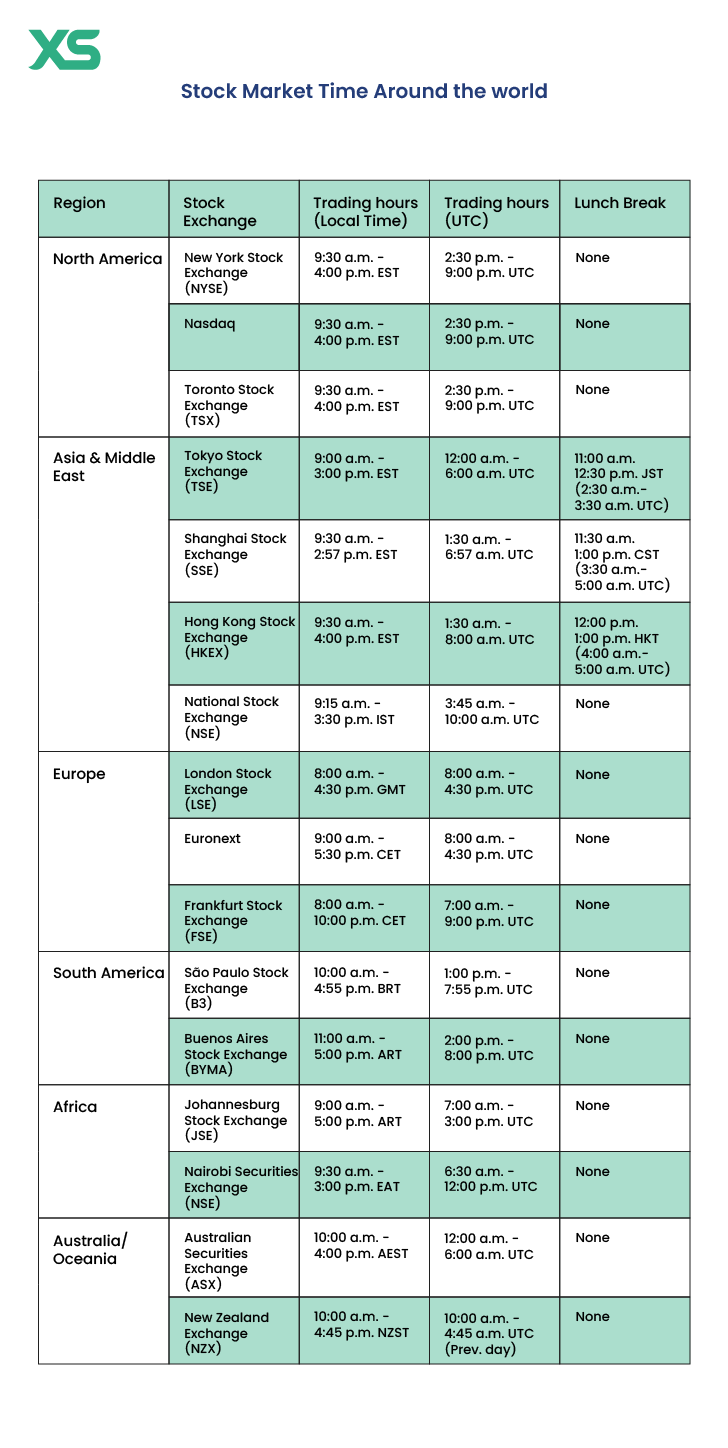
Before the NYSE even opens, major markets in Asia (e.g., Tokyo, Shanghai, Hong Kong) and Europe (e.g., London, Frankfurt, Paris) have already completed or are well into their trading sessions. Significant economic news, geopolitical events, or corporate announcements in these regions can trigger reactions that ripple across global equity markets.
For example, a major economic slowdown in China reported overnight could lead to a negative sentiment that pushes European markets lower, which, in turn, influences US futures trading and sets the tone for the NYSE’s opening. This “domino effect” means that investors need to be aware of the global economic landscape, even if they primarily trade on US exchanges. Monitoring global market indices and economic headlines is an essential part of pre-market analysis for many sophisticated investors.
Time Zone Challenges for International Investors
For international investors, the time zone difference is more than just an inconvenience; it’s a strategic factor. An investor in Sydney, Australia, for whom the NYSE opens in the middle of their night, faces significant challenges in actively managing positions during peak US market hours. This often necessitates:
-
Reliance on Automation: Using algorithmic trading or stop-loss/take-profit orders to manage positions when they cannot actively monitor the market.
-
Strategic Brokerage Choice: Opting for brokers with robust extended-hours trading capabilities and reliable customer support available across time zones.
-
Time-Shifted Monitoring: Dedicating specific, unusual hours to monitor US markets or relying heavily on end-of-day summaries and news analysis.
Understanding and adapting to these time zone disparities is a critical component of international investing, influencing strategy, risk management, and tool selection.
The Rise of Cryptocurrencies and Forex: A 24/7 Alternative
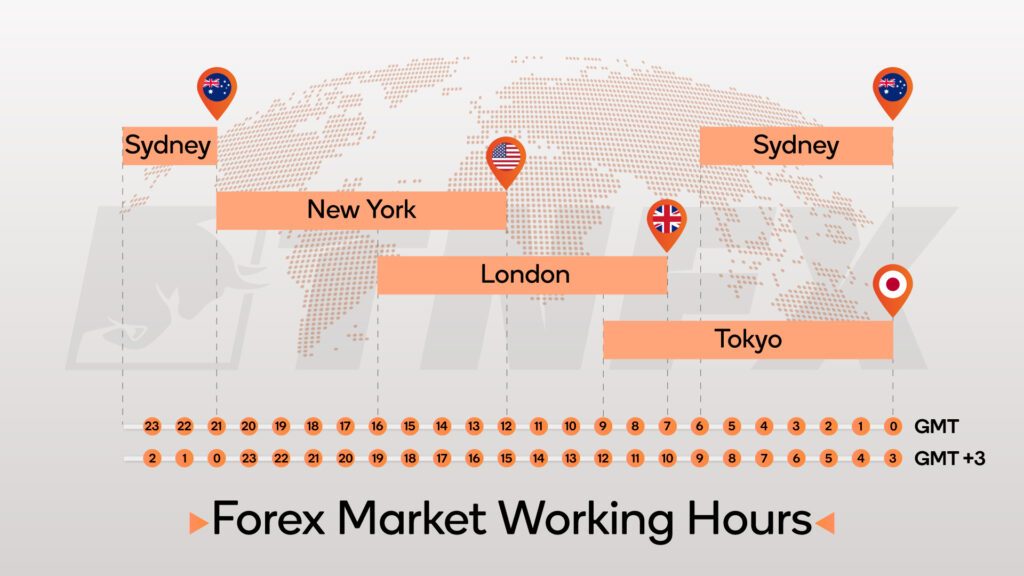
In contrast to traditional equity markets like the NYSE with their defined operating hours, the foreign exchange (forex) and cryptocurrency markets operate virtually 24 hours a day, seven days a week.
-
Forex Market: This global decentralized market for the trading of currencies is open continuously from Sunday evening (ET) through Friday evening (ET), accommodating trading across major financial centers worldwide (Sydney, Tokyo, London, New York). This constant liquidity means that news can be reacted to instantaneously, without waiting for an opening bell.
-
Cryptocurrency Market: Markets for digital assets like Bitcoin and Ethereum are truly 24/7/365, with trading never stopping. This continuous nature offers unparalleled flexibility but also presents unique challenges, such as the potential for extreme volatility at any time and the need for constant vigilance.
This distinction highlights a fundamental difference in market structure and investor experience. While traditional equities offer periods of respite, allowing for analysis and strategy refinement, 24/7 markets demand constant attention or sophisticated automated systems for effective participation. This difference can influence an investor’s asset allocation and overall financial strategy, depending on their risk tolerance and availability to monitor markets.
Optimizing Your Investment Approach Around Market Timings
Mastering the rhythms of the NYSE and understanding how market hours influence financial decisions can significantly enhance an investor’s strategy and risk management.
Pre-Planning and Research
The time before the market opens is arguably as important as the trading session itself. Smart investors use this window for meticulous preparation:
-
Reviewing Overnight News: Catching up on global market movements, economic data releases, and company-specific news.
-
Analyzing Earnings Reports: Digesting earnings calls and reports released pre-market or after the previous close.
-
Scanning Economic Calendars: Identifying key economic reports scheduled for release during the trading day and understanding their potential impact.
-
Developing a Watchlist: Preparing a list of stocks to monitor and potential entry/exit points, especially for active traders.
-
Pre-Market Scanning: Observing pre-market activity for stocks showing unusual volume or price movements, which might signal a catalyst.
Thorough pre-planning helps investors enter the trading day with a clear strategy, rather than reacting impulsively to the market’s initial movements.
Utilizing Order Types Effectively
The choice of order type is particularly crucial, especially given the varying liquidity and volatility across different market hours.
-
Market Orders: These orders instruct your broker to buy or sell at the best available current price. While offering immediate execution, they are risky during volatile periods (like the opening/closing bell or extended hours) as the executed price might be significantly different from what was anticipated, due to rapid price movements or wide bid-ask spreads.
-
Limit Orders: These orders instruct your broker to buy or sell only at a specific price or better. Limit orders are highly recommended for extended-hours trading and during periods of high volatility within regular hours. They provide control over the execution price, though there’s no guarantee the order will be filled if the market never reaches your specified limit price.
-
Stop Orders: Stop-loss orders become market orders once a specified “stop price” is reached, helping to limit potential losses. Stop-limit orders combine features of both, converting to a limit order once the stop price is hit. These are vital risk management tools, especially for positions held overnight or over weekends, to protect against significant price gaps.
Understanding and strategically deploying these order types is a cornerstone of effective trade management, allowing investors to manage risk and achieve desired execution prices.
Risk Management and Emotional Discipline
The fluctuations associated with market hours, particularly the increased volatility at the open and close, can trigger emotional responses. Panic selling or euphoric buying based on short-term movements can derail well-thought-out investment plans.
-
Adherence to a Plan: Stick to your pre-defined investment strategy and risk parameters, regardless of intraday market noise.
-
Emotional Detachment: Recognize that market movements are often irrational in the short term. Avoid making impulsive decisions driven by fear or greed.
-
Setting Realistic Expectations: Understand that not every trade will be a winner, and losses are a part of investing. Focus on long-term performance rather than daily fluctuations.
-
Diversification: Do not put all your eggs in one basket; diversification across asset classes and geographies can buffer against specific market downturns or unexpected events during market hours.
Ultimately, knowing “what time the NY Stock Exchange is open” is merely the first step. The true value lies in understanding the underlying dynamics of liquidity, volatility, news flow, and how these factors intertwine with your financial goals and risk tolerance throughout the trading day and beyond. By approaching the market with knowledge, discipline, and a well-defined strategy, investors can navigate the complexities of Wall Street more effectively and work towards their financial objectives.
aViewFromTheCave is a participant in the Amazon Services LLC Associates Program, an affiliate advertising program designed to provide a means for sites to earn advertising fees by advertising and linking to Amazon.com. Amazon, the Amazon logo, AmazonSupply, and the AmazonSupply logo are trademarks of Amazon.com, Inc. or its affiliates. As an Amazon Associate we earn affiliate commissions from qualifying purchases.