
The Mega Millions lottery represents one of the most significant financial phenomena in the United States, often capturing the national imagination when jackpots soar into the hundreds of millions—or even billions—of dollars. While the casual participant may simply view it as a game of chance, the lottery operates within a complex framework of financial mechanics, tax implications, and probability theories. For those looking to understand the intersection of sudden wealth and personal finance, knowing “what time is the Mega Millions lottery” is merely the entry point into a much larger discussion regarding wealth management and economic strategy.
Understanding the Mega Millions Schedule and Financial Mechanics
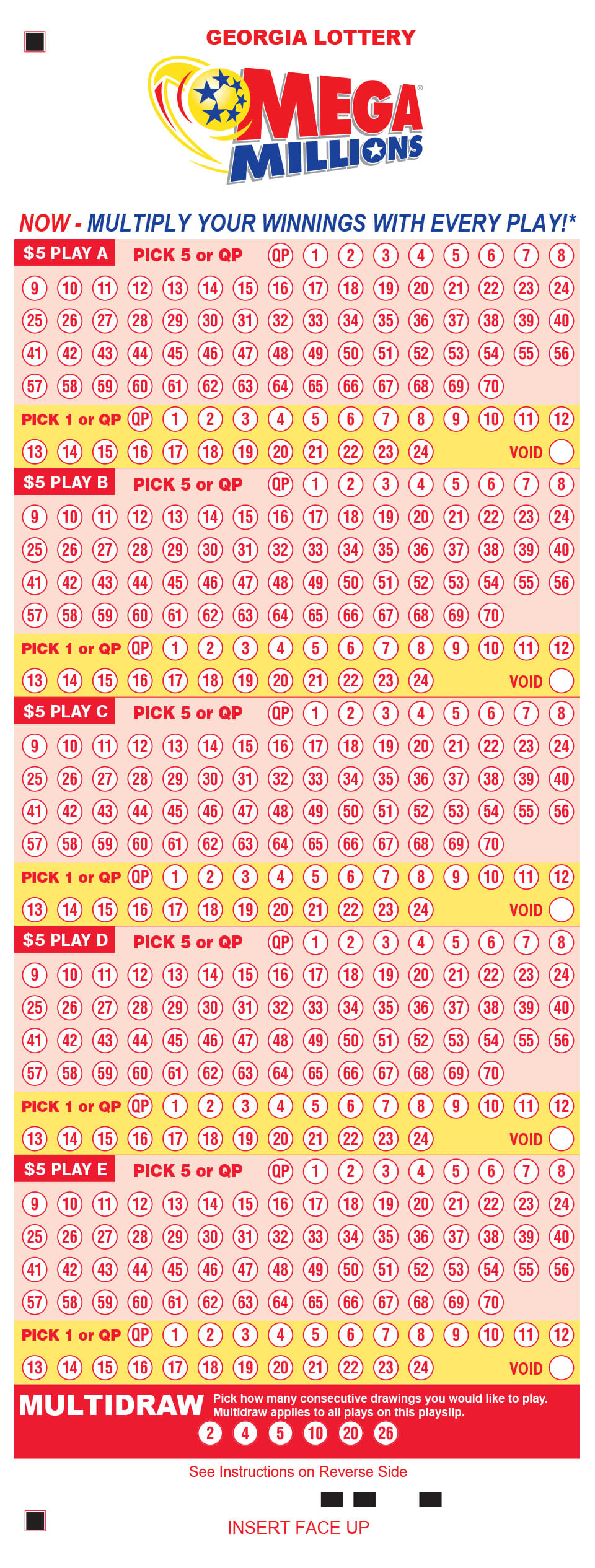
The Mega Millions drawings are held twice a week, specifically on Tuesday and Friday evenings at 11:00 p.m. Eastern Time. The drawings take place at the WSB-TV studios in Atlanta, Georgia. However, for the strategic participant, the “time” of the lottery involves more than just the moment the balls are drawn; it involves the critical window for ticket acquisition and the financial cycles that govern jackpot growth.
The Draw Times and Ticket Cut-offs
While the official drawing occurs at 11:00 p.m. ET, the cutoff time for purchasing tickets varies significantly by jurisdiction. In most states, sales stop one to two hours before the drawing. This “dead zone” is a crucial period for the multi-state lottery associations to aggregate sales data and ensure that the prize pool is accurately accounted for. From a financial perspective, these sales windows represent massive surges in liquidity. During high-jackpot runs, the velocity of ticket sales can reach thousands of transactions per minute, highlighting the lottery’s role as a unique consumer spending vehicle.
How the Jackpot Accumulates
The advertised jackpot is a function of ticket sales and interest rates. A portion of every $2 ticket—specifically 50%—goes toward the prize pool. The jackpot grows based on the “game’s rolling” mechanism: if no one matches all six numbers, the funds allocated to the jackpot carry over to the next drawing.
Financial observers note that the “advertised” jackpot is actually an estimate of the total amount a winner would receive if they chose the annuity option over 30 years. This leads us to the crucial distinction between the “Cash Option” and the “Annuity Option.” The cash option is the actual liquidity available in the prize pool at the time of the drawing, while the annuity uses that cash to purchase government bonds (typically U.S. Treasuries) that pay out over three decades. Therefore, the time of the lottery is also a time of fluctuating interest rates; as rates rise, the gap between the cash value and the advertised annuity jackpot often widens.
The Mathematics of Probability: Why Timing Your Entry Matters
In the world of finance, risk assessment is paramount. The Mega Millions operates on a fixed-odds system, but the “Expected Value” (EV) of a ticket changes based on the size of the jackpot and the number of participants.
Analyzing the Odds: 1 in 302.5 Million
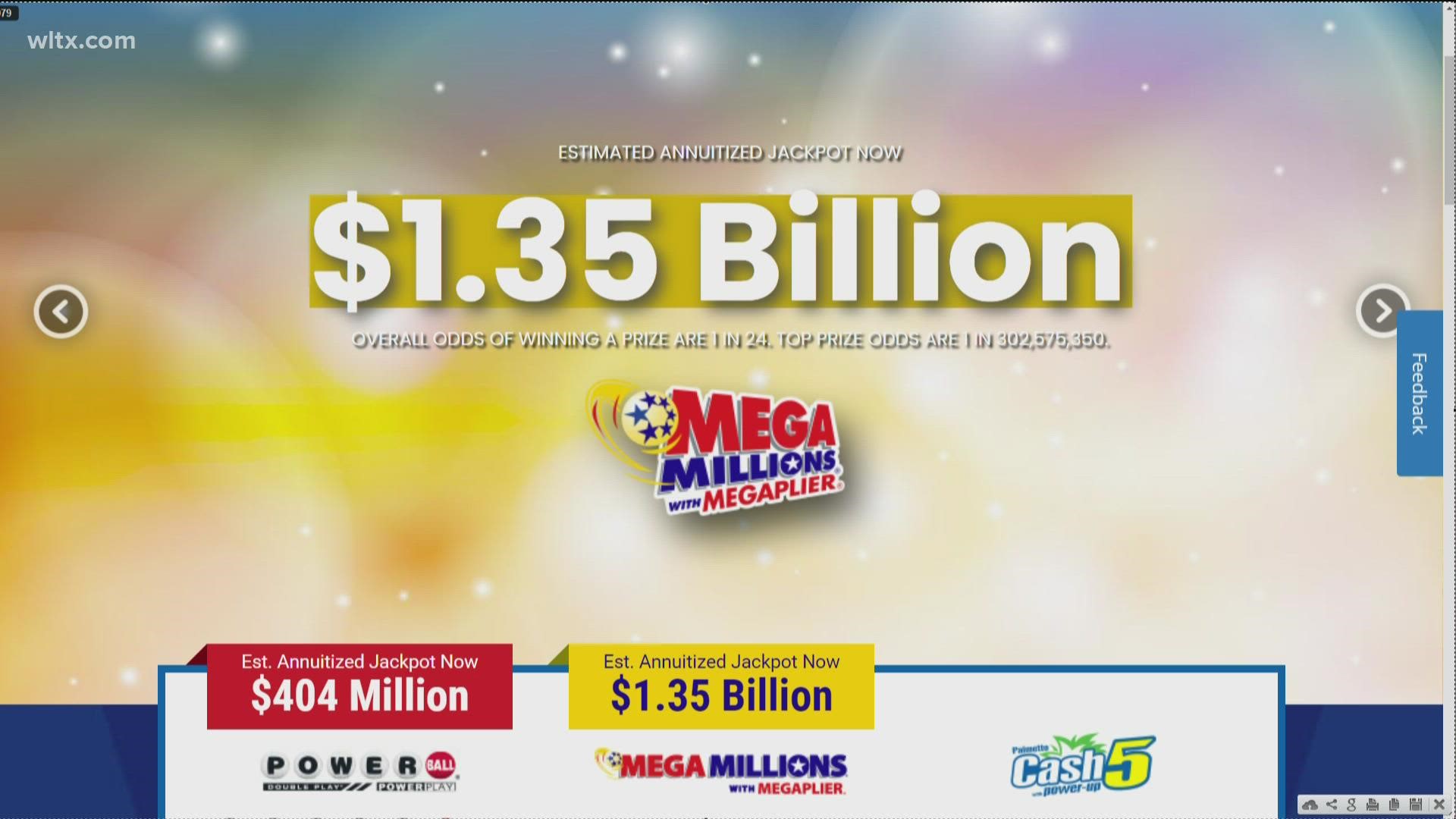
The probability of winning the Mega Millions jackpot is 1 in 302,575,350. To put this in a financial context, one is significantly more likely to become a billionaire through traditional entrepreneurship or high-level investing than by winning the jackpot. However, the lottery provides a “low-cost, high-convexity” bet. For a $2 investment, the potential return is astronomical, though the probability of that return is near zero.
Professional financial analysts often look at the “weighted probability” of the lower-tier prizes. While the jackpot is the headline, there are nine different ways to win, with prizes ranging from $2 to $1 million. Understanding these tiers is essential for anyone treating the lottery as a minor speculative diversion within a broader diversified portfolio.
The Impact of High Jackpots on Expected Value (EV)
In theory, when the jackpot exceeds approximately $605 million (double the odds), the “Expected Value” of a $2 ticket might appear to be positive. However, the financial reality is more complex due to two factors: taxes and “split-pot risk.”
As the jackpot grows, more people buy tickets. This increases the mathematical likelihood that multiple winners will share the prize. If three people hold the winning numbers for a $1 billion jackpot, each person’s pre-tax share drops to $333 million. When you factor in federal and state taxes—which can consume nearly 50% of the winnings in high-tax jurisdictions—the “true” EV of a ticket rarely reaches a break-even point. From a disciplined financial standpoint, the lottery remains an expense, not an investment.
Financial Strategies for Jackpot Winners: Annuity vs. Lump Sum
If the 11:00 p.m. ET drawing falls in your favor, the most critical financial decision of your life begins immediately. The choice between the annuity and the lump sum is a classic exercise in the “Time Value of Money” (TVM).
The Time Value of Money (TVM) Comparison
The lump sum (cash option) provides immediate access to the present value of the jackpot. For a $1 billion advertised prize, the cash value might be roughly $480 million. The annuity option, conversely, offers one immediate payment followed by 29 annual payments that increase by 5% each year.
The decision hinges on the recipient’s “Internal Rate of Return” (IRR). If a winner believes they (or their financial advisors) can invest the after-tax cash and achieve a net return higher than the 5% escalation offered by the annuity, the lump sum is mathematically superior. However, the annuity acts as a “forced discipline” mechanism, protecting the winner from the “lottery curse”—the tendency for winners to exhaust their capital through poor spending habits or predatory investments.
Tax Implications and Bracket Management
From a tax perspective, the lump sum subjects the entire prize to the highest federal income tax bracket (currently 37%) in a single tax year. While the lottery withholds 24% immediately, the winner is responsible for the remaining 13% (plus state taxes) when they file their return.
The annuity allows the winner to spread the tax liability over 30 years. This can be advantageous if tax rates remain stable or decrease, but it poses a risk if future tax codes become more aggressive toward high-income earners. A sophisticated financial plan would involve modeling both scenarios against projected inflation and tax reform.
Managing a Sudden Wealth Event: Building Your Financial Fortress
The moment the numbers are read at 11:00 p.m., a winner transitions from a standard economic actor to the head of a “Family Office” or a significant private estate. Managing this transition requires a structured approach to digital security, physical safety, and capital preservation.
The “Quiet Period” and Security Protocols
Financial experts recommend a “quiet period” between winning and claiming the prize. During this time, the winner should secure the physical ticket (often in a bank safety deposit box) and consult with legal counsel regarding “blind trusts” or “limited liability companies” (LLCs) to claim the prize anonymously, if state laws permit. Protecting one’s identity is the first step in protecting one’s wealth from frivolous lawsuits and “sudden” friends or relatives.
Constructing a Professional Advisory Team
A jackpot winner requires a “fiduciary” team. Unlike standard financial planners who may work on commission, a fiduciary is legally obligated to act in the client’s best interest. This team typically includes:
- A Tax Attorney: To navigate complex state and federal codes.
- A Certified Public Accountant (CPA): To manage annual filings and estimated tax payments.
- An Estate Planner: To create trusts that ensure the wealth survives for multiple generations.
- A Private Banker: To handle large-scale liquidity and credit needs.
Asset Allocation and Long-term Preservation
The primary goal for a lottery winner should be “wealth preservation” rather than “wealth creation.” With a nine-figure sum, the need to take significant market risk disappears. A conservative allocation—utilizing municipal bonds, diversified index funds, and institutional-grade real estate—can provide an inflation-adjusted income that sustains a luxury lifestyle indefinitely without ever touching the principal.
Responsible Play and the Psychology of Financial Risk
While the time of the Mega Millions drawing is a moment of excitement for millions, it is vital to approach the lottery with a grounded psychological perspective.
Integrating Lottery Spend into a Personal Budget
Financial health is built on consistency and the power of compounding. If an individual spends $10 a week on Mega Millions tickets, they are spending $520 a year. Over 30 years, if that same $520 were invested in an S&P 500 index fund with an average 7% return, it would grow to approximately $52,000.
Therefore, lottery play should be categorized as “discretionary entertainment,” similar to a movie ticket or a dinner out. It should never come from funds allocated for retirement, emergency savings, or debt repayment.
Avoiding the “Lottery Curse”: Sustainable Financial Habits
The “lottery curse” is a well-documented phenomenon where winners find themselves in bankruptcy within a decade. This is rarely due to a lack of money, but rather a lack of financial infrastructure. The psychological impact of “easy money” can lead to a phenomenon known as “hedonic adaptation,” where the winner constantly seeks more expensive thrills to achieve the same level of satisfaction.
Maintaining sustainable habits—such as adhering to a monthly budget and setting philanthropic goals—can provide a sense of purpose that prevents the erosion of both capital and character.
In conclusion, “what time is the Mega Millions lottery” is a question that opens the door to a world of high-stakes finance. Whether you are a casual player or a student of economic trends, the lottery serves as a vivid reminder of the importance of probability, tax strategy, and disciplined wealth management. The drawing at 11:00 p.m. ET is merely the start; the true game is how one manages the financial consequences that follow.
aViewFromTheCave is a participant in the Amazon Services LLC Associates Program, an affiliate advertising program designed to provide a means for sites to earn advertising fees by advertising and linking to Amazon.com. Amazon, the Amazon logo, AmazonSupply, and the AmazonSupply logo are trademarks of Amazon.com, Inc. or its affiliates. As an Amazon Associate we earn affiliate commissions from qualifying purchases.