
For investors, traders, and financial enthusiasts alike, understanding the precise opening and closing times of financial markets is not merely a matter of curiosity; it is a fundamental pillar of informed decision-making and strategic execution. The question, “What time is the market open today?” carries significant weight, as market hours dictate when orders can be placed, when price discovery occurs, and when critical economic data releases exert their immediate influence. In a world of instantaneous information and interconnected economies, knowing the pulse of global markets is paramount to navigating the complexities of personal finance, investing, and business finance effectively. This article delves into the intricacies of market operating hours, exploring the rationale behind their structure, examining key global exchanges, and providing insights into how investors can leverage this knowledge to their advantage.
The Rationale Behind Standard Market Hours
The concept of defined trading hours, while seemingly restrictive in an age of 24/7 digital access, serves several critical functions that underpin the stability and efficiency of financial markets. These hours are not arbitrary but are carefully designed to foster an environment conducive to fair pricing, ample liquidity, and orderly operations.
Ensuring Orderly Trading and Price Discovery
Imagine a market that never closes. While appealing in theory for continuous access, such a scenario could lead to fragmented liquidity and extreme volatility, making consistent price discovery challenging. Standard market hours concentrate trading activity into specific windows, bringing together buyers and sellers to facilitate a robust and efficient auction process. This concentration ensures that a large volume of transactions occurs simultaneously, leading to tighter bid-ask spreads and more accurate, representative prices for securities. Without these defined periods, prices could swing wildly on minimal volume, making it difficult for investors to determine true market value. The opening “bell” often marks a period of high volatility and intense activity as accumulated orders from the overnight session are executed, and market participants react to news that broke before the market opened.
Facilitating Information Dissemination and Analysis
Market hours are also closely linked to the cadence of economic reporting and corporate announcements. Most major economic data releases (e.g., inflation reports, unemployment figures, GDP data) are scheduled outside of active trading hours or just before the market open. This allows analysts, institutional investors, and individual traders sufficient time to digest the information, conduct their analyses, and formulate their trading strategies before the market reacts. If markets were open 24/7, critical news could drop at any time, leading to sudden, potentially illiquid, and irrational price movements. The structured break provides a buffer, promoting more thoughtful and less impulsive market responses to significant news events.
Balancing Liquidity and Accessibility
While market hours consolidate liquidity, they also strike a balance with accessibility. They ensure that trading desks are adequately staffed, and regulatory oversight bodies are operational during peak activity. This human element is still crucial for monitoring market integrity, addressing technical issues, and ensuring compliance. Furthermore, the standardized schedule allows global financial institutions to coordinate their operations, manage risk effectively across different time zones, and facilitate cross-border transactions within a predictable framework. For individual investors, defined hours mean they can plan their engagement with the market, fitting it around work or other commitments, rather than needing to monitor screens around the clock.
A Deep Dive into Major Global Markets
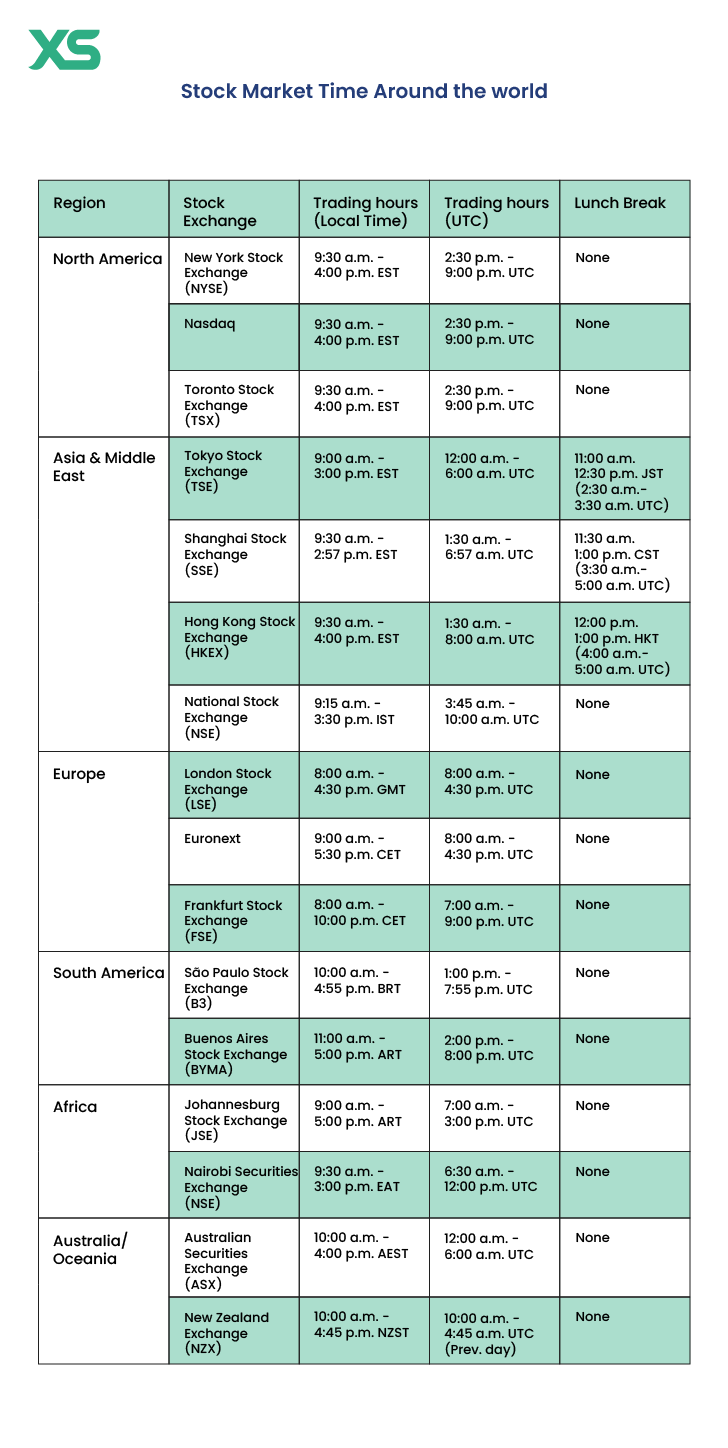
The answer to “What time is the market open today?” depends entirely on which market you’re referring to. The world of finance operates across numerous exchanges, each with its own schedule, dictated by local time zones and national holidays. Understanding these differences is crucial for anyone engaging with global capital markets.
North American Exchanges: NYSE and NASDAQ
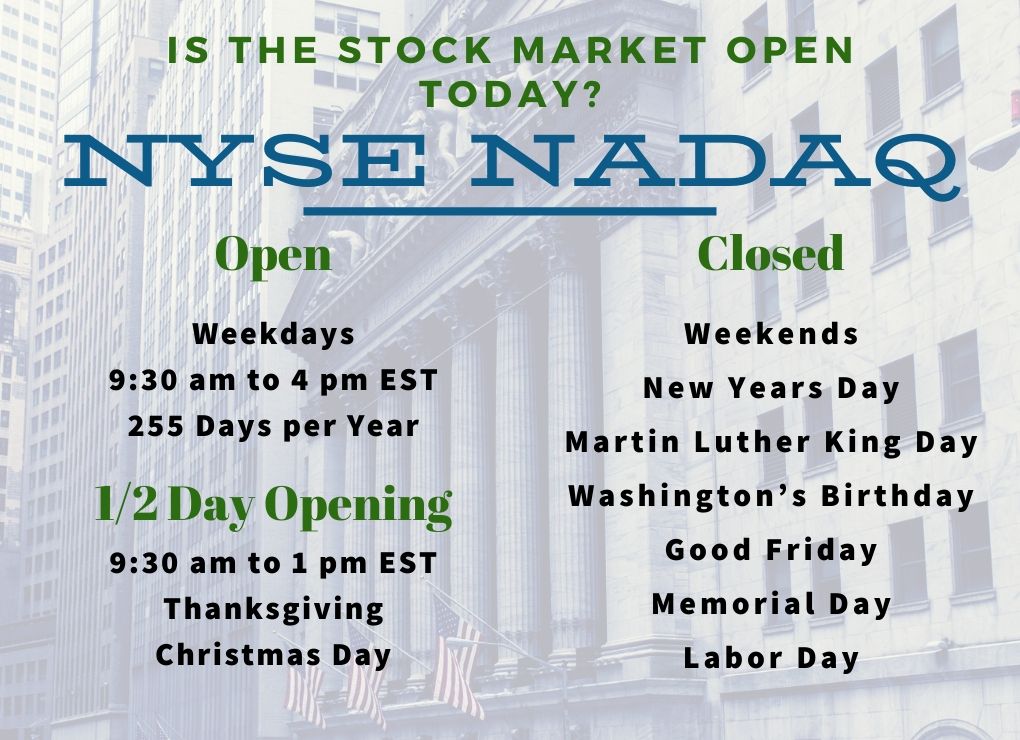
The New York Stock Exchange (NYSE) and the NASDAQ Stock Market are arguably the most influential stock exchanges globally. Both primarily operate from 9:30 AM to 4:00 PM Eastern Time (ET), Monday through Friday.
-
NYSE: The iconic “Big Board” represents many of the world’s largest companies and is known for its auction-market structure.
-
NASDAQ: Predominantly a technology-focused exchange, NASDAQ is known for its electronic, dealer-based market.
While these are the standard trading hours, both exchanges also offer pre-market trading (typically 4:00 AM to 9:30 AM ET) and after-hours trading (typically 4:00 PM to 8:00 PM ET). These extended hours allow investors to react to news outside regular trading sessions, though often with lower liquidity and higher volatility.
European Markets: London, Frankfurt, and Euronext
Europe’s financial landscape is rich with major exchanges that operate on their own local schedules, creating an overlapping but distinct trading day relative to North America and Asia.
-
London Stock Exchange (LSE): One of the oldest and largest stock exchanges globally, the LSE trades from 8:00 AM to 4:30 PM Greenwich Mean Time (GMT) or British Summer Time (BST) when applicable.
-
Xetra (Frankfurt Stock Exchange): Germany’s primary stock exchange operates from 9:00 AM to 5:30 PM Central European Time (CET) or Central European Summer Time (CEST).
-
Euronext: A pan-European exchange group, Euronext operates exchanges in Paris, Amsterdam, Brussels, Lisbon, Oslo, and Dublin. Its main cash market trading hours are generally from 9:00 AM to 5:30 PM CET/CEST.
These European markets bridge the gap between Asian and American trading sessions, often reacting to overnight news from Asia and setting the tone for the North American open.
Asian Powerhouses: Tokyo, Shanghai, and Hong Kong
Asia kicks off the global trading day, with its markets opening while Europe and North America are still asleep.
-
Tokyo Stock Exchange (TSE): Japan’s premier exchange has a split session: 9:00 AM to 11:30 AM JST (Japan Standard Time) for the morning session, and 12:30 PM to 3:00 PM JST for the afternoon session.
-
Shanghai Stock Exchange (SSE) & Shenzhen Stock Exchange (SZSE): Mainland China’s exchanges also feature split sessions: 9:30 AM to 11:30 AM CST (China Standard Time) and 1:00 PM to 3:00 PM CST. Access to these markets often involves specific investment vehicles like the Stock Connect programs.
-
Hong Kong Stock Exchange (HKEX): A vital gateway to China, the HKEX operates from 9:30 AM to 12:00 PM HKT (Hong Kong Time) for the morning session and 1:00 PM to 4:00 PM HKT for the afternoon session.
Asian markets are crucial for understanding sentiment and economic trends originating from the fastest-growing regions of the world, influencing global supply chains and technological innovation.
Forex and Cryptocurrency Markets: The 24/7 Exception
While traditional stock and bond markets adhere to strict hours, two major asset classes offer near-continuous trading:
-
Foreign Exchange (Forex) Market: The largest financial market globally, Forex operates 24 hours a day, five days a week, from Sunday evening ET to Friday afternoon ET. This is possible because it’s an over-the-counter (OTC) market, with major financial centers (London, New York, Tokyo, Sydney) opening and closing in succession, ensuring continuous trading.
-
Cryptocurrency Markets: These decentralized digital asset markets generally operate 24 hours a day, seven days a week, 365 days a year. Their decentralized nature and blockchain technology allow for continuous trading without the need for traditional exchange clearing hours. However, liquidity can vary significantly depending on the time of day and specific exchange.
Understanding Pre-Market, After-Hours, and Holiday Trading
The standard 9:30 AM to 4:00 PM trading window for many stock exchanges is just one piece of the puzzle. Savvy investors also need to be aware of trading opportunities and limitations outside these core hours, as well as planned and unplanned market closures.
Pre-Market Trading: Early Insights and Reactions
Pre-market trading refers to the period before the official market open, typically starting as early as 4:00 AM ET for U.S. exchanges. This session allows institutional investors and some individual traders to place orders and react to news that breaks overnight or before the market opens. Significant corporate earnings reports, economic data, or geopolitical developments released during these hours can cause substantial price movements.
-
Advantages: Opportunity to react early to news, potentially capture favorable prices before the main market opens.
-
Disadvantages: Lower liquidity (fewer buyers and sellers), wider bid-ask spreads, and increased volatility, which can lead to larger price swings on relatively small volumes. It’s often dominated by institutional players.
After-Hours Trading: Reacting to Post-Market News
Conversely, after-hours trading takes place after the official market close, usually extending until 8:00 PM ET. This session is particularly important for reacting to news released after market close, such as late-breaking earnings reports or significant company announcements. Just like pre-market, after-hours trading exhibits characteristics of lower liquidity and higher volatility.
-
Advantages: Allows immediate reaction to company-specific news that could significantly impact stock prices.
-
Disadvantages: Similar to pre-market, reduced liquidity means that executing large orders can be challenging, and prices might not reflect the broader market sentiment.
Market Holidays: Planned Closures and Their Impact
Financial markets observe various national and religious holidays throughout the year, leading to full-day closures. In the U.S., for example, the NYSE and NASDAQ close for holidays like New Year’s Day, Martin Luther King, Jr. Day, Presidents’ Day, Good Friday, Memorial Day, Juneteenth, Independence Day, Labor Day, Thanksgiving Day, and Christmas Day. It is critical for investors to consult their exchange’s holiday schedule, as these closures mean no trading activity, and can lead to a build-up of news that impacts prices upon reopening. International investors must also be mindful of local market holidays in the regions they invest in.
Early Closures and Unscheduled Disruptions
Beyond planned holidays, markets may have early closures (e.g., the day before Thanksgiving or Christmas Eve) or face unscheduled disruptions. These can be due to severe weather, technical glitches, or, in rare cases, emergency regulatory actions. While infrequent, such events can significantly impact trading and portfolio management. Staying informed through official exchange announcements and reputable financial news sources is crucial during these times.
Strategies for Staying Informed and Adapting to Market Hours
Navigating the complex landscape of global market hours requires a proactive approach. For investors and traders aiming to optimize their financial strategies, effective information management is key.
Utilizing Financial News Platforms and Apps
In today’s digital age, a wealth of resources exists to keep investors updated on market opening times, holidays, and real-time news. Reputable financial news websites (e.g., Bloomberg, Reuters, Wall Street Journal, Financial Times), dedicated trading platforms, and specialized mobile applications offer customizable alerts and comprehensive market calendars. Many platforms allow users to track specific exchanges, view pre-market and after-hours quotes, and receive notifications about significant news events as they occur, ensuring no critical information is missed.
Setting Up Trading Alerts and Watchlists
Beyond general news, personalized alerts are invaluable. Most brokerage platforms and financial apps allow users to set up alerts for specific stocks or indices. These can be configured to notify you when a particular market opens or closes, or when a stock reaches a certain price, or when major economic data is released. Creating watchlists of your primary investments or areas of interest ensures that you can quickly access relevant information regarding their trading hours and activity, regardless of your physical location or current time zone.
Understanding Time Zones and Their Impact
One of the biggest challenges for global investors is managing different time zones. A market that opens at 9:00 AM in Tokyo is opening in the evening for someone in New York. Developing a clear understanding of time zone conversions, or using tools that automatically adjust market hours to your local time, is essential. Many online resources and trading platforms offer features that display global market hours in your local time, simplifying this complex aspect. For those with diversified international portfolios, a world clock or a specialized time zone converter can become an indispensable tool.

Planning Your Trading Day Around Market Opens and Closes
The market open and close are often periods of heightened volatility and liquidity. Day traders frequently focus on these windows, as the influx of orders can create significant price movements. Longer-term investors may use the opening hours to execute trades based on overnight news or to rebalance portfolios, while the closing hours provide a final opportunity to adjust positions. Planning your trading activity around these key times, perhaps setting specific windows for research, order placement, and portfolio review, can lead to more disciplined and effective financial decision-making. Avoid making impulsive decisions during highly volatile periods unless your strategy specifically calls for it.
In conclusion, the question “What time is the market open today?” is a gateway to understanding the rhythm and mechanics of global financial markets. From the structured hours of major stock exchanges to the 24/7 operations of forex and crypto, each market’s schedule is integral to its function and impacts investment strategies. By comprehending the rationale behind these hours, leveraging available tools for information, and adapting to global time zones, investors can navigate the financial world with greater confidence and make more informed decisions to grow their wealth and achieve their financial objectives.
aViewFromTheCave is a participant in the Amazon Services LLC Associates Program, an affiliate advertising program designed to provide a means for sites to earn advertising fees by advertising and linking to Amazon.com. Amazon, the Amazon logo, AmazonSupply, and the AmazonSupply logo are trademarks of Amazon.com, Inc. or its affiliates. As an Amazon Associate we earn affiliate commissions from qualifying purchases.