
For both seasoned investors and curious newcomers, understanding the operational hours of the stock market is far more than a trivial detail – it’s a fundamental component of effective trading strategy, risk management, and overall financial literacy. The perception of a continuously running, global financial engine often overshadows the reality of precisely defined trading windows that govern when assets can be bought and sold on exchanges. These hours are not arbitrary; they are meticulously structured to maintain market integrity, facilitate liquidity, and provide periods for essential administrative and clearing processes.
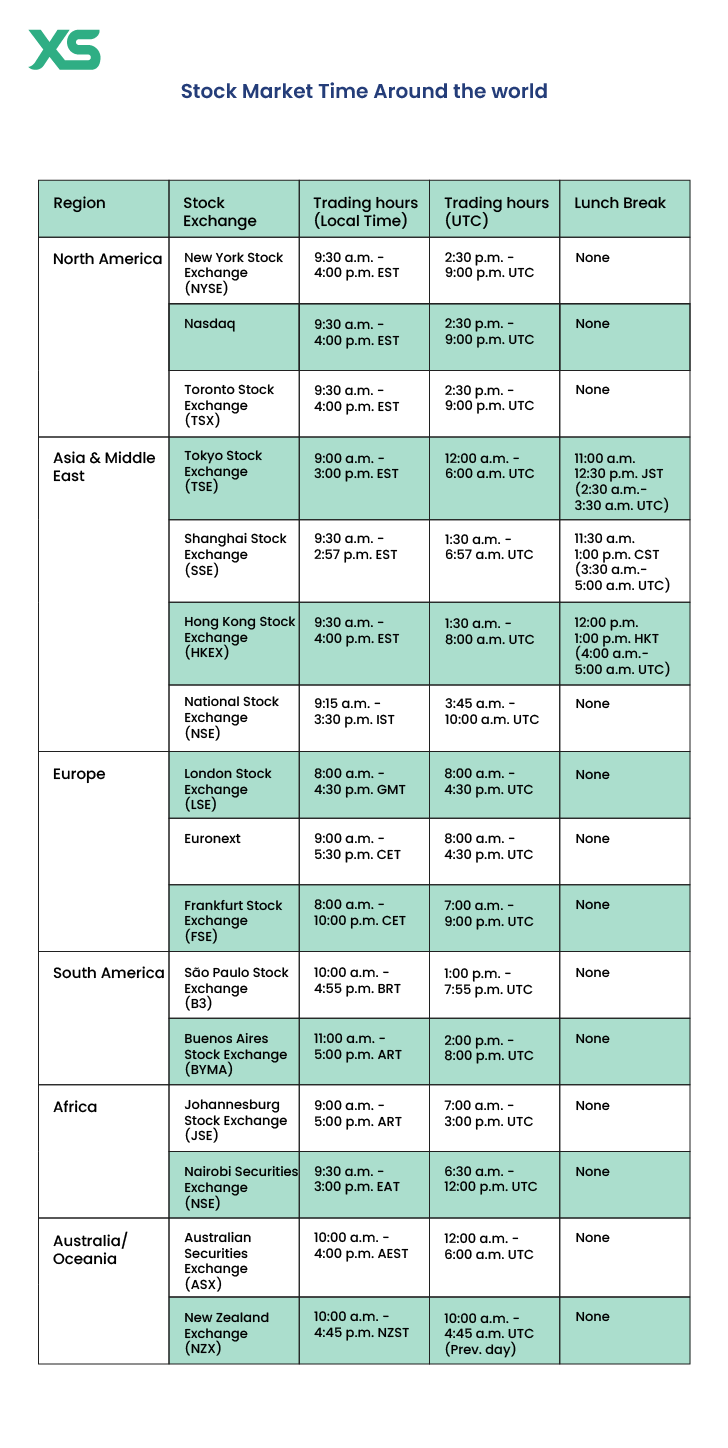
Navigating the intricacies of market open and close times, especially across different global exchanges and various trading phases, is crucial for anyone looking to make informed decisions. From the bustling pre-market sessions where early birds try to capitalize on overnight news, to the frantic dash of after-hours trading, and the quiet observance of weekends and holidays, each period presents unique opportunities and distinct challenges. This article will delve into the standard U.S. stock market hours, explore the rationale behind these specific timings, briefly touch upon the diverse schedules of global markets, and discuss the strategic implications for investors seeking to optimize their financial endeavors.
Understanding Standard U.S. Stock Market Hours
The U.S. stock market, primarily represented by the New York Stock Exchange (NYSE) and NASDAQ, operates within well-defined hours, complemented by extended trading sessions that offer additional flexibility—and risk—to participants.
New York Stock Exchange (NYSE) and NASDAQ: Core Trading Hours
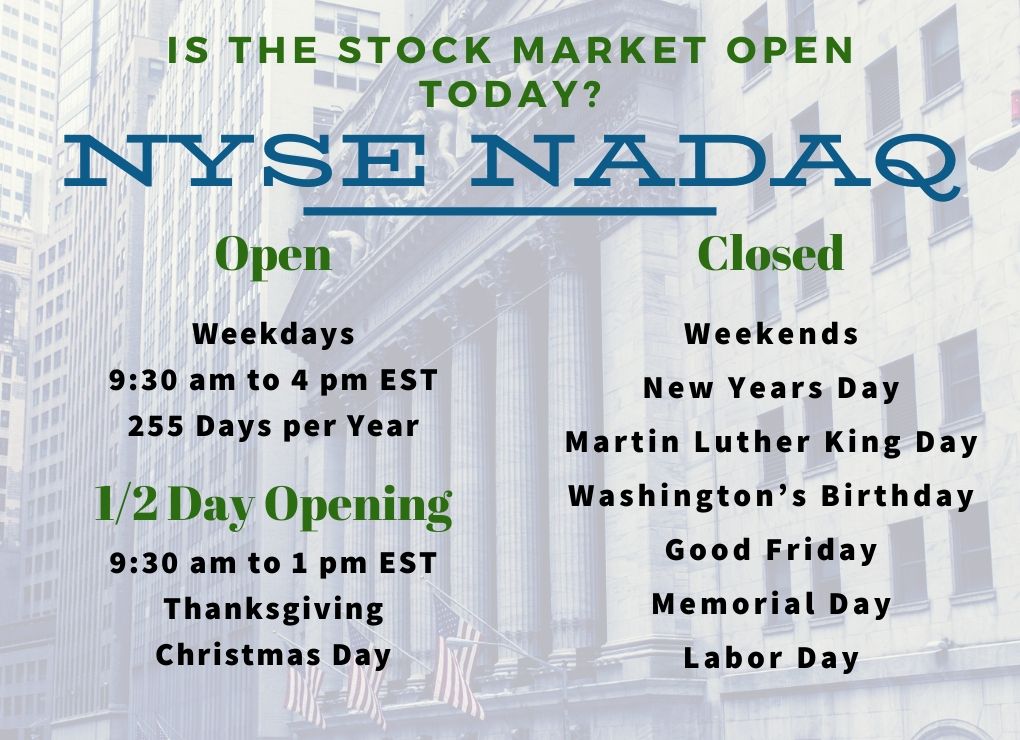
The backbone of U.S. equity trading occurs during the “regular trading hours.” For both the NYSE and NASDAQ, this period is from 9:30 AM Eastern Time (ET) to 4:00 PM ET on weekdays. During these 6.5 hours, the vast majority of stock market transactions take place. This is when liquidity is typically highest, bid-ask spreads are narrowest, and the market is most representative of collective investor sentiment. The opening bell ceremony at 9:30 AM ET and the closing bell at 4:00 PM ET are iconic symbols of the market’s daily cycle, signifying the beginning and end of this crucial trading window. Traders and investors often focus their most significant activities during these hours, leveraging the high volume and stable pricing mechanisms.
Pre-Market Trading: Setting the Stage
Before the official opening bell, the market stirs to life during “pre-market trading.” This session typically runs from 4:00 AM ET to 9:30 AM ET. Pre-market trading allows investors to react to news released overnight or early in the morning, such as earnings reports, mergers and acquisitions announcements, or significant global economic data, before the regular trading session begins.
While offering the advantage of early entry or exit, pre-market trading is characterized by lower liquidity and wider bid-ask spreads. This means that it can be harder to execute trades at desired prices, and price movements can be more volatile and less predictable due to fewer participants and lower trading volume. Only certain electronic communication networks (ECNs) facilitate these trades, and not all brokerage firms offer access or the same extended hours. Investors engaging in pre-market trading must be acutely aware of these factors and understand the heightened risks involved.
After-Hours Trading: The Extended Play
Following the closing bell, the market continues its activity into “after-hours trading,” which typically extends from 4:00 PM ET to 8:00 PM ET. Similar to pre-market trading, this session allows investors to react to late-breaking news or earnings reports released after the market close. Companies often strategically release their quarterly results after 4:00 PM ET to give investors time to digest the information before the next trading day or before the after-hours session heats up.
Like pre-market, after-hours trading is also marked by reduced liquidity and increased volatility. Institutional investors and active traders often use this window, but individual investors need to exercise caution. The limited participation can lead to significant price swings on relatively low volume, making it challenging to get favorable execution prices. While it provides flexibility, the risks associated with thinly traded markets are amplified.
Weekends and Holidays: When the Markets Rest
The U.S. stock markets are closed on weekends (Saturdays and Sundays) and on several federal holidays throughout the year. These closures are essential for market participants and regulators to process trades, conduct maintenance, and allow for a pause in the relentless pace of financial markets.
Major U.S. holidays when the stock market is typically closed include:
- New Year’s Day
- Martin Luther King, Jr. Day
- Presidents’ Day
- Good Friday
- Memorial Day
- Juneteenth National Independence Day
- Independence Day (July 4th)
- Labor Day
- Thanksgiving Day
- Christmas Day
It’s important to note that if a holiday falls on a weekend, the market will typically observe it on the nearest weekday (e.g., if Christmas falls on a Saturday, the market might be closed on Friday, December 24th). Sometimes, markets may also have partial trading days, closing early on days like the day after Thanksgiving or Christmas Eve. Always check the official schedules published by the NYSE and NASDAQ for exact holiday closures and early closing times.
The Rationale Behind Specific Trading Hours
The establishment of specific trading hours is not merely a historical artifact; it is a meticulously designed framework that serves several critical functions within the financial ecosystem. These functions are aimed at ensuring fairness, efficiency, and stability in the market.
Facilitating Liquidity and Price Discovery
One of the primary reasons for concentrated trading hours is to pool all market participants into a single timeframe. This concentration of buyers and sellers creates a high-liquidity environment, meaning there’s a constant flow of orders, making it easier for investors to buy or sell assets without significantly impacting their price. High liquidity leads to tighter bid-ask spreads, which reduces transaction costs for investors. Furthermore, a concentrated period allows for efficient “price discovery,” where the true market value of an asset is quickly and accurately determined by the collective actions of all participants. Spreading trading across 24 hours would fragment this liquidity, potentially leading to less efficient pricing and higher costs.
Managing Volatility and Systemic Risk
While markets are inherently volatile, specific trading hours help manage extreme swings. Halting trading for periods allows participants to digest information, reassess their strategies, and for market makers to re-evaluate pricing without the immediate pressure of continuous trading. This pause can prevent panic selling or buying sprees from spiraling out of control, offering a cooling-off period. It also provides a structured environment for regulators to intervene if necessary and for exchanges to implement circuit breakers during extraordinary market events. The defined hours contribute to systemic stability by giving markets a chance to “reset” daily.
Operational Efficiency for Financial Institutions
Financial institutions, brokerage firms, and the exchanges themselves rely on these structured hours for operational efficiency. The time outside of regular trading hours is critical for processing trades, settling accounts, reconciling balances, performing system maintenance, and preparing for the next trading day. This back-office work is complex and requires a period without active trading to ensure accuracy and compliance. Without these pauses, the administrative burden and potential for errors would significantly increase, straining the infrastructure that supports trillions of dollars in transactions daily.
Investor Protection and Fair Access
Defined trading hours also serve as a form of investor protection. By limiting the window of active trading, individual investors are somewhat shielded from the more extreme volatility and manipulation that can occur in thinly traded, extended sessions. While pre-market and after-hours trading exist, the regular session is designed to offer the most equitable environment, where a broad range of participants—from large institutions to retail investors—have access to similar information and liquidity conditions. This structure promotes a level playing field, ensuring that most market activity occurs under transparent and well-regulated conditions.
Global Stock Markets: A World of Diverse Schedules
The U.S. stock market is just one piece of a vast, interconnected global financial tapestry. Each major economic region and country hosts its own stock exchange, operating on schedules tailored to local business hours and cultural norms. Understanding these diverse schedules is crucial for international investors and those tracking global economic trends.
European Markets (e.g., London, Frankfurt, Paris)
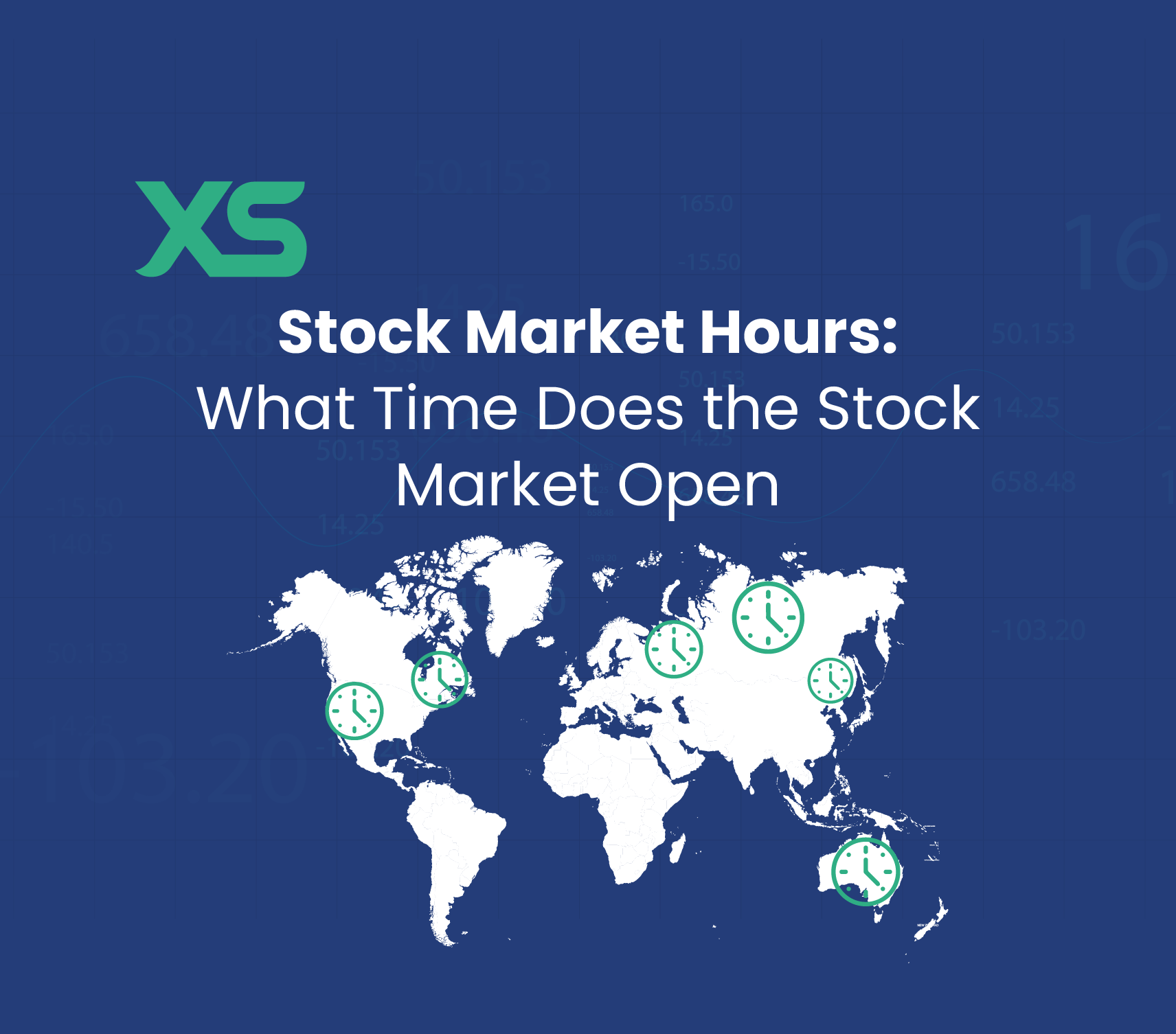
European stock exchanges generally operate during their local business hours, which, due to time zone differences, means they are often active while the U.S. market is still in its pre-market or early regular session.
- London Stock Exchange (LSE): Typically opens at 8:00 AM GMT (Greenwich Mean Time) and closes at 4:30 PM GMT.
- Frankfurt Stock Exchange (Xetra): Usually operates from 9:00 AM CET (Central European Time) to 5:30 PM CET.
- Euronext (Paris, Amsterdam, Brussels, Lisbon): Generally runs from 9:00 AM CET to 5:30 PM CET.
These hours mean that significant economic news or company announcements from Europe can influence U.S. market sentiment before the NYSE and NASDAQ even open, highlighting the global interconnectedness of financial markets.
Asian Markets (e.g., Tokyo, Shanghai, Hong Kong)
Given the significant time difference, Asian markets are generally closed before U.S. markets begin their trading day. News from these markets, therefore, often shapes the sentiment for European and U.S. pre-market trading.
- Tokyo Stock Exchange (TSE): Typically operates from 9:00 AM JST (Japan Standard Time) to 3:00 PM JST, with a lunch break from 11:30 AM to 12:30 PM JST.
- Shanghai Stock Exchange (SSE): Operates from 9:30 AM CST (China Standard Time) to 3:00 PM CST, also with a lunch break from 11:30 AM to 1:00 PM CST.
- Hong Kong Stock Exchange (HKEX): Generally runs from 9:30 AM HKT (Hong Kong Time) to 4:00 PM HKT, with a lunch break from 12:00 PM to 1:00 PM HKT.
The distinct trading hours across these regions mean that for an investor seeking to monitor global markets, the concept of a “market open” is almost continuous, shifting from one time zone to another. This necessitates strategies for managing information flow and potential overnight risks.
Implications for International Investors
For investors with international portfolios or those trading in global instruments, understanding these diverse schedules is paramount.
- Time Zone Challenges: Managing trades across different time zones requires careful planning and often means waking up early or staying up late.
- 24/7 News Cycle Impact: News breaking in one market can rapidly influence others, even if they are officially closed. For example, a major economic announcement in China can impact European futures markets, which in turn affect U.S. futures before Wall Street opens.
- Brokerage Access: Not all brokerage firms offer direct access to all international exchanges, and fees for such access can vary significantly. Investors need to ensure their chosen platform can facilitate their desired global trading activities.
Strategic Implications of Trading Hours for Investors
Understanding when markets open and close is not merely an academic exercise; it has tangible strategic implications for how investors approach their portfolios, manage risk, and execute trades.
Optimizing Trade Execution
The regular trading hours (9:30 AM to 4:00 PM ET) are generally the best time for trade execution for most retail investors. This period offers the highest liquidity, leading to tighter bid-ask spreads and better chances of filling orders at desired prices. Volatility can be higher at the very beginning and end of the regular session, as opening and closing auctions process a large number of orders, so some investors prefer to trade mid-day. Active traders might leverage the opening minutes for quick gains or losses based on pre-market momentum, but this is typically a high-risk strategy. Avoiding trading during times of low liquidity, such as extended hours, can prevent adverse price movements and unfavorable fills.
News and Earnings Releases
The timing of market openings and closings dictates when companies strategically release crucial information. Earnings reports, mergers and acquisitions announcements, and significant product launches are often scheduled either before the market opens (e.g., 7:00 AM ET to 9:00 AM ET) or after it closes (e.g., 4:00 PM ET to 6:00 PM ET). This timing allows analysts and investors to digest the information without the immediate pressure of an open market, theoretically leading to a more considered response once trading resumes. Investors need to be aware of these release schedules and monitor news feeds during these specific windows to react promptly and appropriately, potentially adjusting their positions or making new trades.
Managing Risk in Extended Hours
While extended hours trading (pre-market and after-hours) offers flexibility, it comes with elevated risks that demand careful management. The significantly lower liquidity means that even small orders can cause substantial price movements. Wider bid-ask spreads translate to higher transaction costs and less favorable execution prices. Furthermore, major news events during these times can lead to disproportionate price swings that may not reflect the asset’s true value once regular trading resumes. Investors engaging in extended hours trading should:
- Use limit orders instead of market orders to control the price at which their trades are executed.
- Be aware of the thinner order books and the potential for greater price manipulation or volatility.
- Consider these sessions primarily for reacting to immediate, impactful news rather than routine trading.
Leveraging Technology for Global Trading
Modern financial technology has democratized access to market information and trading tools, significantly aiding investors in navigating diverse trading hours.
- Real-Time Data: Advanced brokerage platforms and financial news websites provide real-time quotes and news feeds from around the globe, allowing investors to monitor market movements even when their local exchange is closed.
- Automated Trading: Algorithmic trading and automated order execution systems can be programmed to place trades when specific market conditions are met, irrespective of the investor’s active monitoring. This can be particularly useful for capitalizing on opportunities in different time zones.
- International Brokerage Accounts: Many brokers now offer access to multiple global exchanges, enabling investors to trade directly in international markets during their respective open hours, expanding investment horizons beyond domestic markets.
Tools and Resources for Tracking Market Hours
In today’s fast-paced financial world, staying updated on market hours, holidays, and extended trading sessions is essential. Fortunately, a plethora of tools and resources are available to help investors remain informed.
Financial News Websites and Apps
Leading financial news outlets, such as Bloomberg, Reuters, The Wall Street Journal, CNBC, and Yahoo Finance, provide comprehensive market coverage, including current market status, opening and closing times, and detailed holiday schedules. Their websites and mobile apps often feature real-time data, customizable watchlists, and alerts, making it easy for investors to track their holdings and relevant markets. These platforms are often the first to report on significant news that might impact market sentiment.
Brokerage Platforms
Every reputable online brokerage platform will clearly display the current status of the market (open, closed, pre-market, after-hours) and often provide specific information about upcoming holidays or early closures. Most platforms also offer advanced charting tools that display extended-hours trading data, allowing investors to visualize price movements outside of regular sessions. Many platforms also allow direct trading during pre-market and after-hours, often with clear disclaimers about the associated risks.
Exchange Websites
For the most accurate and official information, consulting the websites of the respective stock exchanges (e.g., NYSE.com, NASDAQ.com, LSE.com, HKEX.com) is always recommended. These sites publish official trading calendars, holiday schedules, and any special announcements regarding market operations. This is particularly useful for verifying information or for investors who need precise details for compliance or institutional purposes.
Calendar Tools
Integrating financial calendars into personal or professional planning tools can be highly effective. Many financial apps and websites offer exportable calendars that can be added to Google Calendar, Outlook, or other personal digital planners. These calendars can include market holidays, earnings release dates for specific companies, and economic data release schedules, providing a holistic view of events that might impact trading. Setting up reminders for market open and close times, especially for international markets, can help ensure timely action.
Conclusion
Understanding “what time is the stock market open” is far more than a simple inquiry; it’s a foundational element of sound investing. From the bustling regular trading hours that define market liquidity and price discovery to the nuanced risks and opportunities presented by pre-market and after-hours sessions, each phase of the market day holds distinct implications for investors. The global nature of finance further complicates this landscape, requiring an awareness of diverse international trading schedules and their interconnected impact.
For the diligent investor, grasping these timings is critical for optimizing trade execution, strategically reacting to news and earnings, and effectively managing the inherent risks, especially during extended trading periods. Leveraging the array of modern financial tools and resources can significantly aid in tracking market activity across various time zones and sessions. Ultimately, success in the stock market hinges not just on what you buy or sell, but also crucially, on when you choose to act. By mastering the rhythm of market hours, investors can position themselves for more informed decisions, greater efficiency, and a potentially more prosperous financial journey.
aViewFromTheCave is a participant in the Amazon Services LLC Associates Program, an affiliate advertising program designed to provide a means for sites to earn advertising fees by advertising and linking to Amazon.com. Amazon, the Amazon logo, AmazonSupply, and the AmazonSupply logo are trademarks of Amazon.com, Inc. or its affiliates. As an Amazon Associate we earn affiliate commissions from qualifying purchases.