
For investors, both seasoned and novice, understanding the operational hours of financial markets is far more than a trivial detail; it is a fundamental aspect of strategic planning, risk management, and effective portfolio execution. While the iconic image of the “closing bell” often signifies the end of a trading day, the true implications of market close extend far beyond a simple timestamp. It marks the culmination of daily price discovery, triggers a cascade of post-trading activities, and sets the stage for the next trading session. This comprehensive guide delves into the specifics of stock market closing times, exploring the rationale behind them, the dynamics of extended-hours trading, and the crucial role these timings play in the broader financial ecosystem for anyone navigating the complexities of personal finance and investing.
Understanding Standard Market Hours and Their Rationale
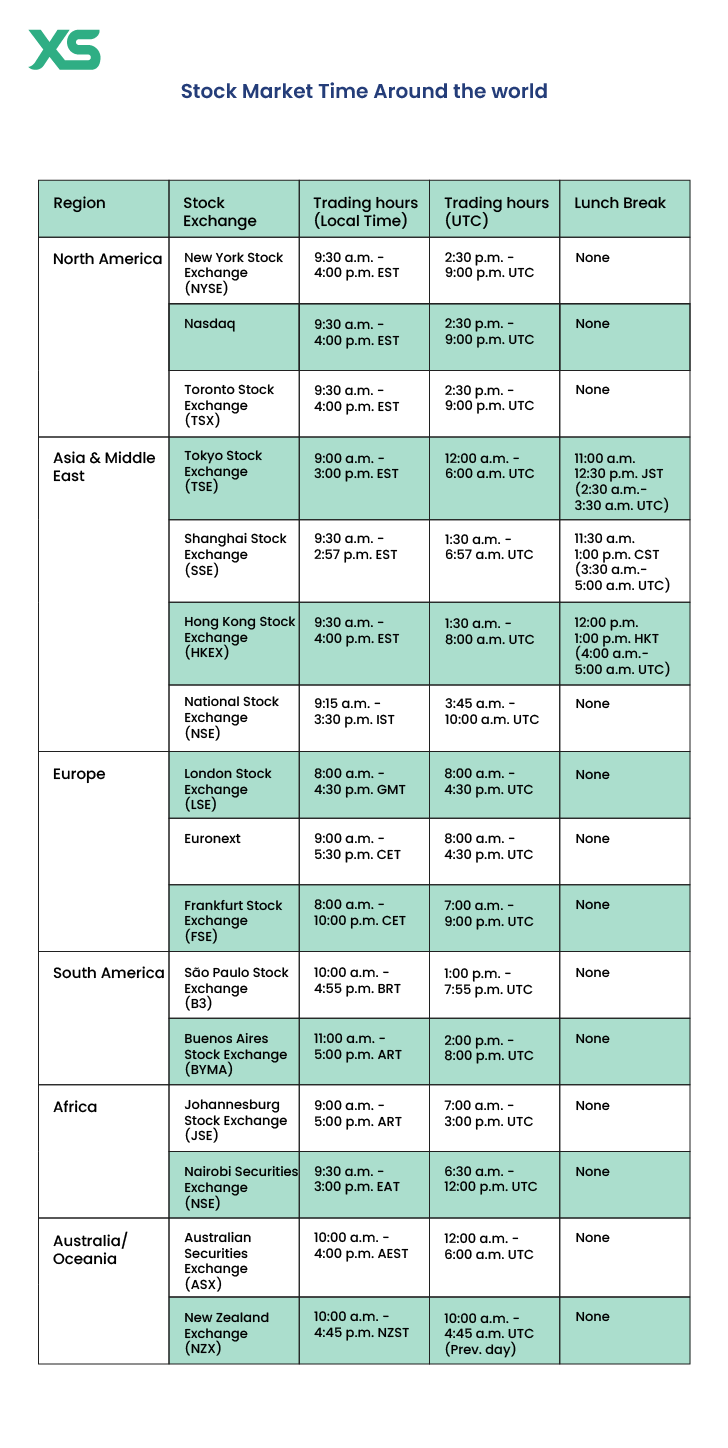
The backbone of global stock exchanges is their defined trading hours, establishing a period of peak liquidity and regulated transaction. While these hours can vary significantly across different geographies, understanding the standard framework, particularly for major markets, is essential for any investor.
The Core Trading Window
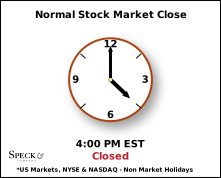
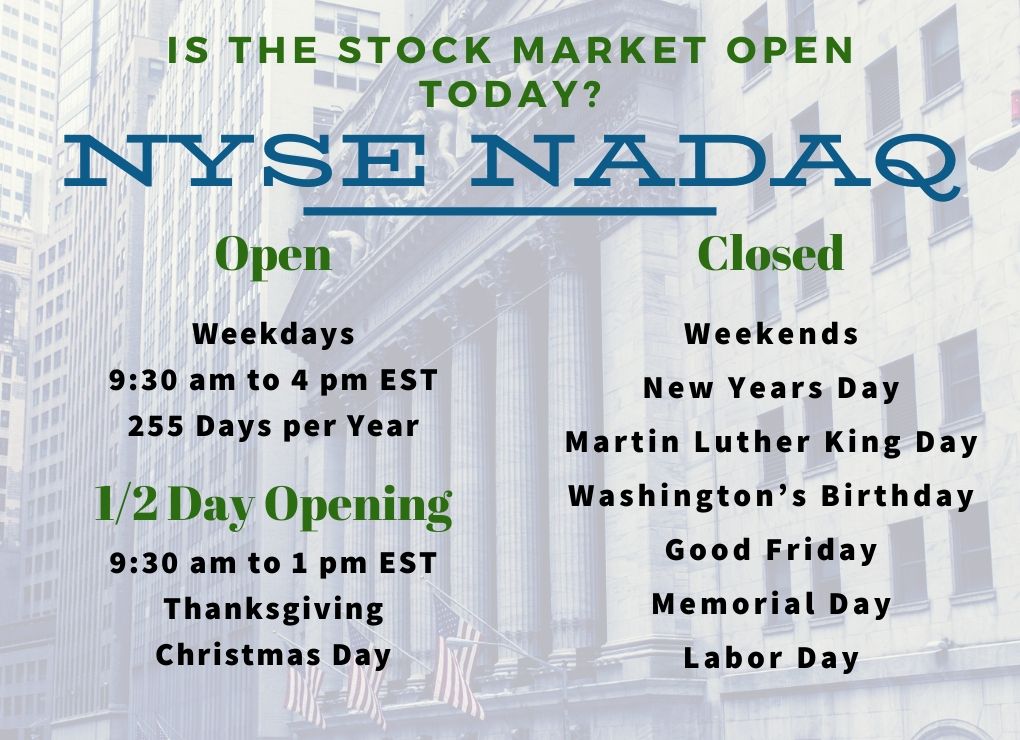
In the United States, the primary stock exchanges – the New York Stock Exchange (NYSE) and the Nasdaq Stock Market – operate under a standardized schedule. Regular trading hours are from 9:30 AM Eastern Time (ET) to 4:00 PM ET, Monday through Friday. This 6.5-hour window represents the most active period for trading equities, where the vast majority of transactions occur, and where prices are most efficiently discovered due to the high volume of buyers and sellers. Outside of these hours, while trading is possible, it operates under different conditions, which we will explore further. It’s crucial for investors to remember that these are not the hours when the markets are open, but rather when regular trading occurs. The systems themselves are continuously monitoring, and data is always flowing.
Why 4 PM ET? Historical Context and Operational Efficiency
The seemingly arbitrary 4:00 PM ET closing time is a product of historical evolution and operational necessity. In the early days of exchanges, before the advent of high-speed electronic trading, manual processes dominated. Brokers and market makers needed time after the “closing bell” to reconcile trades, settle accounts, and prepare for the next day. The 4:00 PM close provided a practical cutoff, allowing sufficient time for these post-trading operations without extending the workday excessively into the evening.
Even with today’s advanced technology, the 4:00 PM close remains largely unchanged due to several factors:
- Liquidity Concentration: Concentrating trading volume within a defined period ensures deep liquidity, leading to tighter spreads and more efficient price discovery. Spreading trading across a 24-hour cycle could dilute liquidity and increase volatility.
- Global Synchronization: While not perfectly aligned, the U.S. trading hours allow for some overlap with European markets in the morning and provide a clear end before Asian markets open fully, facilitating a structured global flow of capital.
- Operational Readiness: The time outside regular hours is used by exchanges and financial institutions for system maintenance, updates, risk assessment, and preparing market data for the following day.
Distinguishing Between U.S. and International Markets
While the U.S. market serves as a benchmark for many, it’s vital to recognize that international stock exchanges operate on their own distinct schedules, often reflecting local business practices and time zones. For instance:
- London Stock Exchange (LSE): Generally trades from 8:00 AM GMT to 4:30 PM GMT.
- Tokyo Stock Exchange (TSE): Typically has a morning session (9:00 AM JST to 11:30 AM JST) and an afternoon session (12:30 PM JST to 3:00 PM JST).
- Shanghai Stock Exchange (SSE): Similar split sessions, usually 9:30 AM CST to 11:30 AM CST and 1:00 PM CST to 3:00 PM CST.
- Frankfurt Stock Exchange (XTRA): Trades from 9:00 AM CET to 5:30 PM CET.
Investors engaged in international equities or Exchange Traded Funds (ETFs) that track global indices must be acutely aware of these varying hours. Time zone differences can significantly impact when news affects a market, when liquidity is highest, and when the window for executing trades is open. Financial tools and brokerage platforms often provide real-time conversion and market status indicators to help investors navigate these complexities.
Beyond the Bell: Pre-Market and After-Hours Trading
The concept of “market close” primarily refers to regular trading hours, but the financial world doesn’t simply shut down at 4:00 PM ET. The advent of electronic communication networks (ECNs) and advanced trading platforms has enabled trading to extend beyond these traditional confines, creating opportunities and challenges in what is known as pre-market and after-hours trading.
Opportunities and Risks in Extended Hours
Pre-market trading typically occurs from around 4:00 AM ET to 9:30 AM ET, while after-hours trading runs from 4:00 PM ET to 8:00 PM ET. These extended sessions offer several unique characteristics:
Opportunities:
- Reaction to News: Major corporate earnings reports, economic data releases, or geopolitical events often occur outside regular trading hours. Extended-hours trading allows investors to react immediately, potentially capitalizing on early price movements before the broader market opens or closes.
- Flexibility: For investors with busy schedules, these sessions offer greater flexibility to execute trades when regular hours are inconvenient.
- Price Discovery (Limited): While not as robust as regular hours, extended trading can sometimes give an early indication of market sentiment for the upcoming or next trading day.
Risks:
- Lower Liquidity: Significantly fewer participants trade during extended hours. This lower liquidity can lead to wider bid-ask spreads, making it more expensive to buy or sell shares and potentially causing greater price volatility for smaller trades.
- Increased Volatility: With fewer orders, a single large trade can have a disproportionate impact on a stock’s price, leading to sudden and dramatic price swings.
- Price Discrepancy: The prices established in pre-market or after-hours trading may not accurately reflect the opening price during regular hours, as liquidity and participation surge.
- Limited Order Types: Not all order types available during regular hours are supported in extended sessions. Market orders, for example, are generally ill-advised due to volatility and wider spreads. Limit orders are usually preferred.
How Extended Hours Trading Works
Accessing pre-market and after-hours trading typically requires a brokerage account that supports these features. Investors usually need to specify that their order is valid for extended trading hours. Unlike regular trading, where market makers provide continuous quotes, extended hours often rely more on direct order matching via ECNs. This means your order is more likely to be filled only if there’s a matching counter-order at your desired price.
It’s also important to note that extended trading is primarily driven by institutional investors and high-frequency traders, who have the resources and technology to quickly analyze and react to information. Retail investors participating in these sessions must do so with a heightened awareness of the inherent risks.
Impact on Retail vs. Institutional Investors
The dynamics of extended hours disproportionately affect different investor types.
- Institutional Investors: With their large capital pools, advanced algorithms, and dedicated trading desks, institutions can leverage extended hours to manage large blocks of shares, rebalance portfolios, or react to major news events with greater efficiency. They often have access to superior data feeds and direct ECN connections.
- Retail Investors: While retail access has democratized extended trading, individual investors often face disadvantages. Smaller order sizes can struggle to get filled efficiently, and the lack of comprehensive real-time information or analytical tools compared to institutions can put them at a disadvantage when navigating volatile, low-liquidity environments. For many retail investors, conducting research and formulating strategies during extended hours, but executing trades during regular hours, remains the most prudent approach.
Key Factors Influencing Market Closure and Trading Pauses
While the 4:00 PM ET close is standard, several factors can alter the trading schedule or even halt trading entirely, offering critical insights into market stability and regulatory oversight.
Market Holidays and Early Closures
Stock exchanges observe a calendar of holidays, during which they remain completely closed. These typically align with national holidays, such as New Year’s Day, Memorial Day, Independence Day, Thanksgiving Day, and Christmas Day in the U.S. Additionally, some holidays, like the day after Thanksgiving (Black Friday) or Christmas Eve, may see early market closures, often at 1:00 PM ET. These scheduled closures are usually announced well in advance by the exchanges, allowing investors to plan accordingly. Understanding this calendar is vital for managing liquidity needs and anticipating periods of reduced trading activity.
Circuit Breakers and Volatility Pauses
Beyond scheduled closures, markets can halt trading in response to extreme volatility. These mechanisms, known as “circuit breakers,” are designed to prevent panic selling or buying and allow investors to reassess rapidly changing market conditions. The U.S. stock market uses three primary circuit breaker levels based on the S&P 500 index’s decline from the previous day’s closing price:
- Level 1 (7% decline): Triggers a 15-minute halt if reached before 3:25 PM ET.
- Level 2 (13% decline): Triggers a 15-minute halt if reached before 3:25 PM ET.
- Level 3 (20% decline): Triggers a halt for the remainder of the trading day, regardless of the time.
Individual stocks can also experience “volatility pauses” if their price moves too drastically within a short period (e.g., 5% in 5 minutes for actively traded stocks). These pauses are usually brief (e.g., 5 minutes) and are aimed at curbing manipulative trading practices and allowing for more orderly price discovery. Circuit breakers are a critical safety net, demonstrating how regulatory bodies use strategic pauses to maintain market integrity during periods of extreme stress.
Technical Glitches and Unforeseen Disruptions
While rare, technical malfunctions or unforeseen events can also lead to market closures or trading halts. These could range from software glitches and network failures to physical infrastructure issues or even catastrophic events. In such cases, exchanges prioritize the integrity of the market. Trading may be temporarily paused, specific stocks may be halted, or in extreme circumstances, an entire market may close early or remain closed for an extended period. Such disruptions, though infrequent, highlight the critical role of robust technological infrastructure and contingency planning in modern financial markets. Investors need to monitor official announcements from exchanges and regulatory bodies during such times.
The Significance of the Closing Bell for Investors
The moment the closing bell rings is more than just an end-of-day signal; it’s a pivotal point that consolidates the day’s financial activity and holds profound implications for how assets are valued and managed.
Price Discovery and Market Valuation
The closing price of a stock is one of the most significant data points for investors. It represents the final, agreed-upon valuation of a company’s shares after a full day of trading, reflecting all publicly available information, investor sentiment, and supply-demand dynamics throughout the session.
- Benchmark for Performance: The closing price is the primary benchmark against which a stock’s daily performance is measured (compared to the previous day’s close).
- Portfolio Valuation: For long-term investors, the closing price is crucial for calculating the daily value of their portfolios and tracking their investment performance.
- Technical Analysis: Technical analysts heavily rely on closing prices, along with opening, high, and low prices, to form candlestick charts and other indicators that predict future price movements.
- Derivatives Pricing: The closing price is often used as the settlement price for certain options and futures contracts.
Therefore, the market close effectively “locks in” the market’s collective assessment of value for that day, influencing everything from individual stock analysis to broader market indices.
Settlement Cycles and Transaction Finality
After the closing bell, a complex, behind-the-scenes process known as the settlement cycle begins. When you buy or sell a stock, the transaction isn’t instantly finalized in terms of ownership transfer and cash exchange. In the U.S., the standard settlement cycle is currently T+2, meaning that the actual exchange of securities and cash occurs two business days after the trade date (T).
- Brokerage Operations: Brokerage firms use the post-market hours to reconcile trades, update client accounts, and prepare for the settlement process.
- Clearing Houses: Clearing houses play a crucial role, acting as intermediaries to guarantee the completion of trades and manage the associated risks.
- Capital Availability: Understanding the settlement cycle is vital for investors planning to re-deploy funds from a sale or for those needing to ensure sufficient cash is available for a purchase. The funds from a sale are not immediately “available for withdrawal” until settlement occurs.
The closing bell, therefore, triggers the formal start of this critical process, ensuring the integrity and finality of all transactions executed during the day.
Strategic Implications for Traders and Long-Term Investors
The time of market close has distinct strategic implications for different types of investors:
- Day Traders: For day traders, the closing bell marks the end of their trading activity for the session. They often aim to close all positions before 4:00 PM ET to avoid overnight risks from news events or pre-market volatility.
- Swing Traders: Swing traders, who hold positions for several days or weeks, use the closing price to assess their overnight risk and potential profit/loss. They might adjust their stop-loss orders or take-profit targets based on the market’s close.
- Long-Term Investors: While long-term investors are less concerned with hourly price fluctuations, the closing price still informs their portfolio’s daily performance and overall valuation. They might use the market close to review their positions, rebalance their portfolios, or place orders for the next day.
- Earnings and News Reactions: For all investors, the market close is a critical juncture for anticipating how earnings reports or major news, released after hours, will impact stock prices the following morning. Many strategists choose to make their moves or adjust their positions either just before the close or at the open, to capitalize on the market’s initial reaction.
The closing bell, therefore, is not merely a formality but a structured event that significantly influences decision-making, risk management, and overall investment strategy.
Leveraging Knowledge of Market Hours for Smarter Investing
A thorough understanding of stock market hours, including regular, extended, and holiday schedules, is a powerful tool in an investor’s arsenal. It enables more informed decisions, better risk management, and the efficient use of time.
Managing Risk Around Market Close
The moments leading up to and immediately following the closing bell can be particularly dynamic.
- Liquidity Shifts: Liquidity can often diminish slightly in the last few minutes before the close as some market participants conclude their daily trading. Conversely, there can be a surge of activity as institutions execute “market-on-close” (MOC) orders to rebalance portfolios or meet index tracking requirements.
- Volatility Spikes: The final moments of trading can sometimes see increased volatility as traders attempt to get their last orders filled or react to late-breaking news.
- Overnight Risk: Holding positions overnight exposes investors to “gap risk,” where a stock’s opening price the next day is significantly different from its previous day’s close due to after-hours news or global market movements. This risk is especially pronounced when earnings reports or major economic data are scheduled for release after the market closes. Savvy investors either close positions before the bell or use protective strategies like options to hedge against overnight exposure.
By being aware of these dynamics, investors can choose to avoid trading during these specific windows or implement strategies tailored to manage the associated risks.
Researching and Planning During Off-Hours
The hours when the market is closed are not “dead time” for serious investors; rather, they represent an invaluable opportunity for deep research, thoughtful planning, and educational development.
- In-Depth Analysis: Without the distraction of live price movements, investors can objectively analyze financial statements, review company news, and conduct technical analysis on charts.
- Strategy Development: Off-hours are ideal for backtesting trading strategies, formulating investment theses, and planning future trades without the pressure of needing to execute immediately.
- Learning and Education: This is the perfect time to read financial news, explore educational resources, or participate in online forums to deepen one’s understanding of market trends and investment principles.
- Portfolio Review: Investors can review their current holdings, assess their risk exposure, and consider adjustments to their asset allocation.
Utilizing off-hours effectively transforms downtime into productive time, contributing to more disciplined and well-informed investment decisions during live trading sessions.
The Role of Technology and Automation
Modern financial technology has dramatically altered how investors interact with market hours.
- Automated Trading Systems: Algorithmic trading platforms can monitor market conditions and execute trades according to predefined rules, even during extended hours, managing complex strategies that would be impossible for a human to track manually.
- Conditional Orders: Investors can place various types of orders that are triggered by specific price movements or times, allowing them to pre-plan entries and exits without needing to be actively watching the market at close. Examples include stop-loss orders, take-profit orders, and Good-Till-Canceled (GTC) orders.
- Real-time Data and Alerts: Brokerage platforms and financial news services provide real-time market data, customizable alerts for price movements, news releases, and market status changes, keeping investors informed regardless of the time.
- Global Market Access: Technology facilitates seamless access to international markets, allowing investors to monitor and trade in different time zones, though with the caveat of understanding specific local market dynamics.
Leveraging these technological tools effectively allows investors to maintain a strategic edge, manage their portfolios more efficiently, and minimize the impact of the precise timing of market close on their overall investment success. The question “what time is stock market close?” thus unlocks a deeper understanding of market mechanics, strategic planning, and the indispensable role of time in the world of finance.
aViewFromTheCave is a participant in the Amazon Services LLC Associates Program, an affiliate advertising program designed to provide a means for sites to earn advertising fees by advertising and linking to Amazon.com. Amazon, the Amazon logo, AmazonSupply, and the AmazonSupply logo are trademarks of Amazon.com, Inc. or its affiliates. As an Amazon Associate we earn affiliate commissions from qualifying purchases.