
The traditional 9-to-5, Monday-to-Friday workweek is no longer the universal standard. As economies evolve and the demands on businesses shift, so too do the ways in which work is organized. The concept of the “second shift” – working hours outside of the typical daytime business day – has become increasingly prevalent. Understanding what constitutes a second shift, why it’s gaining traction, and how to navigate its implications is crucial for both employers and employees in today’s dynamic professional environment. This article delves into the multifaceted world of second shifts, exploring their definition, the industries that embrace them, the benefits and challenges they present, and how technology is shaping their future.
Defining the Second Shift: Beyond the Clock
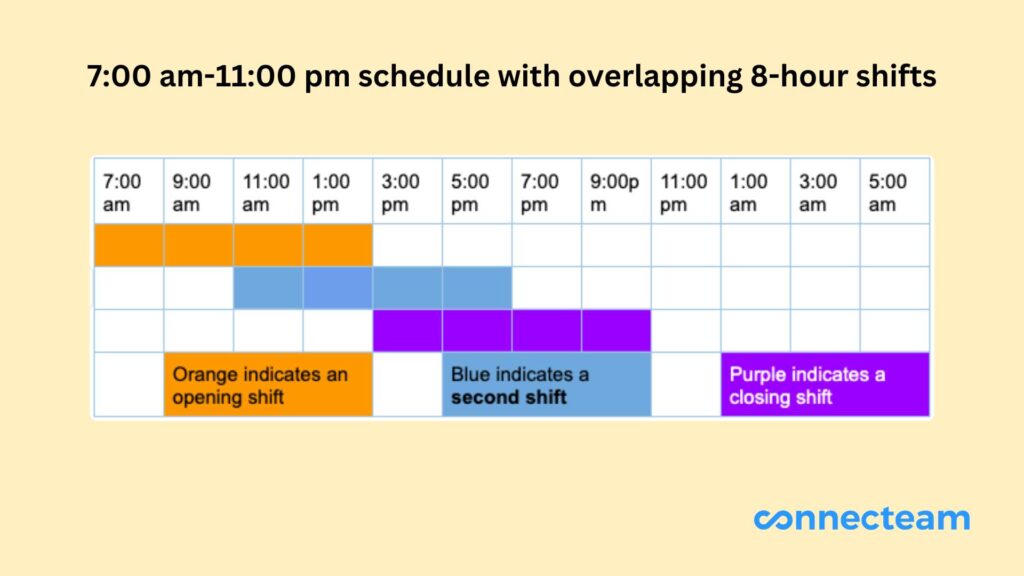
The term “second shift” is not a rigid, universally defined block of hours. Instead, it generally refers to any work period that follows the primary daytime working hours of an organization. This could encompass evening shifts, night shifts, or even extended late afternoon hours, depending on the operational needs and industry.
The Spectrum of Non-Traditional Hours
It’s important to recognize that “second shift” is a broad umbrella term. Within this umbrella, we find several distinct patterns:
- Evening Shifts: Typically starting in the late afternoon or early evening and extending into the night. These might run from 3 PM to 11 PM, or 4 PM to midnight, for example.
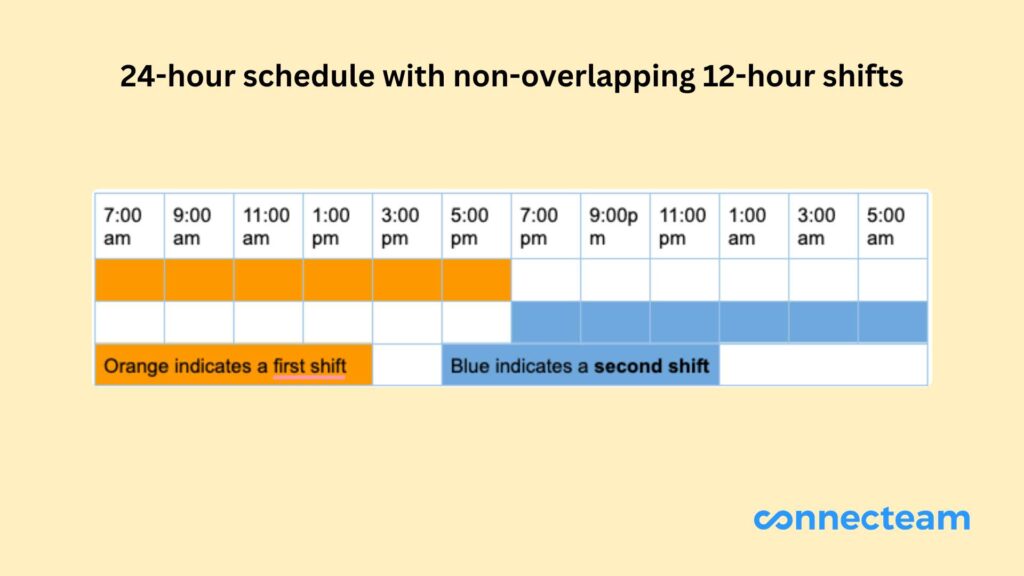
- Night Shifts: Commencing after the evening hours and continuing through the early morning. These can range from 11 PM to 7 AM, or even later into the dawn.
- Split Shifts: While not strictly a “second shift” in terms of continuous work, some employees may work a portion of their hours during the day and a second portion in the evening or night. This is less common but can occur in specific service industries.
- Rotating Shifts: Employees might rotate between day, evening, and night shifts over a period. This provides coverage across a 24-hour cycle but requires significant adaptation from the worker.
The exact start and end times of a second shift are entirely dependent on the employer’s operational requirements. For a retail store, it might mean closing staff working until 10 PM. For a manufacturing plant, it could be a production team working from 4 PM to midnight to maximize machine utilization. For a tech support center, it might be agents handling global customer inquiries from 6 PM to 2 AM.
Distinguishing from Other Work Patterns
It’s also useful to differentiate the second shift from other non-traditional work arrangements:
- Overtime: This refers to hours worked beyond an employee’s standard contracted hours within a single workday or workweek, regardless of whether they fall within traditional business hours or not.
- Remote Work: While remote workers can choose to work during second shift hours, the defining characteristic of remote work is the location of work, not necessarily the time.
- Flexible Work Schedules: These arrangements often allow employees more control over their start and end times within a broader window, but a formal “second shift” implies a set, often less desirable, block of hours that is distinct from the primary workday.
The key differentiator for the second shift is its position relative to the conventional daytime work period and its often-structured nature within an organization’s operational plan.
Industries Embracing the Second Shift: Driving 24/7 Operations
The necessity for second shifts arises from industries that cannot afford to pause operations when the sun sets or when the majority of the population is winding down. These sectors rely on continuous productivity, service delivery, or resource utilization.
Manufacturing and Production: Maximizing Throughput
Manufacturing plants are prime examples of environments that frequently utilize second and even third shifts. The significant capital investment in machinery and production lines means that idle equipment represents lost revenue. By operating multiple shifts, manufacturers can:
- Increase Output: Producing more goods within a 24-hour period.
- Optimize Resource Utilization: Ensuring machinery and facilities are in constant use, thereby recouping investment faster.
- Meet Demand: Fulfilling market demand that requires high production volumes.
- Reduce Per-Unit Costs: Spreading fixed operational costs (like energy and facility maintenance) over a larger number of produced units.
Second shifts in manufacturing often involve assembly lines, quality control, and machinery operation, requiring trained personnel to maintain production flow and safety standards.
Healthcare and Emergency Services: Uninterrupted Care
The critical nature of healthcare and emergency services necessitates round-the-clock operations. Hospitals, clinics, ambulance services, and fire departments cannot simply shut down overnight. Second shifts in these fields are vital for:
- Patient Care: Ensuring continuous monitoring, treatment, and emergency response.
- Staffing Levels: Maintaining adequate personnel to handle patient needs and unexpected events.
- Service Continuity: Providing essential services without interruption to the community.
These shifts are often demanding, requiring specialized skills and the ability to handle high-pressure situations at any hour.
Retail and Hospitality: Serving the Public
While many retail stores and restaurants close in the evening, others operate extended hours or even 24/7. This is particularly true for large retail chains, convenience stores, and hospitality businesses like hotels and their associated services (e.g., front desk, room service).
- Customer Accessibility: Catering to customers who shop or dine outside of traditional business hours.
- Operational Efficiency: Managing inventory, cleaning, and preparation for the next day during quieter periods.
- Maximizing Revenue: Capturing sales from a broader customer base.
Second shifts in retail and hospitality often involve customer service, stock management, food preparation, and facility maintenance.
Logistics and Transportation: Keeping the World Moving
The global supply chain relies heavily on uninterrupted movement of goods. Airports, shipping ports, trucking companies, and warehousing facilities often operate multiple shifts to ensure efficiency and timely delivery.
- Airport Operations: Ground crews, air traffic control, and baggage handling are essential 24/7.
- Shipping and Receiving: Warehouses and distribution centers need to process incoming and outgoing shipments at all hours to maintain flow.
- Freight Movement: Long-haul trucking often involves drivers who may work overnight shifts to cover long distances.
These roles are crucial for the economy, ensuring that goods reach their destinations efficiently, regardless of the time of day.

Technology and Customer Support: Global Reach
In the digital age, many technology companies and online service providers offer 24/7 customer support. This is especially true for businesses with a global customer base.
- Global Support: Providing assistance to customers in different time zones.
- System Monitoring: Ensuring servers and critical infrastructure are operational around the clock.
- Technical Troubleshooting: Addressing urgent technical issues that may arise at any hour.
These second shifts are often performed by customer service representatives, IT support staff, and system administrators.
The Double-Edged Sword: Benefits and Challenges of Second Shifts
The implementation of second shifts presents a unique set of advantages and disadvantages for both employers and employees. Understanding these dynamics is key to creating a sustainable and effective work environment.
For Employers: The Upside of Extended Operations
Businesses opt for second shifts primarily to enhance their operational capacity and financial performance.
- Increased Productivity and Output: The most direct benefit is the ability to generate more goods, services, or revenue in a 24-hour cycle. This can lead to higher profitability and a stronger market position.
- Improved Resource Utilization: As mentioned, expensive machinery, facilities, and infrastructure can be used more extensively, leading to a better return on investment.
- Competitive Advantage: Offering 24/7 services or faster production times can set a company apart from competitors.
- Potentially Lower Labor Costs (in some regions): In some areas, second or third shift workers may command slightly lower wage premiums than prime-time workers, though this is often offset by other factors and legal requirements.
- Reduced Congestion: In industries like transportation or manufacturing, staggered shifts can help alleviate daytime traffic and operational congestion.
For Employees: Navigating the Nocturnal Demands
For employees, working a second shift can be a trade-off, offering potential benefits but also significant challenges.
- Financial Incentives: Many companies offer shift differentials – a pay premium for working less desirable hours – to attract and retain employees for second shifts. This can provide a welcome boost to income.
- Fewer Distractions: For some individuals, working during off-peak hours can mean fewer interruptions, allowing for more focused work.
- Opportunities for Advancement: In some industries, second shift roles may offer pathways to leadership positions for those willing to take on the responsibility.
- Work-Life Balance Adjustments: For some, aligning their work schedule with a partner’s non-traditional hours or family commitments can sometimes create a unique form of balance, though it often requires significant adjustment.
The Challenges: The Underside of Non-Traditional Hours
Despite the advantages, second shifts are not without their difficulties.
- Health Impacts: Working against the body’s natural circadian rhythm can lead to sleep disturbances, fatigue, and an increased risk of chronic health problems, including cardiovascular issues, digestive disorders, and mental health challenges like depression and anxiety.
- Social and Family Life Disruption: Second shifts can make it challenging to participate in daytime social activities, spend time with family and friends, or manage household responsibilities during traditional hours. This can lead to feelings of isolation and strain on relationships.
- Safety Concerns: Nighttime work can sometimes be associated with increased safety risks, depending on the nature of the job and the environment. Reduced visibility, fatigue, and less immediate supervision can contribute to accidents.
- Limited Access to Services: Employees on second shifts may find it difficult to access daytime services such as banking, childcare, or doctor’s appointments.
- Management and Communication Gaps: Ensuring effective communication and consistent management oversight across different shifts can be a hurdle for organizations. Information can sometimes be lost or misinterpreted between shifts.
- Employee Morale and Retention: If not managed effectively, second shifts can lead to lower employee morale, higher turnover rates, and difficulties in building a cohesive team culture.
The Technological Evolution of Second Shifts
Technology is playing an increasingly significant role in how second shifts are managed, optimized, and experienced. From communication tools to automation, innovation is reshaping the nocturnal workplace.
Enhanced Communication and Collaboration Tools
The geographical and temporal separation between shifts can lead to communication breakdowns. However, modern technology offers solutions:
- Digital Shift Handovers: Platforms and apps allow for detailed digital logs of ongoing tasks, issues, and critical information to be passed seamlessly from one shift to the next. This ensures continuity and reduces the risk of errors or missed information.
- Real-time Messaging and Collaboration Apps: Tools like Slack, Microsoft Teams, and others enable instant communication between team members, even across different shifts. This facilitates quick problem-solving and coordination.
- Cloud-Based Project Management: Software that allows access from anywhere and at any time enables project managers and team members to stay updated on progress, assign tasks, and resolve queries regardless of their shift.
Automation and Robotics: The Rise of the Unmanned Shift
Automation and robotics are transforming industries that traditionally rely on manual labor for second shifts.
- Robotic Process Automation (RPA): For tasks in areas like data entry, administrative processes, or basic customer service inquiries, RPA can handle repetitive jobs tirelessly through the night without human intervention.
- Industrial Robots: In manufacturing, autonomous robots can operate on assembly lines, perform heavy lifting, or conduct quality checks 24/7, reducing the need for human presence for certain hazardous or monotonous tasks.
- Automated Warehousing: Automated guided vehicles (AGVs) and robotic picking systems can operate within warehouses overnight, managing inventory and preparing orders for daytime dispatch.
These advancements not only improve efficiency but can also enhance worker safety by removing humans from dangerous environments or physically demanding tasks.
Data Analytics and AI for Optimization
Artificial intelligence (AI) and data analytics are being employed to make second shifts more efficient and effective.
- Predictive Maintenance: AI algorithms can analyze data from machinery to predict potential failures, allowing maintenance to be scheduled during non-peak hours or for specific second-shift teams to address issues proactively, minimizing downtime.
- Demand Forecasting: For customer service or logistics, AI can forecast demand patterns, allowing for optimized staffing levels during second shifts to meet anticipated customer needs.
- Performance Monitoring: AI-powered systems can monitor worker performance and operational efficiency, providing insights into areas for improvement and helping to ensure that second shifts are meeting their objectives.
The Future of Second Shifts: A Flexible and Integrated Approach
The concept of the “second shift” is likely to continue evolving. As the lines between work and personal life blur further, and as technology continues to advance, we may see more fluid and integrated approaches to scheduling. This could involve:
- Hybrid Models: Greater adoption of hybrid models where employees might work a mix of day and evening hours, or even split their workday to accommodate personal needs while still fulfilling organizational requirements.
- Increased Autonomy for Workers: Technology may empower employees with more control over their schedules, allowing them to choose shifts that best suit their lives while still ensuring coverage.
- Focus on Well-being: A growing awareness of the health impacts of non-traditional hours will likely lead to employers implementing better support systems, flexible scheduling options where possible, and a greater emphasis on employee well-being for those working second shifts.
The “second shift” is no longer a niche concept but a fundamental component of modern commerce and service delivery. By understanding its implications, embracing technological advancements, and prioritizing the well-being of employees, organizations can harness the power of extended operations to thrive in the ever-changing professional landscape.
aViewFromTheCave is a participant in the Amazon Services LLC Associates Program, an affiliate advertising program designed to provide a means for sites to earn advertising fees by advertising and linking to Amazon.com. Amazon, the Amazon logo, AmazonSupply, and the AmazonSupply logo are trademarks of Amazon.com, Inc. or its affiliates. As an Amazon Associate we earn affiliate commissions from qualifying purchases.