
For the modern investor, the traditional 9:30 AM to 4:00 PM Eastern Time (ET) window is often just one part of a much longer trading day. The financial markets have evolved into a near-24-hour cycle, and understanding the nuances of early morning activity is essential for anyone looking to gain a competitive edge. If you have ever wondered what time pre-market opens and how you can participate, you are tapping into a specialized segment of the market that offers both unique opportunities and significant risks.
The pre-market session is the period of trading activity that occurs before the regular stock market session begins. While the “official” opening bell of the New York Stock Exchange (NYSE) and the Nasdaq rings at 9:30 AM ET, the digital infrastructure of the markets allows for transactions to occur much earlier.
The Global Clock: When the Pre-Market Doors Open
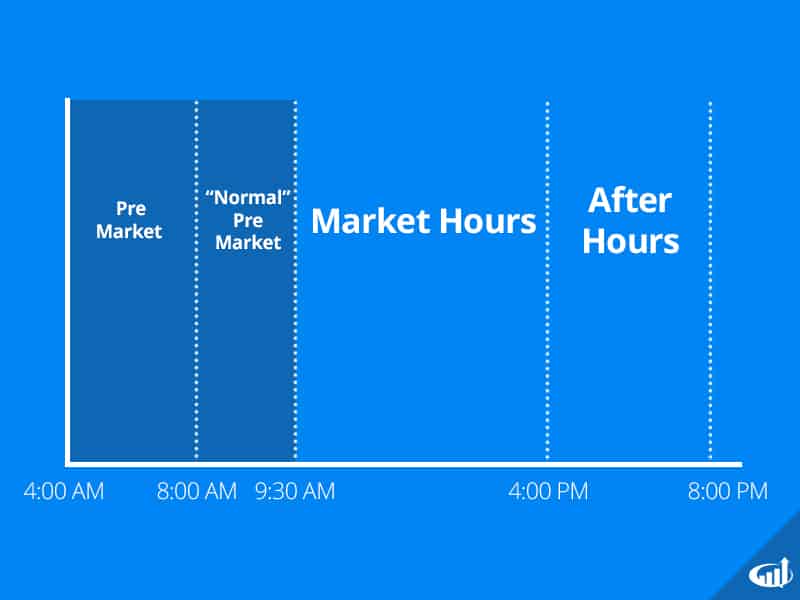
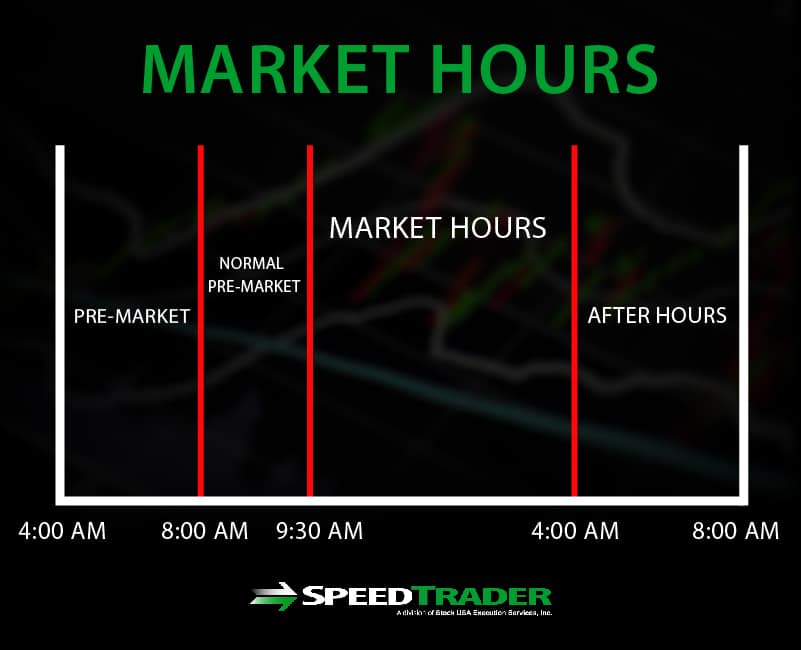
The short answer to “what time is pre-market open” is 4:00 AM ET. However, for most retail investors, the answer is more nuanced because access depends heavily on your choice of brokerage.
The Institutional Dawn (4:00 AM to 7:00 AM ET)
Technically, the major electronic communication networks (ECNs) begin processing trades at 4:00 AM ET. During this ultra-early window, the participants are primarily institutional investors, hedge funds, and algorithmic trading systems. The volume during these hours is typically very thin, meaning that even a relatively small order can cause a significant price swing. Most retail brokers do not grant access this early because the lack of liquidity can lead to extreme price volatility that might catch an average investor off guard.
The Retail Transition (7:00 AM to 8:00 AM ET)
Many major retail brokerages, such as Fidelity and Charles Schwab, open their pre-market trading windows at 7:00 AM ET. This is when the “true” pre-market sentiment begins to form for the average participant. During this hour, you will see a noticeable uptick in volume as individual traders log on to react to overnight news from European markets or early morning corporate press releases.
The Peak Pre-Market Period (8:00 AM to 9:30 AM ET)
This is the most critical window for any trader or investor. At 8:00 AM ET, a massive influx of retail platforms (including Webull and others) begins allowing trades. Furthermore, the most significant economic data releases from the U.S. government—such as Consumer Price Index (CPI) inflation data, Gross Domestic Product (GDP) reports, and Non-Farm Payroll jobs reports—are typically released at 8:30 AM ET.
The 90 minutes leading up to the opening bell represent a concentrated period of price discovery. This is where the market “digests” the morning’s news and sets the stage for the opening price at 9:30 AM.
The Mechanics and Risks of Early Morning Trading
Participating in the pre-market session is not the same as trading during the regular session. The rules of engagement change, and the safety nets that protect investors during the day are often thinner or non-existent in the early hours.
The Challenge of Low Liquidity
Liquidity refers to the ease with which an asset can be bought or sold without affecting its price. In the regular session, millions of shares of Apple or Microsoft change hands every minute, ensuring that the “bid-ask spread”—the difference between the price a buyer wants to pay and a seller wants to receive—is usually only a penny.
In the pre-market, liquidity is substantially lower. Because there are fewer participants, the bid-ask spread can widen significantly. You might see a stock quoted at $100.00 to buy, but the nearest seller is at $102.00. If you place a “market order,” you could end up paying much more than you intended.
Mandatory Limit Orders
Because of the volatility and wide spreads mentioned above, most brokerages prohibit the use of “market orders” during pre-market hours. Instead, you are required to use “limit orders.” A limit order allows you to specify the maximum price you are willing to pay or the minimum price you are willing to accept. While this protects you from overpaying, it also means your trade might not be executed if the stock price moves away from your limit before the order can be filled.
Price “Fake-Outs” and Volatility
It is common to see a stock jump 5% in the pre-market on low volume, only to see that gain vanish within the first five minutes of the regular session. This is known as a “fake-out.” Because it takes less capital to move a stock when volume is low, the price action in the pre-market can sometimes be misleading. It reflects the sentiment of a small group of traders rather than the broader market consensus that forms once the 9:30 AM bell rings.
Strategic Advantages of Trading Before the Bell
Despite the risks, the pre-market session is an invaluable tool for strategic investors. It provides a window into the future, allowing you to position yourself before the masses arrive.
Reacting to Earnings Reports
Most publicly traded companies release their quarterly earnings either immediately after the market closes or in the early morning before it opens. If a company you follow releases a stellar earnings report at 7:30 AM, waiting until 9:30 AM to buy might mean missing the initial surge. By trading in the pre-market, you can capitalize on the immediate reaction to corporate data.
Hedging Against Overnight News
In a global economy, news never stops. A geopolitical event in Asia or a policy shift in the European Central Bank can send U.S. futures tumbling while American investors are still asleep. The pre-market allows you to manage your risk by adjusting your positions in response to international developments before the standard U.S. trading session begins.
Identifying Relative Strength
One of the best uses of the pre-market is observation. By watching which stocks are holding their value or gaining ground even when the overall market futures are down, you can identify “relative strength.” These stocks are often the leaders when the regular session begins. Using the pre-market as a laboratory for observation can help you build a high-probability “watchlist” for the trading day ahead.
Brokerage Comparisons: Who Opens When?
If you are serious about utilizing the pre-market, your choice of broker is the most important logistical decision you will make. Not all platforms are created equal when it comes to extended-hours access.
The 4:00 AM Club
Platforms like Interactive Brokers and Webull are popular among active traders because they offer the full range of pre-market hours, starting at 4:00 AM ET. This gives users a three-and-a-half-hour head start over the standard opening. This is particularly useful for traders who want to front-run the 8:30 AM economic data releases.
The 7:00 AM and 8:00 AM Tier
Traditional powerhouses like Charles Schwab (including the Thinkorswim platform) and Fidelity typically open their doors for extended-hours trading at 7:00 AM ET. Robinhood, which popularized commission-free trading, offers access starting at 7:00 AM ET as well. While you miss the very early volatility, this timeframe covers the most liquid and relevant part of the pre-market session.
Technical Requirements
To trade during these hours, you usually have to enable “Extended Hours” trading in your account settings. Most brokers require you to read and sign a disclosure agreement acknowledging that you understand the risks of low liquidity and high volatility. Additionally, when placing a trade, you must specifically select “EXT” or “GTC + Extended” in the order duration settings; otherwise, the order will sit idle until 9:30 AM.
Best Practices for Navigating the Pre-Market
To succeed in the pre-market, one must adopt a disciplined, defensive mindset. This is not the environment for impulsive “FOMO” (Fear Of Missing Out) trades.
Use the “Level 2” Montage
Standard stock quotes only show you the current best bid and ask. In the pre-market, you should ideally use “Level 2” market data. Level 2 shows you the full “depth” of the market—every order waiting to be filled at various price points. This allows you to see if a price move is backed by significant buying power or if it is just a single small trader moving the needle.
Focus on Volume
Before entering a pre-market trade, check the volume. A stock that has moved 10% on only 500 shares of volume is extremely dangerous; that move could reverse instantly. Look for stocks that have significant “relative volume”—meaning they are trading much more than they usually do at that time of day. High volume in the pre-market suggests that institutional “big money” is involved, which provides more stability to the price movement.
The 9:15 AM Rule
Many professional traders stop entering new pre-market positions around 9:15 AM ET. The final 15 minutes before the open are notoriously chaotic as traders cancel orders and prepare for the 9:30 AM influx. Entering a position right before the bell can lead to “slippage,” where your order is filled at a much worse price than anticipated because of the sudden surge in activity.

Conclusion: A Tool for the Disciplined Investor
Knowing what time pre-market opens is the first step toward professionalizing your approach to the stock market. Whether you use the 4:00 AM start to monitor global trends or wait until the 8:30 AM economic data to refine your day’s strategy, the pre-market session offers a level of insight that the regular session cannot provide.
However, the pre-market is a double-edged sword. Its lower volume and higher volatility require a mastery of limit orders and a refusal to chase “ghost” price moves. By treating the early morning hours as a period for observation and calculated participation, you can turn the pre-market from a source of anxiety into a powerful component of your financial toolkit. In the world of investing, the early bird does indeed get the worm—but only if that bird knows exactly how the early market operates.
aViewFromTheCave is a participant in the Amazon Services LLC Associates Program, an affiliate advertising program designed to provide a means for sites to earn advertising fees by advertising and linking to Amazon.com. Amazon, the Amazon logo, AmazonSupply, and the AmazonSupply logo are trademarks of Amazon.com, Inc. or its affiliates. As an Amazon Associate we earn affiliate commissions from qualifying purchases.