
For millions of individuals across the United States, the question of “what time is the Powerball draw” represents more than just a curiosity about a televised event; it marks the deadline for a potential shift in financial destiny. Powerball has evolved from a simple game of chance into a cultural and financial phenomenon that captures the public imagination whenever the jackpot enters the stratosphere of hundreds of millions—or even billions—of dollars. Understanding the logistics of the draw is the first step in a broader conversation about personal finance, risk management, and the complexities of sudden wealth.
Navigating the Powerball Drawing Schedule and Logistics
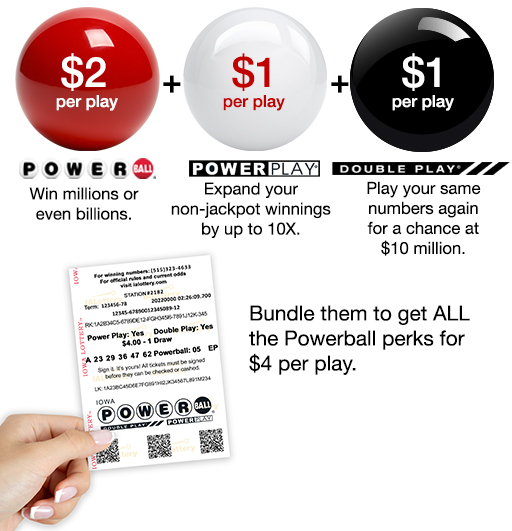
The Powerball drawing occurs three times a week: every Monday, Wednesday, and Saturday. The official drawing takes place at 10:59 p.m. Eastern Time (ET). These drawings are held at the Florida Lottery studio in Tallahassee, using gravity-pick machines that ensure the integrity and randomness of the results. While the 10:59 p.m. ET mark is the universal standard, the practical experience for the participant depends heavily on their geographic location and the specific regulations of their state lottery commission.
Understanding Time Zone Variations and Cut-off Periods
While the draw happens simultaneously across the country, participants must adjust for their local time zones. For those on the West Coast, the draw occurs at 7:59 p.m. PT. For those in the Mountain Time Zone, it is 8:59 p.m., and for Central Time, it is 9:59 p.m. However, the most critical time for any hopeful participant is not the draw time itself, but the “draw break” or ticket sales cut-off time.
Most states stop selling tickets one to two hours before the actual drawing. For example, in many jurisdictions, sales close at 9:59 p.m. ET on drawing nights. If you are attempting to purchase a ticket at 10:05 p.m. ET, your entry will typically be valid only for the subsequent drawing, not the one occurring in 54 minutes. This distinction is vital for those who use the lottery as a form of “entertainment budgeting” and want to ensure their participation aligns with specific jackpot cycles.
Digital Monitoring and Verification Tools
In the modern financial landscape, checking the results has moved beyond waiting for the local news broadcast. Most participants now utilize official state lottery apps or the national Powerball website to verify numbers. These digital platforms provide immediate updates, though it often takes a few hours for the lottery officials to confirm if a jackpot-winning ticket was sold and in which jurisdiction.
From a financial management perspective, using official apps is a matter of security. It ensures that you are viewing verified data and provides a paperless way to track entries, especially in states that allow for online ticket purchases. Digital tracking helps prevent the loss of physical tickets, which is one of the most common reasons why significant prizes go unclaimed each year.
The Financial Mechanics of the Draw: Odds, Taxes, and Structures
Engaging with the Powerball requires a clear-headed understanding of the underlying mathematics and financial implications. While the “what time is the draw” question covers the logistics, the “how much do I actually keep” question covers the fiscal reality. The lottery is, by definition, a high-risk, high-reward scenario with odds that require a disciplined financial perspective.
Decoding the Probability and Expected Value
The odds of winning the Powerball jackpot are approximately 1 in 292.2 million. To put this into a financial context, one is significantly more likely to be struck by lightning or to be audited by the IRS than to hold the winning ticket. Because the odds are so long, financial advisors often categorize lottery spending not as an “investment,” but as “discretionary entertainment spending.”
When the jackpot reaches a certain threshold, the “expected value” of a $2 ticket can technically exceed $2. However, this calculation is often skewed because it does not account for the high probability of multiple winners splitting the pot, nor does it account for the significant “tax bite” that occurs before the money reaches a winner’s bank account.
The Tax Burden: Federal and State Obligations
Winning the Powerball is a taxable event of the highest order. At the federal level, the IRS considers lottery winnings to be ordinary income. Upon winning, a mandatory federal withholding of 24% is immediately applied to the prize. However, since the top federal income tax bracket is currently 37%, winners should expect to owe an additional 13% when they file their annual tax returns.
Furthermore, state taxes vary wildly. If you purchase a ticket in a state like California or Florida, there is currently no state tax on lottery winnings. Conversely, winning in New York could subject you to an additional state tax of nearly 11%, plus potential municipal taxes if you reside in New York City. Understanding these fiscal leaks is essential for any realistic assessment of a jackpot’s true value.
Payout Options: Annuity vs. Cash Value
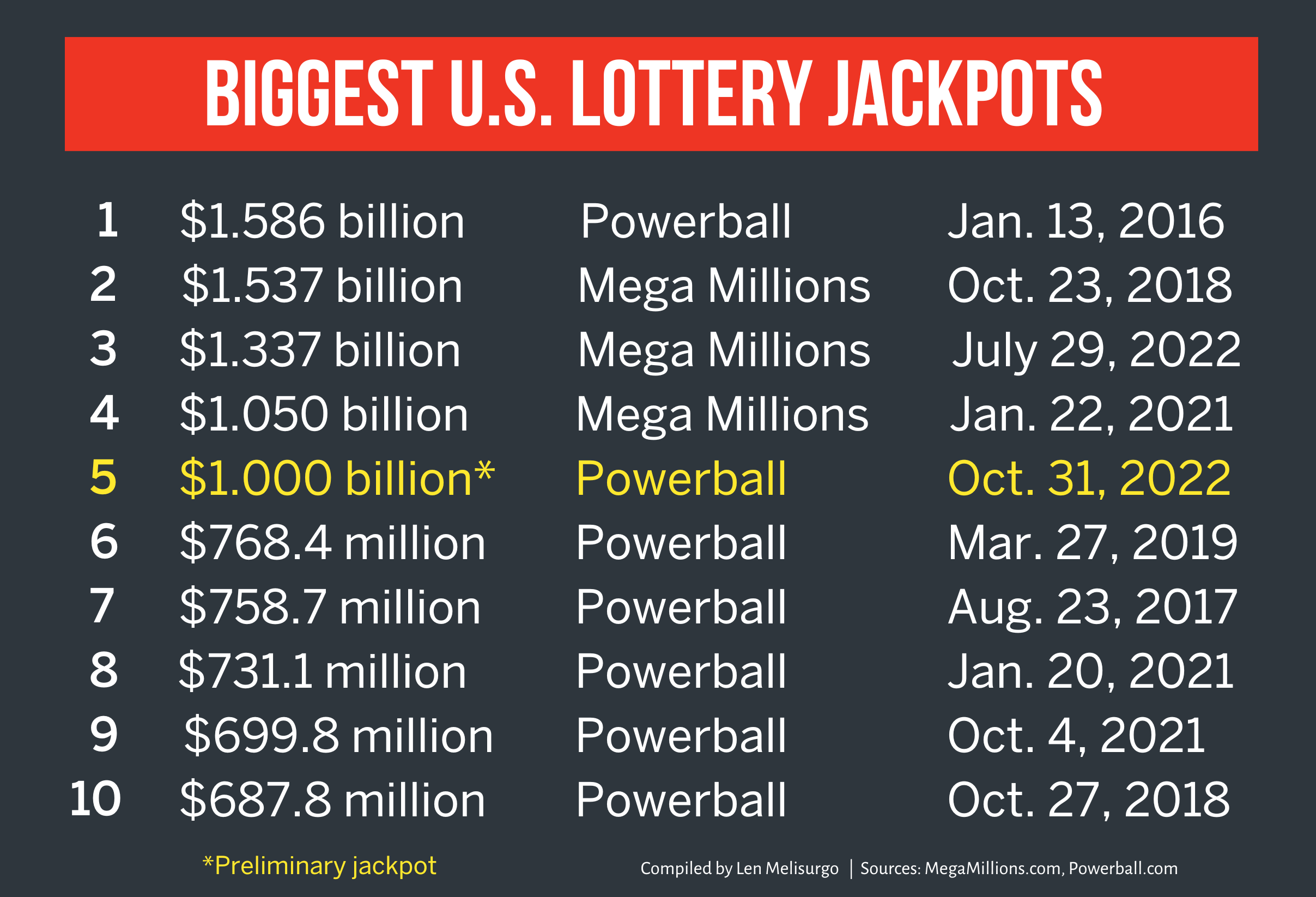
The most significant financial decision a winner faces—after the draw occurs—is the choice between the lump-sum cash option and the annuity. The “advertised jackpot” is the sum of 30 graduated payments over 29 years (the annuity). The cash option is the actual amount of money currently in the prize pool.
From a wealth management standpoint, the choice depends on the winner’s financial discipline and the prevailing economic environment. The annuity provides a guaranteed stream of income that protects the winner from “wealth depletion” due to poor spending habits. The lump sum, however, allows for immediate reinvestment in a diversified portfolio of stocks, bonds, and real estate, which—historically—has the potential to outpace the fixed growth of the annuity payments.
Integrating Lottery Participation into a Broader Financial Plan
For the savvy individual, the excitement surrounding the Powerball draw should never compromise a foundational financial plan. The key to maintaining financial health while participating in the lottery lies in the concept of “bucket budgeting.”
The Psychology of Discretionary Spending
The allure of the Powerball often stems from “hope value.” For many, the $2 spent on a ticket buys 48 hours of dreaming about financial freedom. In the realm of behavioral finance, this is acceptable as long as the $2 comes from the “entertainment” portion of a budget rather than the “savings” or “necessity” portions.
Problems arise when individuals view the lottery as a legitimate “wealth-building strategy.” A sound financial plan relies on compounding interest, consistent contributions to retirement accounts (like a 401k or IRA), and the maintenance of an emergency fund. The lottery should be treated as a hobby, similar to seeing a movie or dining out, rather than a substitute for a diversified investment strategy.
Opportunity Cost: Lottery vs. Traditional Investing
Consider the opportunity cost of regular lottery play. An individual who spends $10 a week on Powerball tickets is spending $520 a year. If that same $520 were invested in a low-cost S&P 500 index fund with an average annual return of 8%, over 30 years, that capital would grow to approximately $60,000.
While $60,000 is not a Powerball jackpot, it is a guaranteed asset (market volatility notwithstanding) compared to a 1 in 292 million chance. Financial professionals advocate for a “math-first” approach: secure your retirement and emergency funds first, and only use the leftover “noise” money for the draw.
Managing a Sudden Windfall: The “Post-Draw” Strategy
In the exceedingly rare event that the numbers drawn at 10:59 p.m. ET match your ticket, the transition from “hopeful participant” to “high-net-worth individual” must happen instantly. The hours and days following the draw are the most critical for long-term wealth preservation.
The Immediate Action Plan
The first step after verifying a winning ticket is not to call the media, but to secure the ticket and remain anonymous for as long as possible. Many states allow winners to claim prizes through a trust or a limited liability company (LLC), which provides a layer of privacy. Privacy is a financial asset; it protects the winner from predatory “investment opportunities” and unsolicited requests for funds.
The winner should immediately sign the back of the ticket (unless planning to use a trust, in which case legal counsel should be consulted first) and place it in a secure location, such as a bank safety deposit box. The goal is to create a “cooling-off period” of several weeks to assemble a professional team.
Building a Professional Advisory Team
Managing a Powerball jackpot requires a specialized team that most individuals have never needed before. This team should include:
- Tax Attorney: To navigate the complex federal and state tax filings and to structure the claim in a way that minimizes liability.
- Certified Financial Planner (CFP): To design a comprehensive investment policy statement and ensure the money lasts for generations.
- Certified Public Accountant (CPA): To manage the ongoing tax obligations and financial reporting.
- Estate Planning Attorney: To update wills, create trusts, and ensure that the wealth is protected and distributed according to the winner’s wishes.

Long-term Wealth Preservation and Philanthropy
The history of the lottery is unfortunately littered with stories of winners who went bankrupt within a decade. This often happens because of “lifestyle creep”—the tendency to increase spending as income increases. A professional financial strategy focuses on living off the interest and dividends produced by the jackpot, rather than dipping into the principal.
Furthermore, a significant windfall provides the opportunity for impactful philanthropy. Establishing a private foundation or a Donor-Advised Fund (DAF) can provide significant tax benefits while allowing the winner to support causes they care about in a structured, sustainable way.
In conclusion, while the question of “what time is the Powerball draw” is a simple matter of a clock striking 10:59 p.m., the implications of that moment are deeply rooted in the principles of finance. By approaching the lottery with a mix of logistical awareness, mathematical reality, and a rigorous plan for wealth management, individuals can ensure that the “dream” of the draw remains a positive, controlled element of their financial lives.
aViewFromTheCave is a participant in the Amazon Services LLC Associates Program, an affiliate advertising program designed to provide a means for sites to earn advertising fees by advertising and linking to Amazon.com. Amazon, the Amazon logo, AmazonSupply, and the AmazonSupply logo are trademarks of Amazon.com, Inc. or its affiliates. As an Amazon Associate we earn affiliate commissions from qualifying purchases.