
The surge in popularity of UFC lightweight Paddy “The Baddy” Pimblett serves as a fascinating case study in modern personal branding. While the primary search intent behind “what time is Paddy Pimblett fighting” is driven by fans eager to catch a live broadcast, the underlying phenomenon is the result of a meticulously crafted public persona that transcends the sport of mixed martial arts. For marketing professionals and brand strategists, Pimblett represents a blueprint for how authentic, disruptive, and highly visible personal brands are built in the digital age.

The Architecture of Authenticity: Converting Personality into Equity
Paddy Pimblett’s brand identity is built on a foundation of radical authenticity. In an industry often dominated by polished, rehearsed athletes, Pimblett differentiates himself through his unfiltered communication style, his regional Scouse identity, and his refusal to conform to the standard corporate media training usually forced upon UFC stars.
The Power of Cultural Identification
One of the most effective aspects of Pimblett’s brand strategy is his unwavering commitment to his roots. By constantly highlighting his Liverpudlian background, he has cultivated a tribal loyalty among his fan base that far exceeds the interest of the casual observer. In brand strategy terms, this is known as “affinity marketing.” By leaning into the specifics of his local culture—his dialect, his sense of humor, and his community values—he makes his global audience feel as though they are part of his local inner circle.
Radical Transparency as a Marketing Tool
Modern consumers are increasingly skeptical of curated perfection. Pimblett subverts this by being vocal about his struggles with weight fluctuations, mental health, and his love for food during the off-season. While traditional athletes hide their “human” sides to maintain a mythic status, Pimblett uses his flaws to build rapport. This transparency creates a parasocial relationship where the audience feels they are witnessing a real human journey rather than a sterile athletic performance. For personal brands, this confirms a vital truth: vulnerability is a currency that creates deep, long-term brand advocacy.
The Attention Economy: Leveraging Content Velocity
To understand why thousands of people are searching for his fight times, one must look at his content velocity. Pimblett does not rely solely on the UFC’s promotional engine; he has effectively become his own media company.
Multi-Platform Ecosystems
Pimblett utilizes a multi-channel approach to maintain top-of-mind awareness. Between his YouTube vlogs, social media presence, and strategic partnerships, he ensures that the “Paddy the Baddy” brand is omnipresent. He treats content as a funnel: the high-energy vlogs capture the casual interest, which is then converted into high-intent engagement during fight weeks. When fans search for his fight time, they aren’t just looking for a start time; they are looking to check in on a character whose life they have been following via short-form digital content.
Strategic Distraction and Disruption
Pimblett understands the value of the “viral moment.” Whether it is a post-fight interview that defies convention or a high-profile social media spat, he generates noise that forces algorithms to prioritize him. In the attention economy, noise is a asset. By constantly occupying the digital discourse, he ensures that when he does step into the Octagon, the audience size is maximized. He has successfully commodified his own spotlight, turning every press conference into a branding event that keeps his name trending at the top of search queries.

Strategic Partnerships and Monetization Tactics
Paddy Pimblett’s brand strategy is not just about reach; it is about commercial viability. The way he approaches partnerships offers a masterclass in how an athlete can leverage their personality to attract blue-chip sponsors without diluting their unique character.
The Value of Non-Endemic Partnerships
Pimblett has been selective in moving beyond standard sports apparel. By engaging with gaming, beverage, and lifestyle brands, he positions himself as a general interest icon rather than just a combat sports athlete. For a brand looking to align with him, the appeal is clear: he brings a younger, highly engaged demographic that traditional media struggles to reach.
Building an Independent Brand Identity
Many athletes are subsumed by the identity of their sporting organization. Pimblett, however, maintains a brand that exists independently of the UFC. Even when he isn’t fighting, the “Paddy the Baddy” brand maintains a presence. This is the goal of any high-level personal brand—to create an identity that can sustain itself regardless of the environment. If Pimblett were to step away from the sport tomorrow, his brand would likely pivot into media, acting, or digital content production with minimal friction. This level of brand insulation is the hallmark of a successful strategic transition from “athlete” to “personality brand.”
The Scalability of the “Baddy” Archetype
The success of Pimblett raises a critical question for those interested in brand design: Can this be replicated? The answer lies in the careful balance of distinctiveness and consistency.
The Role of Visual Identity
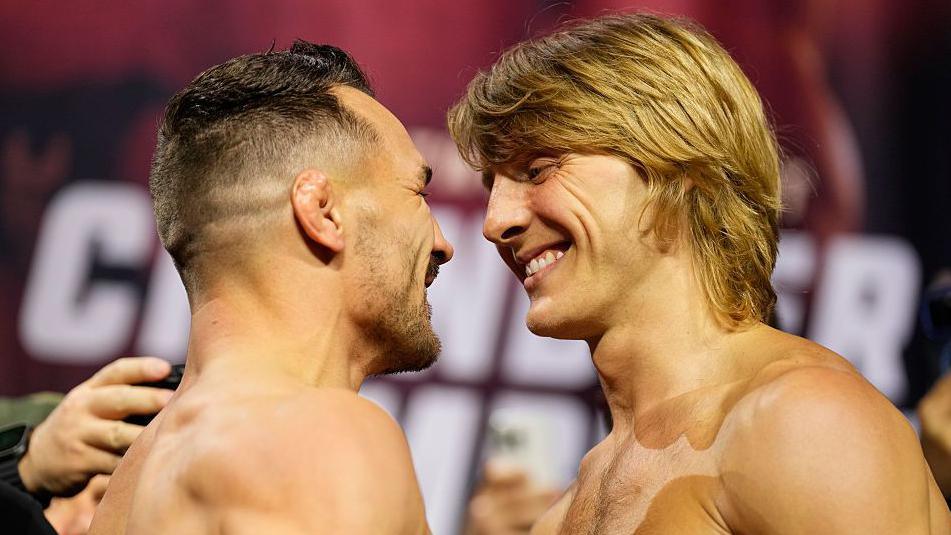
Paddy’s look—his bowl cut, his distinct fighting gear, and his expressive physical mannerisms—functions as a visual logo. In design terms, he has created a high-recognition visual signature that makes him instantly identifiable in a saturated market. Whether it is a thumbnail on a video or a highlight reel, the viewer knows exactly who they are looking at within a fraction of a second. This consistency is essential for brand recall in a crowded media landscape.
Defining the Target Demographic
A common mistake in personal branding is attempting to appeal to everyone. Pimblett does the opposite. He is unapologetically for a specific segment of the population. He does not soften his edge to appeal to the “corporate” side of the UFC. By focusing on his core demographic, he creates a die-hard fan base that is willing to invest time and money into his brand. For any personal or corporate brand, the lesson is clear: specificity wins. When you define exactly who you are and who you are for, you create a brand identity that is impossible for competitors to mimic or dilute.
Future-Proofing the Brand
As Paddy Pimblett moves through his career, the challenge will be to scale his brand without losing the “scrappiness” that made him famous. The evolution from a rising star to a main-event attraction requires a shift in messaging. He has already begun this, using his platform to advocate for charitable causes and mental health awareness. This adds a layer of depth to his brand, moving him from a caricature of a brawler into a multifaceted public figure. By integrating social responsibility into his brand architecture, he ensures longevity, moving away from being a flavor-of-the-month trend to a sustained industry force.
In conclusion, when the world searches for “what time is Paddy Pimblett fighting,” they are participating in a grander narrative constructed by a master of modern personal branding. By combining authentic self-expression, high-velocity digital engagement, and strategic positioning, Pimblett has built more than a career; he has built a brand that commands attention, demands loyalty, and defines what it means to be a modern-day professional in the global marketplace. His journey is a reminder that in the digital age, your brand is not just what you do—it is the story you tell, the way you tell it, and the consistency with which you remain true to your own identity.
aViewFromTheCave is a participant in the Amazon Services LLC Associates Program, an affiliate advertising program designed to provide a means for sites to earn advertising fees by advertising and linking to Amazon.com. Amazon, the Amazon logo, AmazonSupply, and the AmazonSupply logo are trademarks of Amazon.com, Inc. or its affiliates. As an Amazon Associate we earn affiliate commissions from qualifying purchases.