
In the modern financial landscape, few events carry as much weight as the quarterly earnings report from NVIDIA Corporation. As the vanguard of the artificial intelligence revolution and a cornerstone of the semiconductor industry, NVIDIA’s financial results have become a bellwether for the entire technology sector and the broader stock market. For institutional traders and retail investors alike, knowing exactly when the “green giant” releases its numbers is more than just a matter of scheduling—it is a critical component of risk management and strategic positioning.
Understanding the Mechanics of NVIDIA’s Earnings Schedule
NVIDIA typically operates on a fiscal year that ends in late January, which means its quarterly reporting cycle often falls a few weeks later than other major tech companies like Apple or Microsoft. For investors looking to pin down the exact moment of the release, understanding the standard operating procedure of the company’s Investor Relations department is essential.
The Standard Timing of Earnings Reports
Historically, NVIDIA releases its quarterly financial results on a Wednesday. The timing is almost always set for after the “closing bell” of the New York Stock Exchange and the NASDAQ. Specifically, investors can expect the press release to hit the wires between 4:05 PM and 4:20 PM Eastern Time (ET).
This timing is deliberate. By releasing data after the market closes, the company ensures that the primary trading session is not disrupted by immediate, knee-jerk reactions to the headline numbers. This window allows the market to digest the raw data—revenue, earnings per share (EPS), and segment growth—before the executive management team hosts the formal conference call.
The Investor Conference Call
While the press release provides the hard data, the conference call is where the narrative is built. This call typically begins at 5:00 PM ET, approximately 40 to 50 minutes after the initial data release. During this call, the CEO and CFO provide prepared remarks regarding the quarter’s performance and, perhaps more importantly, the outlook for the coming quarters. The subsequent Q&A session with Wall Street analysts often triggers the most significant “after-hours” price movement, as executives provide color on supply chain constraints, customer demand, and competitive pressures.
Where to Find Official Announcements
To avoid misinformation, investors should rely on two primary sources: the NVIDIA Investor Relations website and the Securities and Exchange Commission (SEC) EDGAR database. NVIDIA usually announces the specific date and time of its upcoming earnings release two to three weeks in advance via a formal press release. Marking this date on a professional calendar is the first step in preparing for the volatility that invariably follows.
Why Timing Matters: Market Volatility and Post-Market Trading
For the retail investor, the time of the release is the “zero hour” for volatility. Because NVIDIA occupies such a massive weight in indices like the S&P 500 and the NASDAQ-100, its earnings move more than just its own ticker; they can move the entire market.
The After-Hours Impact
Trading in the “after-hours” session (from 4:00 PM to 8:00 PM ET) is characterized by lower liquidity and higher spreads compared to the standard trading day. When NVIDIA’s results are published at 4:20 PM ET, the stock often experiences “gapping”—where the price jumps significantly higher or lower without trading at the prices in between.
For those holding options contracts, the timing is even more sensitive. The “implied move”—the amount the market expects the stock to fluctuate—is often priced into options premiums. As soon as the clock strikes the release time, “volatility crush” occurs, where the extrinsic value of options drops rapidly as the uncertainty of the event is resolved. Understanding the precise timing allows traders to decide whether to exit positions before the bell or hedge their bets against a potential surprise.
The Ripple Effect on Related Equities
NVIDIA does not exist in a vacuum. Its earnings release is a macro event for the semiconductor industry. Companies like AMD, Broadcom, and TSMC often see their share prices move in sympathy with NVIDIA’s results. Furthermore, cloud service providers (CSPs) like Amazon (AWS), Google (GCP), and Microsoft (Azure) are NVIDIA’s largest customers. If NVIDIA reports a surge in data center revenue at 4:15 PM, these “Magnificent Seven” peers often see a corresponding lift in their after-hours valuations. Strategic investors use the timing of the release to monitor their entire portfolio, not just their NVIDIA holdings.

Key Financial Metrics to Watch Beyond the Clock
Knowing the time of the release is only useful if the investor knows what to look for the moment the PDF document loads. In the current economic climate, certain metrics carry more weight than others.
Revenue Growth and Data Center Performance
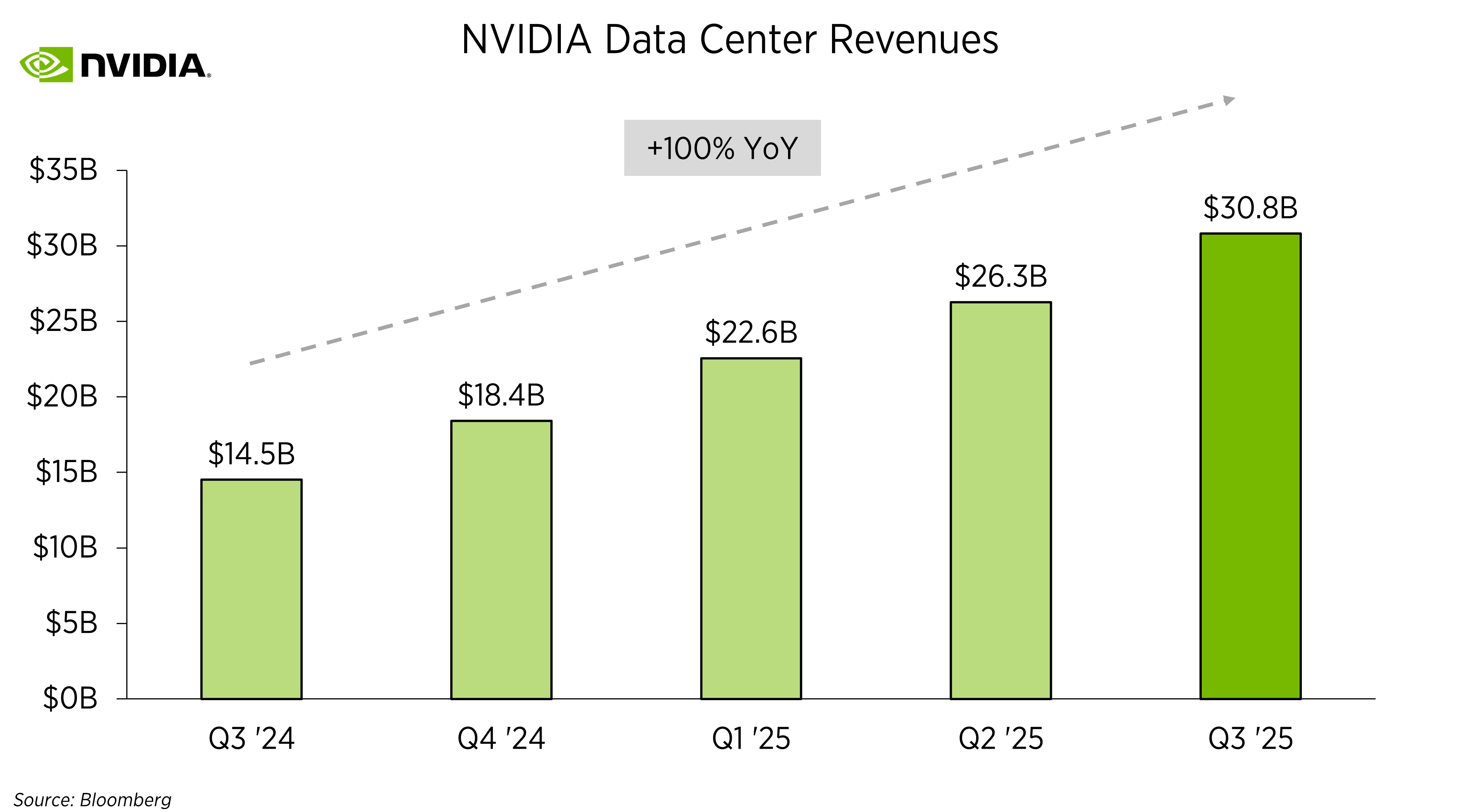
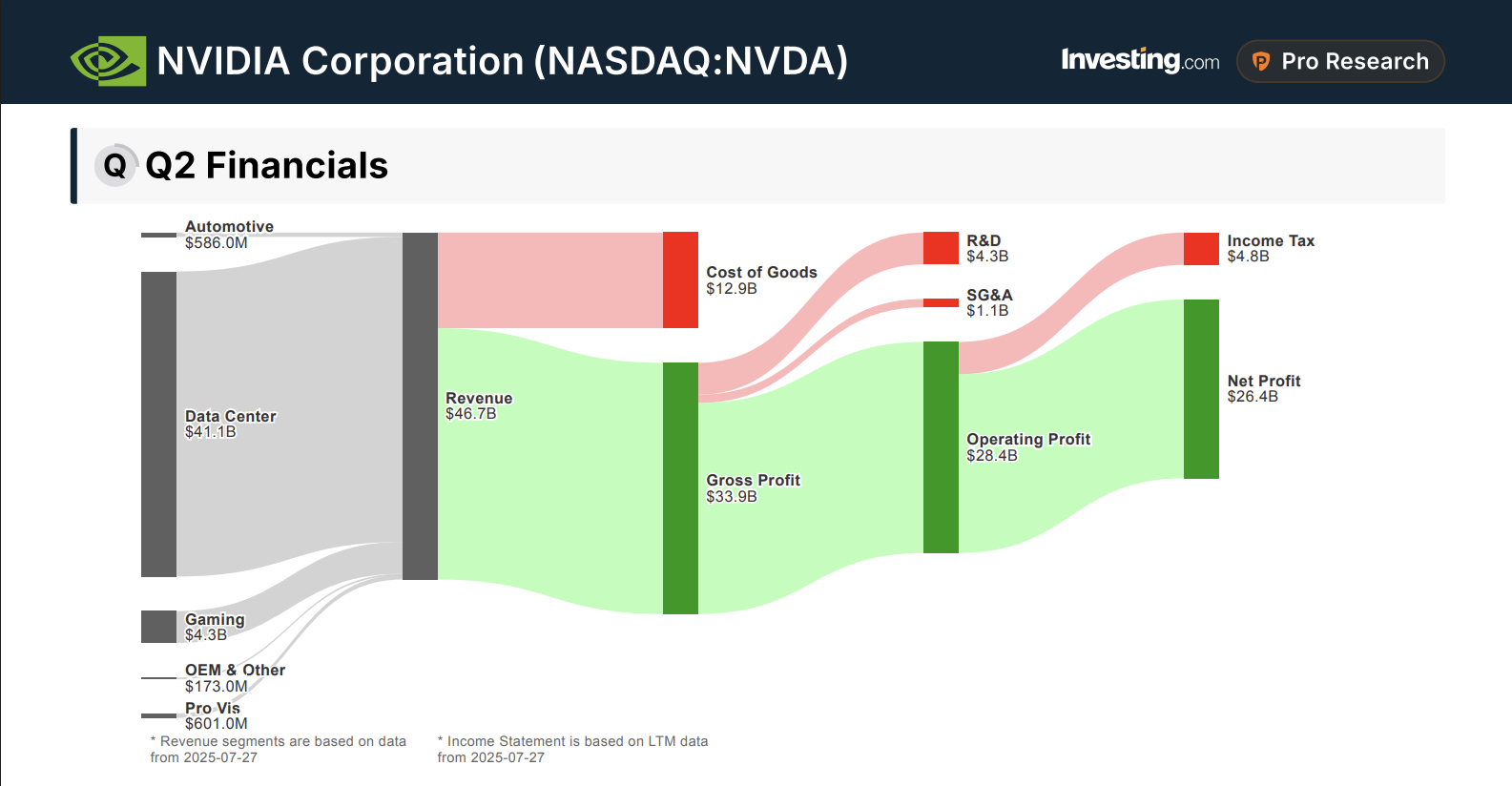
The “Data Center” segment is the crown jewel of NVIDIA’s balance sheet. In recent quarters, this division has accounted for the vast majority of the company’s revenue growth, driven by the insatiable demand for H100 and Blackwell architecture chips. Investors look at the “beat” or “miss” relative to analyst consensus. If the market expects $28 billion in revenue and NVIDIA reports $30 billion, the stock may rally; however, if the “whisper number” (the unofficial expectation of institutional traders) is even higher, the stock might actually fall despite a technical beat.
Gross Margins and Operating Efficiency
In a high-interest-rate environment, profitability is king. NVIDIA has historically maintained exceptionally high gross margins, often exceeding 70%. When the results drop, analysts immediately calculate whether these margins are expanding or contracting. Contraction in margins could signal rising production costs or increased competition from internal chip development projects at companies like Meta or Alphabet.
Forward Guidance: The Market’s North Star
The most critical piece of information usually arrives toward the end of the press release or during the 5:00 PM conference call: the guidance for the next quarter. The stock market is a forward-looking mechanism. A company can report record-breaking profits for the past three months, but if management warns of a slowdown in the next three, the stock will likely plummet. Strategic investors listen for “revenue outlook” figures and commentary on supply chain lead times, as these are the primary drivers of long-term valuation models.
Strategic Considerations for the Retail Investor
Navigating an earnings release requires a disciplined approach to capital preservation and an understanding of one’s own risk tolerance.
Long-term Holding vs. Short-term Speculation
Investors must categorize themselves before the earnings clock starts ticking. For a long-term investor, the specific time of the earnings release is largely academic. A single quarter’s volatility is “noise” in the context of a five-to-ten-year thesis on AI infrastructure. However, for a short-term trader, the minutes between 4:00 PM and 5:30 PM ET are the most dangerous and opportunistic of the quarter.
Using “Limit Orders” instead of “Market Orders” during the after-hours session is a vital tactic. Because of the low liquidity mentioned earlier, a market order could be executed at a price significantly worse than intended. By setting a limit, the investor ensures they only buy or sell at a price that fits their financial plan.
Managing Risk in the AI Supercycle
The “AI Gold Rush” has led to high valuations for NVIDIA. This means that the “priced for perfection” phenomenon is in full effect. Even a stellar report can lead to a “sell the news” event where institutional investors take profits. To manage this risk, savvy investors often use “stop-loss” orders, though it is important to remember that standard stop-losses do not always trigger during after-hours trading. One must check with their brokerage to see if their risk management tools extend into the post-market session.
The Role of Diversification
While it is tempting to go “all-in” on NVIDIA ahead of a major earnings release, the prudent financial path involves diversification. Using Exchange Traded Funds (ETFs) that have heavy weightings in NVIDIA—such as the VGT (Vanguard Information Technology ETF) or the SOXX (iShares Semiconductor ETF)—can provide exposure to the upside of an earnings beat while mitigating the idiosyncratic risk of a single-company miss.
Conclusion: Making the Most of the Earnings Cycle
The question “what time is NVIDIA earnings release” is the gateway to a complex and high-stakes financial event. By identifying the 4:20 PM ET release window and the 5:00 PM ET conference call, investors position themselves to react with data rather than emotion.
Success in investing during these high-volatility windows comes down to preparation. This involves studying the consensus estimates, understanding the importance of the Data Center segment, and having a clear entry or exit strategy before the first headline hits the wire. Whether NVIDIA continues its meteoric rise or enters a period of consolidation, the disciplined investor who respects the clock and the metrics will always be better positioned than the one who reacts in the heat of the moment. As NVIDIA continues to define the future of computing, its earnings day remains the most important date on the financial calendar for anyone serious about growth-oriented investing.
aViewFromTheCave is a participant in the Amazon Services LLC Associates Program, an affiliate advertising program designed to provide a means for sites to earn advertising fees by advertising and linking to Amazon.com. Amazon, the Amazon logo, AmazonSupply, and the AmazonSupply logo are trademarks of Amazon.com, Inc. or its affiliates. As an Amazon Associate we earn affiliate commissions from qualifying purchases.