
For anyone navigating the complex and dynamic world of finance, the seemingly simple question, “What time is market closing today?” holds far more significance than a mere logistical inquiry. It is a critical piece of information that underpins trading strategies, risk management protocols, and even the psychological rhythm of market participants. While the immediate answer might vary based on your geographic location, the specific asset class you’re interested in, and whether it’s a regular trading day or a holiday, understanding the nuances of market closing times is fundamental to successful investing.
This article delves into the multi-faceted importance of knowing market closing times, exploring how different markets operate, the implications for investors, and the tools available to stay informed. It’s not just about a specific clock time; it’s about comprehending the intricate machinery of global finance and how its daily cessation impacts opportunities, risks, and strategies.
Understanding Global Market Hours: Beyond Your Local Exchange
The financial “market” is not a singular entity but a vast, interconnected network of exchanges operating across different time zones and specializing in various asset classes. What constitutes “closing time” depends entirely on which piece of this global puzzle you’re observing. A comprehensive understanding requires appreciating this diversity.
Equity Markets: The Standard Bearers
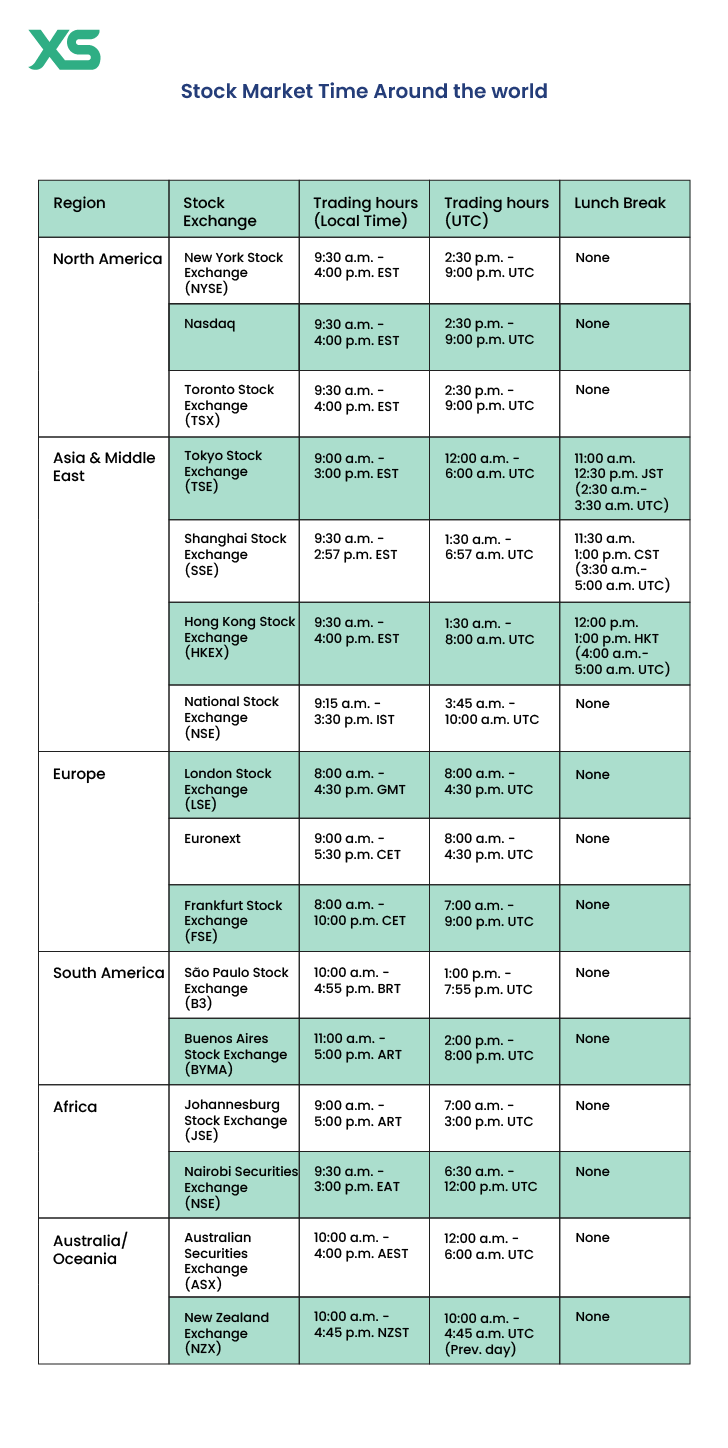
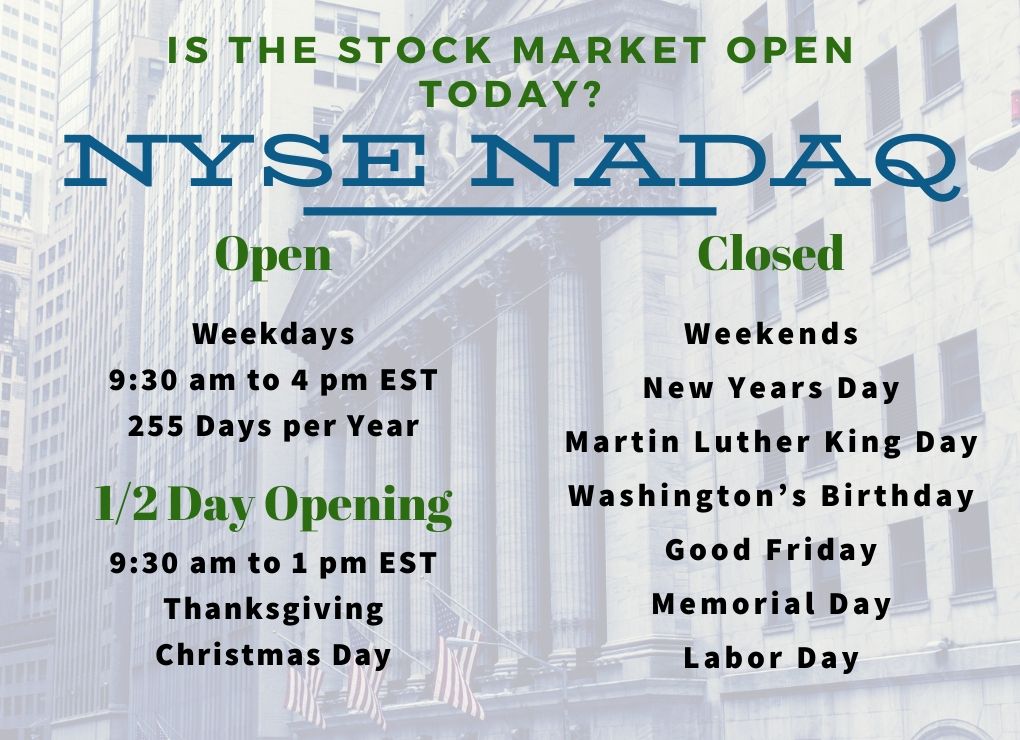
When most people ask about “market closing,” they are typically referring to the major stock exchanges. In the United States, the New York Stock Exchange (NYSE) and NASDAQ traditionally operate from 9:30 AM to 4:00 PM Eastern Time (ET) on weekdays. Similarly, the London Stock Exchange (LSE) runs from 8:00 AM to 4:30 PM Greenwich Mean Time (GMT), and the Tokyo Stock Exchange (TSE) has split sessions, generally from 9:00 AM to 11:30 AM and 12:30 PM to 3:00 PM Japan Standard Time (JST).
These are the core trading hours where the vast majority of volume and price discovery occurs. However, even within equity markets, there are nuances like “closing auctions” or specific periods for certain types of orders, which extend slightly beyond the stated closing bell.
Fixed Income and Bond Markets: Different Operating Rhythms
Bond markets, while less talked about in daily headlines, play a crucial role in global finance. Their trading hours often differ from equity markets, reflecting the institutional nature of bond trading. For instance, the U.S. bond market typically closes earlier than the stock market, often around 3:00 PM ET. This difference is partly due to the primary participants being large institutional investors and the over-the-counter (OTC) nature of much of the bond trading, as opposed to centralized exchanges for equities. Understanding these distinct hours is vital for investors with fixed income exposure, as liquidity and price movements can concentrate differently.
Commodity and Futures Markets: Nearly 24/7 Access
Commodities like oil, gold, and agricultural products, along with their associated futures contracts, trade on specialized exchanges (e.g., CME Group, ICE). Many of these markets boast significantly longer trading hours, often extending late into the evening or even operating almost 24 hours a day, five days a week, with brief daily breaks. For example, crude oil futures on NYMEX often trade from Sunday evening through Friday afternoon, with only a one-hour daily maintenance break. This extended access reflects the global nature of commodity supply and demand, which is constantly in flux across different time zones.
Foreign Exchange (Forex) Markets: The True Global Marathon
The foreign exchange market is the largest and most liquid financial market in the world, characterized by its truly global and continuous operation. Because it’s a decentralized, over-the-counter (OTC) market where currencies are traded worldwide, there isn’t a single “closing time.” Instead, it follows the sun, with trading seamlessly shifting from one major financial center to another (e.g., Sydney, Tokyo, London, New York). While specific banks or brokers might have operational cut-offs, the interbank market itself essentially runs 24 hours a day, five days a week, from Sunday evening ET to Friday afternoon ET. This constant activity presents unique opportunities and challenges for currency traders.
Holiday Schedules and Early Closures: Exceptions to the Rule
It’s crucial to remember that official market hours are subject to change due to national holidays, observances, or special circumstances. Major holidays (e.g., Christmas, New Year’s Day, Independence Day in the US) typically result in full market closures. Additionally, markets often observe early closures on days preceding or following major holidays, or for specific events. These deviations can significantly impact trading volumes and liquidity, making it imperative for investors to consult official exchange calendars and news announcements.
Why Market Closing Times Matter for Investors
Knowing when the market closes is more than just a scheduling detail; it’s a critical element of effective financial management. The end of the trading day brings a unique set of dynamics that can profoundly influence investment decisions, risk exposure, and strategy execution.
Impact on Order Execution: Getting Your Trades Filled
For active traders, the market closing time directly dictates the window for order execution. If you place a market order just before the close, there’s a risk of slippage due to increased volatility or decreased liquidity in the final minutes. Limit orders placed near the close might remain unfilled if the desired price isn’t met before the bell. Understanding when the market closes helps investors time their entries and exits, ensuring their orders have the best chance of being executed at favorable prices or within their desired parameters. This is especially true for day traders who must close all positions before the market closes.
Volatility and Price Discovery: End-of-Day Dynamics
The final hour of trading, often dubbed “the power hour” or “the last hour,” can be characterized by increased volatility and significant price movements. Institutional investors often execute large orders to rebalance portfolios, “mark the close” for performance reporting, or react to late-breaking news. This concentrated activity can lead to rapid price swings, creating both opportunities and risks. Investors need to be aware of this potential for enhanced volatility and adjust their strategies accordingly, perhaps avoiding placing large, unmanaged orders in the very last minutes unless specifically intended for these dynamics.
Risk Management and Position Sizing: Closing Gaps
Holding positions overnight exposes investors to “gap risk,” where a stock or asset opens significantly higher or lower than its previous day’s close. These gaps are often triggered by after-hours news, economic data releases, or global market movements that occur while local markets are closed. Understanding market closing times is integral to managing this risk. Day traders, by definition, close all positions before the market shuts down to avoid overnight exposure. Swing traders and longer-term investors must factor in potential overnight gaps when sizing their positions and setting stop-loss orders, knowing that such orders might not execute at the desired price if a significant gap occurs.
News Reactions and Overnight Gaps: Preparing for Tomorrow
Many companies release earnings reports or significant announcements after market close or before market open to allow investors time to digest the information without disrupting active trading. Similarly, major economic data points (e.g., GDP figures, inflation reports) from other countries might be released while your local market is closed. These events can dramatically influence an asset’s opening price the next day. Being aware of the market closing time, and consequently, the window for these overnight developments, allows investors to better prepare for the next trading session, adjust their outlook, and potentially pre-plan reactions.
Navigating After-Hours and Pre-Market Trading
While traditional market hours define the core trading day, the advent of electronic trading has extended the market’s reach through pre-market and after-hours sessions. These periods offer flexibility but come with their own set of considerations.
What is Extended-Hours Trading?
Extended-hours trading refers to trading activity that occurs outside of the standard market hours. This includes “pre-market” sessions (typically before the 9:30 AM ET open) and “after-hours” sessions (typically after the 4:00 PM ET close). These sessions are facilitated by Electronic Communication Networks (ECNs) that allow investors to place orders and execute trades before the opening bell or after the closing bell.
Advantages and Disadvantages: Opportunities and Risks
Advantages:
- React to News: Extended hours allow investors to react immediately to news released after the market close or before the market open, potentially capitalizing on early price movements.
- Flexibility: It offers flexibility for individuals with busy daytime schedules to manage their portfolios.
- Early/Late Entry/Exit: Opportunities to enter or exit positions based on early momentum or late-day analysis.
Disadvantages:
- Lower Liquidity: Significantly fewer participants trade during extended hours, leading to lower trading volumes and shallower order books.
- Wider Spreads: Due to lower liquidity, the bid-ask spread (the difference between the highest price a buyer is willing to pay and the lowest price a seller is willing to accept) can be much wider than during regular hours, making trades more expensive.
- Increased Volatility: Lower liquidity combined with news reactions can lead to exaggerated price swings, making extended hours riskier for some investors.
- Institutional Dominance: Larger institutional investors and professional traders often dominate these sessions, which can put retail investors at a disadvantage.
Liquidity Concerns and Wider Spreads
The most significant caveat of extended-hours trading is liquidity. With fewer buyers and sellers, it can be harder to get your orders filled quickly or at your desired price. A small order might move the price substantially in extended hours compared to regular hours. This also contributes to wider bid-ask spreads, meaning you might pay more to buy and receive less to sell than during regular trading. It’s crucial for investors to use limit orders when trading in extended hours to control the price at which their trades execute.
Accessing Extended Hours: Brokerage Offerings
Most modern online brokerage platforms offer access to extended-hours trading. However, the specific hours available and the types of orders supported can vary by broker. Investors interested in trading during these periods should check their broker’s specific policies and familiarize themselves with the order types suitable for these less liquid environments (primarily limit orders).
Strategic Implications of Market Closing
The daily market close isn’t just a time marker; it’s a strategic checkpoint for various types of investors, shaping their decisions and influencing their approach to risk and opportunity.
Day Traders: The End of the Session
For day traders, the market closing time is a hard deadline. Their entire strategy revolves around opening and closing positions within the same trading day to avoid overnight risk. The final hour becomes a critical period for closing out remaining trades, managing final profit/loss targets, and ensuring no positions are carried over. Understanding the potential for increased volatility at the close is paramount for these participants, as it can offer last-minute opportunities or pose significant threats to their daily performance.
Swing Traders: Managing Overnight Exposure
Swing traders hold positions for a few days or weeks, meaning they routinely carry trades overnight. For them, the market close marks the beginning of their exposure to overnight risk – the potential for news or global events to cause a significant price gap by the next open. They must assess this risk when the market closes, factoring it into their position sizing, stop-loss placements, and overall trade management. They might look for patterns around the close that indicate potential overnight movements or use the closing price as a key reference point for their technical analysis.
Long-Term Investors: Portfolio Rebalancing and Reassessment
Even for long-term investors who aren’t concerned with daily price fluctuations, the market close is relevant. It marks the formal end of a trading day for their holdings, providing a clear daily snapshot of their portfolio’s value. This can be a trigger for daily or weekly portfolio reviews, assessing overall market trends, and deciding on any necessary rebalancing or adjustments to asset allocations. While they don’t typically trade at the close, understanding the market’s daily cycle helps them maintain a consistent monitoring routine and make informed long-term decisions.
Psychological Impact: The Trading Day’s Conclusion
Beyond the technical and strategic implications, the market close also has a psychological impact. It signifies the conclusion of a period of intense activity and decision-making. For many, it’s a moment to reflect on the day’s performance, learn from mistakes, and mentally prepare for the next trading session. The closing bell offers a natural break, preventing burnout and allowing for a fresh perspective when the market reopens. This rhythmic close and open helps maintain discipline and emotional control in an otherwise demanding environment.
Staying Informed: Tools and Best Practices
Given the dynamic nature of market hours, particularly with holidays and special events, staying informed is crucial. Fortunately, numerous resources are available to help investors keep track.
Reliable Financial News Sources
Reputable financial news outlets (e.g., The Wall Street Journal, Bloomberg, Reuters, Financial Times) consistently report on market closures, holiday schedules, and any exceptional trading hours. Subscribing to their newsletters or regularly checking their websites can provide timely updates. These sources are often the first to report on unexpected early closures or other deviations from standard hours.
Brokerage Platforms and Alerts
Your online brokerage platform is an invaluable tool. Most brokers provide real-time market data, often including countdowns to market close, indicators for extended-hours trading, and specific announcements regarding holiday schedules or early closures. Many also offer customizable alerts that can notify you about market opening and closing times or impending events that might affect trading hours. Familiarize yourself with your broker’s dashboard and notification settings.
Financial Calendars and Holiday Schedules
Dedicated financial calendars, available from various financial websites and apps, provide comprehensive listings of global market holidays and special trading hours well in advance. These calendars are essential for planning trading activities, especially if you deal with international markets. Always double-check information against official exchange websites or your broker’s announcements, as schedules can sometimes change.
Building a Routine for Market Monitoring
The best practice is to build a routine that incorporates checking market hours into your daily or weekly investment preparation. Before the start of each trading week, quickly review any upcoming holidays or special hours for the markets you follow. At the beginning of each trading day, glance at your brokerage platform or a trusted news source for any real-time updates. This proactive approach ensures you’re never caught off guard and can make informed decisions based on accurate market timing.
In conclusion, the question “What time is market closing today?” is a gateway to understanding the intricate mechanisms that govern financial markets. From the varied schedules of different asset classes and geographies to the strategic implications for diverse investor types, market closing times are far more than a simple timestamp. By appreciating these nuances and utilizing available resources, investors can navigate the markets with greater confidence, make more informed decisions, and effectively manage their financial endeavors.
aViewFromTheCave is a participant in the Amazon Services LLC Associates Program, an affiliate advertising program designed to provide a means for sites to earn advertising fees by advertising and linking to Amazon.com. Amazon, the Amazon logo, AmazonSupply, and the AmazonSupply logo are trademarks of Amazon.com, Inc. or its affiliates. As an Amazon Associate we earn affiliate commissions from qualifying purchases.