
In the vast landscape of brand management, some questions appear deceptively simple. “What time is Home Depot open?” is one such query. On the surface, it’s a direct request for information – a transactional interaction between a customer and a business. Yet, beneath this seemingly innocuous question lies a rich tapestry of brand strategy, operational excellence, digital presence management, and customer experience design. For a colossal retail entity like The Home Depot, ensuring this fundamental piece of information is accurate, accessible, and consistently communicated across a myriad of touchpoints is not merely a logistical task; it is a critical component of its brand promise, directly impacting customer loyalty, sales, and overall market perception.

This article delves into how a brand like Home Depot navigates the complexities of providing such basic information, transforming a simple factual query into a strategic imperative that underpins its corporate identity and reinforces its position as a market leader. We explore the strategic foresight required to manage this information effectively, highlighting the brand implications that resonate far beyond the immediate answer.
The Foundational Pillar: Brand Accessibility and Trust
At the heart of every successful brand lies a promise – a commitment to quality, value, convenience, or a unique experience. For retailers, a significant part of this promise revolves around accessibility: being there when the customer needs them, both physically and informationally. The ability for a customer to quickly and accurately ascertain store hours is not just a convenience; it is a fundamental building block of trust and a direct reflection of a brand’s commitment to its patrons.
The Criticality of Accurate Information
Imagine a customer, mid-project, urgently needing a specific part or tool from Home Depot. They quickly check the store hours online, drive to the location, only to find it closed due to incorrect information. The immediate consequence is frustration and wasted time, but the long-term damage extends to the brand’s reputation. This single negative interaction can erode trust, foster skepticism, and potentially drive the customer to a competitor. For a brand built on reliability and being a go-to resource for home improvement, such missteps can be particularly costly. Accurate information, therefore, isn’t just a matter of operational precision; it’s a non-negotiable aspect of maintaining brand integrity and fulfilling the implicit contract with the customer.
Furthermore, in an era where consumers are bombarded with choices, brands must strive for flawless execution at every touchpoint. The consistency of operational information reflects an underlying organizational discipline and attention to detail. If a brand cannot reliably provide its opening hours, it subtly suggests a lack of attention to other critical customer-facing aspects, potentially undermining confidence in its products or services. Home Depot, with its expansive network of stores, must meticulously manage this data, understanding that each store’s hours contribute to the collective brand perception.
Seamless Customer Journeys: The First Impression
The customer journey often begins long before a physical visit. For many, it starts with a digital query. The ease with which a potential customer finds Home Depot’s opening hours online or via a voice assistant sets the tone for their entire interaction with the brand. A smooth, effortless information retrieval process contributes to a positive first impression, reinforcing the brand’s image as helpful and customer-centric. Conversely, ambiguity, outdated information, or a convoluted search process can introduce friction, leading to early disengagement.
This initial interaction is pivotal. When a customer easily finds the information they seek, it creates a sense of empowerment and efficiency. They feel valued because their time is respected, and their needs are anticipated. This positive initial encounter can translate into a more pleasant in-store experience, increasing the likelihood of a successful purchase and repeat visits. Essentially, the “what time is Home Depot open” query is an invisible gateway, and how effectively the brand manages this gateway dictates the seamlessness of the customer’s entry into its ecosystem, directly influencing loyalty and advocacy.
Navigating the Omnichannel Landscape: Disseminating Brand Information
In today’s hyper-connected world, customers expect instant answers, available on their preferred platform. For a brand the size of Home Depot, managing and disseminating operational information across a diverse omnichannel landscape is a complex strategic undertaking. It’s no longer sufficient to simply list hours on a website; information must be ubiquitous, consistent, and instantly verifiable across digital and physical touchpoints.
The Digital Front Door: Websites, Apps, and Local SEO
The official website and mobile app serve as the primary digital front doors for Home Depot. These platforms are meticulously designed not only to showcase products and services but also to provide essential operational details for each of its hundreds of locations. Users expect intuitive navigation to find their nearest store and its specific hours, often filtering by location or utilizing geo-location services.
Beyond proprietary platforms, the brand’s performance in local Search Engine Optimization (SEO) is paramount. When a user types “Home Depot hours near me” into Google, the search engine typically pulls information from various sources, most notably Google My Business (GMB) profiles. Home Depot must actively manage and frequently update its GMB listings for every store location, ensuring that hours, addresses, phone numbers, and special announcements are accurate. Inaccurate GMB data can lead to significant customer frustration and traffic diversion, directly impacting sales. The brand’s investment in local SEO isn’t just about visibility; it’s about guaranteeing informational accuracy at critical decision points in the customer journey. Furthermore, third-party review sites, mapping applications, and directories also pull this data, demanding a centralized, consistent approach to information management.
Social Media and AI Assistants: Expanding Reach and Ensuring Consistency
The proliferation of social media platforms and the rise of AI-powered voice assistants have added new layers of complexity and opportunity for brand information dissemination. Customers frequently turn to social media channels like Twitter or Facebook with direct queries about store hours, expecting rapid and accurate responses. Home Depot’s social media strategy must, therefore, include mechanisms for addressing these queries efficiently, either through automated responses linked to real-time data or via human customer service representatives. This also presents an opportunity for proactive communication during special events or unexpected changes.

Voice assistants such as Amazon Alexa, Google Assistant, and Apple Siri are increasingly becoming a first port of call for factual information. When a user asks, “Hey Google, what time is Home Depot open?”, the AI draws from a vast dataset, often prioritizing GMB data or information gleaned from the brand’s official website. This underscores the critical need for Home Depot to maintain pristine data hygiene across all its digital properties. Any inconsistency can lead to the voice assistant providing incorrect information, which, while not directly attributable to Home Depot’s immediate action, still negatively impacts the customer’s perception of the brand’s overall reliability and digital presence. The challenge here is to ensure that the brand’s data feeds into these disparate ecosystems are synchronized and validated, preserving an overarching brand consistency across all forms of digital interaction.
Operational Excellence and Brand Promise: Beyond Just Hours
The commitment to providing accurate opening hours transcends mere data entry; it reflects a deeper organizational strategy focused on operational excellence and fulfilling a core brand promise. Home Depot’s extensive operational footprint necessitates dynamic management of store hours, influenced by a multitude of factors, each with brand implications.
Data-Driven Decision Making: Optimizing Store Operations
Setting and communicating store hours is a data-driven process for a sophisticated retailer like Home Depot. It involves analyzing customer traffic patterns, peak shopping times, seasonal fluctuations, local events, and even micro-market demographics. By leveraging extensive sales data and foot traffic analytics, the brand can optimize its operational hours to maximize customer convenience while maintaining operational efficiency. For instance, extending hours during holiday seasons or shortening them on less busy days is a strategic decision designed to meet demand, manage staffing, and ultimately enhance profitability, all while aligning with customer expectations.
These decisions are directly linked to the brand’s promise of being a reliable resource. If a store consistently closes earlier than customer demand dictates, it can lead to missed sales opportunities and customer dissatisfaction. Conversely, unnecessarily extended hours can increase operational costs without commensurate revenue, affecting the brand’s financial health. Therefore, the hours themselves are a strategic output, reflecting a balance between serving the customer and prudent business management, all under the umbrella of the Home Depot brand.
Adapting to Change: Flexibility in a Dynamic Retail Environment
The retail environment is rarely static. Weather emergencies, local public health guidelines, unexpected operational issues, or special sales events frequently necessitate temporary changes to store hours. For Home Depot, the ability to adapt swiftly and communicate these changes clearly and instantaneously is a testament to its operational agility and brand resilience. A proactive communication strategy during these times – updating websites, GMB profiles, social media, and in-store signage – minimizes customer confusion and frustration, reinforcing the brand’s commitment to transparency and customer service.
The brand’s promise is not just about fixed hours, but about its flexibility and responsiveness to external factors. When a snowstorm hits, for example, customers want to know if their local Home Depot is still open. Providing real-time updates through an integrated system demonstrates a high level of organizational competence and empathy, bolstering the brand’s reputation for being there for its community, come what may. This adaptability is a crucial aspect of maintaining a strong, positive corporate identity in an unpredictable world.
The Ripple Effect: Brand Perception and Long-Term Value
The consistent and accurate communication of basic operational information like store hours has far-reaching effects, subtly yet powerfully shaping brand perception and contributing to long-term value creation. It’s a foundational element that, when executed flawlessly, becomes invisible, allowing the brand’s other strengths to shine. When overlooked, however, it can cast a long, negative shadow.
Cultivating Customer Loyalty and Advocacy
A consistently positive experience with a brand, starting from simple tasks like finding store hours, fosters loyalty. When customers repeatedly find the information they need without friction, they begin to implicitly trust the brand. This trust extends beyond merely knowing when a store is open; it translates into confidence in the brand’s products, services, and overall reliability. A loyal customer is not only a repeat buyer but also a potential advocate, likely to recommend Home Depot to friends, family, and online communities.
Conversely, a frustrating experience—such as showing up to a closed store—can be intensely off-putting. The cost of acquiring a new customer far outweighs the cost of retaining an existing one, making every interaction, no matter how minor, crucial for customer retention. By prioritizing accuracy and accessibility, Home Depot invests in cultivating a positive customer experience that builds a strong base of loyal patrons who view the brand as dependable and responsive to their needs. This advocacy is invaluable, acting as authentic, organic marketing that strengthens the brand’s market position.
Reinforcing Corporate Identity and Market Leadership
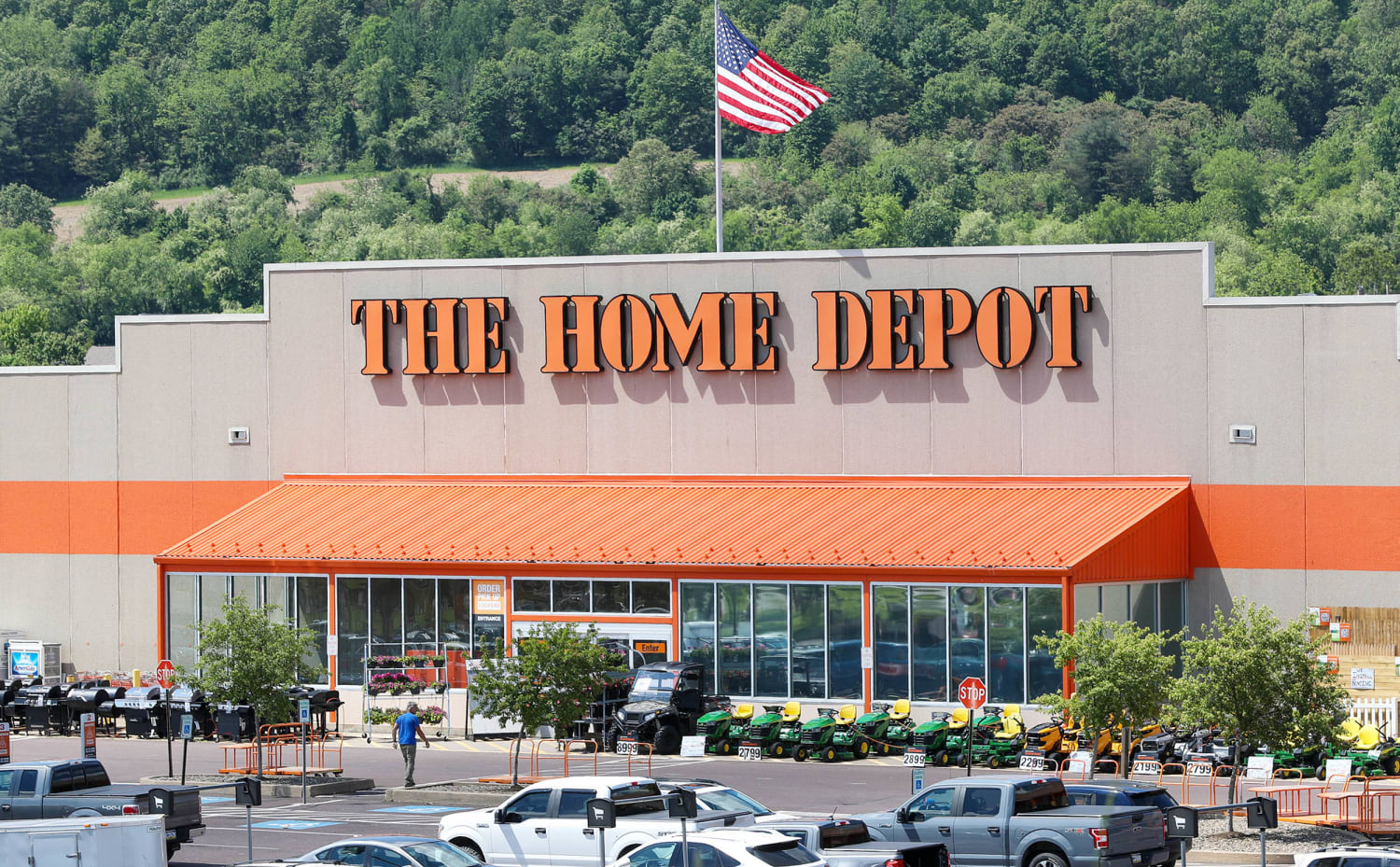
For a brand like Home Depot, which strives for market leadership in the home improvement sector, every detail contributes to its corporate identity. The diligent management of operational information, though seemingly mundane, reflects a commitment to professionalism, efficiency, and customer-centricity. It demonstrates that the brand pays attention to the fundamentals, which in turn reinforces its image as a trustworthy and well-managed enterprise. This meticulous approach speaks volumes about the brand’s internal processes and its dedication to maintaining a high standard of service across all facets of its operations.
A brand that consistently gets the basics right projects an image of competence and reliability. This reinforces its position as a go-to resource and a preferred choice for customers, distinguishing it from competitors who might be less diligent. In essence, the seamless provision of something as simple as store hours contributes to the gravitas and authority of the Home Depot brand, cementing its leadership status in the minds of consumers and stakeholders alike. It signals that this is a brand that understands its customers and respects their time, ultimately solidifying its brand equity and long-term viability.
The seemingly straightforward question, “What time is Home Depot open?”, unravels a sophisticated web of brand strategy, digital management, operational foresight, and customer relationship building. It underscores the profound impact that seemingly minor details have on a brand’s overall perception and success. For a retail giant like The Home Depot, the ability to consistently provide accurate, accessible, and up-to-date operational information across its myriad physical and digital touchpoints is not a mere administrative task; it is a strategic imperative that directly contributes to brand trust, customer loyalty, and its enduring corporate identity as a leader in home improvement. In the omnichannel age, the answer to that simple question is a testament to a brand’s dedication to its customers and its unwavering commitment to excellence.
aViewFromTheCave is a participant in the Amazon Services LLC Associates Program, an affiliate advertising program designed to provide a means for sites to earn advertising fees by advertising and linking to Amazon.com. Amazon, the Amazon logo, AmazonSupply, and the AmazonSupply logo are trademarks of Amazon.com, Inc. or its affiliates. As an Amazon Associate we earn affiliate commissions from qualifying purchases.