
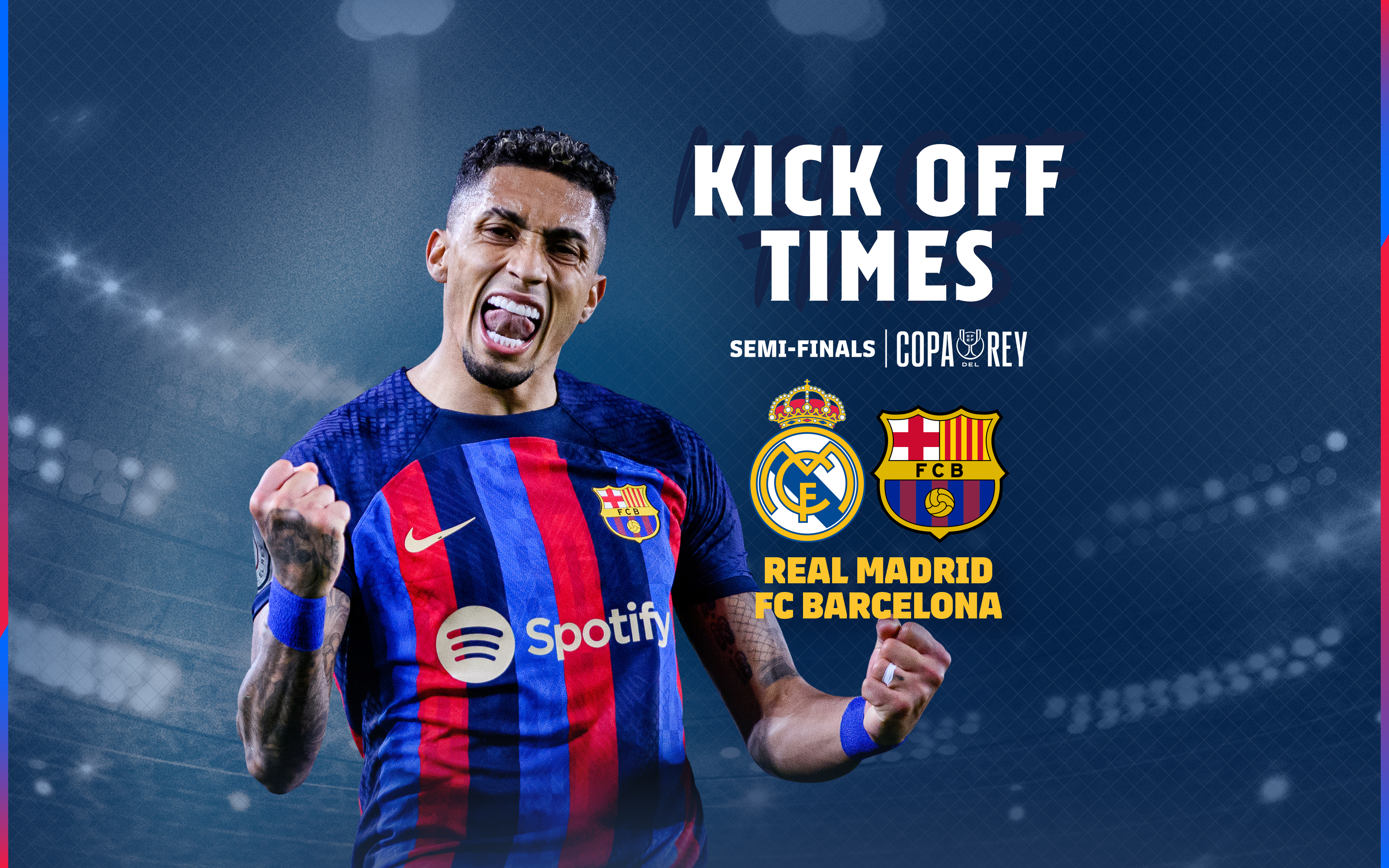
The question “What time is Barcelona vs Real Madrid?” transcends a simple logistical query for football fans. It represents a pivotal point in the global sports calendar, a moment meticulously engineered by some of the world’s most powerful sports brands. Beyond the thrilling ninety minutes of football, El Clásico – the storied contest between FC Barcelona and Real Madrid – is a masterclass in brand strategy, an event where every detail, especially its timing, is a calculated move to maximize global reach, amplify brand value, and solidify commercial success.

In an era of hyper-connected global markets and insatiable demand for premium content, the scheduling of such a marquee event is far from arbitrary. It is a sophisticated exercise in balancing tradition with commercial imperative, local fan experience with international audience capture, and immediate revenue generation with long-term brand equity building. For FC Barcelona, Real Madrid, and La Liga, the timing of El Clásico is a central pillar of their multi-faceted brand strategy, dictating everything from broadcast revenue to sponsor activation and fan engagement across every continent.
The Strategic Orchestration of Global Brand Reach
The decision of “what time” El Clásico kicks off is perhaps one of the most significant strategic branding decisions made by La Liga and the participating clubs. It’s a complex equation involving time zones, peak viewership data, major broadcast partners, and the overall objective of positioning El Clásico as the undisputed global footballing spectacle.
Navigating Time Zones for Maximum Viewership
The world is not flat when it comes to broadcast scheduling. To maximize global viewership, match organizers must meticulously map out the optimal kick-off times that allow for peak audiences in key markets across Europe, Asia, and the Americas. For instance, a kick-off time that works perfectly for prime time in Spain might be an ungodly hour for fans in East Asia or an early morning slot in North America. The goal is to find a sweet spot, a compromise that ensures significant audience capture across multiple, high-value markets simultaneously.
This balancing act often leads to El Clásico being scheduled in mid-afternoon European time, which translates to prime time evening in major Asian markets like China, Japan, and South Korea, where football fandom is immense and growing. While it might mean a slightly earlier start for some European audiences than traditional evening fixtures, the sheer scale of the Asian market’s viewership and its potential for brand engagement makes it a commercially astute decision. Similarly, these timings often allow for late morning or early afternoon viewing in North and South America, avoiding conflict with American football or other major sporting events, thereby broadening the potential audience for those regions. The “time” chosen is therefore a direct reflection of a global brand strategy focused on audience maximization rather than solely catering to the local fan base, though local considerations remain important.
The Nexus of Broadcast Rights and Brand Value
The value of media rights for La Liga, and specifically for El Clásico, runs into billions of euros. This enormous sum is directly correlated with the fixture’s ability to command a massive global audience. The strategic timing of the match allows La Liga to negotiate premium broadcast deals with international media partners, knowing that these partners can deliver the event to their respective markets during optimal viewing hours.
Broadcasters pay top dollar for exclusivity and the promise of high ratings, which in turn attract advertisers. The carefully selected kick-off time directly underpins this financial ecosystem. A well-timed El Clásico guarantees a larger reach, which translates into higher advertising revenue for broadcasters, making the broadcast rights more valuable to La Liga. This revenue then cycles back to the clubs, enabling them to attract top talent, invest in infrastructure, and expand their own global brand footprint. The “time” of the match is thus a fundamental component of the overall brand valuation of FC Barcelona, Real Madrid, and La Liga itself, driving their economic engine and sustaining their global competitiveness.
Optimizing Engagement Across Digital Platforms
In the digital age, viewership extends far beyond traditional television sets. Social media, streaming apps, official club websites, and online news portals are integral to how fans consume El Clásico. The chosen kick-off time dictates the peak periods for digital engagement – when hashtags trend globally, when live blogs update most frantically, and when official club channels experience surges in traffic.
Brand managers at Barcelona and Real Madrid leverage these peak engagement windows to execute synchronized digital campaigns. From pre-match build-up to live commentary and post-match analysis, every piece of digital content is timed to coincide with the global viewing schedule. This strategic synchronization ensures that the clubs’ brands remain at the forefront of digital discourse, capturing the attention of millions of fans who might not even be watching the live broadcast but are following updates and reactions online. The “time” of the game initiates a worldwide digital conversation, transforming mere viewers into active participants and brand ambassadors through shared online experiences.
El Clásico as a Brand Catalyst: Beyond the 90 Minutes
The influence of El Clásico’s timing extends far beyond the duration of the match itself. It acts as a powerful catalyst for a myriad of brand-building activities, creating ripple effects across sponsorship, merchandising, and community engagement.
The Halo Effect on Sponsor Activation
Global brands pay significant sums to be associated with FC Barcelona and Real Madrid. For sponsors, El Clásico is the zenith of their marketing calendar. The match timing allows these major global brands – from sportswear giants to airline companies and financial institutions – to synchronize their marketing campaigns, promotions, and product launches around a universally recognized event.
Imagine an apparel sponsor launching a new kit or a telecommunications partner offering special deals during the Clásico week. The global scheduling provides a consistent window for these campaigns, enabling sponsors to reach a massive, engaged audience simultaneously across different continents. This “halo effect” not only justifies their investment but also amplifies their own brand messaging by associating it with the prestige, excitement, and global appeal of El Clásico. The chosen “time” ensures that these activations have the broadest possible impact, turning a football match into a global marketing platform.
Merchandising and Retail Synchronization
Merchandise sales are a colossal revenue stream for both clubs. Jerseys, scarves, and memorabilia emblazoned with the iconic crests of Barcelona and Real Madrid are sold worldwide. The strategic timing of El Clásico plays a crucial role in retail synchronization. Special promotions, limited-edition product drops, and retail events can be planned to coincide with the global build-up and aftermath of the match.
For example, a major clash might see a surge in online sales during specific hours in different regions, or physical stores might host viewing parties followed by immediate sales opportunities. The global “time” ensures that this retail strategy can be executed effectively, tapping into the emotional fervor generated by the match across all markets. It’s about capitalizing on immediate demand and transforming fan excitement into tangible commercial outcomes, strengthening the clubs’ retail brands globally.
Cultivating Fan Loyalty and Community Building
At its heart, football is about community and shared passion. The consistent and well-communicated scheduling of El Clásico helps cultivate and deepen fan loyalty worldwide. Knowing “what time” the biggest match of the season will be played allows fans, regardless of their location, to plan their lives around it. This shared experience, whether watching alone, with friends, or at organized viewing parties, strengthens the bond between the clubs and their global supporters.
By providing a predictable, highly anticipated event at a globally accessible time, the clubs foster a sense of belonging and collective identity. Fans wake up early, stay up late, or adjust their schedules to be part of this collective moment. This deliberate scheduling choice reinforces the idea that no fan is too far to be part of the El Clásico spectacle, thereby transforming casual observers into dedicated loyalists and enduring brand advocates.
The Intangible Power of Brand Legacy and Rivalry
Beyond the immediate commercial gains and audience figures, the timing of El Clásico also plays a subtle yet profound role in reinforcing the intangible aspects of brand value: legacy, rivalry, and influence.
Reinforcing Core Brand Narratives
FC Barcelona and Real Madrid are more than just football clubs; they are cultural institutions steeped in history, philosophy, and intense rivalry. The specific “time” an El Clásico is played often becomes part of the match’s lore. A dramatic late-night winner or an early afternoon thrashing becomes etched in the collective memory of fans and media alike, reinforcing the core brand narratives of passion, triumph, and fierce competition.
The consistent scheduling of these clashes at globally strategic times ensures that these narratives are continuously broadcast and re-broadcast, keeping the clubs’ brand stories alive and vibrant for new generations of fans. It’s about leveraging the match as a storytelling device, where the timing sets the stage for moments that define and continually redefine the brands.
Driving Media Narrative and Public Discourse
El Clásico is a media magnet. The chosen kick-off time dictates the entire news cycle around the event. When a match is scheduled for prime time in Europe and Asia, it means that pre-match analyses, pundit predictions, and player interviews dominate news outlets and social media channels for days leading up to it. The post-match reactions, analyses, and debates then continue for days afterward, keeping the clubs firmly in the global spotlight.
The timing ensures maximum exposure for these media narratives, allowing journalists, content creators, and fans worldwide to engage in robust discourse. This sustained media attention is invaluable for brand visibility, maintaining top-of-mind awareness for both clubs and La Liga. It’s a deliberate strategy to control and amplify the narrative surrounding these powerful brands.
Benchmarking Brand Influence and Global Dominance
The ability of El Clásico to command specific, strategically chosen global time slots is a testament to its unparalleled brand influence. It benchmarks its status as a premier global sporting event, often dictating attention away from other major sporting fixtures happening simultaneously. This demonstrates the immense power and dominance of the Barcelona and Real Madrid brands in the global sports landscape.
Other leagues and sports look to El Clásico’s scheduling success as a model. Its ability to transcend geographical and cultural boundaries through clever timing showcases its strength as a global entertainment product and a powerful brand.
The Future of Brand Scheduling in Global Sports
As technology advances and fan consumption habits evolve, the art and science of scheduling global sporting events like El Clásico will only become more sophisticated, further intertwining with brand strategy.
Data-Driven Decision Making
The future will see an even greater reliance on data analytics to determine optimal kick-off times. Advanced algorithms will process vast amounts of data on audience demographics, viewership patterns, digital engagement metrics, and even climate conditions to fine-tune schedules for maximum brand exposure and monetization. Insights into specific regional market growth, such as the increasing influence of African or North American audiences, will play a larger role. This data-driven approach will allow La Liga and the clubs to make incredibly precise decisions about “what time” the match should be played to yield the highest returns on brand investment.
Balancing Tradition with Global Expansion
The ongoing challenge will be to balance the desires of the traditional, local fan base (who might prefer a consistent Saturday evening kick-off) with the imperative of global brand expansion. This tension often leads to varied kick-off times throughout the season for smaller games, but for El Clásico, the global audience often takes precedence due to its immense commercial value. The future might involve even more flexibility or tailored regional broadcasts to cater to both, ensuring that neither brand pillar is neglected.
The Role of Technology in Personalizing Engagement
While the core match time remains fixed, technology will increasingly allow for personalized engagement around that time. AI-driven content recommendations, interactive second-screen experiences, and localized pre- and post-match programming will ensure that every fan, regardless of their time zone, receives a rich, personalized brand experience tailored to their preferences. This means that while everyone knows “what time” the main event is, their journey around that time can be uniquely crafted, further cementing their loyalty to the FC Barcelona and Real Madrid brands.
In conclusion, asking “What time is Barcelona vs Real Madrid?” is to scratch the surface of a deeply intricate and highly strategic brand exercise. The chosen kick-off time is not a mere logistical detail but a cornerstone of a meticulously planned global brand strategy. It dictates audience reach, underpins colossal broadcast deals, synchronizes sponsor activations, fuels merchandise sales, cultivates fan loyalty, and reinforces the enduring legacies of two of the world’s most iconic sports brands. As global markets evolve, the strategic orchestration of El Clásico’s timing will remain a paramount example of how brands leverage every facet of an event to maximize their impact and secure their place at the pinnacle of global entertainment.
aViewFromTheCave is a participant in the Amazon Services LLC Associates Program, an affiliate advertising program designed to provide a means for sites to earn advertising fees by advertising and linking to Amazon.com. Amazon, the Amazon logo, AmazonSupply, and the AmazonSupply logo are trademarks of Amazon.com, Inc. or its affiliates. As an Amazon Associate we earn affiliate commissions from qualifying purchases.