
For anyone involved in the world of finance, from seasoned institutional investors to individual day traders and curious retail participants, understanding the operational hours of Wall Street is fundamental. While “Wall Street” often serves as a metonym for the entire U.S. financial industry, the question of its closing time specifically refers to the trading hours of the major stock exchanges it houses: the New York Stock Exchange (NYSE) and the NASDAQ Stock Market. These hours dictate the ebb and flow of capital, influence market strategies, and shape the daily lives of countless financial professionals. Beyond the simple closing bell, a deeper understanding reveals layers of market activity that extend well beyond the standard trading day, offering both opportunities and risks to those who venture into these extended realms.
The Official Bell: Understanding Wall Street’s Core Trading Hours
The standard trading day for the major U.S. stock exchanges is a cornerstone of global finance, providing a structured environment for buying and selling securities. These hours are deeply ingrained in market operations and significantly impact investment decisions.
The NYSE and NASDAQ: Synchronized Clocks
Both the New York Stock Exchange (NYSE), a physical trading floor with electronic operations, and the NASDAQ Stock Market, a fully electronic exchange known for its technology and growth stocks, adhere to the same official trading schedule. These markets open simultaneously, creating a unified period for price discovery and transaction execution for the vast majority of listed securities. This synchronization is crucial for market efficiency, ensuring that investors across different platforms are operating within the same primary window.
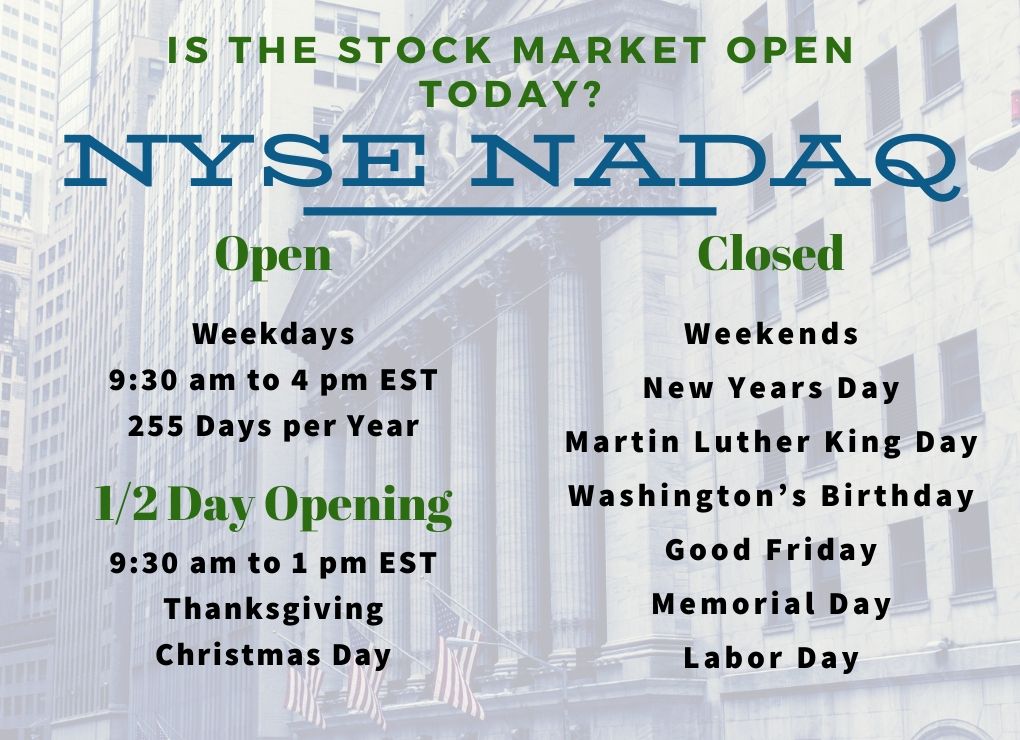
The standard trading hours for both the NYSE and NASDAQ are from 9:30 AM Eastern Time (ET) to 4:00 PM Eastern Time (ET), Monday through Friday. This six-and-a-half-hour window is often referred to as “regular trading hours” or “cash market hours.” During this time, trading volume is typically highest, liquidity is deepest, and most market participants are actively engaged. The closing bell, rung at 4:00 PM ET, signals the end of the official trading day, but it by no means marks the complete cessation of market activity.
Standard Market Schedule: A Daily Ritual
The daily ritual of the market open and close is steeped in tradition, especially at the NYSE, where the iconic opening and closing bells are often rung by celebrity guests or corporate executives. These moments are not just ceremonial; they mark crucial periods of trading. The market open at 9:30 AM ET often sees a surge in activity as orders accumulated overnight are executed, and traders react to pre-market news and economic data. Similarly, the market close at 4:00 PM ET can witness increased volatility as traders close positions, balance portfolios, or make last-minute adjustments before the market shutters for the day.
This predictable schedule provides stability and allows investors to plan their strategies, track news, and react to market movements within defined parameters. It also facilitates a pause, allowing for reflection, research, and preparation for the next trading day, preventing constant, exhausting market exposure.
Impact on Daily Trading and Investment Decisions
The defined trading hours have profound implications for traders and investors. Day traders, for instance, structure their entire day around these hours, aiming to capitalize on intra-day price fluctuations. Swing traders might hold positions for a few days, but their entry and exit points are often dictated by activity during regular hours. Long-term investors, while less concerned with minute-by-minute fluctuations, still pay attention to closing prices as indicators of daily performance and market sentiment.
Furthermore, the concentration of trading within these hours ensures optimal liquidity. High liquidity means that there are always buyers and sellers, making it easier to execute trades without significantly impacting prices. This depth of market allows for efficient price discovery and reduces the risk of large bid-ask spreads, which can erode investor returns. Understanding the rhythm of these hours is not just about knowing when to trade, but knowing when the market is most representative and efficient.
Beyond the Bell: Exploring Pre-Market and After-Hours Trading
While 9:30 AM to 4:00 PM ET defines the core trading day, the advent of electronic communication networks (ECNs) and technological advancements has dramatically expanded access to markets beyond these traditional hours. Pre-market and after-hours trading sessions offer flexibility but come with their own distinct characteristics, opportunities, and risks.
The Mechanics of Extended Trading Sessions
Pre-market trading typically begins as early as 4:00 AM ET and runs until the market open at 9:30 AM ET. After-hours trading commences immediately after the 4:00 PM ET close and can extend as late as 8:00 PM ET. These extended sessions are facilitated by electronic trading systems rather than the physical exchange floors, allowing institutions and individual investors to place orders and execute trades outside regular market hours.
During these periods, orders are routed through ECNs and other alternative trading systems (ATS) that match buyers and sellers electronically. The ability to trade outside standard hours allows investors to react quickly to breaking news, earnings reports released after the market close, or global economic developments that occur overnight. For instance, a company might announce stellar quarterly results at 4:30 PM ET, and investors can immediately buy shares in after-hours trading rather than waiting until the next morning, potentially missing out on early price appreciation.
Opportunities and Risks in Off-Hours Markets
The primary opportunity in extended trading hours lies in agility and early access to information. Investors can get a jump on market-moving news, potentially securing better prices before the broader market reacts. This can be particularly beneficial for institutional investors with significant capital, allowing them to adjust positions strategically.
However, these sessions come with significant risks:
- Lower Liquidity: Trading volume is substantially lower during pre-market and after-hours sessions compared to regular hours. Fewer buyers and sellers mean that it can be harder to execute trades at desired prices, leading to wider bid-ask spreads.
- Increased Volatility: Lower liquidity often translates into higher volatility. A relatively small trade can have a disproportionate impact on a stock’s price, leading to rapid and sometimes dramatic price swings.
- Price Discrepancies: Prices in extended sessions may not accurately reflect the consensus valuation that emerges during regular trading hours. What might seem like a good price after hours could be very different once the full market opens.
- Limited Order Types: Some advanced order types available during regular hours might not be supported in extended sessions.
- Professional Dominance: Institutional traders and high-frequency trading firms often have sophisticated tools and data access that give them an advantage in these less transparent periods.
For individual investors, participating in extended trading requires a keen understanding of these inherent risks and a careful approach, often favoring limit orders to control execution prices.
Technological Enablers: Accessing Markets 24/7
The existence and growth of pre-market and after-hours trading are direct results of technological advancements. Before the widespread adoption of electronic trading, market access outside of standard hours was practically non-existent for most investors. Now, retail brokerage platforms routinely offer access to extended trading sessions, democratizing participation to some extent.
These technologies include sophisticated algorithms, real-time data feeds, and robust trading interfaces that allow for rapid order placement and execution across various ECNs. The vision of a truly 24/7 global trading environment is becoming increasingly feasible, driven by these technological leaps and the interconnectedness of global financial markets. However, regulations and market structure still largely preserve the traditional core trading hours for specific reasons.
Weekends, Holidays, and Special Circumstances
Beyond the daily grind, the financial markets observe specific non-trading days and can experience unexpected interruptions, all of which are critical for investors to understand.
Non-Trading Days: When the Markets Go Dark
The NYSE and NASDAQ are closed on weekends (Saturdays and Sundays), which is standard practice across most major global stock exchanges. In addition to weekends, the markets observe a number of federal holidays. These typically include:
- New Year’s Day
- Martin Luther King, Jr. Day
- Washington’s Birthday (Presidents’ Day)
- Good Friday
- Memorial Day
- Juneteenth National Independence Day
- Independence Day (July 4th)
- Labor Day
- Thanksgiving Day
- Christmas Day
When a holiday falls on a weekend, the market typically observes it on the nearest weekday (e.g., if Christmas is on a Saturday, the market might close on Friday; if on a Sunday, it might close on Monday). These closures are published well in advance by the exchanges, allowing market participants to plan accordingly. They provide a much-needed break for market professionals and prevent trading on days when banking systems and other financial infrastructure might also be operating on reduced schedules.

Early Closures and Market Interruptions
Beyond full-day holidays, the exchanges sometimes have early closures. For example, on the day after Thanksgiving (Black Friday) or on Christmas Eve (if it falls on a weekday and the market isn’t fully closed), the market might close early, often at 1:00 PM ET. These shortened trading days are less common but are also announced in advance.
In rare and extreme circumstances, markets can be interrupted or temporarily closed due to unforeseen events. Historical examples include:
- Terrorist Attacks: After the September 11, 2001 attacks, the markets were closed for several days.
- Natural Disasters: Hurricane Sandy in 2012 caused a two-day closure of the NYSE trading floor and electronic operations.
- Technical Glitches: While rare, severe technical issues or system failures could necessitate a trading halt or closure.
- Extreme Volatility: Circuit breakers are mechanisms designed to temporarily halt trading across all U.S. markets during periods of extreme market declines, preventing panic selling. These are triggered at various percentage drops (7%, 13%, 20%) relative to the previous day’s closing price of the S&P 500.
Such interruptions, though infrequent, underscore the fragility and interconnectedness of financial systems and the need for robust contingency plans.
The Rationale Behind Market Closures
The rationale for scheduled market closures and holidays is multi-faceted. Firstly, it provides a period for essential maintenance and system upgrades for the exchanges themselves and the broader financial infrastructure. Secondly, it aligns with national holidays and business calendars, ensuring that banks, clearinghouses, and other critical financial institutions are also operational or appropriately rested. Thirdly, it acts as a global coordination mechanism, allowing all major players to reset and prepare for the next trading cycle, reducing the potential for fragmented or disjointed trading activity. Finally, and perhaps most importantly, it allows market participants — from analysts and portfolio managers to traders and support staff — to take a break from the intense pressure of daily market operations, promoting well-being and preventing burnout.
Why Trading Hours Matter for Investors
Understanding the nuances of market hours is not merely an administrative detail; it’s a critical component of effective investment strategy and risk management. The defined periods of activity profoundly impact market behavior and investor psychology.
Market Volatility and Liquidity Considerations
The standard trading hours are characterized by their depth of liquidity and generally lower volatility compared to extended sessions. During these core hours, institutional investors, mutual funds, hedge funds, and a massive influx of retail traders are all active, contributing to a high volume of transactions. This high volume ensures that large orders can be executed without drastically moving the price of a security, leading to tighter bid-ask spreads and more efficient price discovery. For most investors, particularly those with less sophisticated tools or smaller capital, executing trades during these hours is generally advisable due to the more favorable conditions.
Conversely, as discussed, extended hours often suffer from lower liquidity and higher volatility. A lack of sufficient buyers or sellers can lead to “gaps” in pricing and rapid price movements on relatively small trade volumes. This can be a double-edged sword: offering opportunities for quick gains for savvy, risk-tolerant traders, but also presenting significant risks of adverse price movements for the unprepared.
Crafting Trading Strategies Around Market Open and Close
Many trading strategies are specifically designed around the market open and close due to predictable patterns and increased activity during these times.
- The Open (9:30 AM ET): The first hour of trading, often called “the power hour,” can be incredibly volatile. It’s when reactions to overnight news, earnings reports, and pre-market activity converge. Traders often look for opening gaps (when a stock opens significantly higher or lower than its previous close) and use strategies like momentum trading or reversal patterns. This period requires sharp focus and quick decision-making.
- The Close (3:00 PM – 4:00 PM ET): The last hour of trading is another period of heightened activity. Institutional investors might be “marking the close” (buying or selling to influence the closing price of a security), or fund managers might be rebalancing portfolios. This can lead to increased volume and volatility, offering opportunities for traders looking to capture end-of-day moves or predict market sentiment for the next day.
- Mid-day Lull (11:00 AM – 2:00 PM ET): Often, there’s a relative lull in activity during the middle of the trading day. Volume tends to drop, and price movements can be less pronounced. Some traders avoid this period, while others find it suitable for less frenetic, range-bound strategies.
Understanding these daily rhythms allows investors to tailor their strategies, choosing to participate during periods that align with their risk tolerance and trading style.
The Psychological Impact of Market Rhythms
Beyond technical considerations, the fixed daily schedule of Wall Street has a significant psychological impact. The market open creates a sense of anticipation and urgency, while the close provides a definitive end to the day’s trading, allowing for mental respite. This structure helps manage the intense emotional demands of trading and investing.
Imagine a market that never closes. The constant pressure, the inability to disconnect, and the perpetual need to react would lead to burnout and less rational decision-making. The “time out” provided by evenings, weekends, and holidays is crucial for investors to process information, conduct research, re-evaluate strategies, and maintain a healthy perspective. It reinforces the idea that investing is a marathon, not a sprint, and that deliberate, well-considered decisions are often more effective than reactive impulses.
Wall Street’s Global Context and Future Outlook
While Wall Street’s closing time is a central reference point for U.S. finance, it’s essential to view it within the broader landscape of interconnected global markets and consider how it might evolve in the future.
Comparing US Market Hours to International Exchanges
The U.S. market hours are just one piece of a much larger global puzzle. Major exchanges around the world operate on their own schedules, creating a continuous, albeit segmented, flow of trading activity across time zones:
- Asia-Pacific: Exchanges like the Tokyo Stock Exchange (TSE), Hong Kong Stock Exchange (HKEX), and Shanghai Stock Exchange (SSE) are typically open when U.S. markets are closed or in pre-market hours. Their trading activity can significantly influence the opening sentiment of U.S. markets.
- Europe: The London Stock Exchange (LSE), Euronext (Paris, Amsterdam, Brussels, Lisbon), and Deutsche Börse (Frankfurt) operate during a window that overlaps with U.S. morning trading, allowing for direct interaction and arbitrage opportunities between the two major economic blocs.
This global overlap means that “Wall Street’s close” isn’t the end of financial activity, but rather a hand-off to other regions. Major news or economic data released in one part of the world can ripple across markets as they open in sequence, influencing prices globally. For global investors, monitoring market activity across these time zones is a 24-hour endeavor.
The Push for 24/7 Trading: A Future Vision?
The increasing reliance on electronic trading, the rise of cryptocurrency markets that operate 24/7, and the interconnectedness of global finance have led to discussions about the eventual possibility of 24/7 stock market trading. Proponents argue that continuous trading would:
- Increase Efficiency: Allow immediate reaction to news, reducing gaps and inefficiencies caused by market closures.
- Enhance Liquidity: Potentially attract more global capital and facilitate continuous price discovery.
- Democratize Access: Provide flexibility for investors in different time zones or with non-traditional work schedules.
However, significant challenges stand in the way:
- Operational Strain: Clearing, settlement, and regulatory oversight would need to be re-engineered for continuous operation.
- Human Factor: Market professionals would face immense pressure, requiring complex shift work and potentially impacting their well-being.
- Market Stability: Without designated pauses, there’s a risk of continuous volatility and less time for rational assessment, potentially exacerbating crises.
While a full 24/7 stock market may not be imminent for traditional equities, the trend towards extended access and the blurring of lines between traditional and crypto assets suggest an evolutionary path towards more continuous market availability.
Adapting to Evolving Market Structures
Ultimately, Wall Street’s closing time, while seemingly a simple query, opens a window into the complex, dynamic world of financial markets. It highlights the importance of structure, the role of technology in extending access, the interplay of global economies, and the human element in investment decisions. As technology continues to advance and global finance becomes even more integrated, understanding these rhythms and adapting to evolving market structures will remain crucial for anyone seeking to navigate the challenging yet rewarding landscape of investing. The official closing bell at 4:00 PM ET remains a pivotal moment, but it is increasingly becoming just one chapter in a much longer, continuously unfolding financial story.
aViewFromTheCave is a participant in the Amazon Services LLC Associates Program, an affiliate advertising program designed to provide a means for sites to earn advertising fees by advertising and linking to Amazon.com. Amazon, the Amazon logo, AmazonSupply, and the AmazonSupply logo are trademarks of Amazon.com, Inc. or its affiliates. As an Amazon Associate we earn affiliate commissions from qualifying purchases.