
In the world of investing, timing is often as critical as the assets themselves. For those asking, “What time does the US stock market open?” the simple answer is 9:30 AM Eastern Time. However, for the serious investor, the nuances of market hours extend far beyond a single bell-ring. Understanding the rhythms of the New York Stock Exchange (NYSE) and the Nasdaq is essential for navigating liquidity, managing risk, and optimizing entry and exit points.
Operating within the financial capital of the world, the US stock market follows a structured schedule that dictates the flow of trillions of dollars. This guide explores the standard operating hours, the complexities of extended-hours trading, the impact of holidays, and strategic considerations for those looking to master the clock.
Understanding the Core Trading Hours of the US Stock Market
The standard trading session for the US stock market is the primary window where the vast majority of retail and institutional volume occurs. For both the NYSE and the Nasdaq, this window runs from 9:30 AM to 4:00 PM Eastern Time (ET), Monday through Friday.
The Significance of the Opening Bell
The 9:30 AM opening bell is more than just a tradition; it marks the commencement of “price discovery.” During the first 30 to 60 minutes of the day, the market reacts to news that broke overnight or during the pre-market session. This period is characterized by peak volatility and the highest trading volumes of the day. For institutional investors, this is a time to execute large orders that require significant liquidity. For retail investors, the “opening cross”—a process where the exchange determines the opening price for each security—is a critical moment that sets the tone for the session.
Lunchtime Lulls and Afternoon Volatility
As the morning progression moves toward midday (typically 12:00 PM to 1:30 PM ET), trading volume often experiences a “lunchtime lull.” During this window, many floor traders and institutional desks take breaks, leading to thinner liquidity and often sideways price action. However, as the afternoon progresses, volatility often picks up again. Trends may reverse or accelerate as traders prepare for the final hour of the day, often referred to as the “Power Hour.”
The Closing Cross and Market Liquidity
The market close at 4:00 PM ET is perhaps even more significant than the open. The “Closing Cross” is a transparent auction process that ensures a fair and accurate ending price for stocks. Because many mutual funds and ETFs are required to value their holdings based on closing prices, a massive influx of capital usually floods the market in the final minutes. Understanding this surge in liquidity is vital for investors who wish to exit positions without significantly moving the price of the stock.
Beyond the Standard Clock: Pre-Market and After-Hours Trading
While the core hours are 9:30 AM to 4:00 PM, the digital nature of modern finance allows for trading almost around the clock. These periods are known as extended-hours sessions, consisting of pre-market and after-hours trading.
How Pre-Market Sessions Work
Pre-market trading in the US generally begins as early as 4:00 AM ET, though most significant activity starts around 8:00 AM ET. This session allows investors to react immediately to early-morning corporate earnings releases, international economic data, or geopolitical events. However, participation is lower than during standard hours. This lack of volume can lead to wider “bid-ask spreads,” meaning the difference between what a buyer is willing to pay and what a seller is willing to accept is larger, potentially making trades more expensive.
Navigating After-Hours Risks and Opportunities
After-hours trading begins at 4:00 PM ET and can run as late as 8:00 PM ET. This session is particularly popular for reacting to quarterly earnings reports, which most public companies release shortly after the closing bell to avoid causing extreme volatility during the standard session. While the after-hours market offers the opportunity to get ahead of the next day’s moves, it carries substantial risk. Prices can move violently on very low volume, and a stock that jumps 5% after hours may give back all those gains by the next morning’s open.
The Role of ECNs in Extended Trading
Extended trading is made possible through Electronic Communication Networks (ECNs). These are automated systems that match buy and sell orders without the need for a traditional exchange floor. While ECNs have democratized access to the markets, retail investors must check with their specific brokerage to see what hours they support. Some brokers only allow pre-market trading starting at 7:00 AM or 8:00 AM, and some may require the use of “limit orders” exclusively during these periods to protect investors from price spikes.
Market Holidays and Modified Schedules
The US stock market does not operate every day. It observes several federal holidays, and on certain occasions, it operates on a modified “half-day” schedule.
Key Federal Holidays Affecting Wall Street
The NYSE and Nasdaq close for approximately nine major holidays each year. These include:
- New Year’s Day
- Martin Luther King, Jr. Day
- Washington’s Birthday (Presidents’ Day)
- Good Friday
- Memorial Day
- Juneteenth National Independence Day
- Independence Day (July 4th)
- Labor Day
- Thanksgiving Day
- Christmas Day
If a holiday falls on a Saturday, the market typically closes on the preceding Friday. If it falls on a Sunday, the market closes on the following Monday.
Early Closures and Special Trading Dates
In addition to full closures, the market occasionally observes early closing times, typically at 1:00 PM ET. This most commonly occurs on the Friday following Thanksgiving (often called Black Friday) and sometimes on Christmas Eve, depending on the day of the week it falls. These shortened sessions usually see very light trading volume as many market participants are away, which can lead to unpredictable, albeit usually muted, price movements.
Strategic Timing for Modern Investors
Understanding the “when” of the market is just as important as the “what.” Professional traders often categorize the day into specific zones based on historical behavior.
The “Golden Hour” of Trading
The first hour (9:30 AM – 10:30 AM) and the last hour (3:00 PM – 4:00 PM) are often considered the “Golden Hours.” These are the periods of highest liquidity and most significant price movement. For active traders, this is where the opportunity lies. Conversely, for passive, long-term investors, executing trades during the middle of the day (11:00 AM – 2:00 PM) might be preferable to avoid the “noise” and extreme volatility of the open and close.
Time Zone Management for Global Investors
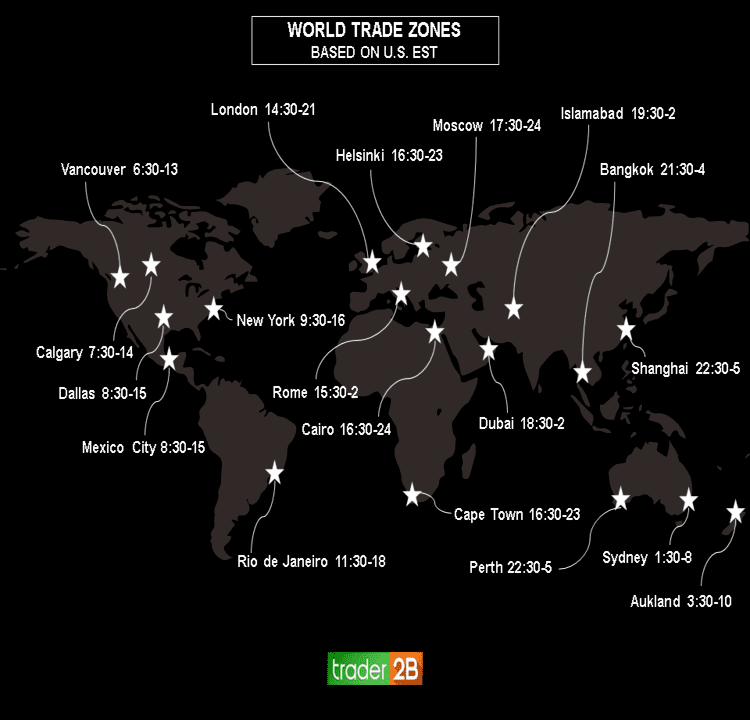
For investors located outside the Eastern Time zone, market hours require careful calculation. A trader in London sees the US market open at 2:30 PM local time, while a trader in Tokyo deals with a 10:30 PM or 11:30 PM open. Managing these time differences is crucial, especially during “Daylight Savings Time” transitions. The US shifts its clocks on different dates than Europe and other regions, which can temporarily shift the opening time by an hour for international participants.
Day Trading vs. Long-Term Positioning Based on Timing
Your investment strategy should dictate how much you care about the clock. A day trader may rely on the high-volume environment of the 9:30 AM open to scalp small profits from rapid price changes. In contrast, a long-term “buy and hold” investor might use “Dollar Cost Averaging” (DCA), where the specific time of day is less relevant than the consistency of the investment. However, even for long-term investors, avoiding the immediate volatility of the opening bell can result in better execution prices over time.
Technological and Economic Influences on Market Hours
The structure of US market hours is not static; it is influenced by evolving technology and the global economic landscape.
The Shift Toward 24/7 Trading Discussions
In recent years, there has been an increasing dialogue regarding the possibility of 24/7 or extended-session trading for US equities, similar to the cryptocurrency markets. Proponents argue that in a globalized economy, news happens at all hours, and investors should have the ability to manage risk immediately. Critics, however, point to concerns over overnight liquidity, the mental health of traders, and the potential for increased systemic instability. While the 24/7 model hasn’t been adopted by major exchanges yet, the rise of “overnight” trading sessions offered by some retail brokerages is a step in that direction.
Economic Reports and Their Timing Relative to Market Open
Major economic indicators—such as the Consumer Price Index (CPI), Gross Domestic Product (GDP) updates, and the Monthly Jobs Report—are typically released at 8:30 AM ET. This is exactly one hour before the market opens. This timing is intentional; it allows the market to digest the information and reflect it in pre-market pricing so that when the 9:30 AM bell rings, the “shocks” are somewhat mitigated. For investors, 8:30 AM is often the most volatile moment of the pre-market session, as it sets the trajectory for the entire trading day.

Conclusion
Knowing that the US stock market opens at 9:30 AM ET is only the first step in financial literacy. To truly navigate the markets successfully, an investor must understand the “ecosystem of time.” From the high-energy volatility of the opening cross to the strategic maneuvers of the after-hours session, every minute on the clock offers different risks and rewards. By aligning your trading activity with the market’s natural cycles of liquidity and volatility, you can make more informed decisions and better manage your capital in the pursuit of long-term financial growth.
aViewFromTheCave is a participant in the Amazon Services LLC Associates Program, an affiliate advertising program designed to provide a means for sites to earn advertising fees by advertising and linking to Amazon.com. Amazon, the Amazon logo, AmazonSupply, and the AmazonSupply logo are trademarks of Amazon.com, Inc. or its affiliates. As an Amazon Associate we earn affiliate commissions from qualifying purchases.