
For investors, traders, and anyone keen on the pulse of the global economy, knowing the precise operating hours of the US stock market is fundamental. The US market, predominantly represented by the New York Stock Exchange (NYSE) and NASDAQ, serves as a colossal engine driving much of the world’s financial activity. Understanding its opening and closing times, as well as the nuances of pre-market and after-hours trading, is not merely a matter of trivia; it’s a critical component of informed decision-making, risk management, and strategic investing. This comprehensive guide delves into the specifics of US market hours, exploring their implications for various market participants and offering insights into maximizing opportunities within these defined windows.
Understanding Standard US Stock Market Hours
The core of US stock market activity unfolds during a specific, well-defined period each weekday. These standard hours are when the vast majority of trading volume occurs, characterized by high liquidity and widespread participation from institutional and retail investors alike.
The Regular Trading Session
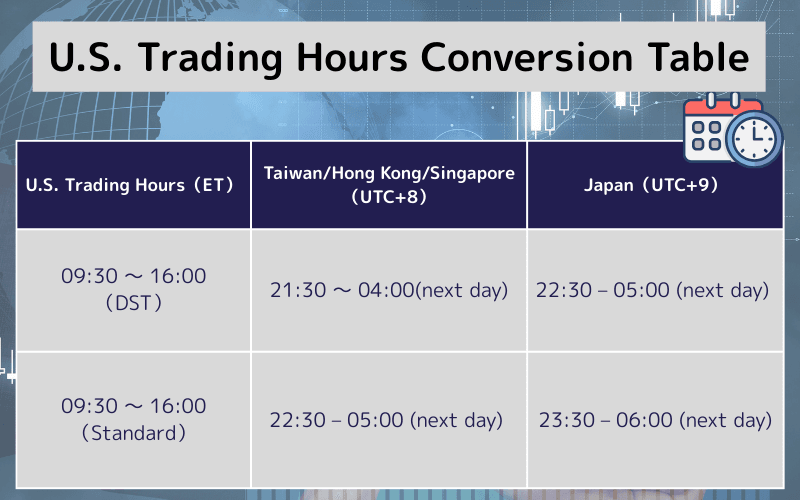
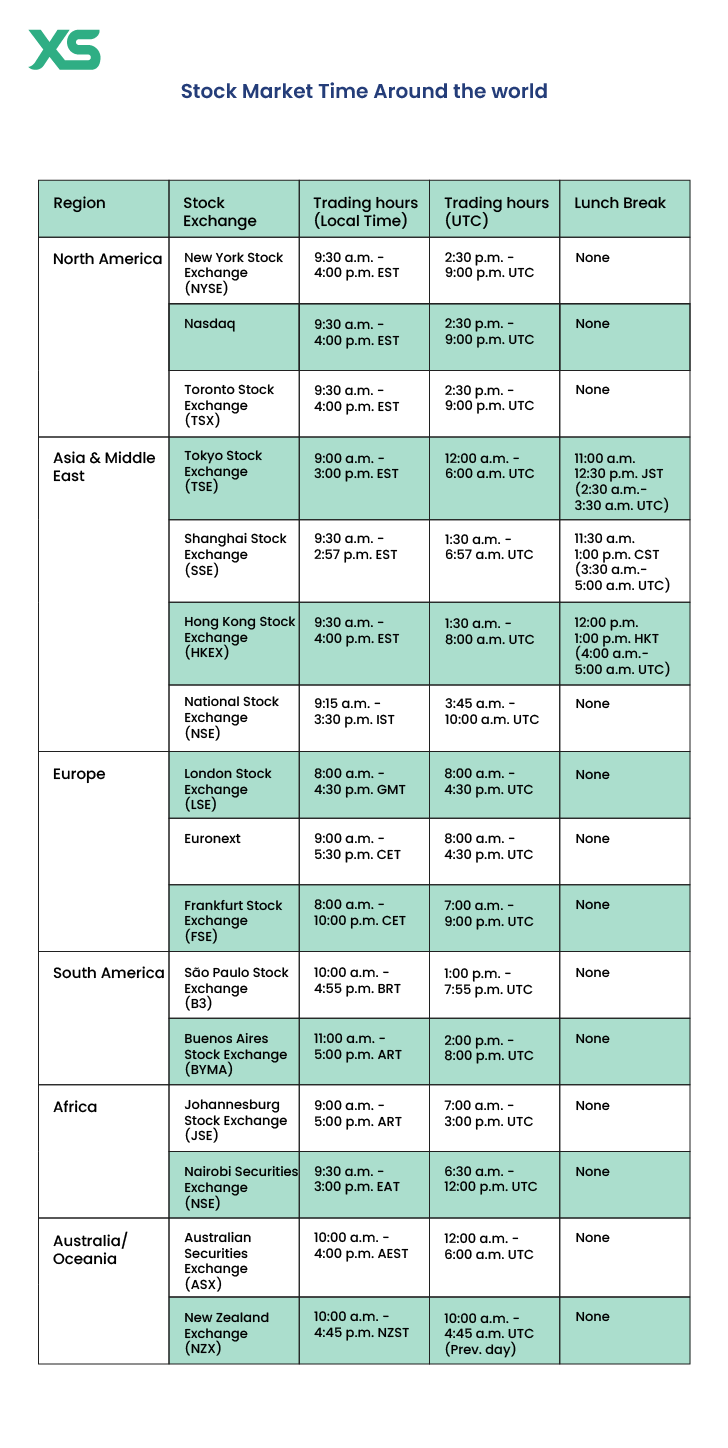
The primary US stock exchanges, including the New York Stock Exchange (NYSE) and the NASDAQ Stock Market, operate from 9:30 AM Eastern Time (ET) to 4:00 PM ET, Monday through Friday. This 6.5-hour window is often referred to as the “regular trading session” or “core trading hours.” During this period, buy and sell orders are executed, prices fluctuate based on supply and demand, and market news has its most immediate and pronounced impact.
- NYSE (New York Stock Exchange): Located on Wall Street, the NYSE is renowned for its auction market model, though it also integrates electronic trading. It lists many of the world’s largest and most established companies.
- NASDAQ (National Association of Securities Dealers Automated Quotations): A fully electronic exchange, NASDAQ is known for listing technology and growth companies. Its efficiency and speed make it a preferred venue for many modern traders.
Both exchanges adhere to the same 9:30 AM to 4:00 PM ET schedule for their regular trading sessions, ensuring consistency across the major US equity markets. It’s crucial for investors to remember that all times are quoted in Eastern Time, which means individuals in different time zones must adjust accordingly. For example, for someone on Pacific Time, the market opens at 6:30 AM PT and closes at 1:00 PM PT.
Beyond the Bell: Pre-Market Trading
While the regular session dictates the official market hours, trading doesn’t strictly begin or end with the traditional opening and closing bells. Modern electronic communication networks (ECNs) and alternative trading systems (ATSs) facilitate trading outside of these core hours. Pre-market trading typically commences as early as 4:00 AM ET and runs until the market opens at 9:30 AM ET.
- Characteristics of Pre-Market: Trading volume during this period is generally much lower than in the regular session, leading to reduced liquidity and potentially wider bid-ask spreads. Prices can be more volatile, as fewer participants mean a single large order can significantly impact a stock’s valuation.
- Why Trade Pre-Market? Investors might engage in pre-market trading to react to news released before the official open, such as earnings reports or economic data, or to execute trades ahead of anticipated market moves. It offers an early opportunity to position oneself, but comes with increased risk due to lower liquidity.
After-Hours Trading
Just as trading extends before the open, it also continues after the official close. After-hours trading typically runs from 4:00 PM ET until 8:00 PM ET, though some platforms may offer an even shorter or longer window.
- Characteristics of After-Hours: Similar to pre-market, after-hours trading is characterized by lower volume and liquidity. Significant company announcements, such as unexpected mergers, acquisitions, or regulatory changes, are often released after the market closes, driving activity in this session.
- Considerations: While after-hours trading provides flexibility, the same risks of lower liquidity and higher volatility apply. It’s often used by institutional traders or sophisticated retail investors who have the tools and experience to navigate these less liquid conditions. For most retail investors, the regular trading session offers the most robust and predictable environment.
The Impact of Market Hours on Trading Strategies
The different phases of market hours — pre-market, regular, and after-hours — present unique challenges and opportunities, influencing various trading strategies and investor approaches.
Volatility and Liquidity Dynamics
The regular trading session, particularly the first and last hours, is known for its heightened volatility and robust liquidity.
- The Opening Bell (9:30 AM ET – 10:30 AM ET): The initial hour of trading often sees the highest volume and volatility of the day. This is when market participants react to overnight news, pre-market developments, and economic data released before the open. Large institutional orders that have accumulated overnight are executed, leading to sharp price movements. Day traders often focus on this period due to the potential for quick profits, but it also carries significant risk.
- Mid-Day Lull (Approx. 11:00 AM ET – 3:00 PM ET): The middle hours of the trading day typically see a reduction in volume and volatility. Many day traders may take a break, and the market tends to consolidate or trend more predictably. This period might be preferred by investors looking for less frenetic conditions to execute larger orders without causing undue price impact.
- The Closing Bell (3:00 PM ET – 4:00 PM ET): Similar to the opening hour, the final hour of trading often experiences a surge in volume and volatility. Traders might be closing out positions, institutional investors might be rebalancing portfolios, or news released late in the day can trigger rapid adjustments. This “power hour” can present both opportunities and risks, as prices can move dramatically in a short span.
Adapting to Different Investor Profiles
Understanding market hours allows investors to tailor their strategies to their risk tolerance and investment goals.
- Long-Term Investors: For those focused on long-term growth or value investing, the precise minute-by-minute fluctuations of market hours are less critical. They are more concerned with a company’s fundamentals, macroeconomic trends, and holding periods that span months or years. While they might place orders during regular hours, they are less concerned with intra-day volatility.
- Swing Traders: Swing traders aim to capture short-to-medium term gains over a few days or weeks. They often analyze daily charts and may enter/exit positions during the regular session, less concerned with pre-market or after-hours extremes, unless significant news directly impacts their holdings.
- Day Traders: These traders operate within a single trading day, entering and exiting positions before the market closes. For them, the minute-to-minute dynamics of the regular session, especially the opening and closing hours, are paramount. They rely heavily on technical analysis and rapid execution to capitalize on intra-day price movements. They may also dabble in pre-market or after-hours if they have specific strategies for those low-liquidity environments.
Key Factors Influencing Market Hours and Holidays
While the 9:30 AM to 4:00 PM ET schedule is standard, there are several exceptions and nuances that investors must be aware of.
Public Holidays and Early Closures
The US stock markets observe several national holidays, during which they remain completely closed. Additionally, some trading days precede or follow a holiday, leading to early closures.
- Full Market Closures (Example Holidays):
- New Year’s Day
- Martin Luther King, Jr. Day
- Presidents’ Day
- Good Friday
- Memorial Day
- Juneteenth National Independence Day
- Independence Day
- Labor Day
- Thanksgiving Day
- Christmas Day
- Early Closures: On certain days, such as the day after Thanksgiving (Black Friday) or Christmas Eve (when it falls on a weekday), the market may close early, typically at 1:00 PM ET. It is crucial to consult the official holiday schedule published by the NYSE and NASDAQ at the beginning of each year. Failure to do so can lead to missed trading opportunities or unexpected delays in order execution.
Daylight Saving Time Adjustments
The US observes Daylight Saving Time (DST), which can impact international investors or those who rely on fixed clock times in their local zone. While the official 9:30 AM to 4:00 PM ET remains constant, the conversion to other time zones will shift twice a year.
- When the US switches to DST in the spring, clocks move forward one hour.
- When the US switches back from DST in the fall, clocks move back one hour.
These changes primarily affect investors outside the Eastern Time zone, who must recalibrate their understanding of when the market opens and closes in relation to their local time. For instance, if an investor in London typically sees the market open at 2:30 PM GMT, this might shift to 1:30 PM GMT for a period due to differing DST schedules between the US and UK.
Beyond Equities: Other US Market Hours
While the focus often defaults to stocks, the US financial landscape encompasses a broader range of markets, each with its own operating hours.
Bond Market Hours
The US bond market, particularly for Treasury securities, generally operates on a slightly different schedule than equities. Typically, the bond market opens at 8:00 AM ET and closes at 5:00 PM ET. However, trading can begin even earlier for certain institutional participants. Liquidity tends to be highest during the core overlap with the equity market. Bond markets also observe different holiday schedules, sometimes remaining open when equity markets are closed, or vice-versa. For example, the bond market often has an early close on days when the stock market is fully closed.
Commodity Market Hours
Commodities, such as oil, gold, natural gas, and agricultural products, are traded on various exchanges like the New York Mercantile Exchange (NYMEX) and the Chicago Board of Trade (CBOT), both part of the CME Group. These markets often have extended electronic trading hours, spanning nearly 24 hours a day, five days a week, with short breaks. For instance, crude oil futures might trade from Sunday evening through Friday afternoon, with a daily maintenance break. Specific contracts will have their own precise schedules, which are crucial for traders in these volatile assets.
Forex Market Hours (24/5)
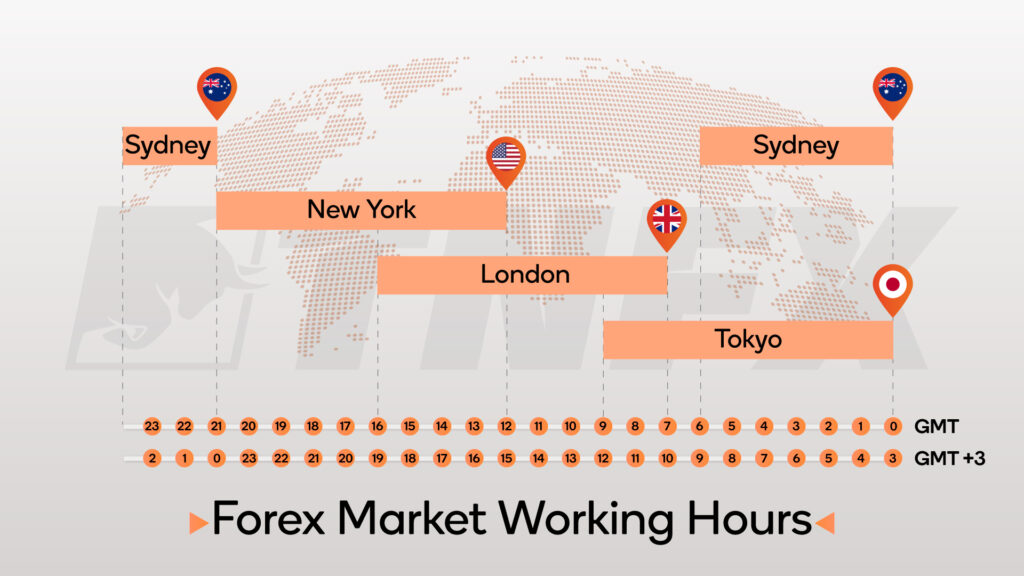
The foreign exchange (Forex or FX) market, where currencies are traded, is unique in its global, decentralized nature. It operates virtually 24 hours a day, five days a week, closing only for the weekend. This continuous operation is due to the sequential opening and closing of major financial centers around the world (Sydney, Tokyo, London, New York). As one market closes, another opens, ensuring constant liquidity. While the “US session” (overlapping with New York market hours) is a significant period for trading the USD, the market itself doesn’t have a single “open” or “close” in the same way equities do.
Best Practices for Navigating Market Hours
Staying informed and adopting smart practices can significantly enhance an investor’s ability to navigate the complexities of market hours.
Staying Informed and Prepared
- Official Sources: Always refer to the official websites of the NYSE and NASDAQ for their definitive holiday and trading hours schedules. Brokerage firms also typically publish these schedules.
- Time Zone Awareness: Consistently convert Eastern Time (ET) to your local time zone to avoid errors in trade timing.
- News Alerts: Set up alerts for economic data releases, earnings announcements, and major company news, as these often drive significant price action, especially around opening and closing bells, and during pre-market/after-hours sessions.
Leveraging Technology and Tools
- Advanced Order Types: Utilize order types like limit orders, stop-loss orders, and stop-limit orders, especially when trading during less liquid periods. These can help manage risk and ensure trades are executed at desired price levels, rather than falling victim to wider spreads or sudden price swings.
- Real-Time Data: Access to real-time market data is invaluable. Delayed data can lead to poor decisions, particularly in fast-moving markets. Many brokerage platforms offer real-time data to active traders.
- Trading Platforms: Become proficient with your brokerage’s trading platform. Understand how to place orders quickly, monitor positions, and set alerts, especially for pre-market and after-hours trading where speed can be critical.
Risk Management is Paramount
- Assess Liquidity: Be acutely aware of the lower liquidity in pre-market and after-hours sessions. Trades executed during these times can experience significant slippage (the difference between the expected price and the price at which the trade is actually executed).
- Volatility Awareness: The heightened volatility at the open and close of the regular session, as well as in extended hours, means prices can move rapidly against your position. Use appropriate position sizing and stop-loss orders to protect capital.
- Avoid Over-Trading: For many investors, particularly beginners, focusing on the highly liquid and more predictable regular trading session is the safest approach. Resisting the urge to constantly trade outside these hours can prevent unnecessary losses.
In conclusion, the US market’s operating hours are far more intricate than a simple opening and closing bell. From the high-octane energy of the regular session to the strategic plays in extended hours and the continuous flow of global markets, each segment presents a unique environment. A thorough understanding of these rhythms, coupled with diligent preparation and robust risk management, empowers investors to make more informed decisions and navigate the dynamic world of finance with greater confidence and success.
aViewFromTheCave is a participant in the Amazon Services LLC Associates Program, an affiliate advertising program designed to provide a means for sites to earn advertising fees by advertising and linking to Amazon.com. Amazon, the Amazon logo, AmazonSupply, and the AmazonSupply logo are trademarks of Amazon.com, Inc. or its affiliates. As an Amazon Associate we earn affiliate commissions from qualifying purchases.