
For investors and traders globally, the opening bell of the U.S. stock market represents the pulse of global capitalism. Whether you are a long-term value investor or a high-frequency day trader, understanding the specific operating hours of the major U.S. exchanges is fundamental to executing a successful financial strategy. While the short answer is that the markets typically open at 9:30 AM Eastern Time, the reality of modern finance is much more nuanced, involving extended sessions, holiday schedules, and strategic windows of liquidity.
Understanding Standard Trading Hours in the United States
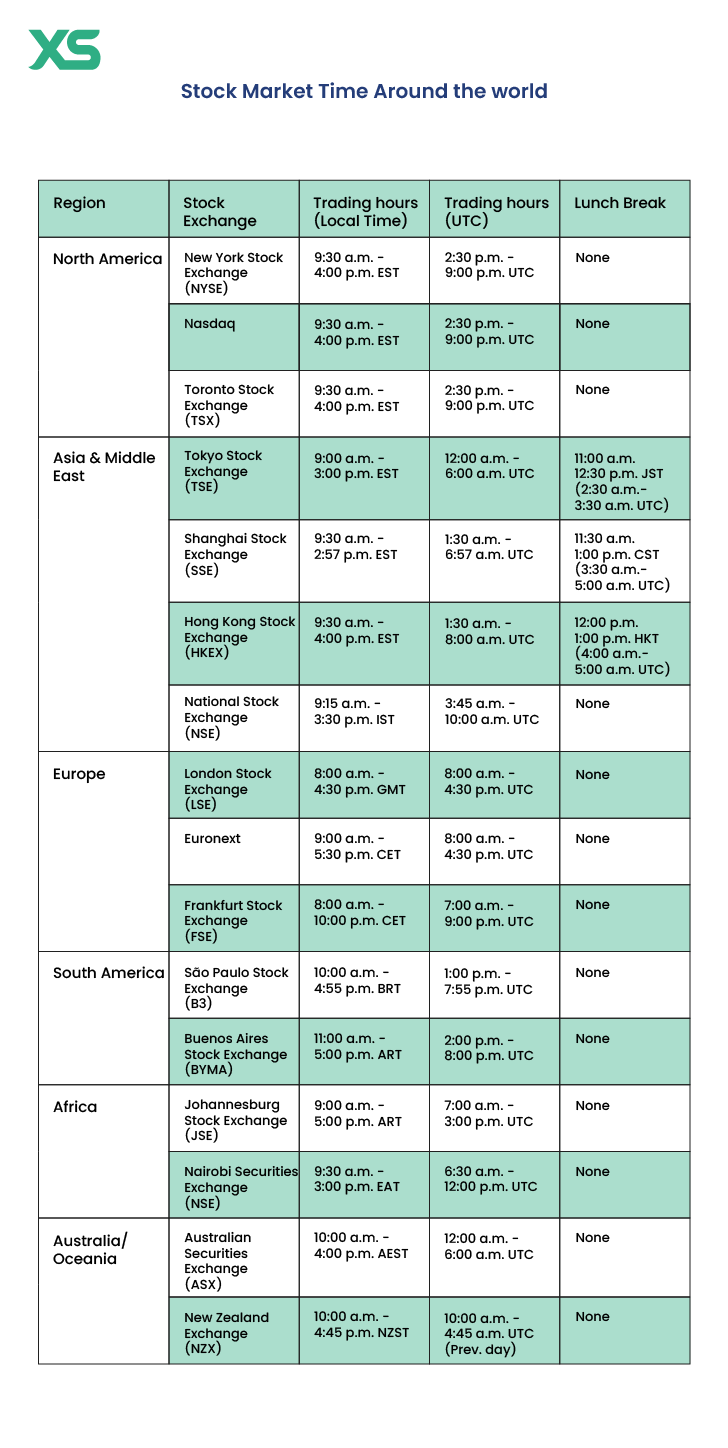
The primary U.S. stock exchanges—the New York Stock Exchange (NYSE) and the Nasdaq Stock Market (Nasdaq)—operate on a standardized schedule that provides a central window of liquidity for participants. This period is often referred to as “core trading hours” or the “regular session.”
The Core Session: 9:30 AM to 4:00 PM ET
The standard trading day begins at exactly 9:30 AM Eastern Time (ET) and concludes at 4:00 PM ET. This six-and-a-half-hour window is when the vast majority of trading volume occurs. During these hours, the market is at its most liquid, meaning there are plenty of buyers and sellers available, which typically results in narrower bid-ask spreads and more stable pricing for individual stocks.
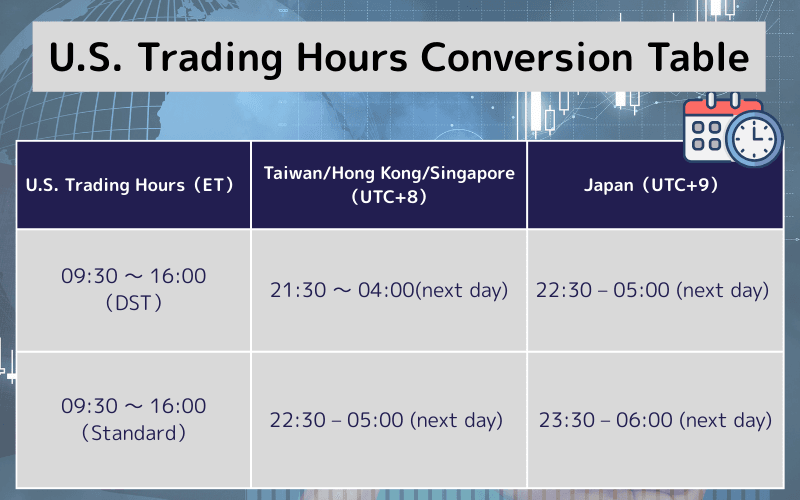
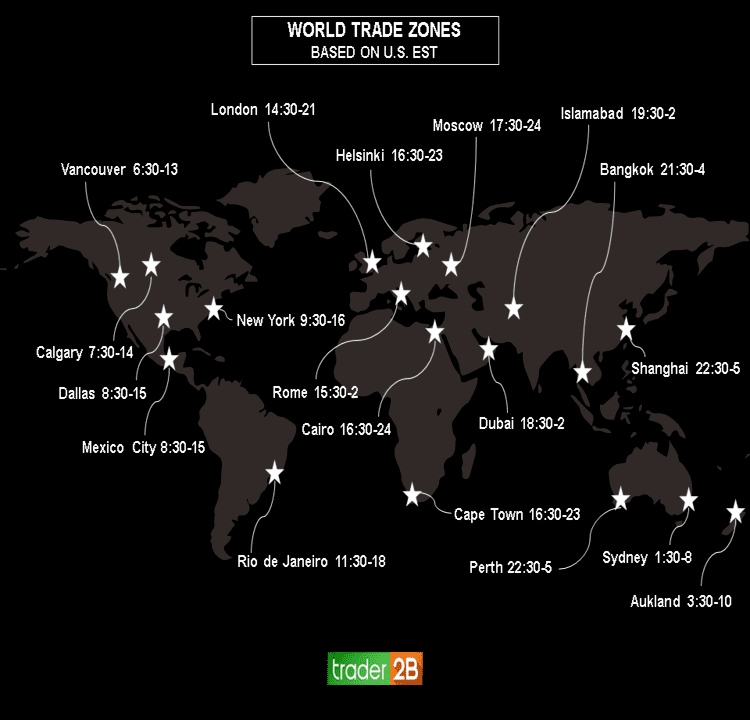
For those living outside the Eastern Time Zone, it is crucial to adjust for local time. For instance, an investor in Los Angeles sees the market open at 6:30 AM PT, while a trader in London observes the opening at 2:30 PM GMT. Because the U.S. financial infrastructure is centered in New York City, the Eastern Time Zone dictates the rhythm of the entire domestic financial system.
Why Eastern Time Governs the Market
The historical dominance of Wall Street in Manhattan is the reason for the Eastern Time focus. Even in an era of decentralized, cloud-based trading servers located in New Jersey and Chicago, the cultural and administrative heart of the U.S. financial sector remains in New York. All official exchange announcements, economic data releases from the Department of Labor or the Federal Reserve, and corporate earnings calls are generally scheduled around this Eastern Time framework.
The Role of the NYSE and Nasdaq
While there are other smaller exchanges and alternative trading systems, the NYSE and Nasdaq are the giants that define the market open. The NYSE, known for its iconic physical floor and the ringing of the opening bell, uses a human-augmented electronic system. In contrast, the Nasdaq is a completely electronic exchange. Despite their structural differences, both adhere strictly to the 9:30 AM to 4:00 PM schedule for their regular sessions, ensuring a unified front for American equity trading.
Beyond the Bell: Pre-Market and After-Hours Trading
In the modern digital age, trading is not strictly confined to the 9:30 AM to 4:00 PM window. Electronic Communication Networks (ECNs) allow for “Extended-Hours Trading,” which consists of pre-market and after-hours sessions. While these sessions offer flexibility, they come with a different set of rules and risks that every investor must understand.
How Extended Hours Trading Works
Pre-market trading in the U.S. can begin as early as 4:00 AM ET, though the bulk of the activity starts around 8:00 AM ET. After-hours trading begins immediately following the closing bell at 4:00 PM ET and can continue until 8:00 PM ET.
During these sessions, trades are matched electronically. Most retail brokerages allow their clients to participate in extended hours, though some may require investors to agree to specific risk disclosures. It is important to note that not all stocks are active during these times; usually, only high-volume stocks or those affected by immediate news see significant action.
Risks and Rewards of Trading Outside Standard Hours
The primary advantage of extended-hours trading is the ability to react immediately to news. Since many companies release their quarterly earnings reports either before the market opens or after it closes, extended sessions allow investors to trade on that information before the next day’s regular open.
However, the risks are substantial:
-
Lower Liquidity: There are far fewer participants trading at 6:00 AM than at 10:30 AM. This can lead to “thin” markets where it is difficult to enter or exit a position at a desired price.
-
Wide Bid-Ask Spreads: Due to lower liquidity, the difference between the buying price and the selling price can be much wider, potentially eating into profits or deepening losses.
-
High Volatility: Prices can swing wildly on low volume, meaning a small trade can have an outsized impact on a stock’s price.
Institutional vs. Retail Participation
Historically, extended hours were the playground of institutional investors and hedge funds. Today, retail platforms have democratized access, but the playing field is not necessarily level. Large institutions often have access to more sophisticated algorithms and faster data feeds, which can be particularly advantageous in the fragmented environment of pre-market and after-hours sessions.
The Significance of Market Holidays and Early Closures
The U.S. stock market does not operate 365 days a year. It follows a strict calendar of federal holidays and occasional early closures that investors must account for when planning their trades and managing their portfolios.
Federal Holidays and Exchange Closures
The NYSE and Nasdaq close in observance of several major holidays throughout the year. These typically include:
-
New Year’s Day
-
Martin Luther King, Jr. Day
-
Washington’s Birthday (Presidents’ Day)
-
Good Friday
-
Memorial Day
-
Juneteenth National Independence Day
-
Independence Day
-
Labor Day
-
Thanksgiving Day
-
Christmas Day
If a holiday falls on a Saturday, the market usually closes on the preceding Friday. If it falls on a Sunday, the market closes on the following Monday. Being aware of these dates is essential for managing margin requirements and avoiding the risk of being stuck in a position over a long weekend when global news might affect market sentiment.
Early Close Days: Black Friday and Christmas Eve
In addition to full closures, the U.S. market observes “early close” days. Traditionally, the day after Thanksgiving (Black Friday) and Christmas Eve (if it falls on a weekday) see the market close at 1:00 PM ET. These days are characterized by very low trading volume as many professional traders take time off, leading to “quiet” markets that can sometimes experience erratic movements if unexpected news breaks.
Staying Informed with the Market Calendar
For serious investors, keeping a financial calendar is a prerequisite. Beyond holiday closures, this calendar should include dates for Federal Open Market Committee (FOMC) meetings, where interest rate decisions are announced, as these events can cause “volatility spikes” that rival the intensity of an opening bell.
Strategic Timing: When is the Best Time to Trade?
Knowing when the market opens is only the first step; understanding the behavior of the market at different times of the day is what separates successful investors from the rest. The market exhibits different characteristics during its various “phases.”
The Opening Bell Volatility
The first 30 to 60 minutes after 9:30 AM ET are often the most volatile. This period represents the “price discovery” phase, where the market absorbs all the news that occurred overnight—from international market movements to corporate press releases. For novice investors, this can be a dangerous time to trade because prices can move rapidly in both directions. However, for experienced day traders, this volatility provides the necessary price action to find profit opportunities.
The “Lunchtime Lull”
From roughly 12:00 PM to 1:30 PM ET, trading volume typically thins out as floor traders and institutional professionals take lunch breaks. During this “midday lull,” the market often moves sideways with less conviction. This is generally considered a poor time to execute large trades, as the lack of volume can lead to less favorable pricing.
The Final Hour: The Power Hour and Closing Auction
The final hour of trading, from 3:00 PM to 4:00 PM ET, is known as the “Power Hour.” Volume surges as institutional investors rebalance their portfolios and day traders close out their positions to avoid “overnight risk.”
The final minutes are particularly critical due to the “Closing Auction.” This is a process where the exchanges determine the official closing price of a stock by matching as many buy and sell orders as possible at a single price. Many mutual funds and ETFs are required to trade at the closing price, making this the most liquid moment of the entire day.
Global Impact and the Interconnected Financial World
The U.S. stock market does not exist in a vacuum. Its opening and closing times are part of a global relay race of capital that moves across time zones.
Overlap with European and Asian Markets
One of the most important periods for U.S. traders is the morning overlap with European markets. The London Stock Exchange, for example, is open until 11:30 AM ET. During the two hours between 9:30 AM and 11:30 AM, liquidity is often at its peak because both American and European institutions are active simultaneously. Conversely, the U.S. open occurs long after Asian markets like Tokyo and Hong Kong have closed, though U.S. futures are heavily influenced by the previous night’s activity in those regions.
Economic Indicators and Their Release Schedules
The timing of the market open is also synchronized with the release of critical economic data. Most major U.S. economic reports—such as the Consumer Price Index (CPI) or the Monthly Jobs Report—are released at 8:30 AM ET, exactly one hour before the market opens. This gives the pre-market session time to react and sets the tone for the 9:30 AM regular session.
Preparing Your Portfolio for Market Open
Successful wealth management involves preparation before the 9:30 AM bell rings. This includes reviewing overnight futures, checking for earnings surprises, and setting “limit orders” rather than “market orders” to protect against the opening volatility. By understanding not just the time the market opens, but the mechanics and psychology behind those hours, investors can better position themselves to navigate the complexities of the financial markets and build long-term wealth.
aViewFromTheCave is a participant in the Amazon Services LLC Associates Program, an affiliate advertising program designed to provide a means for sites to earn advertising fees by advertising and linking to Amazon.com. Amazon, the Amazon logo, AmazonSupply, and the AmazonSupply logo are trademarks of Amazon.com, Inc. or its affiliates. As an Amazon Associate we earn affiliate commissions from qualifying purchases.