
For the modern investor, the clock is just as important as the ticker symbol. Whether you are a day trader looking to capitalize on late-day volatility or a long-term investor checking your retirement portfolio, the question “What time does the US stock market close today?” is the starting point for a much deeper conversation about liquidity, strategy, and global finance.
In the United States, the primary stock exchanges—the New York Stock Exchange (NYSE) and the Nasdaq—operate on a synchronized schedule. The US stock market closes at 4:00 PM Eastern Time (ET) on standard business days. However, for those looking to master their personal finances and investment strategies, the “close” is not a singular event, but the culmination of a complex daily cycle.
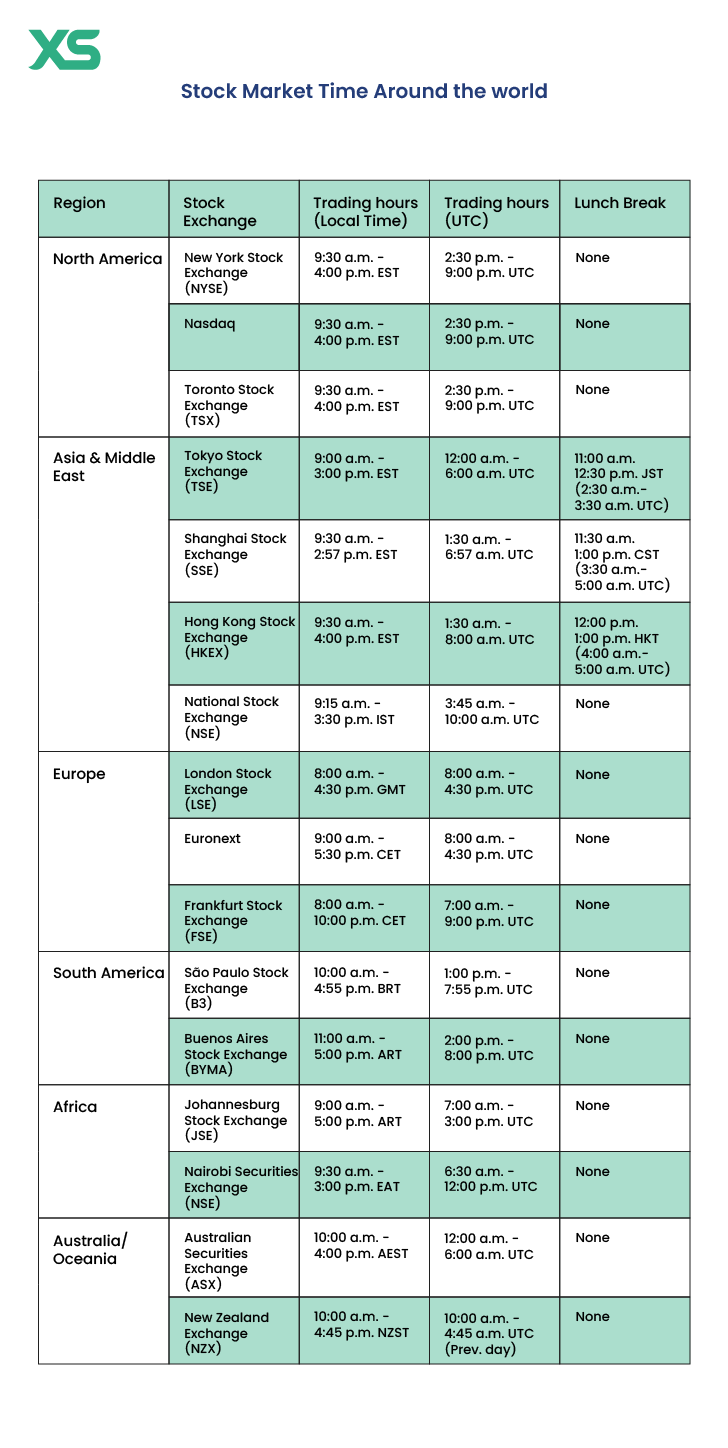
Understanding Standard Trading Hours and the Regulatory Framework
The 4:00 PM ET closing bell is a cornerstone of global finance. It signals the end of the “Regular Trading Session,” a six-and-a-half-hour window where the vast majority of stock trading volume occurs. This window is designed to concentrate liquidity, ensuring that buyers and sellers can find each other easily and trade at fair, transparent prices.
The Core Session: 9:30 AM to 4:00 PM ET
The regular session begins at 9:30 AM ET. For investors on the West Coast, this means an early start at 6:30 AM PT. This window is when institutional investors, mutual funds, and retail traders are most active. The “Opening Bell” and the “Closing Bell” are more than just ceremonial; they represent the official start and end of the continuous auction process for thousands of publicly traded companies.
Time Zones and Global Coordination
While the markets are physically located in New York, their influence is global. The US market hours are structured to overlap with the tail end of European market sessions and provide a handoff to Asian markets later in the evening. For investors, understanding that all quoted times are in Eastern Time is crucial for avoiding costly errors in order execution, especially for those managing international portfolios.
Exchange Variations: NYSE vs. Nasdaq
While both the NYSE and Nasdaq share the same 9:30 AM to 4:00 PM window, their closing mechanisms differ slightly. The NYSE utilizes a “Closing Auction” managed by Designated Market Makers (DMMs) to determine the final closing price of a stock. The Nasdaq uses a “Closing Cross,” an electronic process that matches buy and sell orders. Both systems are designed to handle the massive surge in volume that typically occurs in the final seconds of the trading day.
Beyond the Bell: The World of Extended-Hours Trading
The 4:00 PM close does not mean that trading stops entirely. In the digital age, “Money” never truly sleeps. Extended-hours trading allows investors to react to news that breaks outside of the standard window, such as corporate earnings reports or geopolitical events.
After-Hours Trading: 4:00 PM to 8:00 PM ET
Immediately following the closing bell, the after-hours session begins. This session typically runs until 8:00 PM ET. This period is particularly vital for the “Money” niche because most major corporations release their quarterly earnings results shortly after 4:00 PM. An investor who understands after-hours dynamics can react to a positive earnings surprise before the market opens the following morning.
Pre-Market Trading: 4:00 AM to 9:30 AM ET
On the other side of the clock, pre-market trading begins as early as 4:00 AM ET. While volume is generally thin during these early hours, it picks up significantly around 8:00 AM ET as institutional players begin positioning themselves for the day ahead. For retail investors, pre-market trading can be a way to “get ahead” of a trend, but it comes with unique risks.
The Risks and Rewards of Post-Market Orders
While extended-hours trading offers flexibility, it is not without peril. The primary risks include lower liquidity (fewer buyers and sellers) and higher volatility. Spreads—the difference between the bid and ask price—tend to widen, meaning you might pay more to buy a stock or receive less when selling it. For disciplined personal finance management, it is often recommended that retail investors stick to “Limit Orders” during these times to avoid being caught in sudden price swings.
Market Holidays and Early Closures: Planning Your Financial Calendar
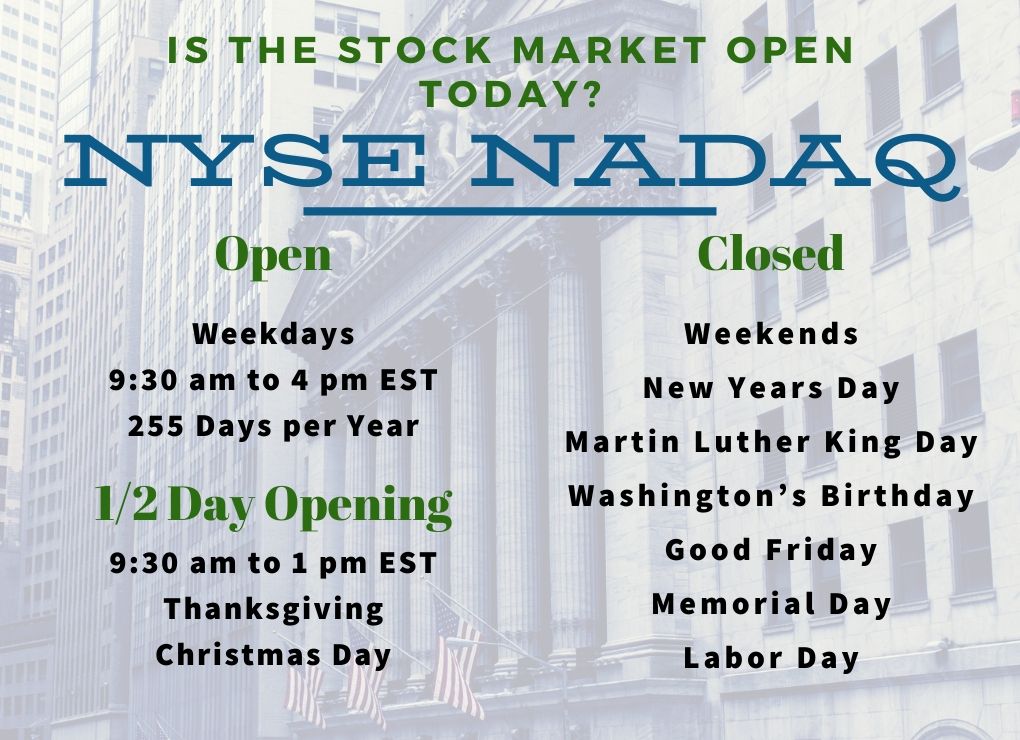
When asking “What time does the US stock market close today?”, one must also consider the calendar. The US market follows a specific schedule of federal holidays and early-close days that can catch unprepared investors off guard.
Understanding the NYSE/NASDAQ Holiday Schedule
The US stock markets are closed on several key holidays throughout the year, including New Year’s Day, Martin Luther King Jr. Day, Presidents’ Day, Good Friday, Memorial Day, Juneteenth, Independence Day, Labor Day, Thanksgiving, and Christmas. If a holiday falls on a weekend, the market typically closes on the closest Friday or Monday. For anyone managing a business finance strategy, knowing these “dark days” is essential for cash flow planning.
Early Closing Protocols: The 1:00 PM ET Days
On certain days—most notably the day after Thanksgiving (Black Friday) and sometimes Christmas Eve—the US stock market closes early at 1:00 PM ET. These shortened sessions often see “thin” trading volume, as many institutional traders take the day off. However, this lack of volume can sometimes lead to unexpected price movements, making it a period where cautious investors stay on the sidelines.
Circuit Breakers and Emergency Halts
In rare instances of extreme market stress, the market may close or “halt” during normal hours. These are known as “Circuit Breakers.” If the S&P 500 drops by 7% (Level 1) or 13% (Level 2) from the previous day’s close, trading is halted for 15 minutes. If it drops by 20% (Level 3), the market closes for the remainder of the day. These mechanisms are designed to prevent panic selling and allow investors to digest information during periods of high volatility.
Why Timing Matters: Strategic Investing for the Modern Trader
Successful investing is not just about what you buy, but when you execute. The timing of the market close plays a psychological and mathematical role in price discovery.
High Volatility Periods: The Open and The Close
The first and last 30 minutes of the trading day are often the most volatile. The “Closing Range” is when institutional funds rebalance their portfolios and “Market on Close” (MOC) orders are executed. For a long-term investor, buying in the middle of the day (when volatility is lower) might result in a more stable entry price. Conversely, for those looking to capitalize on momentum, the closing hour provides the necessary liquidity for large moves.
The Impact of Earnings Reports and Economic Data
Most market-moving economic data, such as the Consumer Price Index (CPI) or employment reports, are released at 8:30 AM ET, before the market opens. Similarly, earnings are released after the close. Understanding this timing allows you to prepare your personal finance strategy. If you know a company you own is reporting after the close today, you can decide whether to hold through the volatility or trim your position during the regular session.
Navigating Liquidity in Different Time Blocks
Liquidity refers to how easily an asset can be converted to cash without affecting its price. Liquidity is at its peak right before the 4:00 PM close. For individuals managing business finance or large personal portfolios, executing large trades during peak liquidity reduces “slippage”—the difference between the expected price of a trade and the price at which the trade is actually executed.
Tools and Resources for Tracking Market Activity
To stay ahead in the world of money and investing, you need the right tools to monitor market hours and real-time fluctuations.
Financial Apps and Real-Time Alerts
Most modern brokerage apps (such as Fidelity, Schwab, or Vanguard) provide real-time countdowns to the market close. Setting up push notifications for “Market Close” or “Early Close” alerts can ensure you are never caught off guard by a holiday or a shortened session.
Professional Terminals vs. Retail Platforms
While professional traders use Bloomberg Terminals or Reuters Eikon to track the “Closing Cross” in real-time, retail investors can use platforms like Yahoo Finance or Google Finance to see after-hours movements. These tools are essential for anyone who treats their investing as a serious component of their side hustle or primary income.

Integrating Timing into Your Personal Finance Routine
The best way to use information about market hours is to build a routine. Check the market status at 9:00 AM ET to prepare for the open, and review your positions at 3:30 PM ET to decide if any action is needed before the 4:00 PM close. By aligning your financial decisions with the rhythm of the US stock market, you move from being a reactive participant to a proactive strategist.
In summary, while the simple answer to “What time does the US stock market close today?” is 4:00 PM ET, the implications of that closing bell reach into every corner of your financial life. From the high-stakes environment of after-hours trading to the quiet lulls of early-holiday closes, understanding the clock is the first step toward mastering your money.
aViewFromTheCave is a participant in the Amazon Services LLC Associates Program, an affiliate advertising program designed to provide a means for sites to earn advertising fees by advertising and linking to Amazon.com. Amazon, the Amazon logo, AmazonSupply, and the AmazonSupply logo are trademarks of Amazon.com, Inc. or its affiliates. As an Amazon Associate we earn affiliate commissions from qualifying purchases.