
For anyone navigating the complex world of investments, understanding the operational hours of financial markets is not merely a logistical detail; it’s a fundamental aspect of strategic planning, risk management, and effective trade execution. The United States boasts some of the world’s largest and most influential financial markets, with their opening and closing times dictating the rhythm of global finance. Knowing these hours, including standard sessions, extended trading periods, and holidays, is crucial for both seasoned professionals and nascent investors looking to optimize their market engagement and avoid costly missteps. This comprehensive guide will demystify the timing of the US market, providing an insightful look into its various facets and their implications for your financial decisions.
Understanding Standard US Market Hours
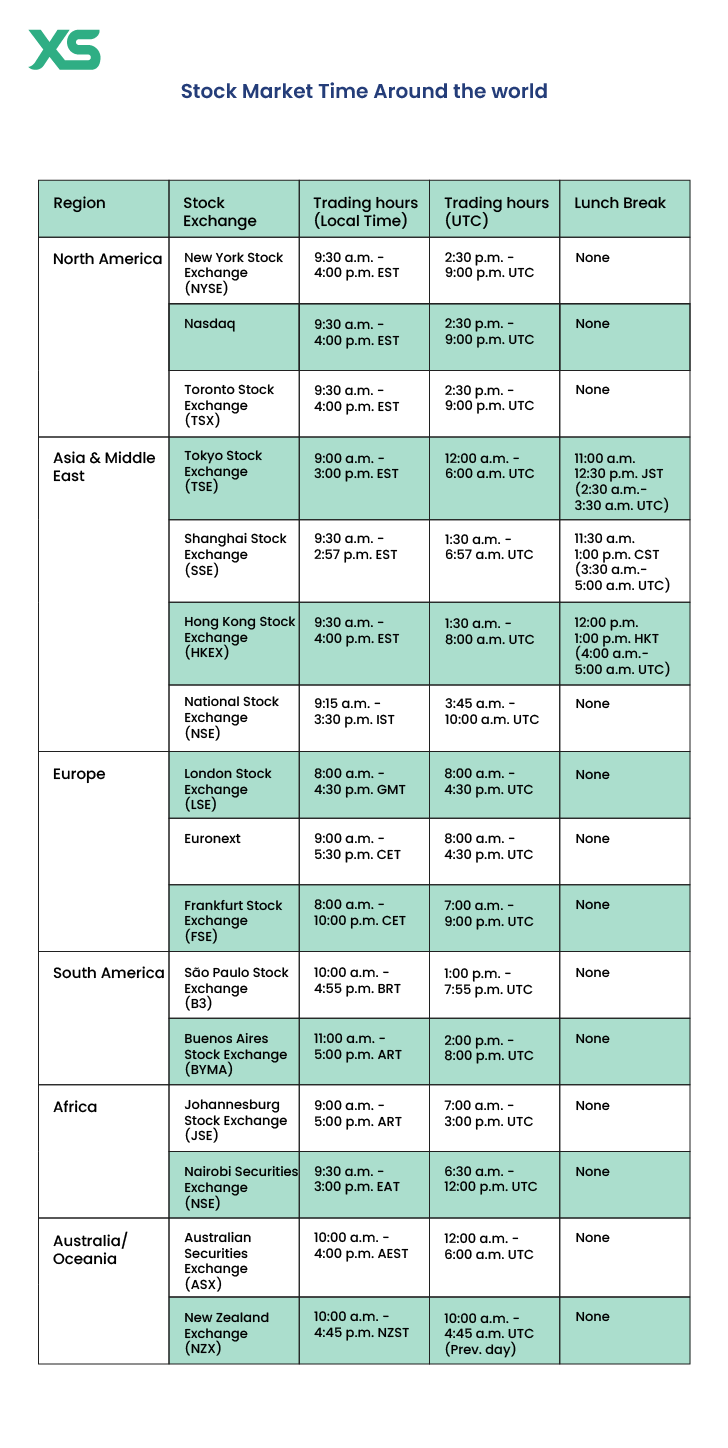
The core of US stock market activity revolves around two primary exchanges: the New York Stock Exchange (NYSE) and the Nasdaq Stock Market. While distinct in their histories and listing criteria, they largely operate under a unified schedule for regular trading.
The New York Stock Exchange (NYSE) and Nasdaq
The regular trading session for both the NYSE and Nasdaq begins promptly at 9:30 AM Eastern Time (ET) and concludes at 4:00 PM ET, Monday through Friday. This six-and-a-half-hour window represents the most liquid and active period for trading stocks, exchange-traded funds (ETFs), and other publicly traded securities. During these hours, millions of transactions occur, driven by a confluence of economic news, corporate announcements, analyst ratings, and investor sentiment.
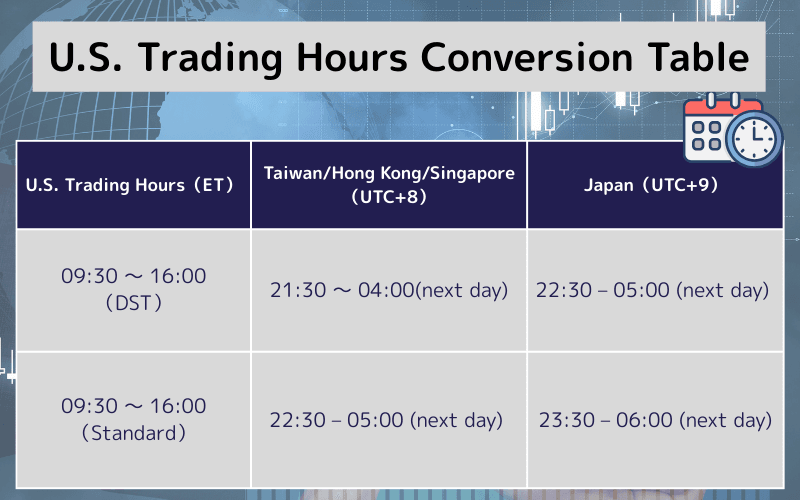
It is imperative for investors, especially those located outside the Eastern Time zone, to always refer to ET when considering US market hours. For instance, an investor on the West Coast (Pacific Time) would see the market open at 6:30 AM PT and close at 1:00 PM PT, while someone in London (Greenwich Mean Time) would observe an opening at 2:30 PM GMT and a closing at 9:00 PM GMT. Many online brokerage platforms automatically adjust these times to the user’s local time zone, but always double-check to ensure accuracy, particularly when setting alerts or planning trades around critical market events.
Weekends and Holidays
The US stock markets, like most global exchanges, observe a five-day trading week, meaning they are closed on Saturdays and Sundays. This weekend closure provides a necessary pause for investors to reassess positions, digest news, and prepare for the upcoming week without the pressure of live market fluctuations.
In addition to weekends, US markets also close for a selection of federal holidays. These holidays are typically static, though some may shift slightly depending on the day of the week they fall on, or if they are observed on a Monday for a weekend holiday. Key holidays when the US stock market is closed include:
- New Year’s Day (January 1st)
- Martin Luther King, Jr. Day (Third Monday in January)
- Presidents’ Day / Washington’s Birthday (Third Monday in February)
- Good Friday (Friday before Easter Sunday)
- Memorial Day (Last Monday in May)
- Juneteenth National Independence Day (June 19th)
- Independence Day (July 4th)
- Labor Day (First Monday in September)
- Thanksgiving Day (Fourth Thursday in November)
- Christmas Day (December 25th)
It’s also worth noting that the market sometimes observes early closures on specific days, such as the day before Independence Day if it falls on a weekday, or the day after Thanksgiving (Black Friday), when trading often concludes at 1:00 PM ET. These adjusted schedules are usually announced well in advance by the exchanges. Awareness of these closures is vital to avoid missed opportunities or unexpected delays in executing trades or accessing funds.
Beyond Standard Hours: Pre-Market and After-Hours Trading
While the 9:30 AM to 4:00 PM ET window defines the regular trading session, the market’s activity extends beyond these boundaries through pre-market and after-hours trading sessions. These extended hours offer opportunities but also present unique challenges for investors.
What is Pre-Market Trading?
Pre-market trading refers to the period before the official market open. For the NYSE and Nasdaq, this session typically runs from 4:00 AM ET to 9:30 AM ET. During this time, investors can place buy and sell orders, often reacting to news released overnight or early in the morning, such as corporate earnings reports, economic data, or international market movements.
The ability to trade before the opening bell allows for a quicker response to impactful news, potentially capitalizing on immediate sentiment shifts. However, pre-market trading is characterized by significantly lower liquidity compared to the regular session. Fewer participants mean fewer buyers and sellers, which can lead to wider bid-ask spreads and increased price volatility. It is not uncommon for a stock to experience significant price swings in pre-market only for those movements to partially or entirely reverse once the regular session begins and liquidity improves.
What is After-Hours Trading?
Conversely, after-hours trading occurs following the regular market close. This session typically extends from 4:00 PM ET to 8:00 PM ET. Like pre-market trading, after-hours activity is often driven by breaking news, such as late-day corporate announcements, earnings calls, or analyst revisions that occur after the market has closed for the day.
The dynamics of after-hours trading mirror those of pre-market: reduced liquidity, increased volatility, and potentially wider spreads. While extended hours provide flexibility and the chance to react to immediate news, they also amplify certain risks. Retail investors should be particularly cautious, as institutional investors and high-frequency traders often dominate these periods, possessing superior resources and real-time information access. Orders placed during these times might not be executed at desired prices due to the thinly traded nature of the market.
Advantages and Disadvantages of Extended Hours Trading
Advantages:
- Flexibility: Allows investors to react promptly to news and execute trades outside of standard working hours.
- Immediate Reaction: Provides an opportunity to capitalize on significant overnight or late-day news before the broader market reacts.
- Access to Information: Enables investors to trade based on earnings reports or economic data released when the regular market is closed.
Disadvantages:
- Reduced Liquidity: Fewer participants mean it can be harder to buy or sell shares, especially for less popular stocks, leading to unexecuted orders or unfavorable prices.
- Increased Volatility: Lower liquidity can lead to larger, more abrupt price movements, making price discovery less efficient.
- Wider Bid-Ask Spreads: The difference between the highest price a buyer is willing to pay and the lowest price a seller is willing to accept can be substantially larger, increasing transaction costs.
- Institutional Dominance: Large institutional investors often have an edge due to better access to information and trading platforms, potentially leaving individual investors at a disadvantage.
- Order Execution Challenges: Market orders (orders to buy or sell immediately at the best available price) can be particularly risky in extended hours due to volatility. Limit orders (orders to buy or sell at a specific price or better) are generally recommended to control execution prices.
Different Markets, Different Schedules
While equities dominate the discussion around US market hours, it’s important to recognize that other financial markets operate on different, often extended, schedules.
Futures and Options Markets
The trading hours for futures and options contracts are significantly longer and more complex than those for equities. Markets like the CME Group (which includes the Chicago Mercantile Exchange, Chicago Board of Trade, NYMEX, and COMEX) offer nearly 24-hour electronic trading across various asset classes, including indices (like the S&P 500 futures), commodities (oil, gold), and currencies. For example, E-mini S&P 500 futures typically trade from Sunday evening at 6:00 PM ET until Friday afternoon at 4:15 PM ET, with a brief daily pause. This extended access allows investors to react to global economic developments around the clock. Options on stocks generally follow the underlying stock’s regular and extended trading hours, though specific expiry cut-offs might differ.
Bond Market
The US bond market, particularly for government securities (Treasuries), operates on a slightly different schedule. While there isn’t a single centralized exchange like the NYSE, Treasury bonds are traded over-the-counter (OTC) through a network of dealers. The typical trading day for Treasuries is from 8:00 AM ET to 5:00 PM ET. Corporate and municipal bonds also primarily trade OTC, and their hours can be more varied but generally fall within the standard business day, often slightly shorter than the equity market for retail participation. These markets are less frequently accessed by individual investors but are vital for institutional finance and interest rate dynamics.
Forex Market
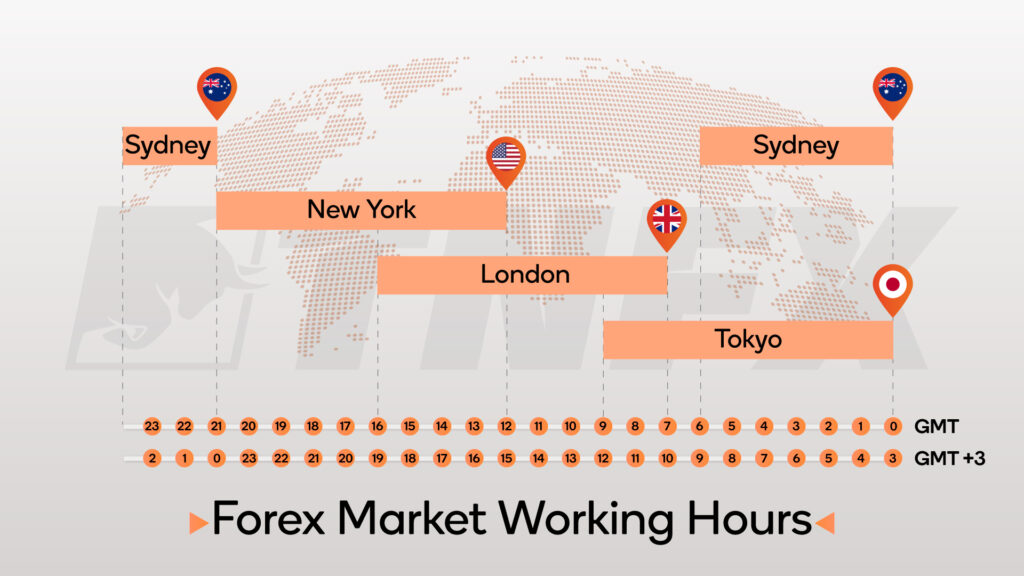
Perhaps the most distinct schedule belongs to the foreign exchange (Forex) market. As a truly global, decentralized market, Forex operates virtually 24 hours a day, five days a week, starting Sunday evening (around 5:00 PM ET) and closing Friday afternoon (around 5:00 PM ET). This continuous operation is due to the overlapping trading sessions across major financial centers worldwide:
- Sydney Session: Opens first, followed by
- Tokyo Session:
- London Session: The most liquid session, overlapping with Tokyo and New York.
- New York Session: Overlapping with London, often seeing high volatility and volume.
This 24-hour nature means that at any given time, a major financial center is open for trading, facilitating constant currency exchange. This flexibility is a significant draw for currency traders but also demands constant vigilance for those actively engaged in the market.
Why Market Hours Matter for Investors
Understanding market hours is not just about knowing when you can place an order; it’s a critical component of a well-informed investment strategy.
Strategy and Timing
The specific time of day can profoundly impact a trade’s outcome. The opening and closing hours of the regular session are often periods of heightened volatility and liquidity. Many active traders aim to capitalize on these “power hours” due to increased price action. Conversely, the middle of the day can sometimes see slower, more predictable movements. Knowing these patterns helps investors time their entries and exits more effectively, potentially improving their profit margins or minimizing losses. For those reacting to earnings reports, trading in pre-market or after-hours allows for immediate action, but it comes with the aforementioned risks of lower liquidity and wider spreads.
Furthermore, investors located in different time zones must strategize their approach. Someone in Asia wishing to trade US stocks might find themselves waking up very early or staying up late to participate in the most active hours, or they might opt for strategies that don’t require real-time monitoring, such as long-term investing or using limit orders that can execute when they are offline.
Risk Management
Market hours are directly tied to risk management. Trading in extended hours, while offering opportunities, inherently carries higher risk due to lower liquidity and increased volatility. A critical piece of news released after-hours can cause a stock to gap up or down significantly by the next morning’s open, potentially leading to substantial gains or losses that were difficult to predict or mitigate.
Investors must consider the type of orders they place. During regular hours, market orders are generally safer due to ample liquidity. However, in pre-market or after-hours, limit orders are almost always recommended. A limit order ensures that a trade is only executed at a specified price or better, protecting the investor from unexpected price swings due to low liquidity. Understanding these nuances helps investors protect their capital and make more deliberate, controlled decisions. It also involves being aware of margin requirements and how volatile price movements outside regular hours can impact them.
Conclusion
The US financial markets operate within a well-defined framework of hours, each period offering distinct characteristics and opportunities. While the regular trading session for stocks, from 9:30 AM to 4:00 PM ET, forms the bedrock of daily activity, the existence of pre-market, after-hours, and the differing schedules of futures, bonds, and Forex markets adds layers of complexity and opportunity for the discerning investor.
A thorough understanding of these timings is more than just academic knowledge; it is a practical tool that empowers investors to make informed decisions. It dictates when to react to news, how to manage risk, and when to expect the highest levels of liquidity or volatility. By aligning your trading strategy with the market’s pulse, taking into account specific market holidays, and leveraging the tools provided by your brokerage, you can navigate the US financial landscape with greater confidence and precision, ultimately enhancing your potential for financial success. Staying informed and adaptable to these market rhythms is a continuous journey for every participant in the world of money.
aViewFromTheCave is a participant in the Amazon Services LLC Associates Program, an affiliate advertising program designed to provide a means for sites to earn advertising fees by advertising and linking to Amazon.com. Amazon, the Amazon logo, AmazonSupply, and the AmazonSupply logo are trademarks of Amazon.com, Inc. or its affiliates. As an Amazon Associate we earn affiliate commissions from qualifying purchases.