
For investors residing in Arizona, understanding the precise opening and closing times of major stock exchanges is more nuanced than for those in states that observe Daylight Saving Time. Arizona’s unique stance on not adjusting its clocks twice a year means that the traditional 9:30 AM to 4:00 PM Eastern Time (ET) market schedule shifts relative to local Mountain Standard Time (MST). This seemingly minor detail carries significant implications for trading strategies, market monitoring, and overall financial planning for Arizonans. This guide will demystify the stock market hours for Arizona residents, offering insights into how to best navigate these temporal differences to optimize investment success.
Decoding the Market Clock: Eastern Time vs. Arizona’s Mountain Standard Time
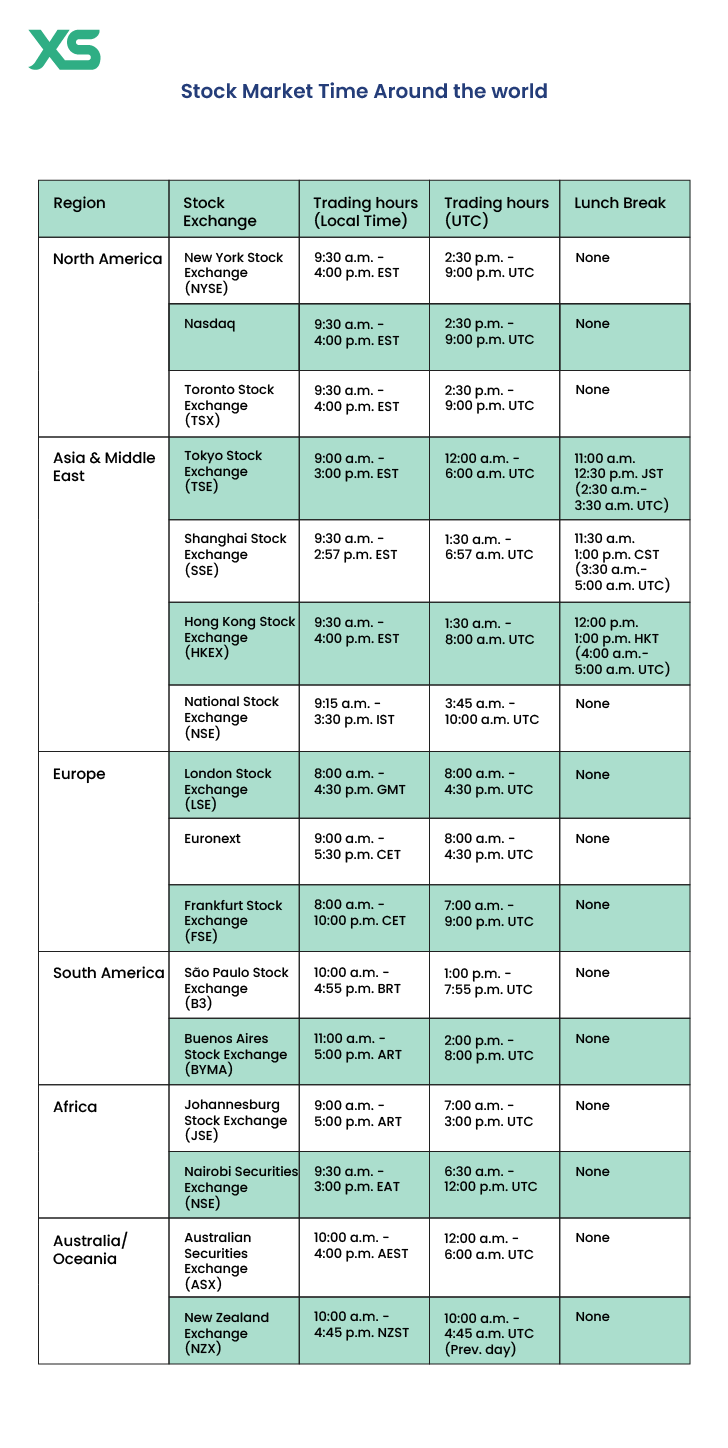
The global financial markets operate on a synchronized schedule, primarily dictated by the Eastern Time zone for the major U.S. exchanges. For Arizona investors, this requires a constant mental adjustment to bridge the time gap.
The Standard Market Schedule: NYSE and NASDAQ
The two dominant stock exchanges in the United States, the New York Stock Exchange (NYSE) and the Nasdaq Stock Market (NASDAQ), adhere to a uniform schedule for their regular trading sessions. This schedule is as follows:
- Opening Bell: 9:30 AM Eastern Time (ET)
- Closing Bell: 4:00 PM Eastern Time (ET)
These hours apply to most trading days, with exceptions for federal holidays and occasional early closures. During these regular hours, liquidity is typically at its highest, and the majority of trading activity occurs. This is the period when most individual investors execute their buy and sell orders.
Arizona’s Unique Stance: No Daylight Saving Time
Arizona is one of only two states in the U.S. (Hawaii being the other) that does not observe Daylight Saving Time. This means that while other states in the Mountain Time Zone (MT) shift between Mountain Standard Time (MST) and Mountain Daylight Time (MDT), Arizona consistently remains on Mountain Standard Time (MST) throughout the year.
This consistent MST creates a dynamic relationship with Eastern Time (ET):
- During Standard Time (Winter Months): When the Eastern Time Zone is observing Eastern Standard Time (EST), there is a two-hour difference between EST and MST. So, if it’s 9:30 AM EST, it’s 7:30 AM MST.
- During Daylight Saving Time (Spring/Summer/Fall Months): When the Eastern Time Zone shifts to Eastern Daylight Time (EDT), the time difference between EDT and MST becomes three hours. Thus, if it’s 9:30 AM EDT, it’s 6:30 AM MST.
This fluctuating time difference is the crux of the challenge for Arizona investors.
Calculating the Open and Close for MST Investors
Given Arizona’s consistent MST, we can now precisely calculate the stock market’s operating hours for residents:
-
When New York is on EST (roughly November to March):
- Market Open: 9:30 AM EST – 2 hours = 7:30 AM MST
- Market Close: 4:00 PM EST – 2 hours = 2:00 PM MST
-
When New York is on EDT (roughly March to November):
- Market Open: 9:30 AM EDT – 3 hours = 6:30 AM MST
- Market Close: 4:00 PM EDT – 3 hours = 1:00 PM MST
This means that for a significant portion of the year (during Daylight Saving Time in the rest of the country), the U.S. stock market opens at 6:30 AM MST and closes at 1:00 PM MST for Arizona investors. During the winter months, the market opens at 7:30 AM MST and closes at 2:00 PM MST. It is crucial for Arizona-based investors to be aware of which period they are in to avoid missing key market movements.
Beyond Regular Hours: Understanding Extended Trading Sessions
While the regular 9:30 AM to 4:00 PM ET window is when the vast majority of trading occurs, the stock market isn’t entirely dormant outside these hours. Pre-market and after-hours trading sessions offer opportunities, but also present unique challenges, especially when factoring in time zone differences.
The Dynamics of Extended Trading Sessions
Pre-Market Trading: This session typically runs from 4:00 AM ET to 9:30 AM ET. It allows investors to react to news released before the market opens, such as earnings reports, economic data, or major corporate announcements.
After-Hours Trading: This session usually extends from 4:00 PM ET to 8:00 PM ET. It provides a window for investors to respond to news released after the market close, offering flexibility for those who can’t trade during regular hours.
It’s important to note that not all brokers offer access to the full extent of these extended hours, and the specific times can vary slightly by brokerage platform.
Advantages and Disadvantages for Arizona Traders
For Arizona investors, extended trading sessions shift similarly to the regular hours, meaning these sessions begin and end even earlier in MST.
- Pre-Market (When New York is on EDT): 4:00 AM EDT – 3 hours = 1:00 AM MST. This session would run until 6:30 AM MST.
- After-Hours (When New York is on EDT): 4:00 PM EDT – 3 hours = 1:00 PM MST. This session would run until 5:00 PM MST.
Advantages:
- Early Reaction: Arizona investors can react to significant global news or company announcements released overnight or early in the morning before their local workday even begins, potentially getting ahead of the curve.
- Flexibility: For those with day jobs that conflict with regular market hours, after-hours trading can offer a window to execute trades.
Disadvantages:
- Lower Liquidity: Extended sessions typically have significantly lower trading volume compared to regular hours. This can lead to wider bid-ask spreads, making it more expensive to enter or exit positions.
- Increased Volatility: Lower liquidity can amplify price swings, making stocks more volatile and potentially riskier.
- Limited Order Types: Some advanced order types might not be available during extended hours.
- Information Asymmetry: Less information is available to the public during these hours, and institutional investors often have an edge.
- Impact on Sleep: The very early start times for pre-market trading (as early as 1 AM MST) can be challenging for maintaining a healthy sleep schedule, especially for active traders.

Arizona investors considering extended-hours trading must weigh these factors carefully and ensure they understand the added risks involved.
Strategic Implications for Arizona-Based Investors
The unique time zone situation for Arizona investors necessitates a thoughtful approach to trading and portfolio management. It’s not just about knowing the numbers; it’s about integrating them into an effective investment strategy.
Crafting Your Trading Routine Around Time Zones
For active traders or those who frequently monitor their portfolios, adapting to the shifting market hours is paramount.
- Morning Rush: The earliest hours of the trading day (6:30 AM to 7:30 AM MST for much of the year) are often the most volatile and offer the greatest opportunities for quick gains or losses. Arizona traders need to be ready to analyze news, check pre-market indicators, and execute trades even before many businesses in the state open.
- Mid-Day Lull: The regular trading day for Arizona investors concludes around 1:00 PM or 2:00 PM MST. This means the majority of market activity, including the “power hour” (the last hour of trading), happens during the typical lunch break or early afternoon for Arizonans.
- End-of-Day Review: Once the market closes in New York, Arizona investors have the entire afternoon and evening to review their trades, analyze market performance, read news, and plan for the next trading day without the pressure of live market movements. This can be a significant advantage for research and education.
Leveraging Technology and Financial Tools for Timely Decisions
Modern financial technology has made it significantly easier for investors to manage their portfolios across time zones.
- Real-time Data and Alerts: Most reputable brokerage platforms and financial news websites offer real-time quotes, news feeds, and customizable alerts. Arizona investors can set up alerts for specific stock prices, news events, or market indices, ensuring they are notified instantly regardless of the time difference.
- Mobile Trading Apps: Trading on the go is essential. Mobile apps allow investors to monitor their positions, place orders, and react to market changes from anywhere, whether they are at home, at work, or out enjoying Arizona’s scenery.
- Automated Trading and Order Types: For those who cannot be glued to their screens during market hours, advanced order types like stop-loss orders, take-profit orders, and conditional orders can be invaluable. These allow investors to pre-program buy or sell instructions that execute automatically when specific price conditions are met, mitigating the need for constant, real-time monitoring.
- Market Calendars and News Aggregators: Utilize online calendars that automatically adjust for your time zone. Subscribing to financial news aggregators ensures that critical economic reports, earnings announcements, and geopolitical events are delivered to you in a timely manner, allowing you to incorporate them into your strategy.
The Importance of News and Market Events in Real-Time
Market-moving news doesn’t wait for your preferred trading window. Economic reports, company earnings, analyst upgrades/downgrades, and political developments can all impact stock prices instantly. For Arizona investors, this means:
- Proactive Information Gathering: Developing a routine to check major news sources before the market opens (which could be as early as 6:30 AM MST) is critical.
- Understanding the News Cycle: Key economic data (e.g., CPI, jobs reports) are often released at 8:30 AM ET, translating to 5:30 AM MST or 6:30 AM MST depending on the time of year. Being aware of these scheduled releases is crucial for anticipating market reactions.
- Utilizing Transcripts and Summaries: If you miss live events, ensure you have access to quick summaries or transcripts of important speeches or conference calls to catch up rapidly.
Managing Your Portfolio Across Time Zones
Effective portfolio management for Arizona investors goes beyond simply knowing the hours. It involves proactive planning, risk mitigation, and leveraging available tools to ensure your investments are aligned with your financial goals, irrespective of the clock.
Risk Management and Liquidity Considerations
Trading during regular hours in Arizona often means starting very early and ending early afternoon. This means that if you’re holding positions overnight, the market’s reaction to overnight news will be felt immediately as the market opens at 6:30 AM or 7:30 AM MST.
- Overnight Risk: Be acutely aware of the risk of holding positions overnight, especially if significant news is expected or released while the market is closed. Gaps up or down at the open can significantly impact your portfolio.
- Liquidity in Extended Hours: As discussed, liquidity is lower during pre-market and after-hours trading. This isn’t just an inconvenience; it’s a risk. Executing large orders during these times can be difficult without impacting the price, and you may find it challenging to exit a position quickly at a fair price if circumstances change rapidly. For most individual investors, it’s often advisable to focus on regular trading hours where liquidity is robust.
- Position Sizing: Adjust your position sizes, especially if trading volatile assets or during lower-liquidity periods, to manage potential losses more effectively.
Automating Orders and Setting Alerts
To combat the challenge of time zone differences, technology is your best ally.
- Limit Orders vs. Market Orders: Whenever possible, use limit orders, especially if you can’t actively monitor the market. A limit order specifies the maximum price you’re willing to pay or the minimum price you’re willing to accept, protecting you from unexpected price movements that can occur rapidly due to time zone differences. Market orders, while ensuring execution, do not guarantee a price, which can be risky during volatile periods.
- Stop-Loss and Trailing Stop Orders: These are fundamental risk management tools. A stop-loss order sells your security if it falls to a certain price, limiting potential losses. A trailing stop order adjusts as the price moves up, protecting gains while allowing for further upside.
- Price Alerts: Set up email or push notification alerts through your brokerage or financial news app. These can notify you when a stock reaches a certain price, a major index crosses a threshold, or significant news breaks, allowing you to take action even if you’re not actively watching the market.
Balancing Work-Life with Market Monitoring
For many Arizona investors, balancing a full-time job or other commitments with market monitoring can be challenging, given the early start and early finish of the trading day.
- Define Your Involvement: Decide how active you want to be. If you’re a long-term investor, you likely don’t need to monitor the market minute-by-minute. If you’re an active day trader, you’ll need to dedicate focused blocks of time.
- Schedule Market Reviews: Dedicate specific times in your day to review your portfolio, check market news, and plan trades. For Arizona residents, this might mean a quick check before the market opens, a review during lunch, and a more thorough analysis after the market closes in the early afternoon.
- Prioritize Well-being: Don’t let the market dictate your entire schedule. Sacrificing sleep or personal time to catch the market open at 6:30 AM MST every day is unsustainable and can lead to burnout and poor decision-making. Leverage automated tools to manage your portfolio intelligently.
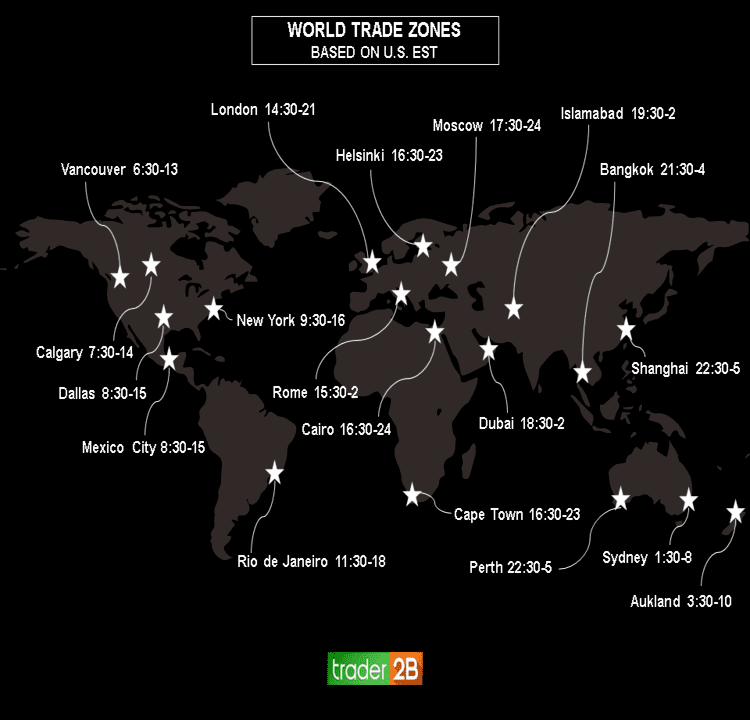
- Consider Global Markets: While this article focuses on U.S. markets, Arizona’s geographical location also makes it well-suited for trading Asian markets (which would be opening later in the Arizona evening) if diversification into international equities is part of your strategy.
Key Takeaways for Successful Arizona Investing
Navigating the stock market from Arizona’s unique time zone requires diligence and strategic adaptation. By understanding the core mechanics of market hours and leveraging modern financial tools, Arizona investors can not only participate effectively but also thrive.
Consistency and Discipline
The fluctuating time difference means that a consistent routine is paramount. Whether it’s setting your alarm for the 6:30 AM MST open during summer or developing a habit of reviewing market news during your early afternoon, discipline will be your greatest asset. Stick to your investment plan, avoid emotional decisions driven by early market movements, and ensure your trading aligns with your long-term financial goals.
Continuous Learning and Adaptation
The financial markets are dynamic, and so too are the tools and strategies available to investors. Stay informed about changes in market regulations, new financial products, and advancements in trading technology. As an Arizona investor, adapting to these changes, especially those that can help you manage time zone differences more effectively, will be key to your sustained success in the exciting world of investing.
aViewFromTheCave is a participant in the Amazon Services LLC Associates Program, an affiliate advertising program designed to provide a means for sites to earn advertising fees by advertising and linking to Amazon.com. Amazon, the Amazon logo, AmazonSupply, and the AmazonSupply logo are trademarks of Amazon.com, Inc. or its affiliates. As an Amazon Associate we earn affiliate commissions from qualifying purchases.