
For investors, traders, and even casual observers of the financial world, understanding the operational hours of the stock market is fundamental. It’s not just about knowing when you can place an order; it’s about comprehending the rhythm of global finance, identifying periods of heightened activity or dormancy, and strategically managing one’s portfolio. The question “what time does the stock market close today?” is deceptively simple, often leading to a deeper dive into the mechanics of market operations, extended trading sessions, and the impact of holidays. This article will demystify market closing times, providing an insightful look into the intricate schedules that govern the world’s major financial exchanges and how these schedules influence investment decisions.
Understanding Standard Stock Market Trading Hours
The cornerstone of efficient market operations is a set of clearly defined trading hours. These standardized windows ensure fairness, liquidity, and transparency, allowing all participants to engage with the market under a consistent framework. While specific hours can vary by exchange and country, the major U.S. markets adhere to a widely recognized schedule.
The Major U.S. Exchanges: NYSE and Nasdaq
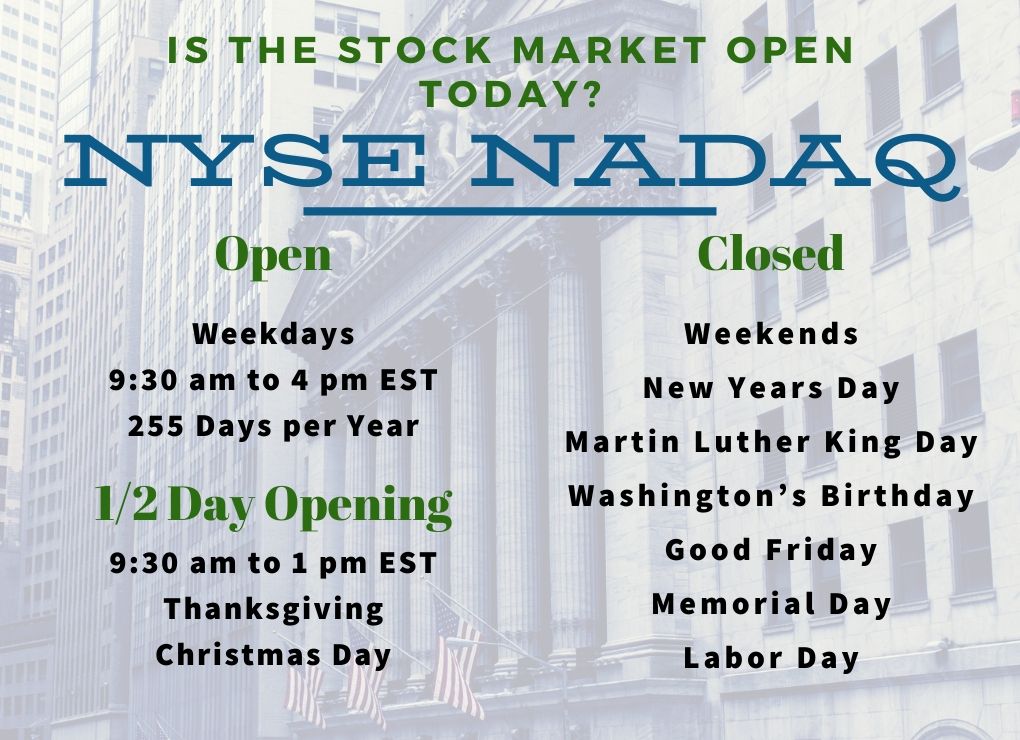
In the United States, the two primary stock exchanges are the New York Stock Exchange (NYSE) and the Nasdaq Stock Market. Both exchanges operate on largely the same schedule for their regular trading sessions:
-
Opening Bell: 9:30 AM Eastern Time (ET)
-
Closing Bell: 4:00 PM Eastern Time (ET)
This means that the core trading day spans six and a half hours, Monday through Friday. During these hours, orders are executed, prices fluctuate in real-time, and the vast majority of daily trading volume occurs. The concentration of trading within these hours helps to create deep liquidity, making it easier for buyers and sellers to find counterparts and execute trades without significant price impact. These are the hours when the iconic “trading floor” of the NYSE is bustling and when the electronic matching engines of Nasdaq are processing millions of transactions per second. Understanding this standard window is the first step for anyone looking to engage with the U.S. equity markets.
Regular Session vs. Extended Hours Trading
While the 9:30 AM to 4:00 PM ET window defines the “regular” trading session, it’s crucial to distinguish this from “extended hours” trading. Technological advancements and increasing globalization have enabled trading outside these traditional boundaries. Extended hours typically include:
-
Pre-Market Trading: Generally from 4:00 AM ET to 9:30 AM ET.
-
After-Hours Trading: Generally from 4:00 PM ET to 8:00 PM ET.
These extended sessions allow investors to react to news events that occur outside of regular market hours, such as quarterly earnings reports released after the close or significant geopolitical developments overnight. However, it’s important to note that extended hours trading often involves lower liquidity and wider bid-ask spreads, which can lead to increased volatility and potentially less favorable pricing for orders. The “regular session” remains the most robust and liquid period for equity trading.
Why Standard Hours Matter for Investors
The standardization of trading hours serves several critical functions that benefit investors. Firstly, it concentrates trading activity, which in turn enhances market liquidity. High liquidity means there are many buyers and sellers, making it easier to enter and exit positions quickly and at fair prices. Secondly, regular hours promote price discovery, ensuring that the consensus value of a security is efficiently determined based on the widest possible participation. Thirdly, it creates a structured environment, allowing investors to plan their strategies and monitor their portfolios within predictable timeframes. Without standard hours, markets could become fragmented, less efficient, and more prone to manipulation, undermining investor confidence and participation. The rhythm of the opening and closing bells provides a crucial anchor in the dynamic world of finance.
Navigating Exceptions and Special Trading Schedules
While the 9:30 AM to 4:00 PM ET schedule is standard, the financial markets are not immune to the realities of holidays, global interconnectedness, and the specific needs of different asset classes. Investors must be aware of these exceptions to avoid unexpected disruptions to their trading plans.
Market Holidays and Early Closures
Stock markets, like most workplaces, observe national holidays. During these days, the markets are completely closed, meaning no trading activity occurs. In the U.S., major market holidays include:
-
New Year’s Day
-
Martin Luther King, Jr. Day
-
Presidents’ Day
-
Good Friday
-
Memorial Day
-
Juneteenth National Independence Day
-
Independence Day
-
Labor Day
-
Thanksgiving Day
-
Christmas Day
Additionally, there are instances of “early closures” where the market may close at 1:00 PM ET instead of 4:00 PM ET. These often occur on the day before or after certain holidays, such as the day after Thanksgiving or on Christmas Eve. Financial news outlets and brokerage platforms typically publish annual calendars detailing these closures well in advance. Failing to account for these non-trading days can lead to missed opportunities or, more commonly, an inability to execute trades or manage positions as intended. Investors should always consult a reliable market calendar to stay informed about upcoming holidays and special hours.
Impact of Global Markets and Time Zones
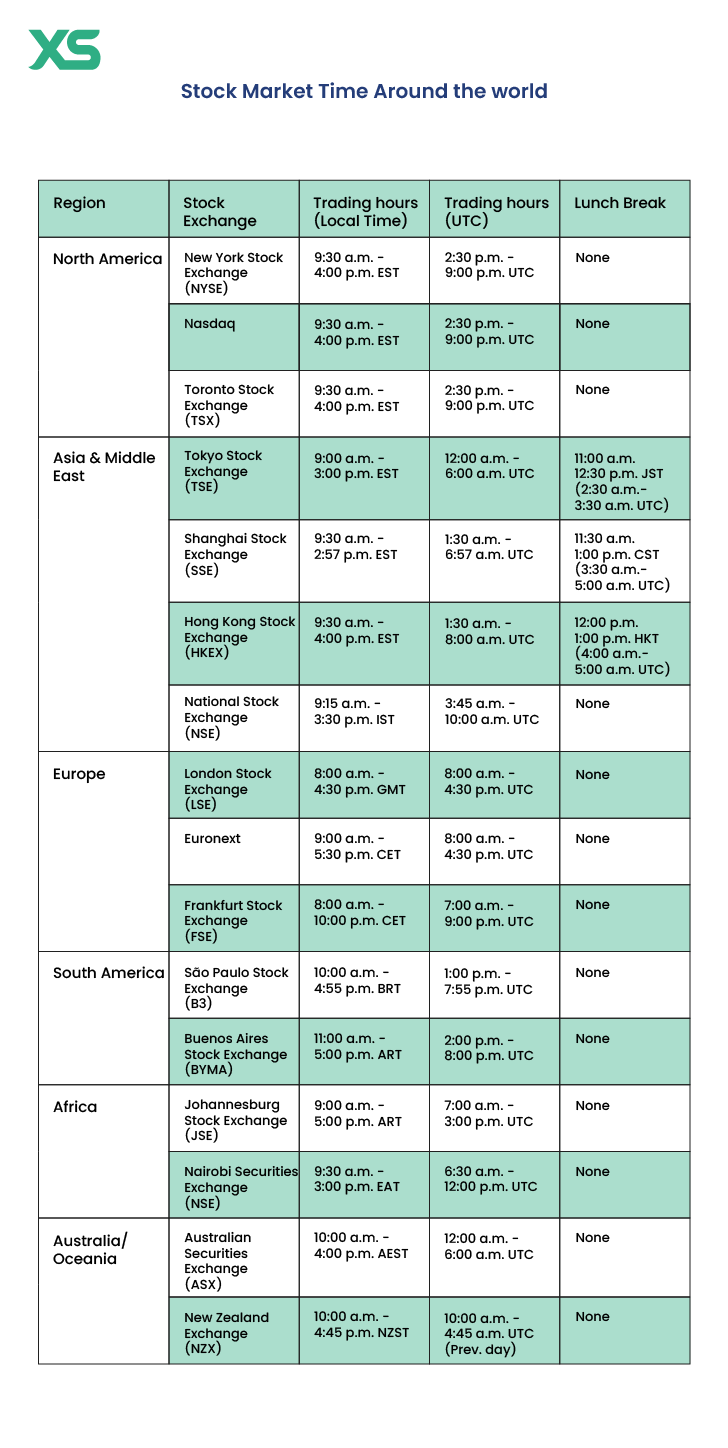
While we focus on U.S. market hours, the global nature of finance means that markets in other regions operate on completely different schedules due to time zones. When the U.S. market is closing, markets in Asia may be opening, and European markets might be in full swing. For instance, the London Stock Exchange (LSE) typically operates from 8:00 AM to 4:30 PM GMT, and the Tokyo Stock Exchange (TSE) from 9:00 AM to 3:00 PM JST (with a lunch break).
This continuous cycle of global trading means that significant economic news or geopolitical events occurring outside U.S. regular hours can impact U.S. stocks when they open for pre-market or regular trading. For investors with international holdings or those monitoring global economic trends, understanding these disparate schedules is crucial. It helps in anticipating market reactions and formulating strategies that account for overnight developments. The rise of sophisticated financial tools allows for tracking global markets in real-time, providing a panoramic view of the world’s financial health irrespective of local closing bells.
The Nuances of Futures and Options Markets
Beyond equities, other financial instruments like futures and options often have distinct trading hours. Futures markets, especially those for commodities like oil or gold, or for major stock indices (e.g., S&P 500 futures), often trade for nearly 24 hours a day, five days a week, with only short breaks. For example, CME Globex, a major electronic trading platform for futures, might open Sunday evening and close Friday afternoon, offering continuous trading.
Options contracts, which derive their value from an underlying asset like a stock or an index, generally trade during the regular hours of their underlying market. So, equity options on U.S. stocks will typically trade from 9:30 AM to 4:00 PM ET. However, there are also “weekly” and “mini” options with different expiry cycles or even extended hours for certain index options. These differences are critical for traders specializing in these derivatives, as their strategies often depend heavily on expiration times and the liquidity available during specific windows. Understanding these nuances is essential for managing risk and maximizing potential returns in these complex markets.
Beyond the Bell: Extended Hours Trading and Its Implications
The traditional image of trading floors going quiet after the closing bell is increasingly outdated. Modern technology has enabled trading to continue well beyond the regular 9:30 AM to 4:00 PM ET window, offering both opportunities and challenges for investors.
Pre-Market and After-Hours Sessions Explained
As briefly mentioned, extended hours trading comprises pre-market and after-hours sessions.
-
Pre-Market Trading typically runs from 4:00 AM ET to 9:30 AM ET. This period allows market participants to react to overnight news, economic data releases, or earnings reports issued before the market opens.
-
After-Hours Trading generally extends from 4:00 PM ET to 8:00 PM ET. This session provides an avenue for investors to trade based on news that breaks after the regular closing bell, such as corporate announcements or analysts’ revised ratings.
These sessions are facilitated by Electronic Communication Networks (ECNs), which are automated systems that match buy and sell orders electronically. Unlike the centralized auction model of the NYSE floor, ECNs offer a decentralized trading environment that allows continuous execution. Access to extended hours trading is typically provided by most major brokerage firms, though investors often need to explicitly enable this feature on their trading accounts.
Risks and Opportunities in Extended Trading
Extended hours trading presents a unique set of risks and opportunities that investors must carefully weigh.
Opportunities:
-
React to News Quickly: The primary advantage is the ability to trade immediately on breaking news, potentially capitalizing on early price movements before the broader market reacts during regular hours.
-
Convenience: For investors in different time zones or those with busy daytime schedules, extended hours offer greater flexibility for placing trades.
-
Early Price Discovery: While limited, pre-market and after-hours activity can provide an early indication of a stock’s potential movement once the regular session begins.
Risks:
-
Lower Liquidity: Fewer participants mean fewer buy and sell orders, leading to wider bid-ask spreads. This can make it harder to execute trades at desired prices and potentially lead to larger price swings.
-
Increased Volatility: With lower liquidity, even small orders can have a disproportionately large impact on a stock’s price, leading to rapid and unpredictable movements.
-
Limited Order Types: Some brokerage firms may restrict the types of orders allowed during extended hours (e.g., only limit orders are often permitted, not market orders).
-
Uncertain Information: News released during extended hours might be speculative or incomplete, making it challenging to make informed decisions.
Technological Enablers of 24/7 Trading
The ability to trade beyond traditional hours is a direct result of advancements in financial technology. ECNs, which emerged in the late 1990s, played a pivotal role by providing automated, anonymous order matching. Before ECNs, extended hours trading was far more limited and often restricted to institutional investors. Today, sophisticated trading platforms, high-speed data networks, and algorithmic trading systems further enhance the capabilities of extended hours trading. The drive towards global, interconnected markets has also fueled this trend, with some financial instruments, particularly derivatives, now offering near 24-hour trading to cater to an international audience. This continuous technological evolution suggests that the lines between “open” and “closed” market hours will continue to blur, making it even more important for investors to understand the implications of trading outside the traditional bell-to-bell window.
The Strategic Importance of Market Closing Times for Investors
The market’s closing bell is more than just an end to the trading day; it’s a critical juncture that influences various investment strategies and portfolio management decisions. The specific timing of the market close impacts how different types of investors approach their daily activities and long-term planning.
Day Trading vs. Long-Term Investing Strategies
The closing time holds vastly different significance for day traders compared to long-term investors.
-
Day Traders: For day traders, who aim to open and close positions within a single trading day, the 4:00 PM ET closing bell is a hard deadline. They must finalize all their trades before this time to avoid holding positions overnight, which exposes them to “gap risk” (where a stock’s price can open significantly higher or lower the next day due to overnight news). The minutes leading up to the close can be particularly volatile, as traders rush to exit positions or engage in “marking the close” strategies.
-
Long-Term Investors: While long-term investors are less concerned with hourly price fluctuations, the closing price is still vital. It’s the official valuation used for end-of-day portfolio reporting, determining daily gains or losses, and calculating NAV (Net Asset Value) for mutual funds and ETFs. While they may not execute trades at the exact close, understanding the closing price provides a benchmark for evaluating their portfolio’s performance over time.
Impact on Order Execution and Volatility
The periods immediately preceding and following the closing bell are often characterized by heightened volatility and unique order execution dynamics.
-
Increased Volatility: As the market approaches 4:00 PM ET, institutional investors and large funds often execute significant block orders to adjust their portfolios or meet specific index rebalancing requirements. This surge in activity can lead to increased volatility and rapid price swings in the final minutes of trading.
-
Order Execution: Many investors might place “market-on-close” (MOC) orders, which are designed to execute as close to the official closing price as possible. These orders contribute to the trading volume at the close and can influence the final print. Understanding this dynamic is crucial, as placing market orders very close to the close without careful consideration could result in less favorable execution prices due to the potential for sudden price movements. Sophisticated traders often analyze “closing auctions” to anticipate price movements and ensure optimal execution.
End-of-Day Data Analysis and Portfolio Management
The official closing price of a stock or index is fundamental to financial analysis and portfolio management. It serves as:
-
Reference Point for Performance: The closing price is the standard for calculating daily, weekly, or monthly returns, allowing investors to track the performance of individual assets and their overall portfolio.
-
Valuation Basis: For assets held, the closing price is used to determine the portfolio’s total value at the end of each day, which is crucial for compliance, risk assessment, and reporting to clients or stakeholders.
-
Input for Technical Analysis: Technical analysts heavily rely on closing prices to plot charts, identify trends, and calculate various indicators (e.g., moving averages, relative strength index). A stock’s closing price is often considered more significant than its intraday highs or lows as it represents the final consensus on its value for that trading day.
-
Risk Management: Portfolio managers use end-of-day data to assess risk exposures, rebalance portfolios to maintain target allocations, and make decisions about future trades based on how their investments performed relative to the market close.
In essence, the market closing time marks a transition from active trading to reflective analysis, providing the data necessary for informed decision-making moving forward.
Tools and Resources for Tracking Market Hours and Events
In the fast-paced world of finance, staying abreast of market hours, holidays, and significant economic events is paramount. Fortunately, a wealth of tools and resources are available to help investors navigate these complexities efficiently.
Financial News Platforms and Websites
Leading financial news providers are indispensable for tracking market schedules and real-time updates. Websites like Bloomberg, Reuters, The Wall Street Journal, CNBC, and Yahoo Finance offer comprehensive market calendars that detail upcoming holidays, early closures, and even earnings release schedules. These platforms not only report on market status (open/closed) but also provide context for any unusual trading hours, such as those due to unforeseen circumstances or national mourning. Many also offer customizable watchlists where you can see the current trading status of specific exchanges or indices. Regular consultation of these reputable sources is a simple yet effective way to stay informed and avoid surprises.
Brokerage Tools and Trading Platforms
The online trading platforms provided by brokerage firms are another crucial resource. Whether you use Fidelity, Charles Schwab, E*TRADE, Interactive Brokers, Robinhood, or another platform, they typically integrate market status indicators directly into their interface. These indicators will usually show if the market is open, closed, or in an extended trading session. Many platforms also offer:
-
Notifications: Customizable alerts for market openings, closings, or special events.
-
Order Execution Information: Clear indications if an order placed outside regular hours will be queued for the next trading session or if it’s eligible for extended hours trading.
-
Market Calendars: In-platform calendars that highlight upcoming holidays and special trading hours, often tailored to the markets you frequently trade.
Leveraging these built-in tools can streamline your trading process and ensure your orders are placed and executed according to market rules. It’s always advisable to review your broker’s specific policies regarding extended hours trading and order types.
Calendar Alerts and Market Data Providers
Beyond news sites and brokerage platforms, specialized market data providers and calendar alert services can offer even more granular control and automated reminders. Websites like Investing.com, MarketWatch, or Barchart provide detailed economic calendars, earnings calendars, and market holiday schedules, often with filtering capabilities for specific regions or asset classes.
Furthermore, many digital calendar applications (Google Calendar, Outlook Calendar) allow you to subscribe to public market holiday calendars. This ensures that market closures are integrated directly into your personal or professional schedule, providing timely reminders. For more advanced users, data APIs (Application Programming Interfaces) from providers like Refinitiv, Quandl, or Alpha Vantage can allow for programmatic access to real-time market status and historical trading hour data, enabling custom solutions for automated trading or sophisticated analysis. By combining these resources, investors can build a robust system for monitoring market hours and never miss a beat in the dynamic world of finance.
Conclusion
Understanding “what time the stock market closes today” is far more than a simple query; it’s a gateway to comprehending the intricate rhythms of global finance. From the standardized 9:30 AM to 4:00 PM ET window of the NYSE and Nasdaq to the nuances of extended trading, market holidays, and the diverse schedules of futures and options, each element plays a critical role in shaping investment strategies and risk management. As technology continues to blur the lines of traditional trading hours, the importance of staying informed through reliable financial news, brokerage tools, and specialized calendars becomes ever more pronounced. By mastering these timings and their implications, investors can make more informed decisions, optimize their trading strategies, and navigate the complex financial landscape with greater confidence and insight.
aViewFromTheCave is a participant in the Amazon Services LLC Associates Program, an affiliate advertising program designed to provide a means for sites to earn advertising fees by advertising and linking to Amazon.com. Amazon, the Amazon logo, AmazonSupply, and the AmazonSupply logo are trademarks of Amazon.com, Inc. or its affiliates. As an Amazon Associate we earn affiliate commissions from qualifying purchases.