
For any investor, from the casual retail trader to the seasoned institutional professional, the question “what time does the stock market close today?” is more than a simple inquiry about a schedule. It is the baseline for timing trades, managing risk, and understanding the ebb and flow of global capital. While the short answer for major U.S. exchanges is 4:00 PM Eastern Time (ET), the reality of modern finance is a 24-hour cycle that demands a deeper understanding of market mechanics.
In the world of personal finance and investing, timing is everything. Whether you are looking to offload a position before a weekend or trying to capitalize on an earnings report released at the final bell, knowing when the window of liquidity opens and shuts is critical to your financial success.

Understanding Standard Trading Hours and the Closing Bell
The heartbeat of American capitalism resides within two primary institutions: the New York Stock Exchange (NYSE) and the NASDAQ. Both operate on a standardized schedule that governs the vast majority of equity trading in the United States.
The New York Stock Exchange (NYSE) and NASDAQ
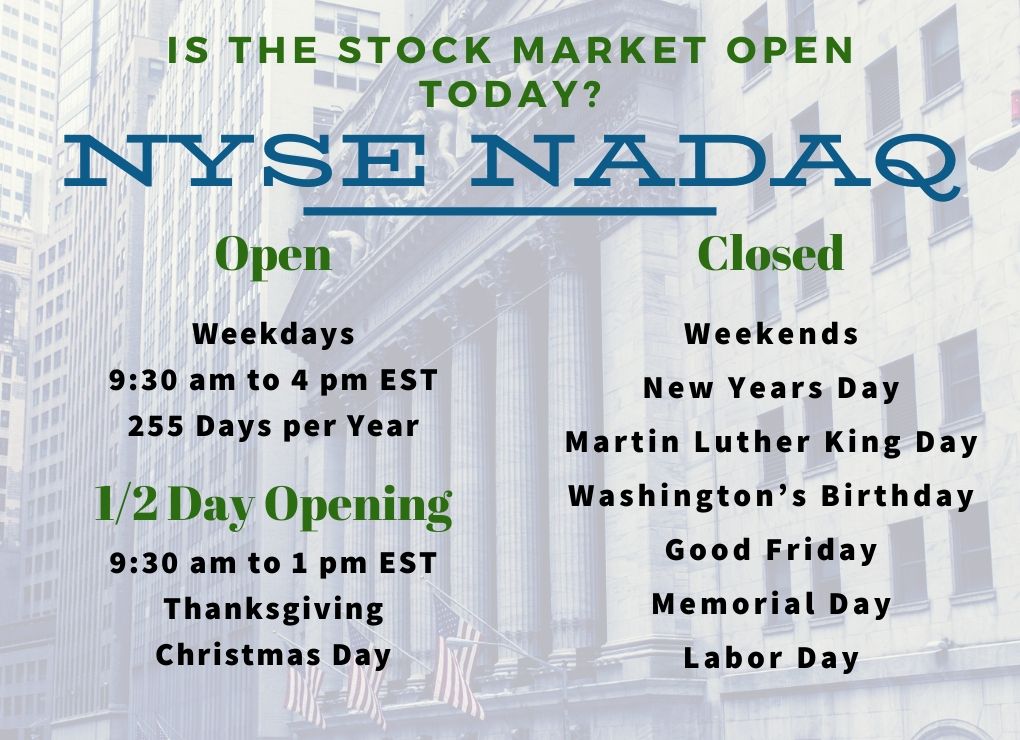
Both the NYSE and the NASDAQ maintain standard trading hours from 9:30 AM to 4:00 PM ET, Monday through Friday. These hours are designed to concentrate liquidity, ensuring that there are enough buyers and sellers to facilitate smooth transactions without extreme price fluctuations.
The NYSE, located on Wall Street, is famous for its physical “Closing Bell,” a ritual that signifies the end of the day’s primary auction. The NASDAQ, being a fully electronic exchange, follows the same schedule but operates through a sophisticated network of servers. For the average investor using apps like Robinhood, Fidelity, or Charles Schwab, this 4:00 PM cutoff is the deadline for “market orders” to be executed at that day’s closing price.
Why 4:00 PM EST Matters for Investors
The closing price of a stock at 4:00 PM is the “price of record.” It is the figure used by mutual funds to calculate their Net Asset Value (NAV) and by media outlets to report on market performance. For the individual investor, the final minutes leading up to 4:00 PM—often referred to as the “Closing Auction”—represent a period of intense activity. Large institutional “buy-on-close” or “sell-on-close” orders are filled during this window, often leading to significant volume spikes. Understanding this timing helps you realize why prices might suddenly jump or dip right at the finish line.
Beyond the Closing Bell: Extended-Hours Trading
In the digital age, the “close” is a somewhat relative term. While the main floor or primary match engine might stop at 4:00 PM, the digital marketplace continues to hum through what is known as extended-hours trading. This is a vital area for any serious investor to understand, as it allows for reaction to news that breaks after the standard session ends.
After-Hours Trading Sessions
After-hours trading typically runs from 4:00 PM to 8:00 PM ET. During this time, participants trade via Electronic Communication Networks (ECNs) that match buyers and sellers directly. This session is particularly important during “earnings season.” When a major company like Apple or Microsoft releases its quarterly results at 4:05 PM, the stock price can move 5% or 10% in a matter of minutes. If you only trade during standard hours, you may wake up the next morning to find the market has already “priced in” the news, leaving you unable to capitalize on the initial move.
Pre-Market Trading: Setting the Tone for the Day
On the other side of the clock is the pre-market session, which can begin as early as 4:00 AM ET, though most retail activity heats up around 8:00 AM. Pre-market trading provides a glimpse into “market sentiment.” If global news breaks overnight—such as a shift in interest rates by a foreign central bank or a geopolitical event—the pre-market session is where that tension first manifests. Investors use this time to set “limit orders” and prepare for the 9:30 AM open.
The Risks and Rewards of Trading Outside Standard Hours
While the ability to trade at 7:00 PM seems advantageous, it comes with significant caveats. The primary risk is liquidity. During standard hours, millions of shares are traded, resulting in a narrow “bid-ask spread” (the difference between what a buyer will pay and a seller will accept). In extended hours, fewer participants are active. This can lead to wide spreads and high volatility. A small sell order that might not move the needle at noon could cause a significant price drop at 6:00 PM. For this reason, most financial advisors suggest that retail investors use limit orders—specifying the exact price they are willing to accept—rather than market orders during these times.
Stock Market Holidays and Early Closures
If you find yourself asking “what time does the market close today” on a Friday before a long weekend or in late December, the answer might not be 4:00 PM. The U.S. stock market observes several federal holidays, and on certain occasions, it shuts its doors early.
Recognizing the Federal Holiday Schedule
The NYSE and NASDAQ are closed on the following major holidays:
- New Year’s Day
- Martin Luther King, Jr. Day
- Washington’s Birthday (Presidents Day)
- Good Friday
- Memorial Day
- Juneteenth National Independence Day
- Independence Day (July 4th)
- Labor Day
- Thanksgiving Day
- Christmas Day
If a holiday falls on a Saturday, the market is typically closed on the preceding Friday. If it falls on a Sunday, the market is closed on the following Monday.
Early Closing Days: What to Expect
There are specific days where the market “closes today” at 1:00 PM ET rather than 4:00 PM. This typically occurs on the day after Thanksgiving (Black Friday) and sometimes on Christmas Eve, depending on which day of the week it falls. During these shortened sessions, trading volume is usually very light, and many professional traders take the day off. For the personal investor, these days are often characterized by “sideways” movement, meaning prices don’t fluctuate much due to the lack of institutional participation.
Global Market Timing and Time Zone Considerations
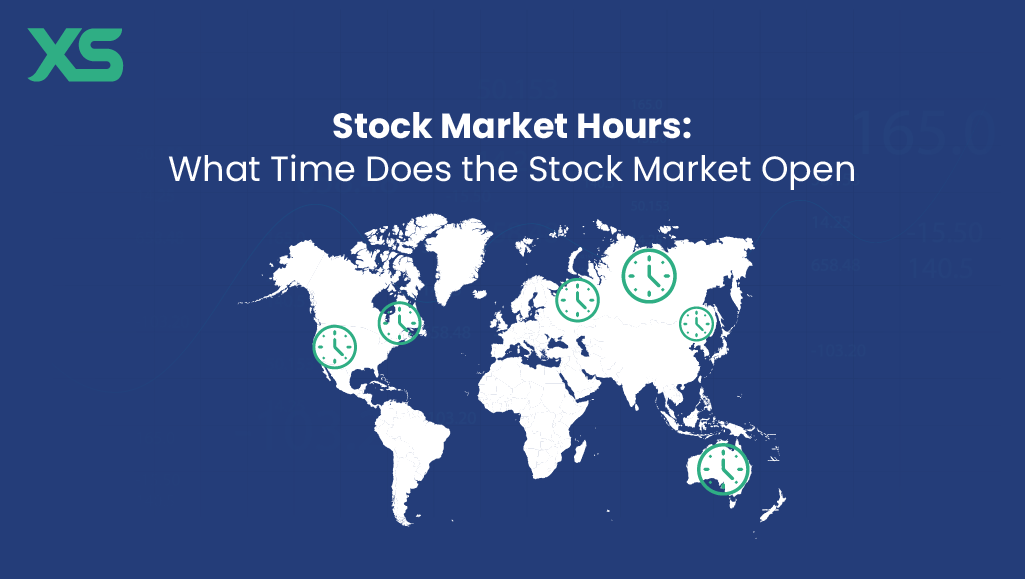
We live in a globalized economy where a factory closure in Shanghai can affect a tech company in California. Therefore, understanding when the “market” closes depends heavily on which market you are referring to. For an investor with a diversified international portfolio, the clock never really stops.
Major International Exchanges
If you are investing in international ETFs or individual foreign stocks, you must keep an eye on global clocks:
- London Stock Exchange (LSE): Generally operates from 8:00 AM to 4:30 PM GMT.
- Tokyo Stock Exchange (TSE): Operates from 9:00 AM to 3:00 PM JST, with a lunch break between 11:30 AM and 12:30 PM.
- Hong Kong Stock Exchange (HKEX): Similar to Tokyo, it features a morning and afternoon session.
The Impact of Time Zones on Domestic Investors
For a trader on the West Coast of the United States, the market “closes today” at 1:00 PM PT. This requires a significant lifestyle adjustment, as the trading day begins at 6:30 AM PT. Conversely, for European investors trading U.S. tech stocks, the U.S. market doesn’t even open until the mid-afternoon in their local time. Understanding these overlaps is crucial because the “London-New York Overlap” (roughly 9:30 AM to 12:00 PM ET) is often the most liquid and volatile period of the day, as the world’s two largest financial centers are trading simultaneously.
Strategic Trading: How Timing Affects Your Portfolio
Knowing the closing time is the first step; knowing how to trade around that time is where the real financial strategy begins. Market behavior changes drastically throughout the day, and these patterns can be leveraged to improve your entry and exit points.
The “Closing Auction” and Liquidity
As 4:00 PM approaches, institutional investors—such as pension funds and ETFs—must rebalance their portfolios. They often use the “Closing Auction” to execute large blocks of shares. This process ensures they get a price as close to the official daily close as possible. For a retail investor, this surge in volume can be a double-edged sword. It provides deep liquidity, meaning you can sell a large position without “slippage,” but it also brings rapid price movements that can trigger “stop-loss” orders if you aren’t careful.
Volatility Patterns: Opening vs. Closing
Statistically, the most volatile periods of the trading day are the first 30 minutes (the “Opening Range”) and the last 30 minutes (the “Power Hour”).
- The Opening Range: Between 9:30 AM and 10:00 AM, the market is reacting to overnight news, earnings, and international market moves.
- The Lunch Lull: Between 12:00 PM and 2:00 PM ET, volume often dries up as floor traders and institutional algorithms take a breather. This is often the worst time to execute large trades because the lack of volume can lead to unfavorable pricing.
- The Power Hour: From 3:00 PM to 4:00 PM ET, traders are squaring their positions for the day. This is often when the “smart money” makes its moves, establishing the trend that will carry into the next day.
By aligning your trading activity with these cycles, you can avoid the “noise” of midday trading and participate when the market has the most conviction.
Conclusion: Mastery of the Market Clock
So, “what time does the stock market close today?” For most, it’s 4:00 PM ET. But for the savvy investor, the answer is a gateway into a complex system of pre-market signals, after-hours opportunities, and global interdependencies.
Successful investing requires discipline, and part of that discipline is respecting the clock. Whether you are managing a 401(k), building a dividend portfolio, or actively trading equities, understanding the nuances of market hours allows you to navigate the financial waters with greater confidence. The closing bell isn’t just an end to the day—it’s a summary of the world’s collective economic sentiment, and knowing exactly when that summary is finalized is the key to staying ahead in the world of finance.
aViewFromTheCave is a participant in the Amazon Services LLC Associates Program, an affiliate advertising program designed to provide a means for sites to earn advertising fees by advertising and linking to Amazon.com. Amazon, the Amazon logo, AmazonSupply, and the AmazonSupply logo are trademarks of Amazon.com, Inc. or its affiliates. As an Amazon Associate we earn affiliate commissions from qualifying purchases.