
Navigating the financial markets requires more than just an understanding of balance sheets and economic indicators; it requires a precise grasp of the clock. For the modern investor, Friday represents a critical temporal boundary. It is the conclusion of the weekly narrative, the final opportunity to adjust positions before the two-day hiatus of the weekend, and a period often marked by unique volatility. Whether you are a day trader looking to flat your positions or a long-term investor monitoring your portfolio’s weekly performance, knowing exactly when the “closing bell” rings—and what happens immediately after—is essential for sound financial management.
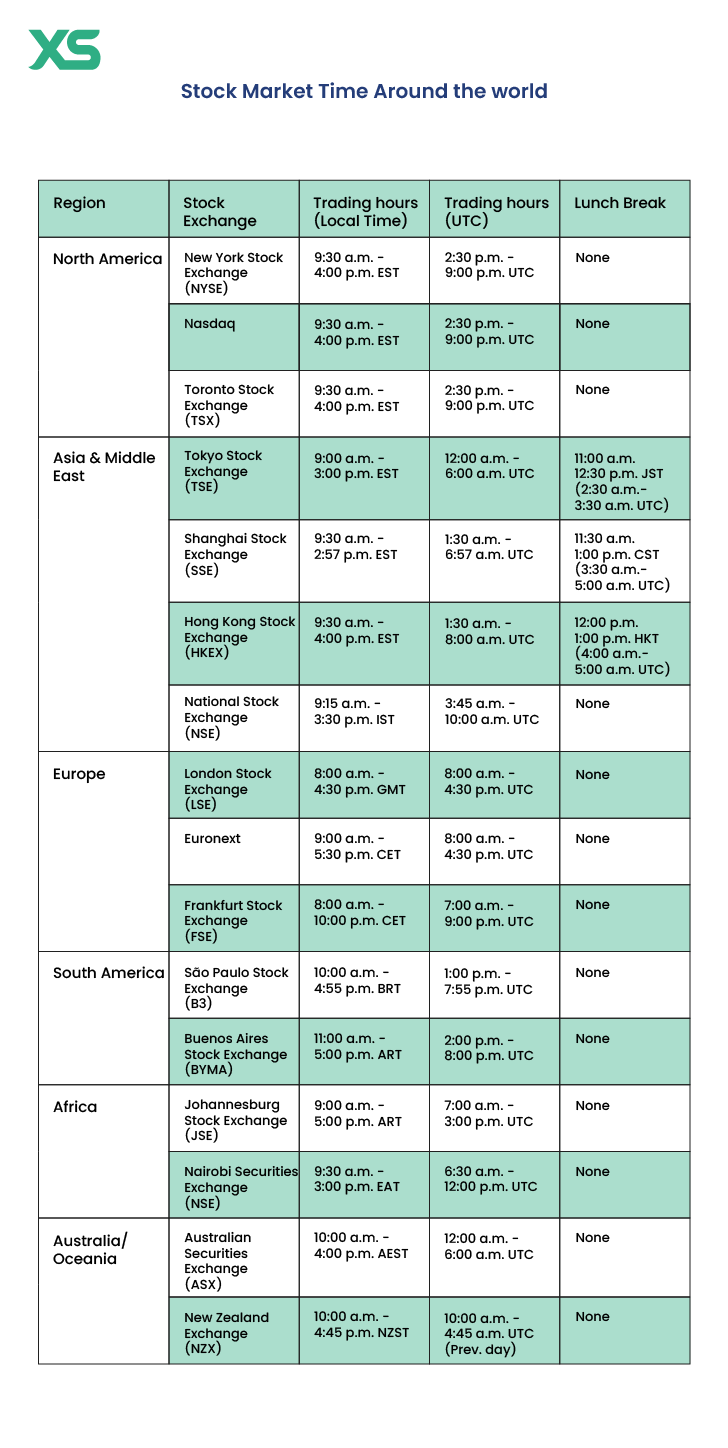
In the United States, the two primary exchanges—the New York Stock Exchange (NYSE) and the Nasdaq—adhere to a strict schedule. On a standard Friday, the stock market closes at 4:00 PM Eastern Time (ET). However, the reality of market liquidity and price action extends far beyond that single minute.
Standard Trading Hours and the Friday Closing Auction
The standard trading session for the U.S. equity markets begins at 9:30 AM ET and concludes at 4:00 PM ET. While these hours are consistent from Monday through Friday, the final hour of trading on Friday often carries a different weight than any other time of the week.
The Mechanics of the 4:00 PM Close
The 4:00 PM close is not merely a cessation of trading; it is a highly choreographed financial event known as the “Closing Auction” or “Closing Cross.” During the final minutes of the Friday session, buy and sell orders are gathered to determine a single price that clears the maximum volume of shares. This “closing price” is the benchmark used by mutual funds to calculate their Net Asset Value (NAV) and by index providers to track performance. For many institutional investors, the Friday close is the ultimate deadline for rebalancing portfolios to ensure they remain aligned with their target allocations.
Why Friday Afternoons are Different
Friday afternoons frequently witness increased volume and volatility. This phenomenon is driven by several factors. First, many institutional desks do not want to carry excessive risk over the weekend when markets are closed and unable to react to geopolitical events or unexpected news. Consequently, there is often a flurry of “squaring up” positions. Second, day traders who operate on margin are often required to close their positions by the end of the Friday session to avoid overnight or over-the-weekend margin interest and risks. This collective rush toward the exit—or a last-minute scramble for exposure—creates a dynamic environment that distinguishes the Friday 4:00 PM close from mid-week sessions.
After-Hours Trading: The Friday Exception
While the “official” market closes at 4:00 PM ET, the digital nature of modern finance means that trading does not strictly stop. Electronic Communication Networks (ECNs) allow for extended-hours trading, but on Friday, this phase comes with specific caveats that every investor should understand.
The Post-Market Session
Following the 4:00 PM close, the after-hours session begins and typically runs until 8:00 PM ET. During this time, individual investors and institutions can still trade stocks, though through different mechanisms than the standard session. On Monday through Thursday, after-hours trading is often a reaction to corporate earnings reports, which are usually released shortly after the bell. However, on Fridays, most corporations refrain from releasing major news to avoid “weekend risk,” leading to a post-market session that is generally thinner in volume than its mid-week counterparts.
Risks of Trading Late on Friday
Trading between 4:00 PM and 8:00 PM on a Friday is notoriously illiquid. With fewer participants in the market, the “bid-ask spread”—the difference between what a buyer is willing to pay and what a seller is willing to accept—widens significantly. This means that an investor trying to sell a position at 6:00 PM on a Friday might receive a significantly lower price than they would have at 3:55 PM. Furthermore, because the market will remain closed until Monday morning, any price movement in the Friday after-hours session is subject to “gap risk,” where the market opens on Monday at a price drastically different from Friday’s late-night close.
Early Closures and Holiday Schedules
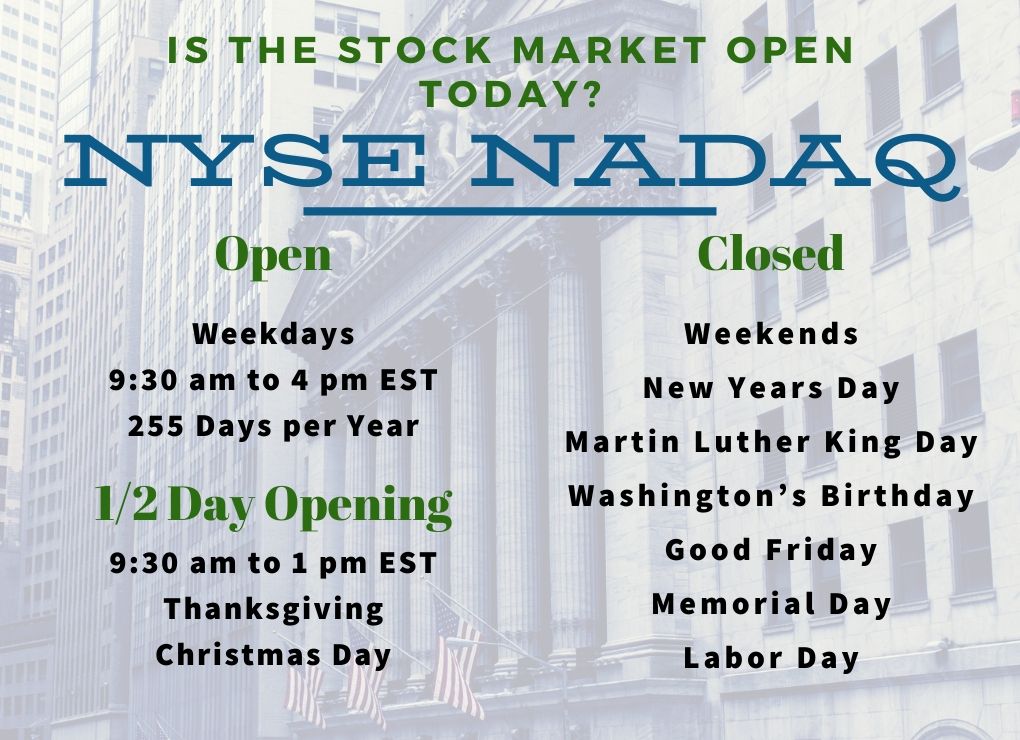
While 4:00 PM ET is the rule, there are several instances throughout the year where the stock market closes early on a Friday. These exceptions are usually tied to major U.S. holidays and are vital for investors to mark on their calendars to avoid being caught in a liquidity trap.
The “1:00 PM ET” Rule
The most famous early close occurs on the Friday following Thanksgiving, commonly known as Black Friday. On this day, the NYSE and Nasdaq close at 1:00 PM ET. Similar early closures may occur on Christmas Eve (if it falls on a business day) or the day before Independence Day. During these abbreviated sessions, trading volume is typically very light, as many professional traders take the day off. This lack of volume can lead to exaggerated price swings on relatively small news, making it a dangerous time for high-stakes maneuvers.
Bond Market vs. Stock Market
It is important to note that the stock market and the bond market (fixed income) do not always follow the same schedule. The Securities Industry and Financial Markets Association (SIFMA) often recommends an early close for bond trading (typically 2:00 PM ET) even on days when the stock market stays open for a full session. For investors who trade both equities and fixed-income instruments, the Friday schedule requires extra diligence to ensure that hedging strategies across different asset classes can be executed before the respective bells.
Market Volatility: Triple Witching and the Friday Phenomenon
Beyond the clock, the Friday close is often defined by specific calendar events that occur quarterly. Understanding these events provides context as to why the market might behave erratically as 4:00 PM approaches.
Triple Witching Fridays
Four times a year—on the third Friday of March, June, September, and December—the market experiences “Triple Witching.” This is the simultaneous expiration of stock options, stock index futures, and stock index options contracts. Because so many derivative contracts are expiring at the same time, traders are forced to either close out their positions or “roll” them into future contracts. This leads to some of the highest trading volumes of the year during the final hour of Friday trading. For the retail investor, Triple Witching Fridays can result in erratic price action that has little to do with a company’s fundamental value and everything to do with the mechanics of the options market.
The Weekend Effect
Financial researchers have long studied the “Weekend Effect,” a phenomenon where stock returns on Mondays are often significantly lower than the returns from the previous Friday. While the causes are debated—ranging from negative news being released over the weekend to a psychological shift in investor sentiment—it reinforces the importance of the Friday close. Investors often use the final hours of Friday to “de-risk” their portfolios, selling off speculative positions to ensure they can sleep soundly through the weekend, which in turn can create downward pressure on prices as the clock ticks toward 4:00 PM.
Strategic Considerations for the Weekend Transition
Understanding what time the stock market closes on Friday is the first step; knowing how to manage your capital leading up to that close is the second. Professional wealth management involves a proactive approach to the Friday session.
Managing Open Orders
Any “day orders” that have not been filled by 4:00 PM ET on Friday will automatically expire. If you have a limit order set to buy a stock at a specific price and it hasn’t been hit, it will not carry over to Monday unless you have specifically designated it as a “Good ‘Til Canceled” (GTC) order. Investors should review their open orders on Friday afternoon to decide if they want to let them expire or adjust their prices to ensure execution before the weekend break.

Preparing for Monday’s Open
The time between Friday at 4:00 PM and Monday at 9:30 AM is nearly 65 hours. In the global economy, 65 hours is an eternity. Political shifts, international conflict, or sudden economic data from overseas markets (like the opening of the Asian markets on Sunday night ET) can all influence how the U.S. market opens on Monday. Successful investors use the Friday close not as an end, but as a transition. By ensuring that their portfolios are balanced and that they are not over-leveraged, they protect themselves against the “opening gap”—the jump in price that occurs when the Monday opening price is significantly different from the Friday closing price.
In conclusion, while the simple answer to “what time does the stock market close on Friday” is 4:00 PM ET, the sophisticated answer involves a complex interplay of closing auctions, after-hours sessions, holiday adjustments, and derivative expirations. By mastering the Friday timeline, investors can better navigate volatility and position themselves for long-term financial success.
aViewFromTheCave is a participant in the Amazon Services LLC Associates Program, an affiliate advertising program designed to provide a means for sites to earn advertising fees by advertising and linking to Amazon.com. Amazon, the Amazon logo, AmazonSupply, and the AmazonSupply logo are trademarks of Amazon.com, Inc. or its affiliates. As an Amazon Associate we earn affiliate commissions from qualifying purchases.