
The New York Stock Exchange (NYSE), located at the iconic 11 Wall Street in Lower Manhattan, stands as the world’s largest equities marketplace. For the modern investor, the question “What time does the NY Stock Exchange open?” is more than a logistical inquiry; it is the starting gun for global price discovery. Understanding the precise timing of the exchange is foundational to managing a portfolio, executing trades with minimal slippage, and navigating the complexities of the financial world.
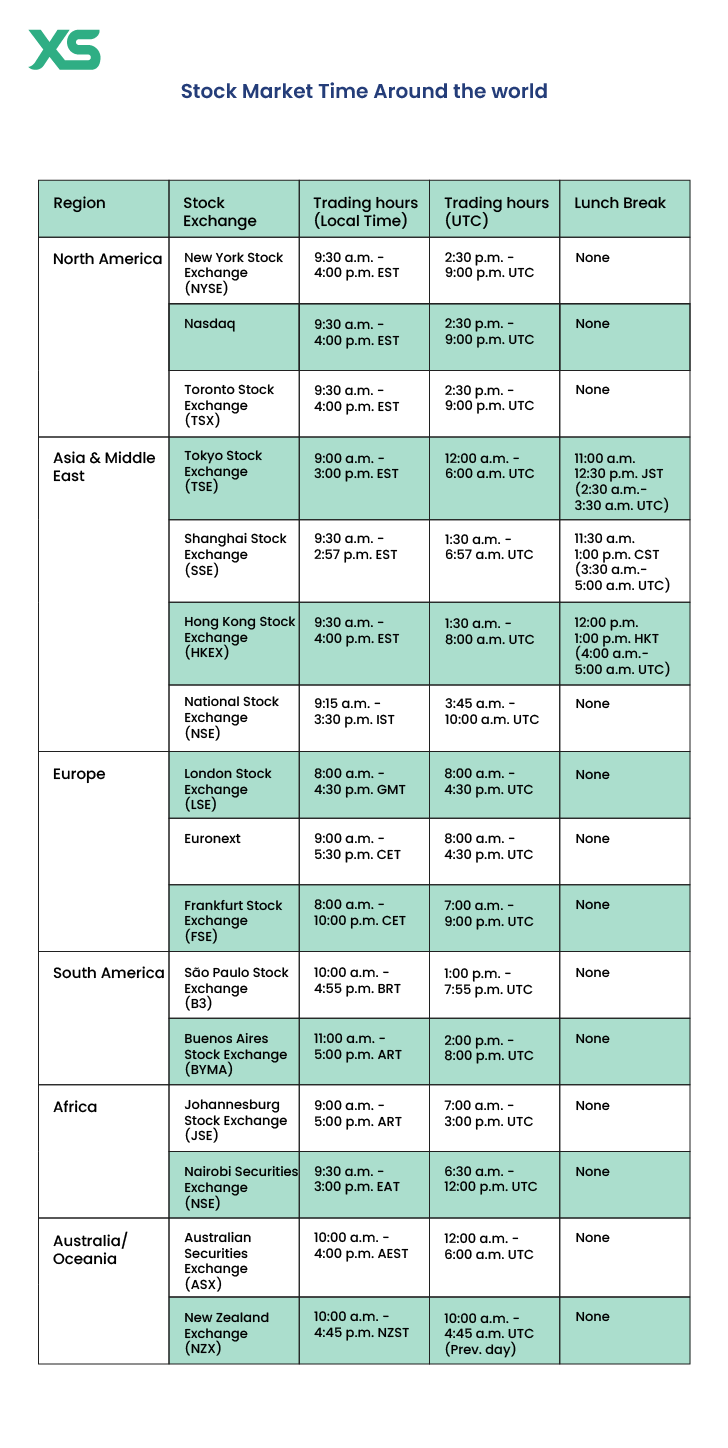
The standard operating hours of the NYSE are Monday through Friday, from 9:30 AM to 4:00 PM Eastern Time (ET). However, for the sophisticated participant in the “Money” niche, the trading day is far more nuanced than a simple six-and-a-half-hour window.
Understanding the Standard Trading Session and the Opening Bell
The core of the American financial system revolves around the “Regular Trading Session.” This period represents the peak of liquidity, where the vast majority of retail and institutional volume occurs.
The Mechanics of the 9:30 AM Opening
The NYSE does not simply “turn on” at 9:30 AM ET. The opening is governed by a process known as the “Opening Auction” or the “Opening Cross.” Before the bell rings, the exchange’s systems aggregate buy and sell orders to determine a single opening price that maximizes the number of shares traded. This process ensures a fair and orderly start to the day, preventing the chaos that would ensue if thousands of fragmented orders hit the tape simultaneously. For investors, the opening price is a critical benchmark used to evaluate the day’s performance.
The Significance of the Closing Bell at 4:00 PM
While the opening is about discovery, the 4:00 PM ET close is about finality. The “Closing Auction” is perhaps the most important liquidity event of the day. Institutional investors, particularly those managing index funds and ETFs, must trade at the closing price to minimize “tracking error”—the difference between the fund’s performance and its benchmark. Consequently, the final minutes of the NYSE session often see a massive surge in volume, sometimes accounting for nearly 20% of the day’s total turnover.
Weekend and Holiday Observed Closures
The NYSE remains closed on Saturdays and Sundays. Additionally, the exchange observes nine major US holidays, including New Year’s Day, Martin Luther King Jr. Day, Washington’s Birthday (Presidents’ Day), Good Friday, Memorial Day, Juneteenth National Independence Day, Independence Day, Labor Day, Thanksgiving Day, and Christmas Day. It is vital for traders to consult the annual holiday schedule, as some holidays result in an “early close” at 1:00 PM ET, typically on the day after Thanksgiving or the day before Christmas.
Extended Hours: Pre-Market and After-Hours Trading
While the floor of the NYSE may have a traditional schedule, the digital nature of modern finance allows for trading well beyond the standard bell. These periods, known as extended-hours trading, offer opportunities and risks that every serious investor must understand.
The Pre-Market Session (4:00 AM – 9:30 AM ET)
Many brokerage platforms allow retail investors to participate in pre-market trading. While the NYSE Arca (the electronic exchange) starts accepting trades as early as 4:00 AM ET, the bulk of activity begins around 8:00 AM ET. This period is highly sensitive to overnight news, such as international geopolitical shifts or early-morning economic reports like the Consumer Price Index (CPI) or Non-Farm Payrolls. Investors use this time to react to news before the general public can access the market at 9:30 AM.
The After-Hours Session (4:00 PM – 8:00 PM ET)
After the 4:00 PM closing bell, the “After-Hours” session begins. This is when the majority of publicly traded companies release their quarterly earnings reports. Because companies avoid releasing market-moving news during standard hours to prevent extreme volatility, the 4:00 PM to 4:30 PM window is often the most volatile period for individual stocks. Trading during this time requires caution, as liquidity is lower and “bid-ask spreads” (the difference between what a buyer will pay and what a seller will accept) are significantly wider.
The Risks of Trading Outside Standard Hours
For the personal finance enthusiast, it is important to note that extended-hours trading is not for everyone. Without the full participation of institutional “market makers,” prices can swing wildly on very low volume. A small order that would be a blip during the day could move a stock price by 2% or 3% at 6:00 PM. Most professional advisors suggest that retail investors use extended hours primarily for information gathering rather than heavy execution.
Strategic Timing: When is the Best Time to Trade?
In the world of money and investing, when you trade can be just as important as what you trade. The trading day has its own rhythm, and aligning your strategy with this “market pulse” can lead to better execution prices.
The First Hour: The “Opening Range”
The first 30 to 60 minutes of the trading day (9:30 AM – 10:30 AM ET) are characterized by high volatility and high volume. This is the period when the market “digests” all the news that broke overnight. Day traders often thrive in this environment due to the large price swings. However, for long-term “buy and hold” investors, it is often wise to wait until this initial volatility subsides before placing an order, as the “true” direction of the day is often established after the first hour.
The Mid-Day Lull (The “Lunch Hour”)
From roughly 12:00 PM to 1:30 PM ET, trading volume tends to dry up as many institutional traders in New York take their mid-day break. During this lull, price action can become sluggish and “choppy.” For those looking to move large positions, this is often the worst time to trade because the lack of liquidity can result in poor fills. Conversely, for passive investors who use limit orders, this can be a period of relative price stability.
The Power Hour (3:00 PM – 4:00 PM ET)
The final hour of the trading day is affectionately known as “The Power Hour.” During this time, volatility ramps up again as traders settle their intraday positions and institutional “rebalancing” begins. This is often when the market “finds its conviction.” If the market has been trending up all day and continues to rise during the Power Hour, it is seen as a sign of bullish sentiment heading into the next day.
The Global Context: How Time Zones Impact Your Money
The NYSE does not exist in a vacuum. Because it is the centerpiece of the global financial system, its opening and closing times trigger a ripple effect across other international markets.
The European Overlap
One of the most liquid periods for the US market occurs between 9:30 AM and 11:30 AM ET. This is because the major European exchanges, such as the London Stock Exchange (LSE) and the Euronext Paris, are still open. During this two-hour overlap, global liquidity is at its peak. Macro-economic news affecting the Eurozone or the UK often sees its most intense reaction in US-listed assets during this window.
Impact on Asian Markets and Futures
When the NYSE closes at 4:00 PM ET, the focus shifts to the East. The performance of the S&P 500 during the New York session sets the tone for the opening of the Tokyo (TSE) and Hong Kong (HKEX) markets several hours later. Investors often look at “S&P 500 Futures”—which trade nearly 24 hours a day—to see how the “Big Money” is reacting to the New York close before the Asian markets open.
The 24/5 Financial Cycle
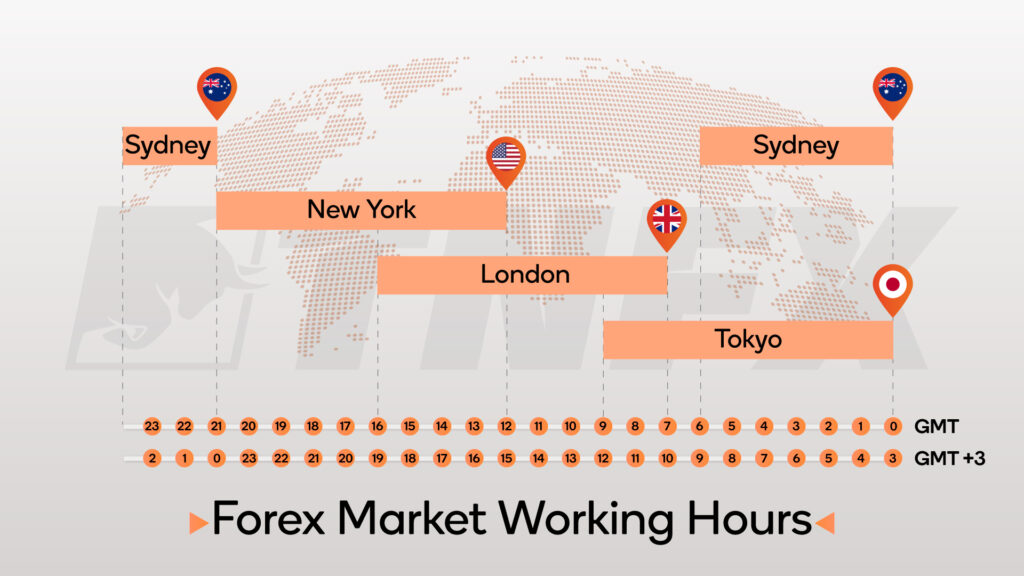
While the physical floor of the NYSE has set hours, the concept of “Money” never truly sleeps. Through various financial instruments like Forex, Commodities, and Index Futures, the global market operates on a 24-hour cycle from Sunday evening to Friday evening. Understanding the NYSE’s opening time is the anchor for this cycle, acting as the primary reference point for global valuation.
Practical Tools and Best Practices for Investors
Navigating the hours of the New York Stock Exchange requires more than a watch; it requires a disciplined approach to financial management and the right set of tools.
Utilizing Limit Orders vs. Market Orders
Because of the volatility often seen at the 9:30 AM open and 4:00 PM close, investors should be wary of “Market Orders.” A market order instructs your broker to buy or sell immediately at the best available price. In a fast-moving opening, that price could be significantly different from what you saw on your screen seconds ago. Using “Limit Orders”—which specify the maximum price you are willing to pay or the minimum you are willing to accept—is a crucial practice for protecting your capital during these high-volume windows.
Economic Calendars and Market Clocks
To stay ahead, investors should utilize economic calendars that highlight when major data (like Federal Reserve interest rate decisions) will be released. Most of these releases happen at 8:30 AM ET or 2:00 PM ET. Knowing that the NYSE opens at 9:30 AM allows you to anticipate how the market will react to an 8:30 AM report. Digital tools and apps can provide “Market Clock” widgets that show the countdown to the opening bell, ensuring you are never caught off guard by a holiday or early closure.
Building a Routine for Financial Success
Successful investing is as much about discipline as it is about analysis. By centering your financial routine around the NYSE hours, you can create a structured environment for decision-making. Whether it is reviewing your portfolio during the mid-day lull or analyzing earnings reports during the after-hours session, understanding the “time of money” is your first step toward professional-grade financial management.
In conclusion, while the 9:30 AM ET opening of the New York Stock Exchange is a fixed point in time, its influence spans the entire globe and affects every aspect of personal and corporate finance. By mastering these hours, understanding the nuances of extended sessions, and respecting the rhythm of market liquidity, you position yourself to make more informed, strategic, and profitable financial decisions.
aViewFromTheCave is a participant in the Amazon Services LLC Associates Program, an affiliate advertising program designed to provide a means for sites to earn advertising fees by advertising and linking to Amazon.com. Amazon, the Amazon logo, AmazonSupply, and the AmazonSupply logo are trademarks of Amazon.com, Inc. or its affiliates. As an Amazon Associate we earn affiliate commissions from qualifying purchases.