
For investors, traders, and anyone keen on the pulse of global finance, understanding the operational hours of major stock exchanges is fundamental. The New York Stock Exchange (NYSE), often dubbed “Wall Street” itself, is the epicenter of American capitalism, and its schedule dictates much of the financial world’s rhythm. The simple answer to “what time does the NY Stock Exchange close?” is 4:00 PM Eastern Time (ET). However, this seemingly straightforward piece of information unlocks a deeper discussion about market dynamics, investor strategies, and the ever-evolving landscape of financial trading.
The NYSE, alongside its electronic counterpart, the NASDAQ, adheres to a standard trading day that has largely remained consistent for decades. While the official closing bell signals the end of the regular trading session, the world of finance doesn’t simply shut down. Pre-market and after-hours trading extend the window of opportunity, introducing complexities and considerations that every market participant must grasp. This comprehensive guide will delve into the intricacies of NYSE trading hours, explore the significance of these timings for various financial activities, and shed light on how market schedules influence investment decisions in a globally interconnected economy.
Understanding Standard Market Hours
The regular trading session on the New York Stock Exchange defines the core period during which the vast majority of stock transactions occur. These hours are designed to provide a structured, liquid environment for trading, ensuring fairness and efficiency.
The Regular Trading Session: 9:30 AM to 4:00 PM ET
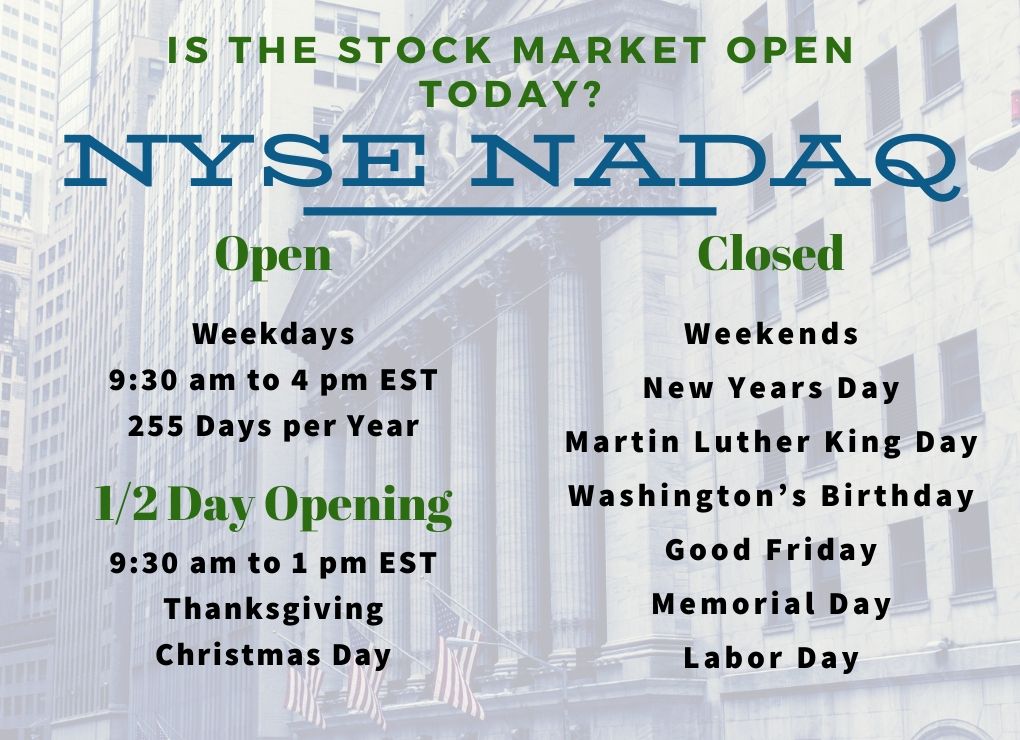
The official “open outcry” or, more accurately in today’s electronic age, the opening bell at the NYSE rings at 9:30 AM ET, marking the start of the trading day. From this moment until the closing bell sounds at 4:00 PM ET, the market is in its regular session. This seven-and-a-half-hour window is characterized by the highest volume and liquidity. During these hours, prices are most stable and representative due to the broad participation of institutional investors, individual traders, and market makers. For most retail investors, this is the primary window for executing trades, monitoring portfolios, and reacting to breaking news. The consistency of these hours provides a predictable framework for financial planning and analysis, allowing investors to synchronize their strategies with the market’s pulse.
Weekends and Holidays: When the Market is Closed
Just like any other business, the New York Stock Exchange observes weekends and a specific calendar of federal holidays. It is completely closed on Saturdays and Sundays. Additionally, a number of holidays throughout the year see the market shut down, ensuring that traders and financial institutions can observe these national days of rest and celebration. These holidays typically include:
- New Year’s Day
- Martin Luther King, Jr. Day
- Washington’s Birthday (Presidents’ Day)
- Good Friday
- Memorial Day
- Juneteenth National Independence Day
- Independence Day
- Labor Day
- Thanksgiving Day
- Christmas Day
It’s crucial for investors to be aware of these market holidays as they impact trading schedules and can lead to extended periods of market inactivity, which might be particularly relevant for those holding positions in volatile assets or awaiting specific economic data releases. Sometimes, if a holiday falls on a weekend, the market will observe it on the nearest weekday (e.g., if Christmas Day is a Saturday, the market might close on Friday, December 24th). There are also instances of early closures, particularly on the day before or after certain holidays, like Thanksgiving. Always checking the official NYSE holiday calendar is a best practice.
Time Zones: Why ET is Crucial
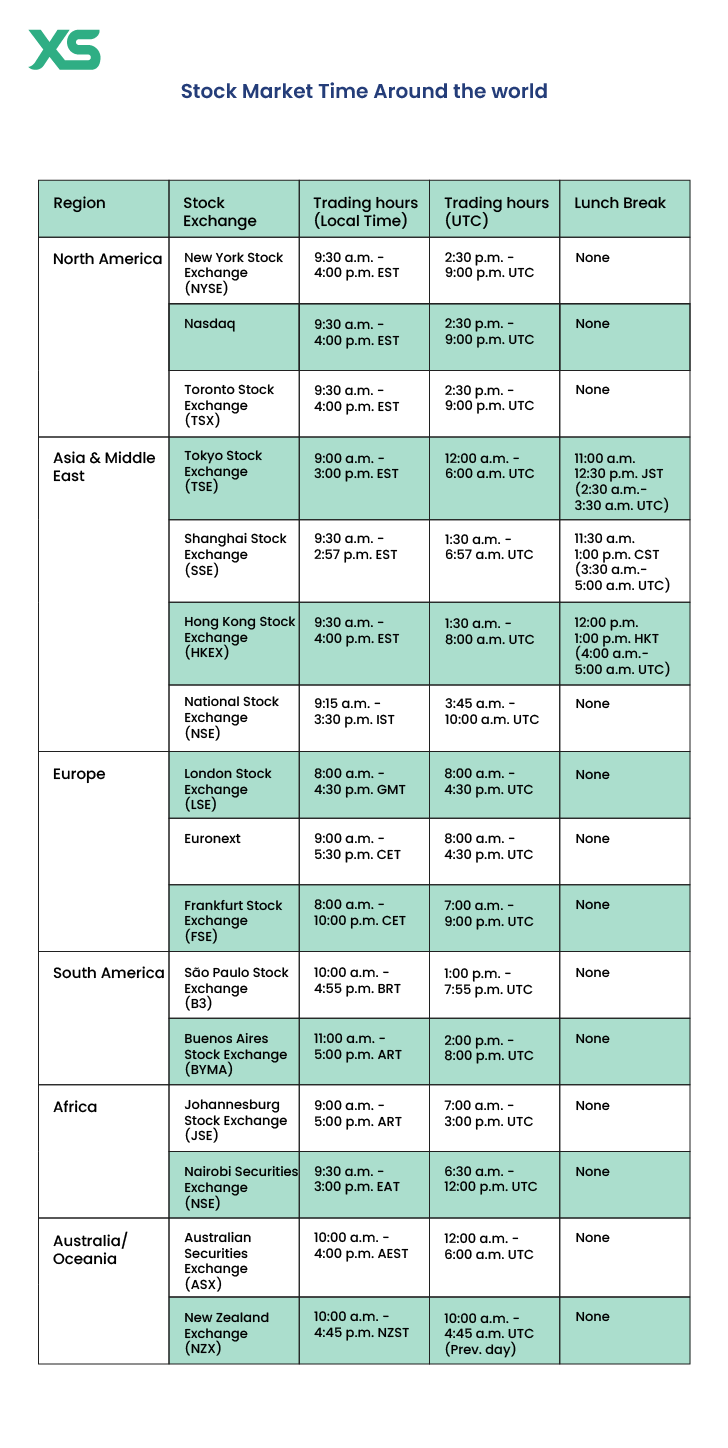
The emphasis on “Eastern Time (ET)” is not merely a geographical detail but a critical piece of information for anyone interacting with the NYSE from a different time zone. The financial world largely operates on a standardized schedule to avoid confusion. For example:
- If you are on the West Coast of the United States (Pacific Time, PT), the NYSE opens at 6:30 AM PT and closes at 1:00 PM PT.
- In the United Kingdom (Greenwich Mean Time, GMT), the market opens at 2:30 PM GMT and closes at 9:00 PM GMT.
- In Sydney, Australia (Australian Eastern Standard Time, AEST), the NYSE’s regular session runs from 11:30 PM AEST to 6:00 AM AEST the next day.
This time zone difference underscores the global nature of financial markets. Investors in Asia might find themselves trading late into the night or early morning to align with NYSE hours, while European investors will be active during their afternoon and evening. Understanding these conversions is vital for international investors, for setting up alerts, making timely decisions, and comprehending when news events relevant to U.S. markets will have their primary impact.
Beyond Standard Hours: Extended Trading
While the regular 9:30 AM to 4:00 PM ET window defines the core trading day, sophisticated market participants often engage in trading outside these hours. This “extended hours trading” encompasses both pre-market and after-hours sessions, offering opportunities and risks distinct from the regular session.
Pre-Market Trading: Understanding Activity Before the Open
Pre-market trading typically begins as early as 4:00 AM ET and runs until the market opens at 9:30 AM ET. During this period, electronic communication networks (ECNs) facilitate trades. Key characteristics of pre-market trading include:
- Lower Liquidity: Fewer participants mean wider bid-ask spreads and less fluid trading compared to the regular session.
- Higher Volatility: Due to lower liquidity, a relatively small number of trades can cause significant price swings.
- News-Driven: Many companies release earnings reports or significant news announcements before the market opens, leading to substantial pre-market activity as traders react.
- Institutional Dominance: Often, institutional investors and professional traders, who have access to real-time news feeds and advanced trading platforms, dominate this session. Retail investors with standard brokerage accounts might have limited or no access, or face higher fees and risks.
For day traders and short-term investors, pre-market activity can offer early insights into the likely direction of a stock or the broader market, allowing for strategic positioning once the regular session begins. However, the risks associated with lower liquidity and higher volatility necessitate caution.
After-Hours Trading: Analyzing Activity After the Close
After-hours trading commences immediately after the closing bell at 4:00 PM ET and can extend as late as 8:00 PM ET. Similar to pre-market, this session is also conducted via ECNs and shares many of the same characteristics:
- Reduced Liquidity and Increased Volatility: These are defining features, making it challenging to execute large orders without impacting prices.
- Earnings Reactions and Late-Breaking News: Many companies choose to release earnings or important corporate news after the regular market closes to give investors time to digest the information before the next trading day. This often fuels significant after-hours price movements.
- Limited Access: While more brokerage firms offer after-hours trading, it’s not universally available or without limitations for all retail investors.
- Impact on the Next Day’s Open: Significant price changes in after-hours trading can heavily influence a stock’s opening price the following day.
After-hours trading allows investors to react quickly to events that unfold outside the regular market schedule, potentially capitalizing on immediate sentiment shifts. However, the risks of adverse price movements are also heightened, making it a domain generally preferred by experienced traders.
The Mechanics of Extended Hours: Liquidity, Volatility, Access
The underlying mechanics of extended hours trading are fundamentally different from the regular session. The absence of specialists (on the NYSE floor) and the generally lower participation levels contribute to:
- Lower Liquidity: Fewer buyers and sellers lead to fewer opportunities to match orders. This means it might take longer to execute a trade, or trades might be executed at prices significantly different from the prevailing quotes. Spreads between the bid and ask prices are typically much wider.
- Higher Volatility: With less liquidity, even small orders can disproportionately impact a stock’s price. This can lead to rapid and unpredictable price swings, presenting both opportunities for quick gains and increased risks of substantial losses.
- Limited Access and Brokerage Differences: Not all brokerage firms offer extended-hours trading, and those that do might have different rules, fees, or execution capabilities. Retail investors often use “limit orders” during extended hours to protect themselves from adverse price movements, as market orders can be executed at unexpectedly unfavorable prices. Furthermore, some news outlets and data providers might not fully track extended-hours price movements, making it harder for casual investors to stay informed.
Understanding these mechanics is crucial for anyone considering participating in pre-market or after-hours trading, as the strategies and risk management techniques applicable during regular hours may not be sufficient.
Why Market Hours Matter to Investors
The NYSE’s operating hours are far more than a mere schedule; they represent a fundamental framework that influences trading strategies, information flow, and risk management for investors of all stripes.
Impact on Trading Strategies: Day Trading vs. Long-Term Investing
The timing of market activity profoundly shapes different investment approaches:
- Day Trading: For day traders, who aim to profit from intra-day price movements, market hours are everything. They operate exclusively within the regular session, focusing on high liquidity and volatility windows, often around the open and close. Extended hours can be critical for planning, but trades are usually executed within the 9:30 AM to 4:00 PM ET window to leverage the deepest pools of liquidity and the most predictable market behavior.
- Swing Trading: These traders hold positions for a few days to a few weeks. Market hours dictate when they can enter or exit positions, but they are also highly attuned to how news released during extended hours might affect their holdings the next day.
- Long-Term Investing: While long-term investors (holding for months or years) are less concerned with minute-by-minute price fluctuations, market hours still matter. They need to understand when they can place orders, when their orders will be executed, and how major events outside regular hours could impact the opening price of their assets. For instance, a significant geopolitical event announced after 4 PM ET might cause a drastic gap down or up for certain stocks at the next morning’s open, which could influence a long-term investor’s decision to buy more or trim a position.
Ultimately, market hours dictate the rhythm of opportunities and decisions, requiring tailored strategies for different investment horizons.
News and Information Flow: How Market Hours Influence Reaction
The timing of corporate announcements and economic data releases is often orchestrated around market hours to manage investor reactions.
- Before the Open: Many companies release earnings reports or significant corporate news (e.g., mergers, acquisitions) before the market opens. This allows analysts and investors a few hours to digest the information and react during pre-market trading, setting the stage for the regular session.
- After the Close: Similarly, many companies choose to release news after 4:00 PM ET. This strategy provides a window for the information to disseminate without immediately triggering a rush of trading, allowing for a more considered response when the market reopens the next day.
- During the Session: News released during regular market hours often leads to immediate and sometimes volatile reactions, as traders and algorithms process the information in real-time. This can create opportunities for rapid-fire trading but also poses risks of sudden price shifts.
Understanding this flow helps investors anticipate market movements and formulate their response. Investors must have access to timely news and be prepared to act within the defined market windows to capitalize on or mitigate the impact of information.
Managing Risk and Opportunity: Decisions Around Opening and Closing Bells
The opening and closing periods of the regular trading session are particularly significant due to increased trading volume and often heightened volatility.
- The Opening Bell (9:30 AM ET): This is a critical time when all the news and information accumulated since the previous close, including pre-market activity, is absorbed by the broader market. Prices can gap up or down significantly, and high trading volume can lead to rapid price discovery. Day traders often look for opportunities in these initial minutes, but the volatility also presents substantial risk.
- The Closing Bell (4:00 PM ET): The end of the trading day also sees a surge in activity as traders close out positions, institutions rebalance portfolios, and orders are finalized. This “power hour” can also be volatile, with prices moving rapidly in either direction. Smart traders understand that the last few minutes can be used to influence closing prices, and investors often place orders to be executed “at the close” to ensure they get the closing price of the day.
Decisions made around these bells can significantly impact portfolio performance. Investors need to be particularly vigilant, understand their risk tolerance, and employ appropriate order types (like limit orders) to manage exposure during these high-stakes periods.
The NYSE in Context: Comparing with Other Exchanges
While the NYSE holds a prominent position, it’s just one piece of a vast global financial ecosystem. Understanding its hours in relation to others provides a broader perspective for international investors.
NASDAQ’s Similar Hours
The NASDAQ Stock Market, the second-largest exchange in the U.S. by market capitalization and home to many technology and growth companies, operates on the exact same regular trading hours as the NYSE: 9:30 AM to 4:00 PM ET. It also features similar pre-market (4:00 AM – 9:30 AM ET) and after-hours (4:00 PM – 8:00 PM ET) trading sessions. This uniformity simplifies trading strategies for investors dealing with U.S.-listed stocks, regardless of whether they are on the NYSE or NASDAQ. The consistency in hours reflects a unified approach to market structure within the United States, providing a predictable environment for domestic and international participants.
Global Markets: A 24/7 Trading World
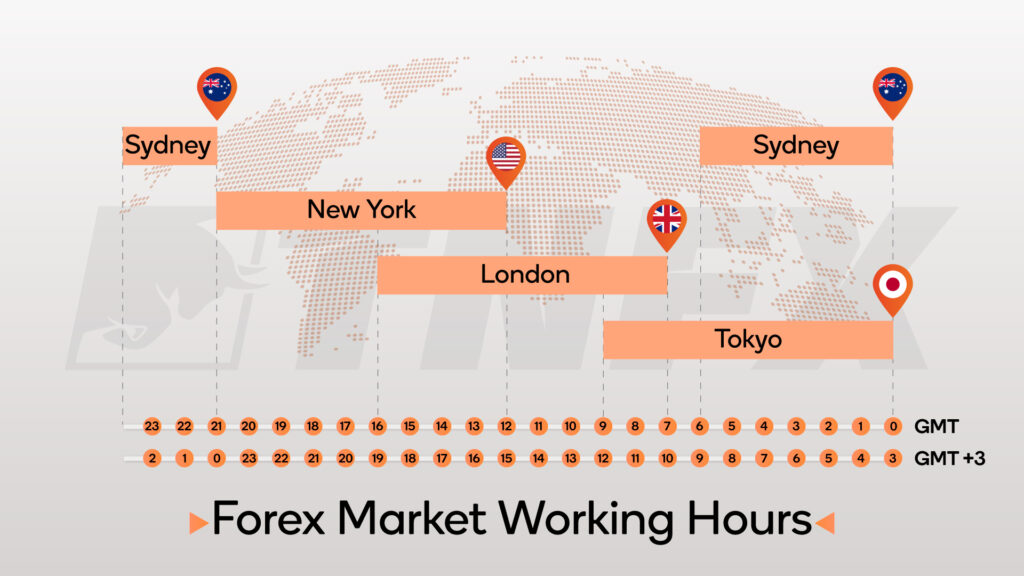
While U.S. markets have defined hours, the concept of “the market” as a whole is effectively 24/7 when considering global exchanges. As one market closes, another is opening:
- Asian Markets: Tokyo (Nikkei), Hong Kong (Hang Seng), Shanghai (SSE) typically open when U.S. markets are closing or in their after-hours session.
- European Markets: London (FTSE), Frankfurt (DAX), Paris (CAC 40) begin trading as Asian markets are winding down and overlap with the latter half of the Asian session and the early hours of the U.S. pre-market.
This continuous cycle of global trading means that news and economic events can ripple across markets instantaneously, influencing prices worldwide. An event that occurs during Asian trading hours might impact European markets, which then sets the tone for the U.S. market open. This interconnectedness means that even when the NYSE is closed, factors from other parts of the world can still influence the sentiment and opening prices for U.S. stocks the next day.
Implications for International Investors
For international investors, the staggered global market hours present both opportunities and challenges:
- Arbitrage Opportunities: Discrepancies in pricing for dually listed stocks (traded on both U.S. and foreign exchanges) can create arbitrage opportunities, though these are typically exploited by sophisticated institutional traders.
- Portfolio Diversification: The ability to trade across different time zones allows for continuous management of globally diversified portfolios, potentially reducing risk by reacting to events as they unfold worldwide.
- Currency Risk: International investors must also factor in currency exchange rates, which fluctuate continuously and can impact the real returns on their U.S. investments.
- Information Overload: Keeping track of news and market movements across multiple time zones requires robust information systems and careful planning.
Navigating these complexities requires a deep understanding of each market’s hours, regulatory environment, and the interdependencies that tie them together.
Evolution and Future of Market Hours
The current structure of NYSE trading hours is a product of historical development and technological advancement, but the financial industry is constantly evolving, prompting debates about future changes.
Historical Context: From Open Outcry to Electronic Trading
The traditional image of the NYSE floor, with its bustling “open outcry” system, characterized trading for centuries. In this environment, human traders physically met on the floor to execute trades, and fixed hours were essential for logistical reasons. The closing bell served a very practical purpose, signaling the end of an intense, physically demanding day.
However, the advent of electronic trading platforms and high-frequency trading (HFT) has fundamentally transformed market operations. Today, the vast majority of trades on the NYSE, even those associated with the listed companies, occur electronically, often off the floor. The physical trading floor now serves more as a symbolic and media hub, with its role in price discovery being largely supplanted by automated systems. This technological shift has fueled discussions about the necessity of maintaining traditional market hours. If machines can trade 24/7, why can’t the market itself?
Debates on Extended or 24/7 Trading
The move towards electronic trading has sparked ongoing discussions about the feasibility and desirability of further extending market hours, or even moving to a full 24/7 trading model.
- Arguments for Extension: Proponents argue that longer hours would increase market access for international investors, allow for immediate reactions to global news, and potentially increase overall market liquidity. It would also align U.S. markets more closely with the continuous nature of cryptocurrency markets, which trade around the clock.
- Arguments Against Extension: Opponents raise concerns about investor well-being (burnout for traders and analysts), potential for decreased liquidity during extended periods, and the operational challenges for market participants and regulators. There are also arguments that the current “downtime” allows for essential price discovery, order consolidation, and regulatory oversight to occur effectively. Furthermore, a truly 24/7 market could exacerbate volatility, as there would be no “reset” period to absorb shocks.
While there’s no immediate indication of the NYSE moving to a fully 24/7 model, the existing extended hours trading sessions represent a compromise between traditional structure and the demands of modern, globally interconnected finance.
Technological Advancements and Market Access
Continuous technological advancements, including AI-driven trading algorithms, increasingly sophisticated ECNs, and ultra-low latency networks, are constantly pushing the boundaries of what’s possible in financial markets. These technologies not only enable efficient trading during existing hours but also pave the way for potential future extensions. As retail investors gain easier access to advanced trading tools and real-time data feeds, the distinction between professional and individual trading capabilities diminishes.
Brokerage platforms are continually improving their offerings for extended hours trading, making it more accessible to a wider range of investors. This democratization of access means that understanding the nuances of market hours—regular, pre-market, and after-hours—will become even more critical for all participants seeking to navigate the increasingly fast-paced and interconnected world of finance. The seemingly simple question of “what time does the NY Stock Exchange close?” thus opens a window into the complex and dynamic ecosystem that drives global economic activity.
aViewFromTheCave is a participant in the Amazon Services LLC Associates Program, an affiliate advertising program designed to provide a means for sites to earn advertising fees by advertising and linking to Amazon.com. Amazon, the Amazon logo, AmazonSupply, and the AmazonSupply logo are trademarks of Amazon.com, Inc. or its affiliates. As an Amazon Associate we earn affiliate commissions from qualifying purchases.