
For investors, traders, and financial enthusiasts, the rhythm of the New York financial markets dictates the pulse of the global economy. Understanding exactly when the New York stock market opens is more than a matter of checking a clock; it is about recognizing the windows of opportunity, liquidity, and volatility that define the modern financial landscape. The two primary exchanges in the United States—the New York Stock Exchange (NYSE) and the Nasdaq—operate on a synchronized schedule that serves as the benchmark for international finance.
The Core Trading Session: Synchronizing with the Opening Bell
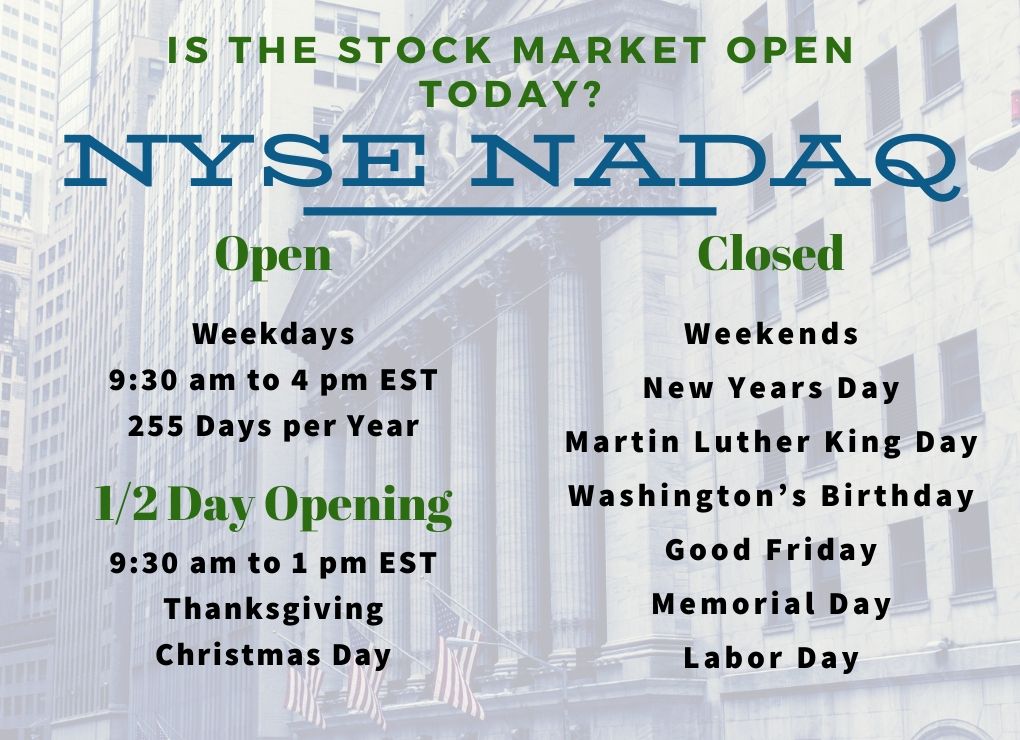
The official start of the trading day in New York is 9:30 AM Eastern Time (ET). At this precise moment, the opening bell rings, signaling the commencement of the “Core Trading Session.” This session runs continuously until 4:00 PM ET, Monday through Friday, excluding specific market holidays.
The Significance of 9:30 AM ET
The opening of the market is one of the most critical moments of the day. In the minutes leading up to 9:30 AM, buy and sell orders that have accumulated overnight are processed. This often results in a surge of volatility as the market seeks a “discovery price” for thousands of individual stocks. For retail investors, the opening minutes represent a period of high risk but also high potential, as prices react to news, earnings reports, or geopolitical events that occurred while the market was closed.
The NYSE and Nasdaq: A Unified Schedule
While the NYSE and Nasdaq are different entities with distinct listing requirements and execution styles—the NYSE historically being an auction market and Nasdaq a dealer market—they both adhere to the same 9:30 AM to 4:00 PM ET schedule. This uniformity ensures that the U.S. equity markets provide a cohesive environment for price discovery and capital allocation.
Beyond the Bell: Understanding Extended Hours Trading
While the core session is the most active, it is not the only time trading occurs. In the digital age, electronic communication networks (ECNs) allow for “Extended Hours Trading.” This consists of two distinct periods: Pre-Market and After-Hours.
The Pre-Market Session (4:00 AM – 9:30 AM ET)
Many brokerage platforms allow active traders to begin placing orders as early as 4:00 AM ET. However, the bulk of pre-market activity usually ramps up around 8:00 AM ET. This session is primarily used by institutional investors and professional traders to react to early morning economic data, such as employment reports or Consumer Price Index (CPI) releases, which are typically published at 8:30 AM ET.
The After-Hours Session (4:00 PM – 8:00 PM ET)
After the closing bell at 4:00 PM ET, the market enters the After-Hours session. This is arguably the most volatile period for individual stocks, as the vast majority of publicly traded companies release their quarterly earnings reports shortly after the close. A company’s stock might end the day at $100, only to swing to $110 or $90 within minutes of an earnings announcement at 4:05 PM.
Risks of Extended Hours Trading
Trading outside of the standard 9:30 AM to 4:00 PM window carries significant risks that every investor should consider:
- Lower Liquidity: There are fewer participants, meaning it may be harder to buy or sell shares at your desired price.
- Wider Spreads: The difference between the “bid” (what buyers will pay) and the “ask” (what sellers want) tends to be much larger, increasing the cost of the trade.
- Increased Volatility: With fewer shares being traded, a single large order can move a stock price dramatically.
The Anatomy of the Trading Day: From Open to Close
Professional traders often divide the standard trading day into three distinct phases. Understanding these phases can help you decide the best time to execute your investment strategy.
The Opening Volatility (9:30 AM – 10:30 AM)
Often referred to as the “opening range,” this hour is characterized by heavy volume and rapid price swings. It is the period when the market “digests” the news from the previous night. Many conservative investors choose to wait until 10:00 AM or 10:30 AM to place trades, allowing the initial frenzy to settle and a clearer trend to emerge.
The Mid-Day Lull (11:30 AM – 1:30 PM)
As floor traders and institutional managers take lunch breaks, trading volume typically thins out. Prices may drift sideways with less conviction. This is often seen as a dangerous time for day traders because the lack of volume can lead to “fake-outs,” where a stock appears to be breaking out of a pattern only to reverse once volume returns.
The “Power Hour” (3:00 PM – 4:00 PM)
The final hour of trading is frequently the most active. Institutional investors often rebalance their portfolios during this time, and “market-on-close” (MOC) orders begin to accumulate. The last 10 minutes, in particular, see a massive influx of volume as traders rush to square their positions before the closing bell.
Market Holidays and Modified Schedules
The New York stock market does not operate every day. It is closed on weekends and observes several federal holidays. It is essential for investors to track these dates to avoid being caught in a position they cannot exit.
Standard Market Holidays
The NYSE and Nasdaq are generally closed on the following holidays:
- New Year’s Day
- Martin Luther King Jr. Day
- Washington’s Birthday (Presidents’ Day)
- Good Friday
- Memorial Day
- Juneteenth National Independence Day
- Independence Day (July 4th)
- Labor Day
- Thanksgiving Day
- Christmas Day
Early Closures
On certain days, usually the day before or after a major holiday, the market observes an early close at 1:00 PM ET. This typically occurs on the Friday after Thanksgiving and sometimes on Christmas Eve or July 3rd, depending on how the calendar falls. During these shortened sessions, liquidity is often very thin, and the market can exhibit unusual behavior.
Strategic Considerations for Global and Retail Investors
Knowing the opening time is the first step, but applying that knowledge to a broader financial strategy is where the real value lies.
Time Zone Management
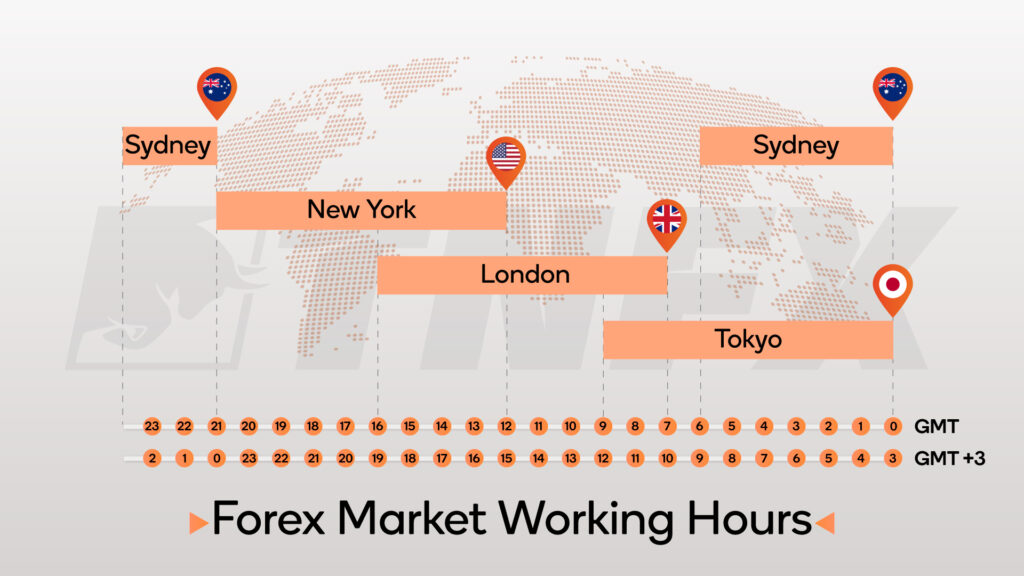
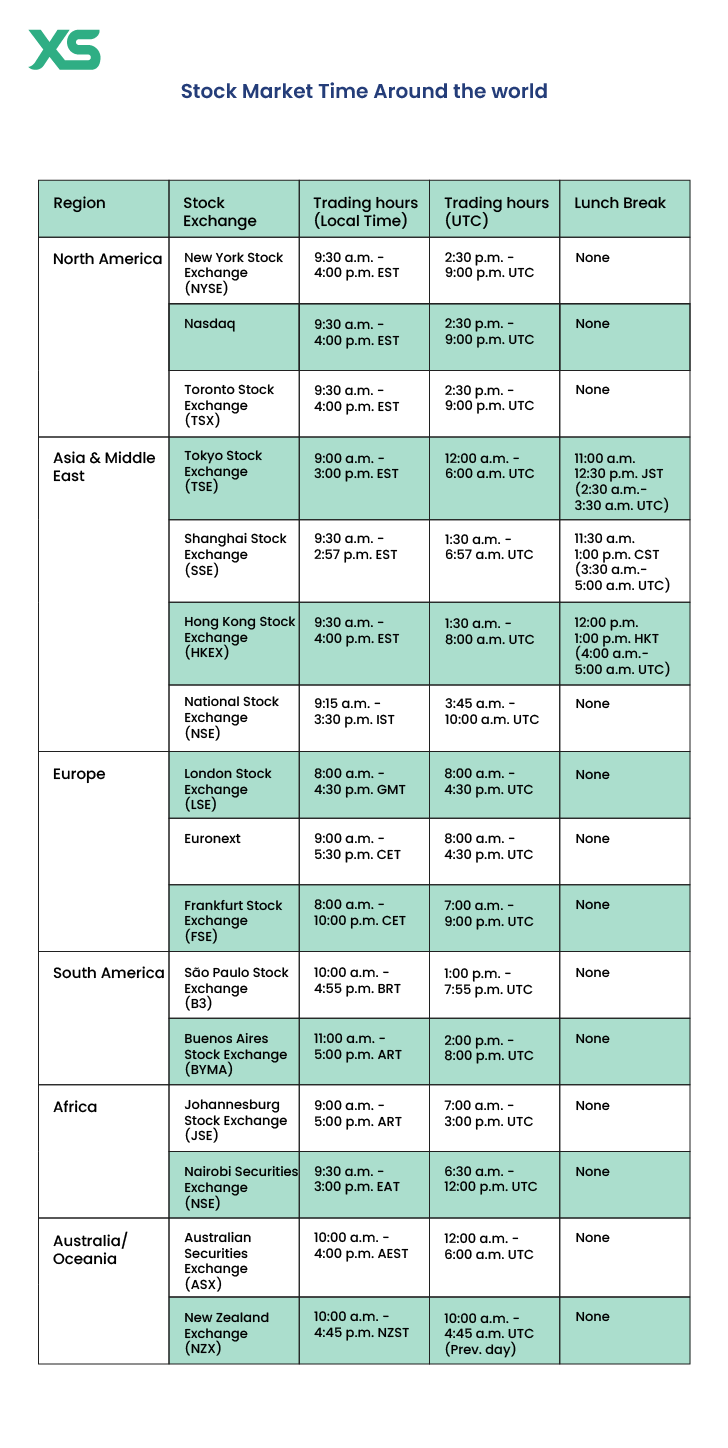
For investors located outside the Eastern Time zone, the New York market hours require significant adjustment. For instance, a trader in London sees the New York open at 2:30 PM local time, while an investor in Tokyo must wait until 10:30 PM (or 11:30 PM depending on Daylight Saving Time). For those on the U.S. West Coast, the market opens at a brisk 6:30 AM PT. Success in global investing requires a disciplined approach to managing these time differences to ensure you are alert during key market transitions.
The Role of Technology and Automation
Modern trading platforms allow you to set “Limit Orders” that can execute even when you aren’t watching the clock. A limit order specifies the maximum price you are willing to pay or the minimum price you are willing to accept. Using these tools is a professional way to navigate the 9:30 AM open without being glued to a screen. You can set your parameters the night before, and the exchange’s computers will execute the trade for you the moment your criteria are met during the core session.
Economic Calendars and Market Timing
Serious investors always keep an eye on the economic calendar. Significant data releases—like the Federal Reserve’s interest rate decisions or the monthly non-farm payrolls report—often happen at 8:30 AM ET or 2:00 PM ET. These events can cause massive shifts in the market exactly one hour before the open or two hours before the close. By aligning your awareness of market hours with these scheduled events, you can avoid being blindsided by sudden market movements.
Conclusion: Why Timing Matters in Business Finance
The New York stock market is the engine of global capitalism. The 9:30 AM ET opening bell is not just a tradition; it is a vital mechanism that brings together buyers and sellers from around the world to determine the value of the world’s largest companies. Whether you are a long-term investor looking to fund a retirement account or a business professional tracking industry competitors, understanding the schedule of the NYSE and Nasdaq is fundamental.
By mastering the nuances of the trading day—from the volatile opening cross to the strategic opportunities of the after-hours session—you position yourself to make more informed, deliberate, and successful financial decisions. The clock is always ticking in Manhattan; knowing how to read it is your first step toward financial proficiency.
aViewFromTheCave is a participant in the Amazon Services LLC Associates Program, an affiliate advertising program designed to provide a means for sites to earn advertising fees by advertising and linking to Amazon.com. Amazon, the Amazon logo, AmazonSupply, and the AmazonSupply logo are trademarks of Amazon.com, Inc. or its affiliates. As an Amazon Associate we earn affiliate commissions from qualifying purchases.