
Understanding the precise operating hours of the New York Stock Exchange (NYSE) and the NASDAQ is fundamental for any investor, financial professional, or business looking to engage with the world’s largest equity markets. While seemingly straightforward, the concept of “closing time” extends beyond a single moment, encompassing regular sessions, extended trading, and a range of implications for financial decision-making and investment strategies. Grasping these nuances is critical for effective portfolio management, risk mitigation, and optimizing financial operations.
The Standard Operating Hours of U.S. Exchanges
The core trading window for the major U.S. stock exchanges is a well-established standard in global finance. This primary session dictates the majority of price discovery and volume, setting the daily benchmarks for countless financial instruments.
NYSE and NASDAQ: The Core Trading Window
Both the New York Stock Exchange (NYSE) and the NASDAQ Stock Market adhere to the same standard trading hours for their regular sessions. Trading commences at 9:30 AM Eastern Time (ET) and concludes at 4:00 PM ET, Monday through Friday. This six-and-a-half-hour window is where the vast majority of transactions occur, influenced by a constant stream of economic data, corporate news, geopolitical events, and investor sentiment.
For individual investors, this window is when their buy and sell orders are most likely to be executed at the quoted market price, benefiting from peak liquidity. Market participants, including institutional investors, hedge funds, and retail traders, closely monitor these hours, strategizing their entries and exits to capitalize on market movements or rebalance portfolios. Understanding this window is also crucial for financial planning, particularly when calculating end-of-day valuations for mutual funds, exchange-traded funds (ETFs), and individual stock holdings, as these often use the closing price as their reference point.
Understanding Market Time Zones
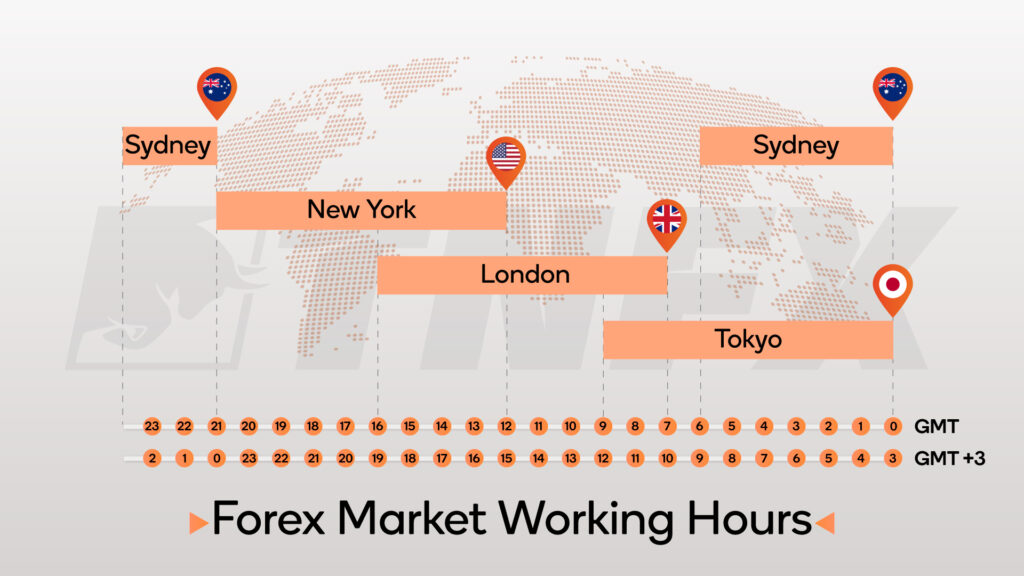
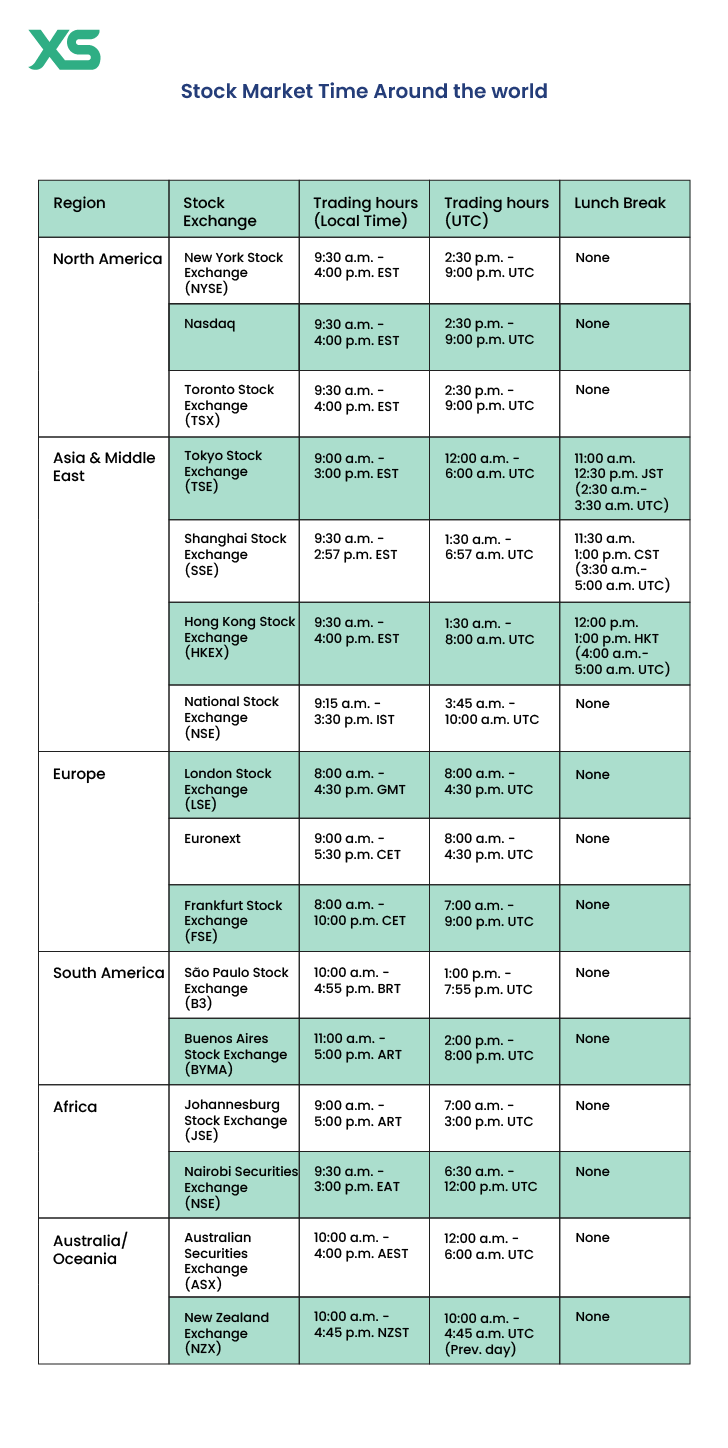
The designation of Eastern Time (ET) is paramount. For investors operating outside the U.S. Eastern Time zone, accurately converting these hours is essential to avoid missed opportunities or unintended order placements. For example, an investor in California (Pacific Time) would see the market open at 6:30 AM PT and close at 1:00 PM PT. Similarly, for an international investor in London (Greenwich Mean Time, GMT), the market would open at 2:30 PM GMT and close at 9:00 PM GMT, while in Tokyo (Japan Standard Time, JST), the market opens at 10:30 PM JST and closes at 5:00 AM JST the following day.
This time zone awareness extends beyond simple scheduling; it impacts how global news cycles interact with market open and close. Economic reports released in Europe or Asia might influence U.S. futures before the NYSE opens, and U.S. earnings announcements after the 4:00 PM ET close can significantly affect the next day’s opening prices. Businesses with international operations must account for these time differences in their financial planning and treasury management, especially when dealing with currency conversions or hedging strategies tied to equity market performance.
Beyond Regular Hours: Pre-Market and After-Hours Trading
While 4:00 PM ET marks the end of the regular trading session, the markets do not entirely cease activity. Pre-market and after-hours trading sessions offer extended opportunities for investors, albeit with distinct characteristics and increased risks. These periods are facilitated by electronic communication networks (ECNs) rather than the physical exchange floors.
Opportunities and Risks of Extended Trading Sessions
Pre-market trading typically runs from 4:00 AM ET to 9:30 AM ET, and after-hours trading extends from 4:00 PM ET to 8:00 PM ET. These extended sessions allow investors to react quickly to news events that occur outside regular hours, such as corporate earnings reports, analyst upgrades or downgrades, or significant geopolitical developments. For day traders, this can present opportunities to capitalize on early momentum or late-day reversals. For long-term investors, it can be a way to adjust positions based on unforeseen events before the next regular session.
However, extended hours trading comes with inherent risks. The most significant is often lower liquidity compared to the regular session. Fewer participants mean wider bid-ask spreads, which can lead to less favorable execution prices. Price volatility can be higher due to the smaller pool of traders, and there might be a greater chance of orders not being filled or only partially filled. For retail investors, access to research and real-time data might also be more limited during these times. Businesses engaging in financial transactions or managing employee stock options must consider the price fluctuations during these extended periods, as they can impact valuations and compensation plans. Personal finance considerations for those investing in individual stocks must include careful risk assessment before engaging in extended-hours trading, often prioritizing limit orders over market orders to control execution prices.
How Orders are Handled Outside Standard Hours
During extended trading sessions, order execution typically relies on electronic systems and ECNs. Unlike the regular market where orders are primarily matched within the exchanges, extended hours trading often involves a network of brokers and market makers who are willing to facilitate trades. Most brokers require investors to explicitly opt-in for extended-hours trading and often recommend using limit orders. A limit order specifies the maximum price an investor is willing to pay for a buy order or the minimum price they are willing to accept for a sell order. This is crucial because, with lower liquidity, a market order could be executed at a price far less desirable than anticipated.
Understanding order types and their implications is a vital financial tool for managing risk during these periods. Investors should be aware that their orders placed during extended hours might not be filled immediately or at all, depending on market activity and the specified limit price. Unfilled orders usually expire at the end of the extended session, requiring re-entry if the investor wishes to pursue the trade during the next available trading window. Financial tools provided by brokerage platforms often offer detailed insights into extended-hours liquidity and order book depth, aiding informed decision-making.
Navigating Market Holidays and Early Closures
The regular trading schedule is not absolute. U.S. federal holidays and occasional scheduled early closures modify these hours, an essential detail for any individual or business involved in financial markets.
U.S. Federal Holidays Affecting Trading
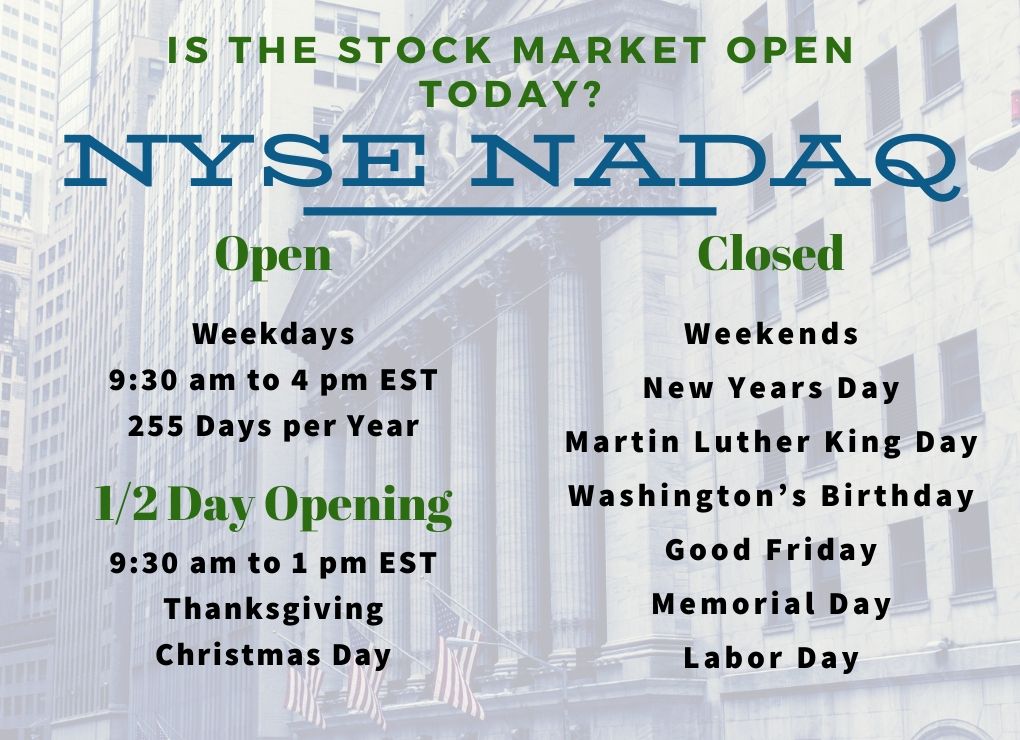
Both the NYSE and NASDAQ observe several U.S. federal holidays, during which the markets are closed entirely. These typically include:
- New Year’s Day
- Martin Luther King, Jr. Day
- Presidents’ Day
- Good Friday
- Memorial Day
- Juneteenth National Independence Day
- Independence Day
- Labor Day
- Thanksgiving Day
- Christmas Day
When these holidays fall on a weekend, the market typically observes them on the closest weekday. For example, if Independence Day falls on a Saturday, the market might close on the preceding Friday. It is imperative for investors and financial professionals to consult the official exchange calendars well in advance, usually available on the NYSE and NASDAQ websites. These closures impact trading strategies, settlement cycles for transactions, and the timing of financial news releases. Businesses also need to factor these into their financial forecasting, cash flow management, and quarter-end reporting schedules, as market closures can delay access to funds or impact valuation exercises.
Scheduled Early Closures and Their Impact
In addition to full-day holidays, the exchanges occasionally have scheduled early closures. These typically occur the day before or the day after certain holidays, such as the day after Thanksgiving (Black Friday) or Christmas Eve. On these days, the markets might close at 1:00 PM ET instead of 4:00 PM ET. While trading volume can still be significant during these abbreviated sessions, liquidity might dwindle as the early closing time approaches, potentially affecting order execution.
For investors, awareness of these early closures is crucial for planning trades, especially for day traders who might rely on a full day’s activity. For businesses, early closures can affect intra-day liquidity management and the finalization of transactions requiring same-day market pricing. Financial reporting deadlines that coincide with or immediately follow these periods may also require careful adjustment. Access to financial tools that provide real-time market calendars and alerts can be invaluable for navigating these changes without disruption to personal finance or business operations.
Strategic Implications for Investors and Businesses
Understanding market closing times extends beyond mere scheduling; it forms a critical component of effective investment strategy and sound business finance practices.
Investor Strategies: Day Trading vs. Long-Term Holding
For day traders, who aim to profit from intra-day price movements, the regular 9:30 AM to 4:00 PM ET window is their primary domain. They rely on high liquidity and consistent price action to execute multiple trades within a single session, aiming to close all positions before the 4:00 PM bell to avoid overnight risk. The closing time dictates their entire operational rhythm, from position sizing to risk management and profit-taking targets. Extended hours might offer specific opportunities but are often approached with heightened caution due to lower liquidity.
Long-term investors, while less concerned with minute-by-minute fluctuations, still benefit from knowing market hours. The closing price of a stock or ETF is often the reference point for their portfolio valuations, particularly when reviewing performance or making rebalancing decisions. Understanding holiday schedules ensures that dividend payments, stock splits, or other corporate actions are properly accounted for without expecting market activity on a non-trading day. For personal finance, knowing market hours helps in setting realistic expectations for when investment account updates will reflect the latest market activity.
Business Finance and End-of-Day Valuations
In the realm of business finance, market closing times have profound implications. Corporations with publicly traded stock rely on the 4:00 PM ET closing price for various purposes:
- Valuation: The market close provides the official valuation for their own stock, which is essential for reporting, M&A activities, and executive compensation calculations (e.g., stock options vesting).
- Treasury Management: Businesses holding portfolios of marketable securities use closing prices to mark-to-market their holdings, impacting their balance sheets and financial statements.
- Cash Flow & Liquidity: For companies engaged in frequent financial transactions, knowledge of closing times influences when funds can be accessed or settled, impacting daily cash flow management and working capital decisions.
- Borrowing & Lending: Financial institutions use market closing data to calculate collateral requirements and interest rates for various lending products.
Accurate, real-time access to market closing data, often through sophisticated financial tools, is therefore indispensable for corporate finance departments to maintain compliance and strategic agility.
The Role of Financial Technology in Market Access
Modern financial technology (fintech) has revolutionized how investors and businesses interact with market closing times. Brokerage platforms provide instant access to pre-market and after-hours trading, offering sophisticated order types (e.g., good-till-cancel, fill-or-kill, stop-limit orders) that can be tailored for execution during specific market windows. Algorithmic trading systems are programmed to react instantaneously to market close events, adjusting positions or executing large block trades.
Furthermore, financial tools now offer comprehensive market calendars, customizable alerts for closures, and real-time news feeds that impact trading before, during, and after regular hours. For personal finance, mobile investment apps democratize access to market information, allowing individuals to monitor their portfolios and place orders according to their understanding of market timing, all from the convenience of their devices. This technological advancement empowers both novice and seasoned investors to navigate the complexities of market hours with greater precision and control.
The Global Context: Why U.S. Hours Matter
The U.S. stock market’s closing time is not an isolated event but a critical point in the interconnected global financial system. Its influence reverberates across continents, affecting investment decisions and market sentiment worldwide.
Interconnectedness of Global Markets
The close of the NYSE and NASDAQ marks the end of a significant trading day that has influenced global markets from Asia to Europe. As the U.S. market winds down, market participants in Asia are preparing for their next trading day, and European markets have often already closed. News or significant price movements in the U.S. during its trading hours, or even during extended hours, can set the tone for subsequent trading sessions in other regions. For example, a major tech company’s earnings announcement after the U.S. market close can impact tech stocks globally, affecting futures markets in Asia even before European markets open. This global ripple effect means that investors with international portfolios must remain aware of how U.S. closing actions might influence their holdings in other markets.
Managing International Portfolios Around U.S. Close
For investors managing diversified portfolios with exposure to multiple international markets, the U.S. closing time is a crucial data point. Decisions regarding hedging currency risks, rebalancing global asset allocations, or reacting to international economic news often need to consider the current state and recent close of the U.S. market. For instance, a commodity price movement driven by U.S. inventory data released near the NYSE close can influence commodity-linked stocks or currencies in other countries. Financial advisors often counsel clients with international investments to be particularly vigilant during these transition periods, utilizing financial tools that offer global market monitoring and cross-currency analysis. Understanding the closing time of the New York Stock Market is therefore not just about domestic investing; it is a key piece of the puzzle for navigating the complex and interconnected world of global finance and making informed investment decisions.
aViewFromTheCave is a participant in the Amazon Services LLC Associates Program, an affiliate advertising program designed to provide a means for sites to earn advertising fees by advertising and linking to Amazon.com. Amazon, the Amazon logo, AmazonSupply, and the AmazonSupply logo are trademarks of Amazon.com, Inc. or its affiliates. As an Amazon Associate we earn affiliate commissions from qualifying purchases.