
For anyone navigating the dynamic world of investing, understanding the operational hours of major stock exchanges is fundamental. The Nasdaq Stock Market, renowned globally as a hub for technology and growth companies, operates within specific timeframes that dictate when investors can buy and sell securities. While the question seems straightforward, its implications for strategy, risk management, and market analysis are profound. This article will delve into the precise closing times of the Nasdaq, explore the nuances of extended trading sessions, and discuss how these hours impact various investment approaches, providing a comprehensive guide for both novice and seasoned market participants.
The Core Trading Hours: Understanding the Nasdaq’s Daily Cycle
The Nasdaq, like most major U.S. stock exchanges, adheres to a standard schedule that aims to provide a consistent and orderly environment for trading. These hours are meticulously planned to align with typical business operations and maximize liquidity during peak activity.
The Regular Session: Open and Close Times
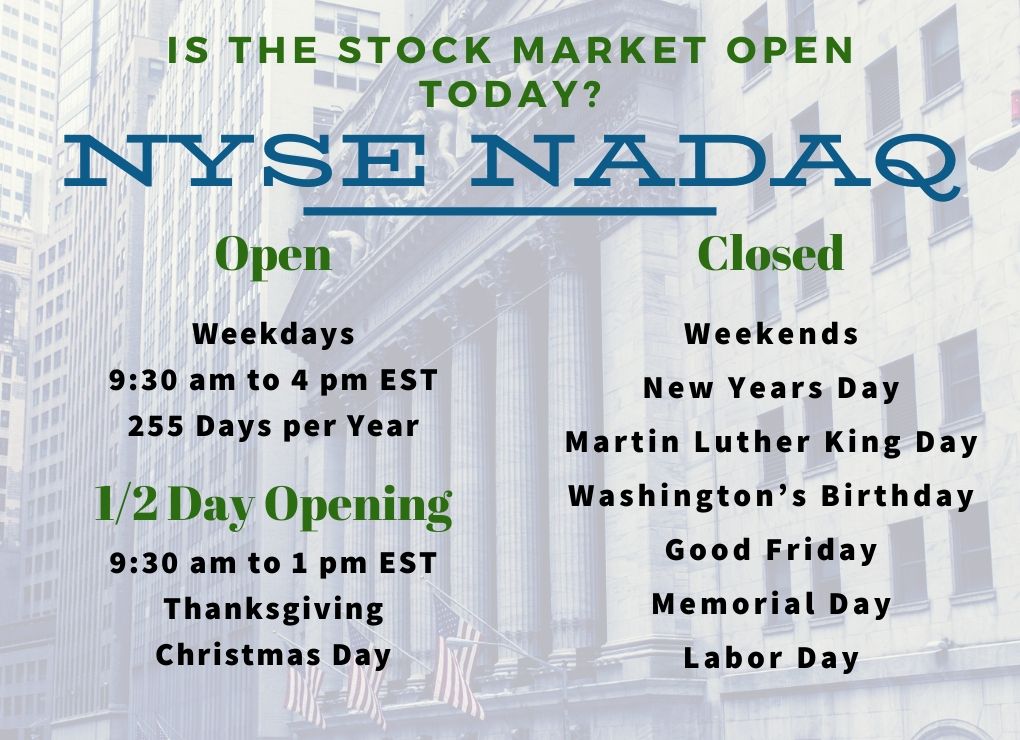
The regular trading session for the Nasdaq Stock Market officially closes at 4:00 PM Eastern Time (ET). It opens at 9:30 AM ET, establishing a daily six-and-a-half-hour window for market participants to execute trades. This period is often referred to as “market hours” or “standard trading hours,” and it represents the most liquid and transparent phase of the trading day. During these hours, the majority of trading volume occurs, leading to tighter bid-ask spreads and more efficient price discovery. Investors can typically expect their orders to be filled quickly and at prices closely reflecting the prevailing market sentiment.
The fixed nature of these hours provides a structured rhythm for the financial world. It allows for a concentrated period of activity, making it easier for financial professionals, analysts, and individual investors to monitor market movements, react to news, and implement their strategies. The closing bell at 4:00 PM ET signifies the end of this primary trading window, but it doesn’t necessarily mean the end of all trading activity on the Nasdaq.
Why These Hours? The Rationale Behind Market Operations
The establishment of specific trading hours is not arbitrary; it’s a carefully considered decision rooted in the principles of market efficiency, fairness, and investor protection. Historically, before the advent of widespread electronic trading, exchanges required physical presence and coordination, making defined hours a logistical necessity. Today, even with fully electronic systems, the benefits of structured hours persist.
Firstly, concentrated trading hours enhance market liquidity. By funneling all trading activity into a defined window, there are more buyers and sellers present simultaneously, which leads to tighter spreads and more accurate pricing. This reduces the cost of trading and ensures that large orders can be executed without significantly moving the market against the trader.
Secondly, defined hours provide time for processing and reconciliation. After the market closes, clearing houses and financial institutions require time to settle trades, process orders, and prepare for the next trading day. This “back office” work is critical for maintaining the integrity and stability of the financial system.
Lastly, fixed hours help manage information flow and volatility. Key economic data releases, corporate earnings reports, and geopolitical news often occur outside of regular trading hours. This allows market participants time to digest and analyze information before the next open, preventing excessive volatility that could arise from immediate, uninformed reactions. While this doesn’t eliminate volatility, it can help temper extreme swings by providing a cooling-off period.
Navigating Extended Trading: Pre-Market and After-Hours Sessions
While the regular 9:30 AM to 4:00 PM ET session defines the core of Nasdaq trading, the exchange also facilitates trading outside these conventional boundaries. These extended sessions, known as pre-market and after-hours trading, offer flexibility but come with their own set of characteristics and risks.
Pre-Market Trading: Seizing Early Opportunities
Pre-market trading on the Nasdaq typically begins as early as 4:00 AM ET and concludes at the regular market open of 9:30 AM ET. This window allows investors to react to news that breaks overnight or early in the morning before the mainstream market opens. For instance, a company might release an earnings report at 7:00 AM ET, and investors can begin trading its stock in the pre-market session based on this new information.
The primary appeal of pre-market trading is the opportunity to get ahead of the curve. Investors can potentially capitalize on early price movements or position themselves before the influx of volume during regular hours. However, this early access comes with significant caveats.
After-Hours Trading: Reacting to Late-Breaking News
After-hours trading on the Nasdaq commences immediately after the regular session closes at 4:00 PM ET and can extend as late as 8:00 PM ET. Similar to pre-market trading, this session allows participants to react to news and events that occur after the closing bell. Many corporate announcements, such as quarterly earnings calls or significant corporate actions, are scheduled for after-market hours to allow a wider audience to digest the information without disrupting the regular trading flow.
This period is particularly crucial for investors who want to adjust their positions quickly in response to market-moving news released in the late afternoon or early evening. It allows for immediate action rather than waiting for the next day’s open, which could lead to substantial price gaps.
Risks and Opportunities in Extended Trading
Extended trading sessions present both unique opportunities and heightened risks that investors must carefully consider.
Opportunities:
- Early Reaction to News: The ability to trade based on fresh information before or after the regular session allows investors to potentially capitalize on immediate price movements.
- Flexibility: It offers convenience for investors whose schedules do not align with regular market hours.
- Price Discovery: Extended hours contribute to continuous price discovery, helping to establish the opening price for the next regular session.
Risks:
- Lower Liquidity: Significantly fewer participants trade during extended hours compared to the regular session. This often results in lower trading volumes, making it harder to execute trades at desired prices. Large orders can disproportionately impact prices.
- Wider Bid-Ask Spreads: Due to lower liquidity, the difference between the highest price a buyer is willing to pay (bid) and the lowest price a seller is willing to accept (ask) tends to be much wider. This means investors might buy higher or sell lower than they would during regular hours.
- Increased Volatility: While the intention is to allow time for information digestion, the reduced liquidity in extended hours can also lead to exaggerated price swings on relatively small trading volumes, making stocks more susceptible to manipulation or sharp, unpredictable movements.
- Professional Dominance: Institutional investors and high-frequency trading firms often dominate extended hours, potentially placing individual investors at a disadvantage.
- Limited Order Types: Not all order types available during regular hours may be supported in extended sessions. Market orders, for example, can be particularly risky due to wider spreads and volatility.
Investors participating in pre-market or after-hours trading should use limit orders to control their execution prices and be acutely aware of the lower liquidity and increased volatility.
The Strategic Implications of Market Hours for Investors
The timing of market open and close, along with the availability of extended trading, profoundly influences how investors plan, execute, and evaluate their financial strategies. Understanding these implications is crucial for maximizing returns and managing risk effectively.
Impact on Day Traders vs. Long-Term Investors
The impact of market hours varies significantly depending on an investor’s time horizon and trading style.
Day Traders: For day traders, who typically open and close positions within a single trading day, the regular session’s 9:30 AM to 4:00 PM ET window is their primary battleground. They thrive on the high liquidity and tighter spreads, exploiting intraday price movements. The opening and closing minutes of the regular session, often characterized by higher volatility and volume, are particularly critical. Day traders might sparingly use pre-market or after-hours trading to react to significant news or to exit positions quickly, but they are highly susceptible to the risks of lower liquidity and wider spreads inherent in these extended periods. Their strategies are intricately tied to the rapid fluctuations and information flow within the core market hours.
Long-Term Investors: For those with a long-term investment horizon (weeks, months, or years), the precise daily closing time of the Nasdaq is less critical for immediate trading decisions. Their focus is on the fundamental value of companies, macroeconomic trends, and long-term growth prospects. While they track market movements, they are less concerned with intraday volatility. However, understanding extended hours is still relevant. Long-term investors may use after-hours trading to react to major news that could fundamentally alter a company’s outlook, or to place orders that will execute at the next market open. The broader market sentiment during regular hours, though, remains their key barometer for valuation and portfolio rebalancing.
Information Flow and Volatility Dynamics
Market hours are intrinsically linked to the flow of information and subsequent market volatility. Major economic reports (e.g., CPI, jobless claims), Federal Reserve announcements, and corporate earnings releases are strategically scheduled. Often, these high-impact events are timed either before market open or after market close. This scheduling aims to give market participants time to digest the information, leading to more rational responses rather than knee-jerk reactions that could be exacerbated by high trading volume.
The opening bell, particularly, can witness a surge in volatility as accumulated overnight news and pending orders are processed. Similarly, the “power hour” (the last hour of trading, 3:00 PM to 4:00 PM ET) often sees increased volume and volatility as traders close positions, institutions rebalance portfolios, and end-of-day news potentially influences sentiment. Understanding these patterns allows investors to anticipate periods of higher activity and adjust their trading strategies accordingly, whether it means avoiding certain times or actively seeking opportunities within them.
Syncing Personal Schedules with Market Activity
For individual investors, particularly those balancing full-time jobs or other commitments, aligning personal schedules with Nasdaq’s operating hours is a practical consideration. Those working during the regular 9:30 AM to 4:00 PM ET window might find pre-market or after-hours trading necessary to manage their portfolios. However, as discussed, this comes with inherent risks.
Alternatively, some investors choose to place “good till cancelled” (GTC) limit orders, which remain active for a specified period or until executed, allowing them to participate in the market without constant real-time monitoring. Others dedicate specific times before or after work to analyze market data, review news, and plan their trades for execution during the most liquid parts of the regular session, potentially using a broker’s app or online platform. Effectively integrating market activity into one’s personal and professional life requires a clear understanding of the Nasdaq’s operational rhythm and a realistic assessment of one’s risk tolerance for extended trading.
When the Market Diverges: Holidays and Special Closures
While the Nasdaq typically operates Monday through Friday, 9:30 AM to 4:00 PM ET, there are significant exceptions. U.S. national holidays and unforeseen events can alter this schedule, leading to full-day closures or abbreviated trading sessions. Being aware of these deviations is crucial for financial planning and avoiding missed opportunities or unexpected portfolio inactivity.
Major U.S. Holidays Affecting Nasdaq Trading
The Nasdaq observes several U.S. federal holidays, during which the market is fully closed. These closures are planned well in advance and announced by the exchange. Common full-day closures include:
- New Year’s Day
- Martin Luther King, Jr. Day
- Presidents’ Day
- Good Friday (though not a federal holiday, it’s widely observed by financial markets)
- Memorial Day
- Juneteenth National Independence Day
- Independence Day (July 4th)
- Labor Day
- Thanksgiving Day
- Christmas Day
If a holiday falls on a weekend, it is typically observed on the preceding Friday or following Monday. For instance, if Christmas Day falls on a Saturday, the market might close on Friday, December 24th. These closures mean no trading activity whatsoever, including pre-market and after-hours sessions.
Half-Day Sessions and Unforeseen Disruptions
In addition to full-day closures, the Nasdaq occasionally operates on a half-day schedule, typically closing early at 1:00 PM ET. This commonly occurs on days preceding or following major holidays, such as the day after Thanksgiving (Black Friday) or Christmas Eve. On these days, extended trading sessions might also be abbreviated or entirely absent. Investors should consult the Nasdaq’s official calendar or their brokerage’s announcements for precise details.
Beyond scheduled closures, rare but significant unforeseen disruptions can also lead to market closures or delays. These might include severe weather events, national emergencies, or technical glitches that compromise the integrity of the trading system. While such events are uncommon, exchanges have protocols in place to manage them, prioritizing market stability and investor protection. In such cases, public announcements from the Nasdaq and financial news outlets would provide immediate guidance.
Staying informed about these holiday schedules and potential disruptions is vital. Financial news outlets, brokerage platforms, and the Nasdaq’s official website routinely publish annual calendars of market closures. Integrating these dates into personal financial planning ensures that investors are not caught off guard, allowing them to plan their trades and portfolio adjustments around non-trading days.
The Global Perspective: How Nasdaq Hours Intersect with International Markets
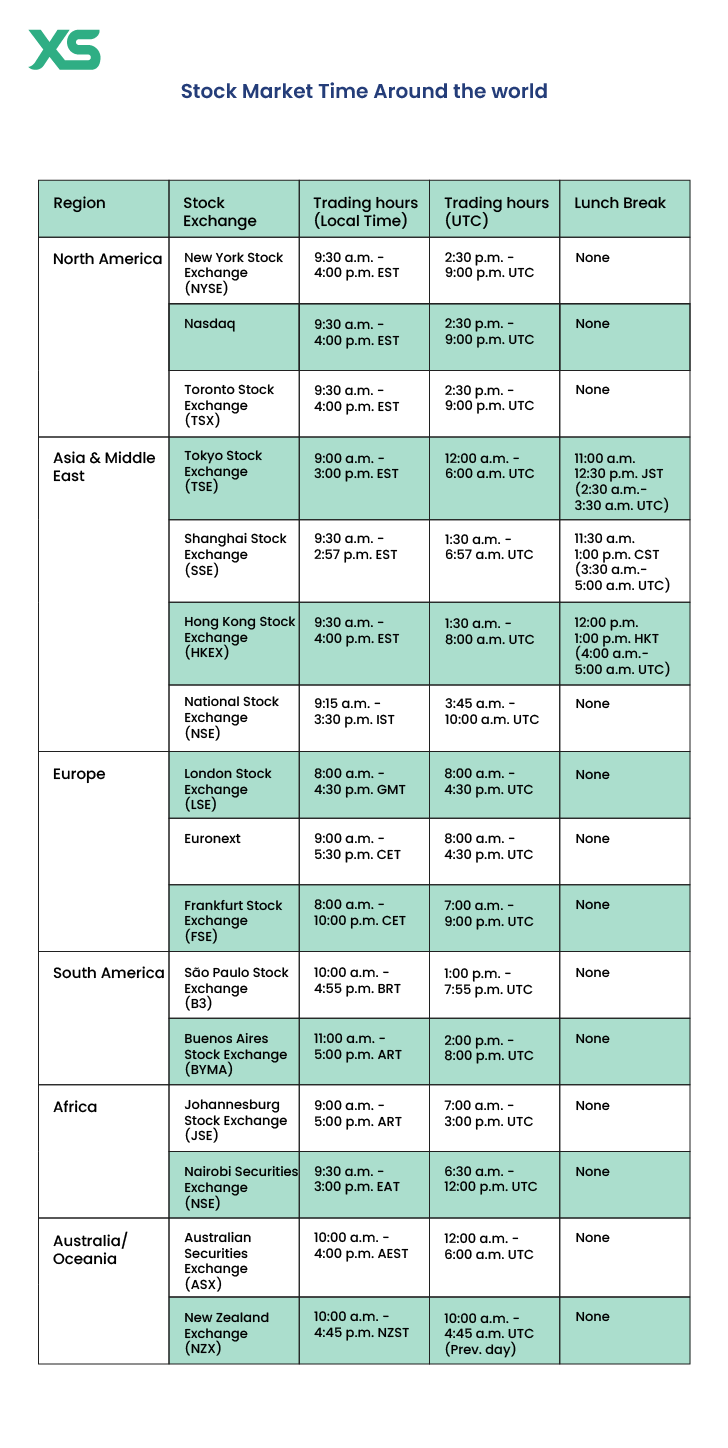
While the Nasdaq’s operating hours are fixed to Eastern Time, its position as a global financial powerhouse means its schedule impacts and is influenced by financial markets around the world. Understanding this interconnectedness provides a broader context for investing in a globalized economy.
Seamless Trading Across Time Zones
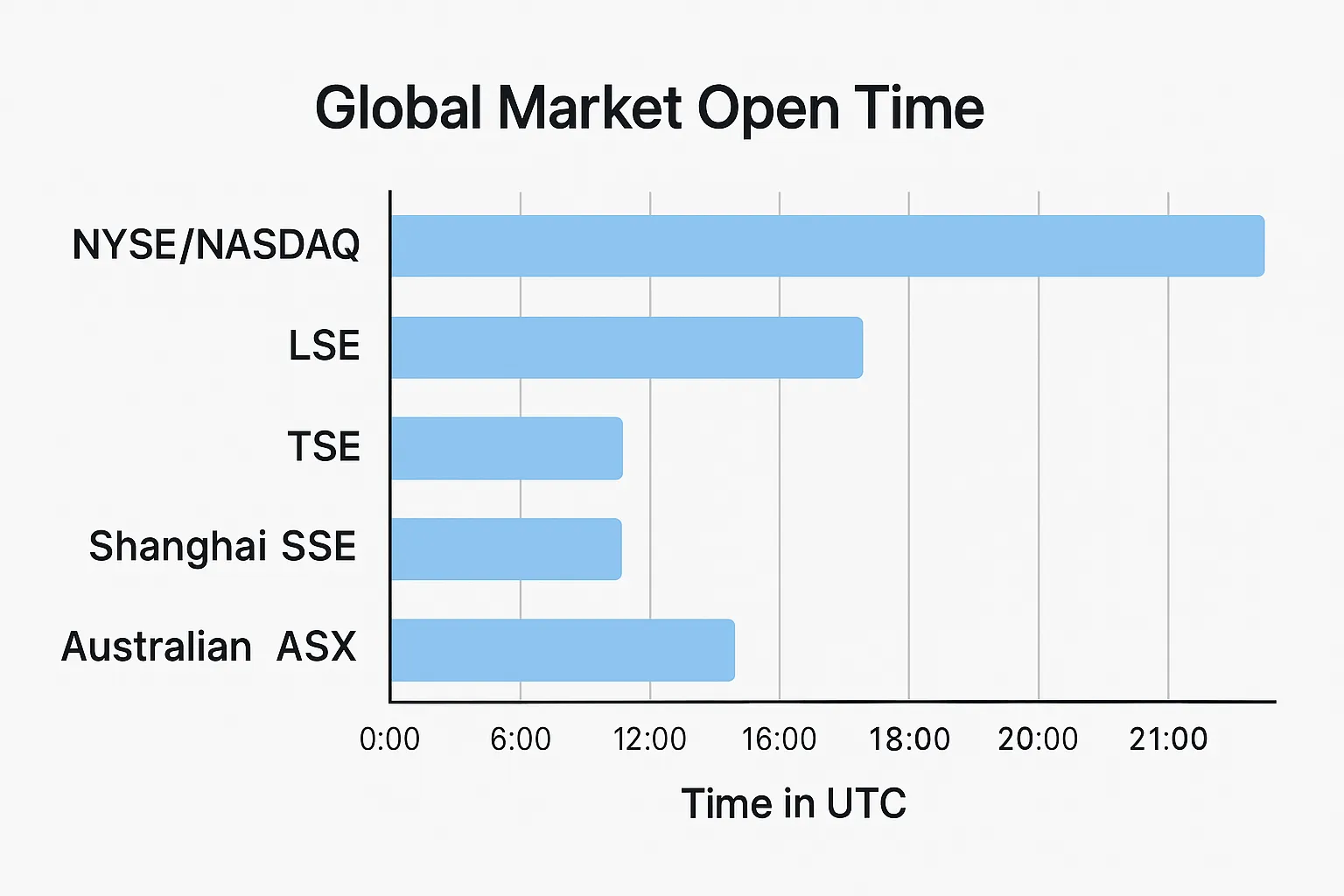
For international investors, navigating the Nasdaq’s hours requires an understanding of time zone differences. An investor in London, for example, would find the Nasdaq’s 9:30 AM to 4:00 PM ET regular session corresponds to 2:30 PM to 9:00 PM GMT. An investor in Tokyo would experience these hours from 10:30 PM to 5:00 AM JST the following day. This means that trading on the Nasdaq for many global participants often occurs during their local evening or early morning hours.
This time difference means that news originating from Asian or European markets can directly influence the Nasdaq’s pre-market activity, and similarly, Nasdaq’s performance can set the tone for the next day’s open in markets further west. Financial professionals and sophisticated retail investors often track multiple markets across different time zones to gain a holistic view of global sentiment and capital flows.
The Interconnectedness of Global Finance
The Nasdaq’s closing time is not just an arbitrary end to trading; it’s a point within a continuous global cycle of financial markets. As the Nasdaq closes, major Asian markets are preparing to open or are already in full swing. When the Nasdaq reopens, European markets have been trading for several hours. This staggered schedule creates a “relay race” of global trading, where events in one major financial center can ripple across others.
For example, a significant economic data release in China during its trading hours can impact commodity prices, which in turn affect the stocks of energy or mining companies listed on the Nasdaq. Conversely, a major earnings surprise from a Nasdaq-listed tech giant announced after its close can set the direction for global technology stocks in Europe and Asia the following day. This interconnectedness underscores the importance of a broader market awareness, where understanding the specific closing time of the Nasdaq is just one piece of a much larger, always-on global financial puzzle. Investors with diversified portfolios that include international assets must consider how the closing of one major market influences the openings and operations of others, shaping a truly global investment strategy.
Conclusion
The question “what time does the Nasdaq close?” leads to a deeper exploration of market mechanics, strategic investing, and the global financial landscape. The regular session’s 4:00 PM ET closing time is the anchor, defining the most liquid and efficient period for trading. However, savvy investors recognize the importance of pre-market and after-hours sessions, which extend opportunities for reacting to news but introduce greater risks due to lower liquidity and increased volatility.
Beyond the daily cycle, understanding holiday closures and special circumstances is essential for uninterrupted portfolio management. Furthermore, for a truly comprehensive perspective, the Nasdaq’s hours must be viewed within the context of global markets, recognizing the continuous flow of capital and information across different time zones. By mastering these nuances, investors can make more informed decisions, mitigate risks, and position themselves effectively in the ever-evolving world of finance. Whether you’re a day trader meticulously planning your entries and exits or a long-term investor focusing on fundamental growth, a thorough grasp of the Nasdaq’s operational rhythm is a fundamental pillar of sound financial strategy.
aViewFromTheCave is a participant in the Amazon Services LLC Associates Program, an affiliate advertising program designed to provide a means for sites to earn advertising fees by advertising and linking to Amazon.com. Amazon, the Amazon logo, AmazonSupply, and the AmazonSupply logo are trademarks of Amazon.com, Inc. or its affiliates. As an Amazon Associate we earn affiliate commissions from qualifying purchases.