
The question “What time does the Met Gala red carpet start?” might seem like a simple logistical inquiry, a quick search for a specific hour on a specific date. However, to approach this query purely from a time-telling perspective would be to miss the forest for a single tree. In the realm of high-stakes brand strategy and global cultural marketing, the precise timing of the Met Gala’s red carpet is far more than an arbitrary schedule slot; it is a meticulously calculated strategic decision, a cornerstone of one of the world’s most powerful event brands. This isn’t merely about celebrities arriving; it’s about a global brand activating its core identity, orchestrating a media spectacle, and cementing its status as a cultural touchstone.
The Met Gala, officially the Costume Institute Gala, is the annual fundraising event for the Metropolitan Museum of Art’s Costume Institute in New York City. Over the decades, it has transcended its philanthropic origins to become the ultimate intersection of fashion, art, celebrity, and commerce. The red carpet, in particular, serves as the grand overture to this symphony, a masterclass in brand activation that sets the tone, dictates the narrative, and captures the world’s attention. Understanding the ‘when’ requires delving into the ‘why’ from a brand perspective.
The Red Carpet as a Global Brand Launchpad
The Met Gala red carpet is arguably the most significant visual marketing component of the entire event. It’s where the year’s theme is brought to life through avant-garde fashion, where celebrity influence is leveraged to its maximum potential, and where the Met Gala brand itself is refreshed and relaunched into the global consciousness. Its timing isn’t just about guests getting there on schedule; it’s about optimizing brand exposure and impact.
Orchestrating Anticipation and Media Blitz
Every year, the Met Gala is held on the first Monday of May. This consistency in timing is a deliberate brand choice, creating a fixed anchor in the global calendar that builds anticipation year after year. The specific hour for the red carpet arrivals, typically commencing around 5:30 PM to 6:00 PM Eastern Standard Time (EST) in New York City, is chosen with surgical precision to maximize global media capture.
This timing allows for optimal coverage across various media cycles. It’s late enough in the afternoon for European markets to tune in during their evening hours and early enough for west coast American audiences to engage without staying up too late. For Asian markets, while it might be early morning, the immediate digital dissemination ensures that content is available at the start of their day. This careful consideration of time zones isn’t accidental; it’s a strategic move to ensure simultaneous global relevance. The brand message – the year’s theme, the fashion narratives, the sheer spectacle – needs to hit maximum saturation almost instantly. The red carpet acts as the initial blast radius, initiating a media blitz that continues for days, if not weeks, post-event. It’s about creating a moment so impactful that it becomes unavoidable, a true testament to its branding prowess.
Crafting the Visual Identity
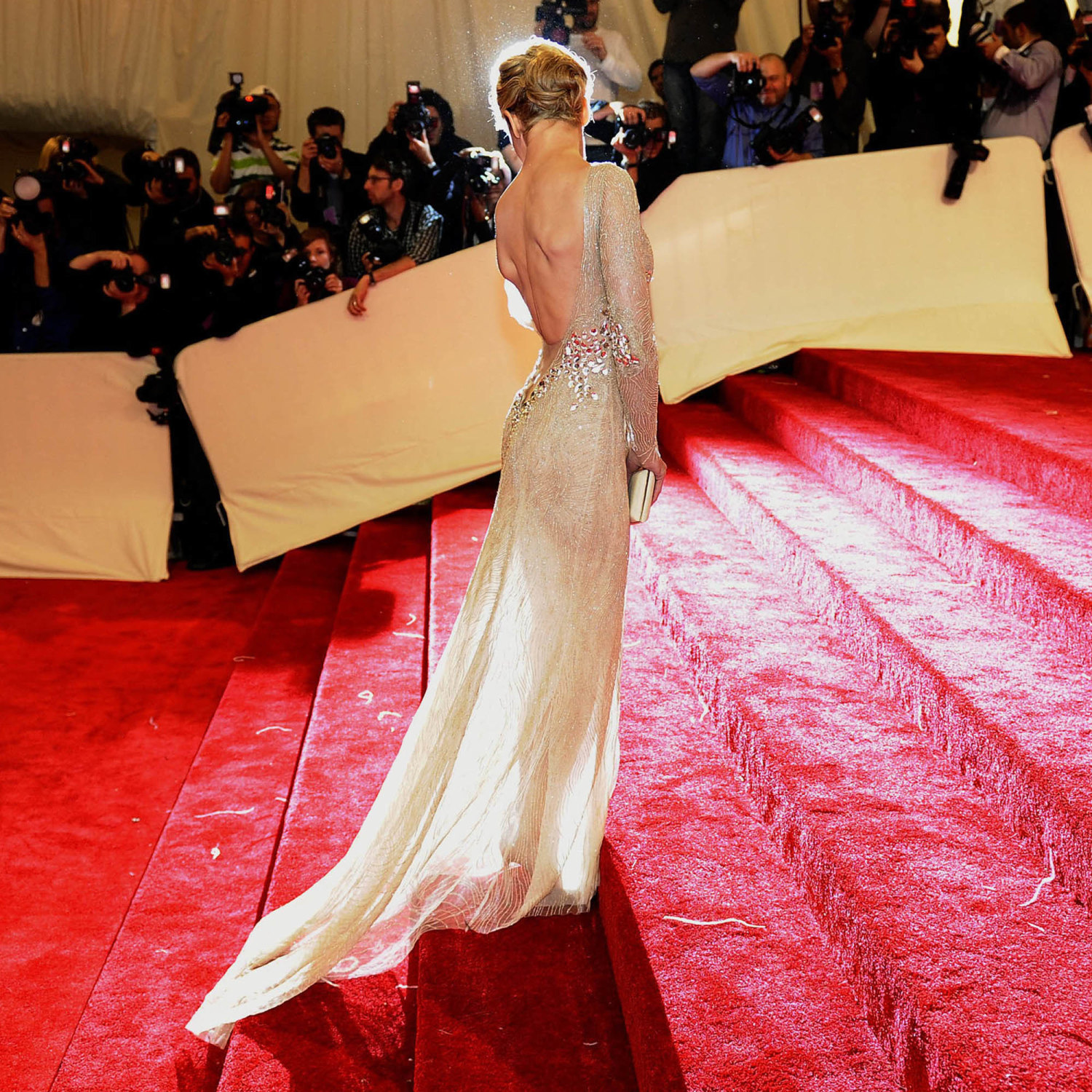
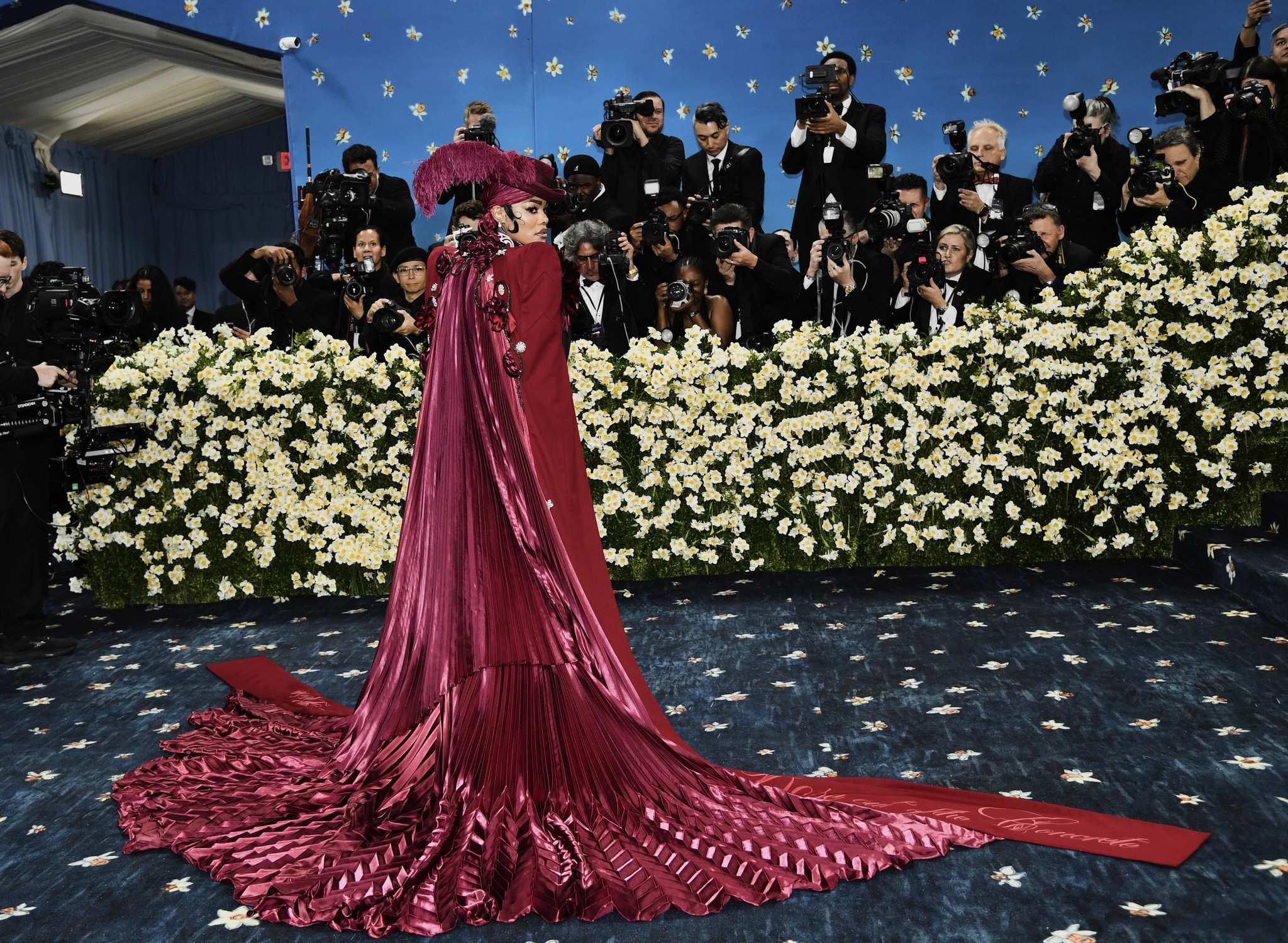
The red carpet itself is a carefully designed stage, an extension of the Met Gala’s brand identity. From the precise shade of red (or sometimes an alternative color chosen to complement the year’s theme) to the architectural backdrop and floral arrangements, every visual element is meticulously curated. This isn’t just about aesthetics; it’s about reinforcing the brand’s core values: luxury, artistry, exclusivity, and cultural significance.
The timing of the arrivals allows for specific lighting conditions that enhance photographic and videographic capture, crucial for disseminating the event’s visual narrative globally. Professional photographers and videographers are strategically positioned, ready to immortalize each designer creation and celebrity pose. This visual feast, choreographed to perfection, forms the backbone of the Met Gala’s external communications, shaping public perception and cementing its image as the pinnacle of fashion events. The red carpet becomes a living, breathing tableau, a high-fashion runway where the brand’s story is told in real-time, garment by garment.
Celebrity as Brand Amplifiers
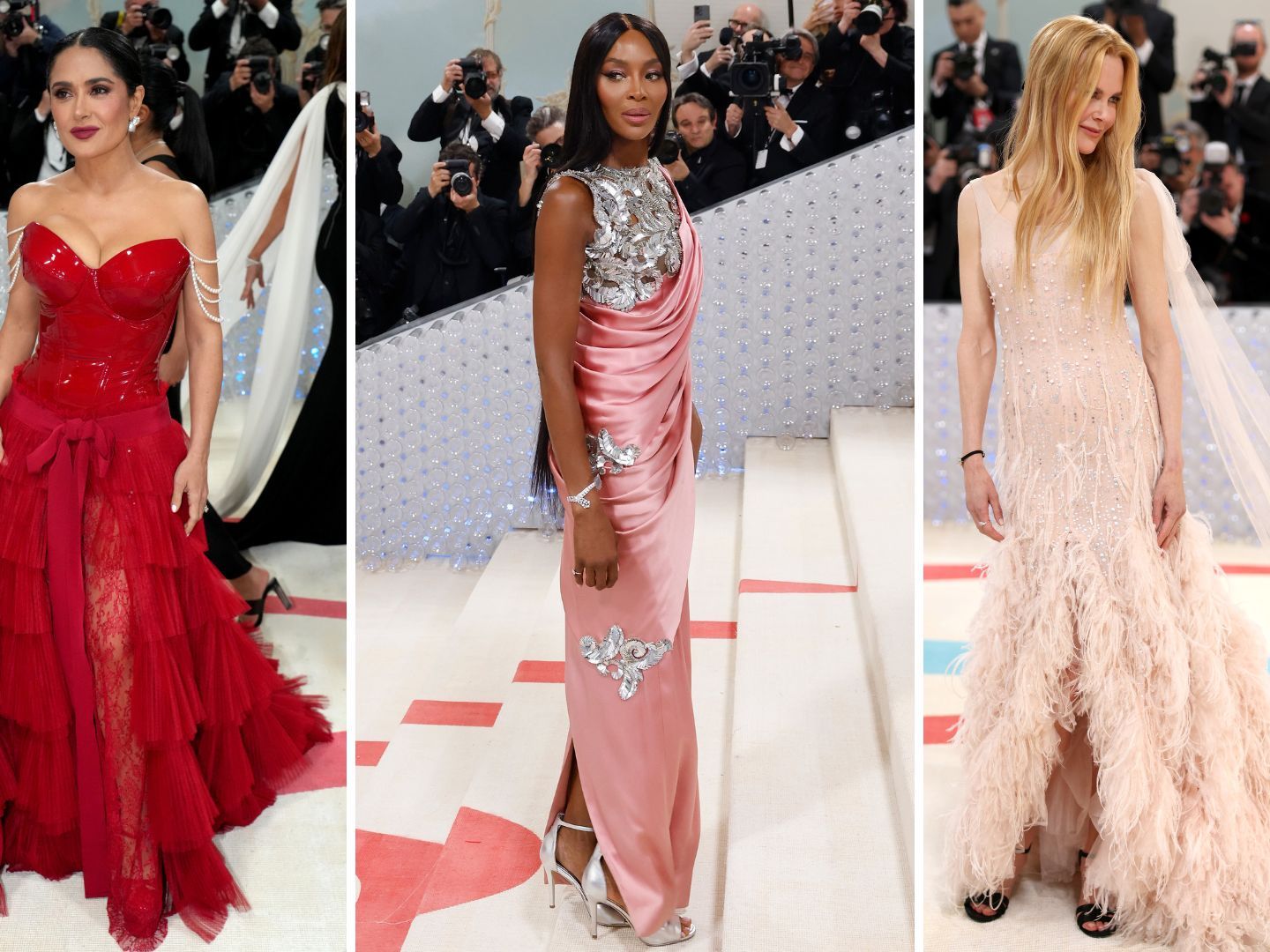
The Met Gala’s guest list is a closely guarded secret, but the star power is undeniable. Celebrities, from actors and musicians to models and cultural influencers, are not just attendees; they are brand amplifiers. Their carefully timed arrivals on the red carpet are a critical component of the Met Gala’s marketing strategy. Each celebrity, often styled by a high-fashion brand in an ensemble designed to interpret the year’s theme, becomes a walking advertisement, generating immense media buzz.
The specific timing of their arrival ensures a steady stream of content for live broadcasts, social media updates, and news reports. It’s a carefully managed flow that prevents overwhelming the media and ensures each major arrival gets its moment in the spotlight. This orchestrated parade of influence and glamour extends the Met Gala brand’s reach exponentially, tapping into the fan bases of hundreds of global icons. Each celebrity appearance is a co-branding opportunity, linking individual star power with the prestige and cultural gravitas of the Met Gala and, by extension, the Metropolitan Museum of Art. It’s a symbiotic relationship where the celebrities elevate the event, and the event elevates the celebrities, all reinforcing the Met Gala’s premier brand status.
Strategic Timing: Maximizing Engagement and Reach
The choice of the Met Gala red carpet start time is not merely about convenience; it is a sophisticated exercise in global audience engagement and real-time marketing. Every minute is accounted for in a strategy designed to capture attention and sustain a narrative across digital and traditional platforms.
The Primetime Window for Global Audiences
The 5:30/6:00 PM EST start time for red carpet arrivals is strategically positioned to hit a “sweet spot” for global viewership. For audiences in Europe, this translates to primetime evening viewing, roughly 10:30 PM to 11:00 PM GMT/BST. This allows for live streaming and immediate news coverage to coincide with peak leisure hours. For North American audiences, it’s late afternoon/early evening, perfect for watching live or catching up during their commute or post-work wind-down.
This careful calculation ensures that the initial burst of content—the first looks, the biggest celebrity entrances, the most outrageous outfits—is consumed by a vast, engaged audience instantaneously. The Met Gala understands that in today’s fragmented media landscape, capturing a significant global audience simultaneously is a brand superpower. This timing strategy optimizes for both synchronous and asynchronous consumption, ensuring that whether live or delayed, the brand’s message reverberates widely.
Social Media Dominance and Real-Time Marketing
The digital age has amplified the importance of the Met Gala’s red carpet timing. The carefully orchestrated arrivals fuel an unparalleled explosion of social media activity. Starting in the late afternoon EST ensures that by the time the bulk of arrivals are underway, social media feeds globally are ready to be inundated. #MetGala invariably trends worldwide, with millions of users sharing, commenting, and creating memes in real-time.
This instantaneous virality is a dream for any brand. It’s organic, user-generated content on a massive scale, exponentially extending the Met Gala’s reach beyond traditional media. Designers, celebrities, and associated brands all leverage this moment, executing real-time marketing strategies that capitalize on the global conversation. From “first look” posts on Instagram to live commentary threads on X (formerly Twitter), the red carpet’s timing is designed to ignite and sustain this digital firestorm, turning an exclusive event into a universally discussed phenomenon. This level of immediate, widespread engagement is invaluable for brand visibility and cultural relevance.
The Narrative Arc of an Evening
The red carpet is not an isolated event; it’s the carefully crafted prologue to a larger brand narrative that unfolds throughout the evening and beyond. The timing allows for the story to build. The initial excitement of the arrivals transitions into discussions about the best-dressed, the most daring interpretations of the theme, and the memorable moments. As the guests move inside for the exclusive dinner and exhibition viewing, the red carpet content continues to be dissected, analyzed, and celebrated.
This sequential unveiling of the event ensures sustained media interest. The brand doesn’t just make an impact; it crafts an enduring story. The red carpet’s timing allows for this narrative to be paced effectively, ensuring that the brand remains top-of-mind, from the initial “What time does it start?” query to weeks later, when fashion critiques and retrospective analyses continue to appear across various platforms. This long tail of engagement is crucial for maintaining the Met Gala’s high brand value.
Beyond the Glamour: Reinforcing the Met Gala Brand Identity
While the spectacle of the red carpet is undeniable, its strategic timing and execution serve a deeper purpose: to reinforce the core identity and mission of the Met Gala brand. This includes its philanthropic goals, its aura of exclusivity, and its role as a cultural trendsetter.
Philanthropy and Purpose at the Core
At its heart, the Met Gala is a fundraiser for the Metropolitan Museum of Art’s Costume Institute. While the red carpet is awash in glamour, the underlying purpose—to raise essential funds for the museum’s fashion exhibitions and acquisitions—is a critical part of its brand story. The massive global attention generated by the red carpet translates into heightened awareness for this philanthropic mission.
The strategic timing ensures that the event’s charitable aspect is not overshadowed but amplified by the buzz. Media coverage often includes mentions of the fundraising efforts and the importance of the Costume Institute. By orchestrating such a high-profile, visually stunning event, the Met Gala brand effectively draws unparalleled attention to its noble cause, framing the spectacle not just as entertainment but as a powerful vehicle for cultural preservation and artistic support. This duality of high fashion and high purpose is a potent brand narrative.
Exclusivity and Aspiration
The Met Gala’s red carpet timing, with its controlled flow of arrivals and limited access, reinforces its brand pillar of exclusivity and aspiration. For the vast majority of the public, the red carpet is the only direct window into this highly private and sought-after event. This carefully managed ‘peek behind the curtain’ creates an immense sense of desire and aspiration.
The brand leverages this exclusivity to its advantage. By making the event a coveted invitation, and the red carpet a carefully curated spectacle, the Met Gala reinforces its status as a benchmark of social and cultural standing. This isn’t just about showing off; it’s about maintaining a brand image that is aspirational, making the public wish they could be part of that moment, and ensuring its continued mystique and desirability. The timing ensures that this exclusive moment is presented to the world in a way that maximizes its allure.
Innovation and Trendsetting
The Met Gala red carpet is not just a showcase; it’s a launchpad for innovation and trendsetting. Each year’s theme challenges designers and stylists to push boundaries, resulting in avant-garde creations that often dictate future fashion trends. The timing of the red carpet, at the start of May, positions it perfectly to influence summer fashion and the subsequent fall/winter collections.
By strategically scheduling the red carpet to unveil these sartorial statements, the Met Gala brand solidifies its position as a forward-thinking, culturally impactful entity. It’s where fashion history is made and future trends are born. The immediacy of the red carpet coverage means these trends are disseminated globally almost instantly, cementing the Met Gala’s brand identity as an arbiter of taste and a catalyst for creative evolution within the fashion industry and beyond.
The Unseen Choreography: A Brand Management Masterclass
Behind the glamorous facade of the Met Gala red carpet is an intricate web of logistics and strategic planning, making it a masterclass in brand management. The choice of ‘what time’ directly impacts the immense unseen choreography required to pull off such a high-stakes global event.
Logistics of a High-Stakes Production
The red carpet’s scheduled start time dictates an enormous amount of logistical coordination. Security teams, press liaisons, event producers, and a small army of staff must work in perfect synchronicity. The precise arrival windows for guests, the setup of media risers, the coordination of live broadcasts—all are meticulously planned around that specific start time and the subsequent hours of arrivals.
Any delay or disruption could compromise the seamless brand experience. Therefore, the chosen time factors in buffers for unforeseen circumstances, ensuring that the brand’s image of effortless glamour remains intact. This behind-the-scenes precision is fundamental to maintaining the Met Gala’s highly polished and professional brand reputation. It’s a testament to the fact that effective brand management is as much about flawless execution as it is about creative vision.
Crisis Management and Reputation Protection
In an event of this magnitude, potential brand risks are ever-present, from security breaches to wardrobe malfunctions or inappropriate behavior. The strategic timing of the red carpet and the controlled environment it creates are crucial for crisis management and reputation protection.
By managing the flow of guests and media, the event organizers can quickly identify and mitigate potential issues before they escalate into brand damaging incidents. The precise schedule allows for rapid response protocols. This proactive approach to risk management is vital for safeguarding the Met Gala brand’s integrity and ensuring that the narrative remains focused on its intended purpose rather than on controversies. The structured timeline is a shield for the brand’s delicate public image.
Legacy Building and Future Brand Value
Each year’s Met Gala red carpet contributes to the event’s enduring legacy and continuously enhances its future brand value. The meticulous planning around the “what time” question is an investment in this long-term brand equity. Every iconic look, every viral moment, and every well-executed media campaign adds another layer to the Met Gala’s storied history.
The consistent, impactful delivery of the red carpet spectacle ensures that the Met Gala remains relevant, coveted, and influential year after year. It reinforces its position not just as an event, but as an institution, a brand that transcends fleeting trends to become a permanent fixture in global culture and fashion. The strategic timing is therefore not just about managing the present, but about carefully cultivating a powerful and lasting brand legacy for the future.
In conclusion, while the simple answer to “What time does the Met Gala red carpet start?” might be a specific hour in the late afternoon of the first Monday in May, the true insight lies in recognizing this timing as a sophisticated element of a comprehensive brand strategy. It is the carefully selected kickoff for a global marketing campaign, designed to maximize media exposure, amplify philanthropic goals, reinforce exclusivity, and cement the Met Gala’s status as a preeminent cultural brand. The red carpet is not merely an entrance; it is a meticulously choreographed brand statement that kicks off one of the most significant and influential cultural events of the year, a testament to the power of strategic timing in the world of branding.
aViewFromTheCave is a participant in the Amazon Services LLC Associates Program, an affiliate advertising program designed to provide a means for sites to earn advertising fees by advertising and linking to Amazon.com. Amazon, the Amazon logo, AmazonSupply, and the AmazonSupply logo are trademarks of Amazon.com, Inc. or its affiliates. As an Amazon Associate we earn affiliate commissions from qualifying purchases.